Physical Composition
A rigid multi-ply substrate combines high-density outer liners with an internal layer of expanded thermoplastic material. Structural foamed board utilizes this core to minimize overall mass while maintaining high resistance to bending forces. Manufacturers inject a chemical blowing agent during the extrusion process to create a closed-cell interior, which results in a material with a high strength to weight ratio.
Converters use this material in display packaging and signage where planar stiffness remains the primary requirement for vertical loading. Because the interior air pockets replace heavy solid fibre, the sheet thickness increases without adding substantial weight to the final product.
Production Parameter
Mechanical properties depend on the density of the internal gas bubbles and the consistent adhesion between the outer layers. Engineers control the expansion rate of the polymer to ensure the board remains stable during high-speed printing and die cutting operations. Excessive heat during finishing stages causes the core to soften, which leads to surface rippling or compression of the internal structure under machine pressure.
Optimal settings require a cooling phase immediately following extrusion to lock the cell geometry before the sheet moves to storage. Uniformity in cell distribution governs the flatness of the finished stock across its width.
Rigidity Metric
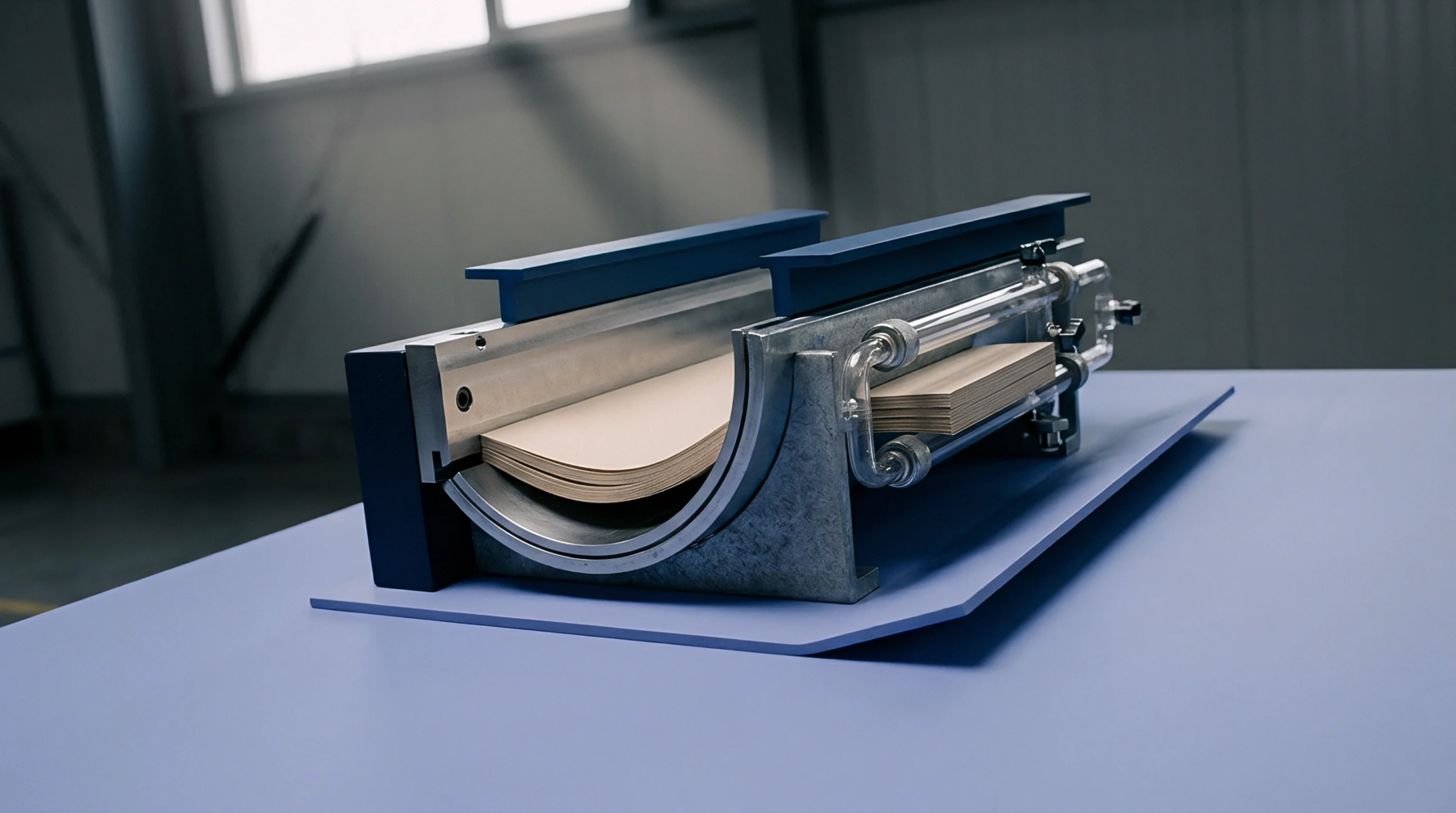
Flexural modulus testing provides the verification for load capacity when the board occupies a vertical orientation. Technicians place a sample across two parallel supports and apply weight to the center to observe the deflection rate before permanent deformation occurs. Variations in the thickness of the external liners have a greater influence on this test result than changes in the density of the inner foam core.
The resulting value dictates the maximum size a display unit achieves before the structure bows under its own weight or the mass of the contents placed on its surface. Effective performance relies on maintaining a consistent moisture content across the outer fibre layers to prevent warping.