Interlaminar Shear Resistance Testing for Multi-Ply Recycled Packaging Boards
Dynamic Scott Bond impact and static Z-tensile testing verify multi-ply recycled board strength to prevent costly delamination during foil stamping and creasing.
Dynamic Scott Bond impact and static Z-tensile testing verify multi-ply recycled board strength to prevent costly delamination during foil stamping and creasing.
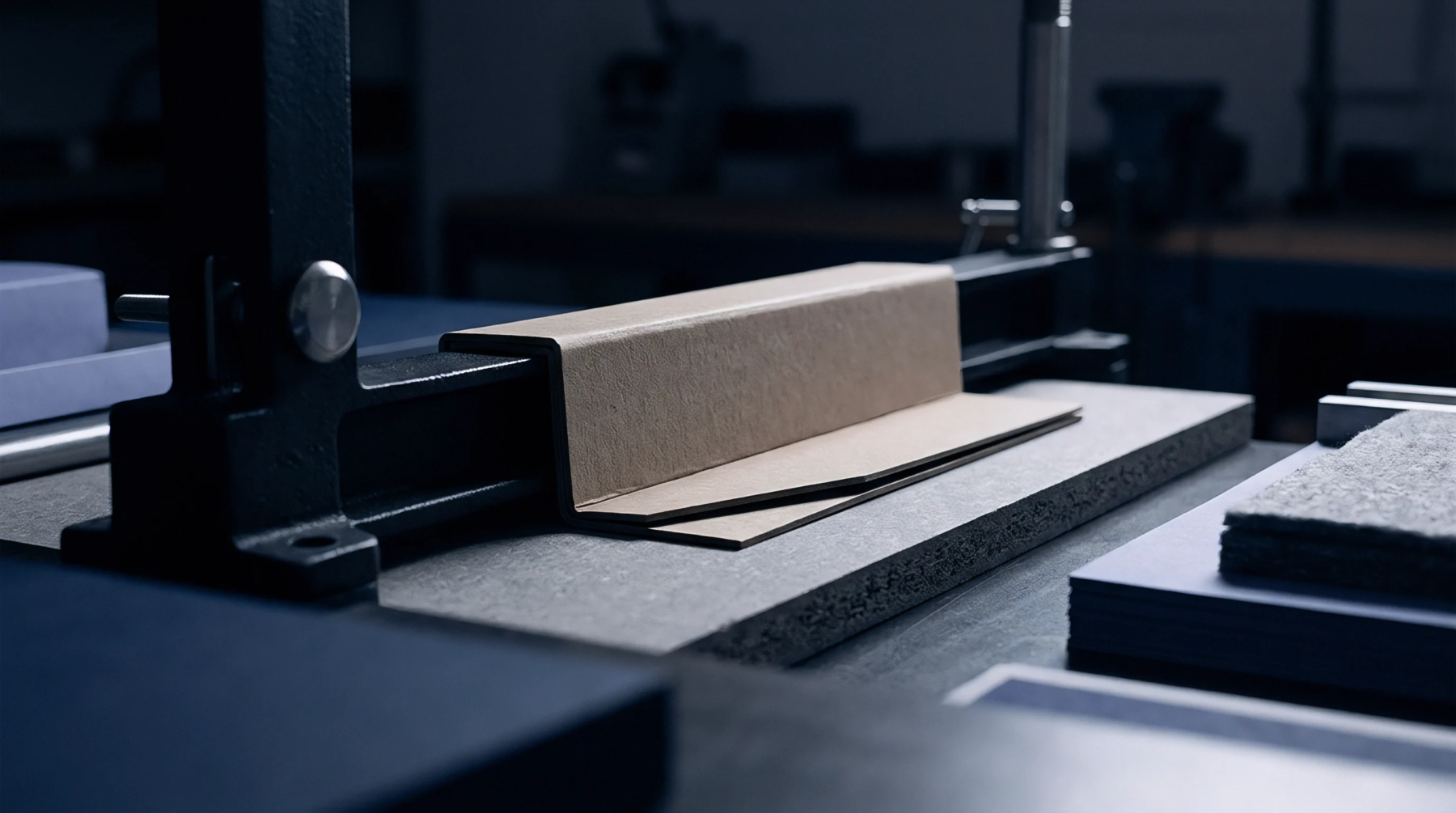
Recycled folding boxboard requires expanding matrix channel width from 1.5 to 1.8 times caliper plus rule thickness to prevent top-liner rupture.
Dynamic moisture entry plasticizes paperboard core binders and depresses matrix glass transition, driving interlaminar delamination and pallet stack collapse.

High erection speeds induce inter-ply shear strain that causes carton delamination when Z-direction bond strength drops below 180 Joules per square metre.
Dynamic high-speed shear delamination across mechanical board cores occurs when strain rates exceed interfacial starch adhesion, requiring dynamic shear specification over static Scott bond values.
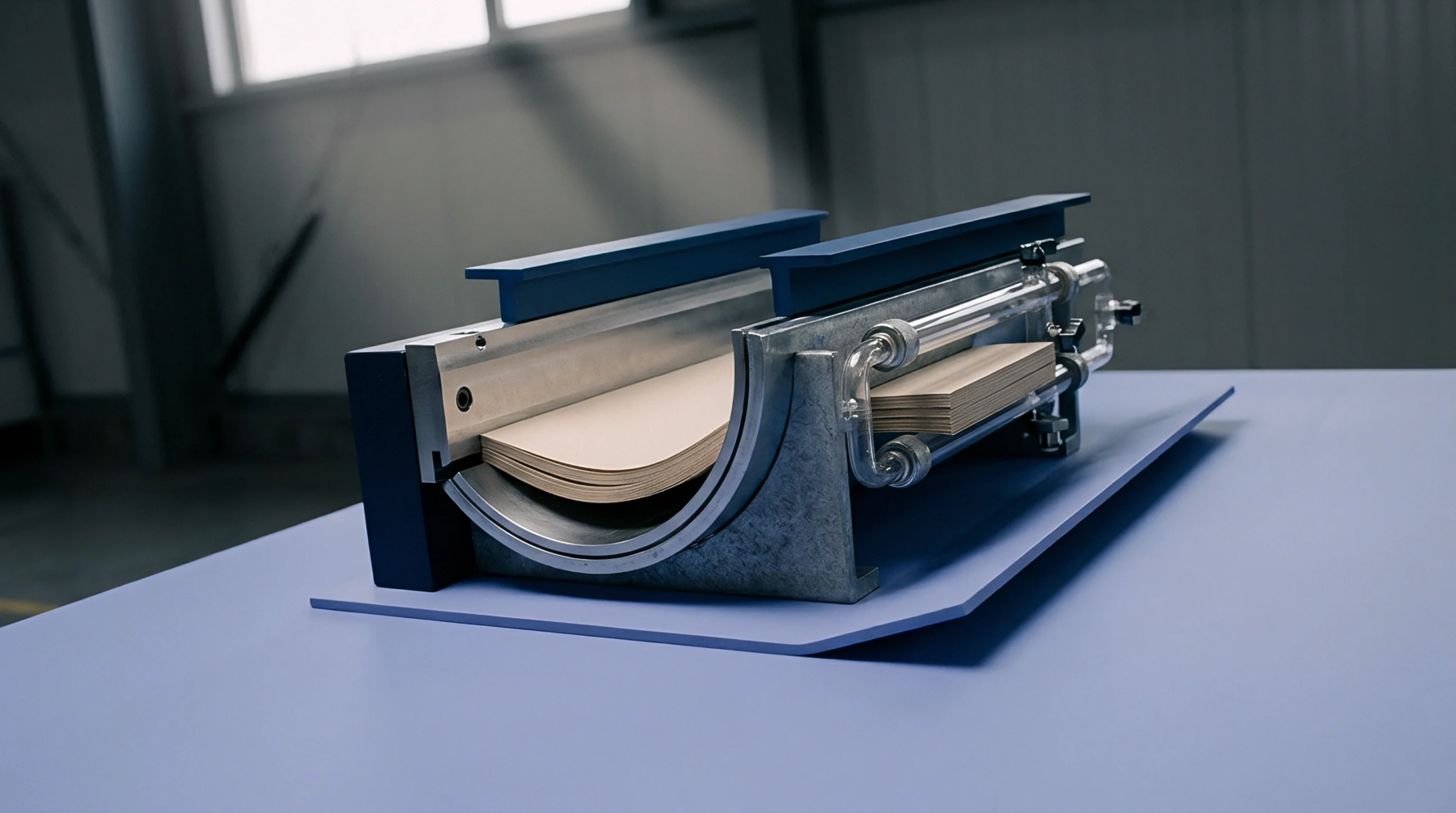
Low transverse shear modulus in foamed cores reduces effective bending stiffness and causes early compression collapse on short spans.
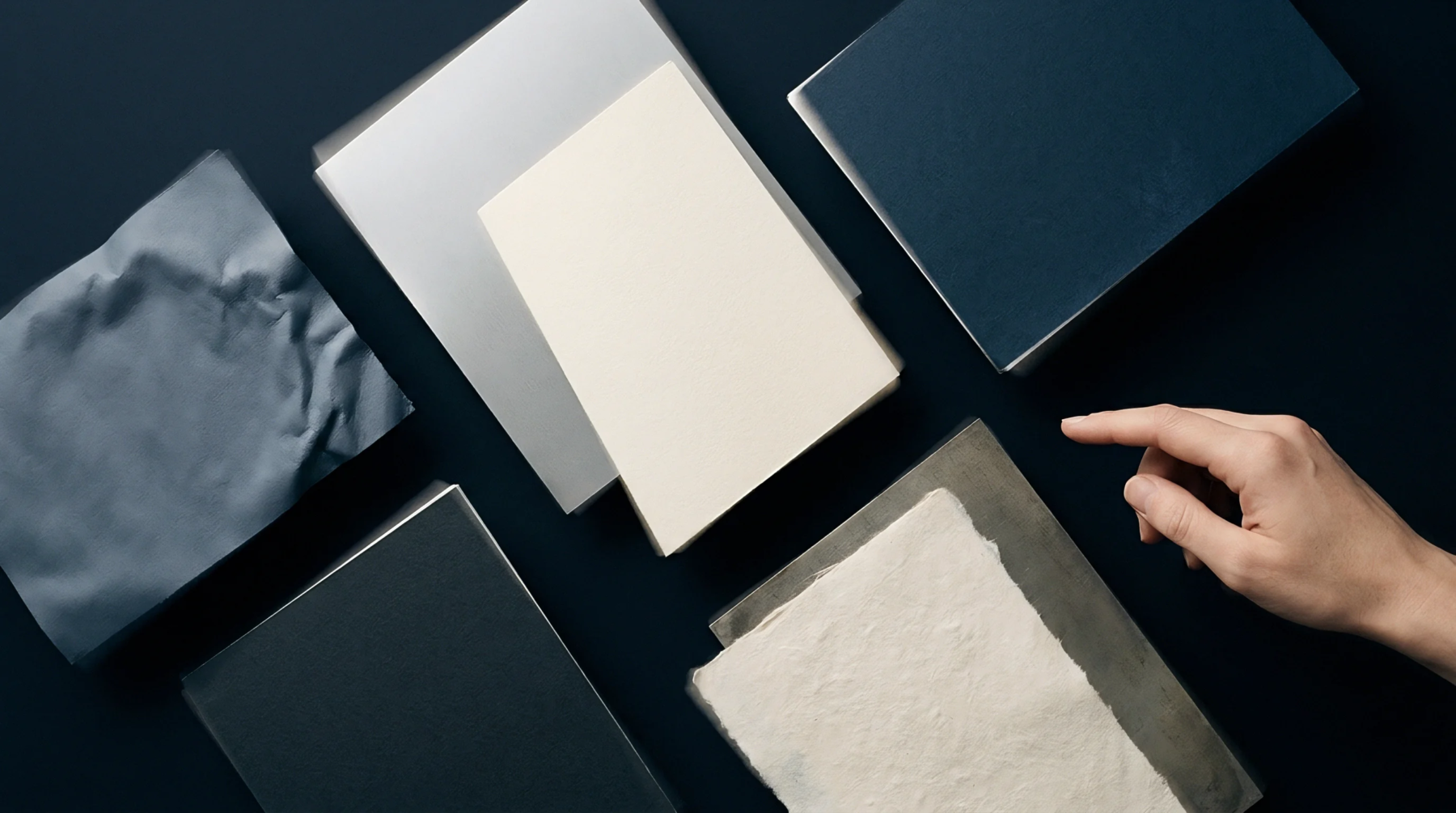
Calibrated matrix channel width relies on board caliper, rule thickness, and fiber shear mechanics to prevent liner cracking and gluer jams.

Matching dynamic Scott Bond energy above 120 J/m² prevents high-speed folder-gluer delamination and reduces net carton cost through lower line scrap.

Core layer mechanical pulp distribution controls folding boxboard bulk and bending stiffness, enabling weight reduction while preserving box structural integrity.
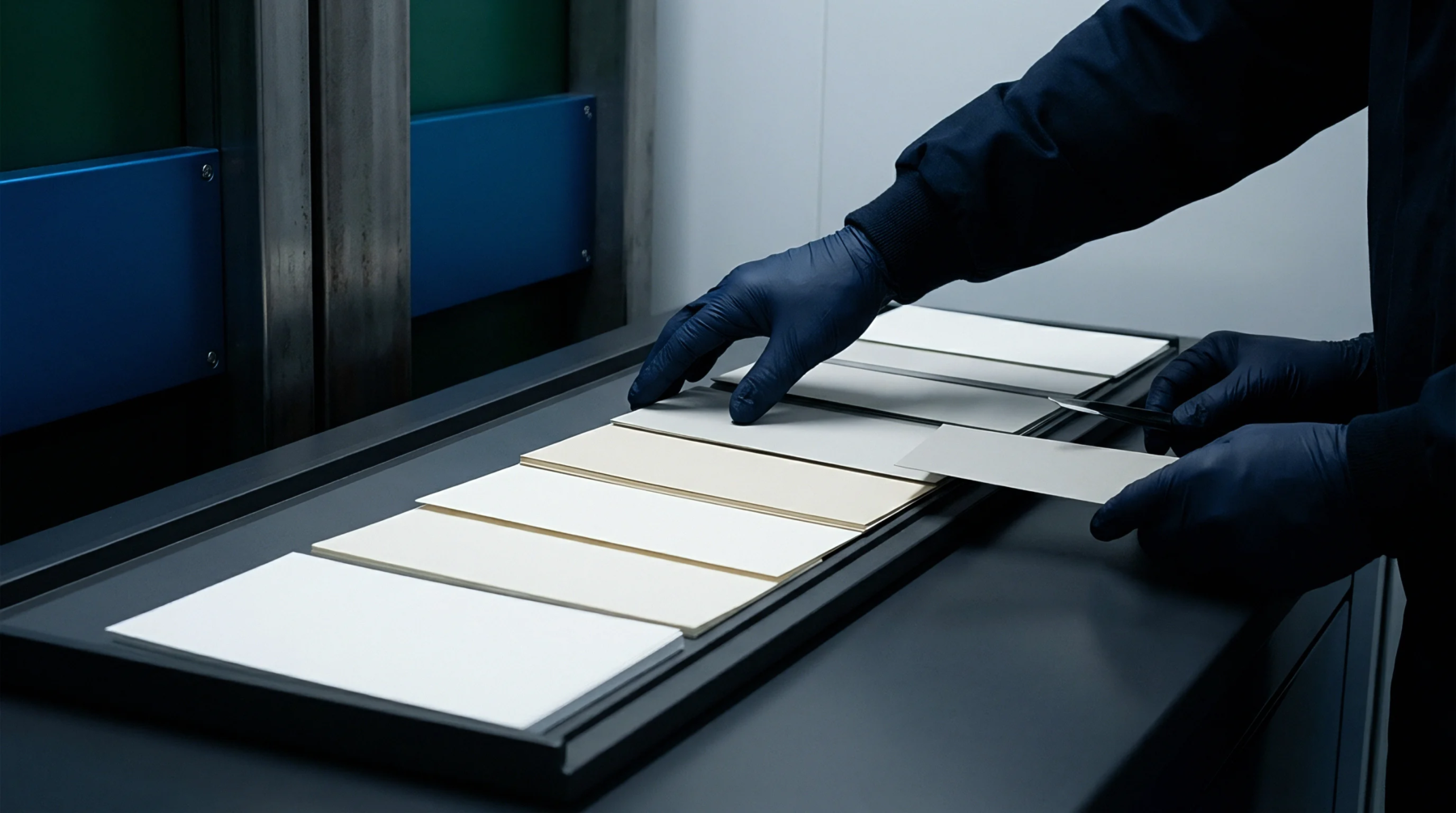
Paperboard physical property verification requires strict ISO 187 conditioning and standardized test methods to ensure compliance and prevent customs holds.
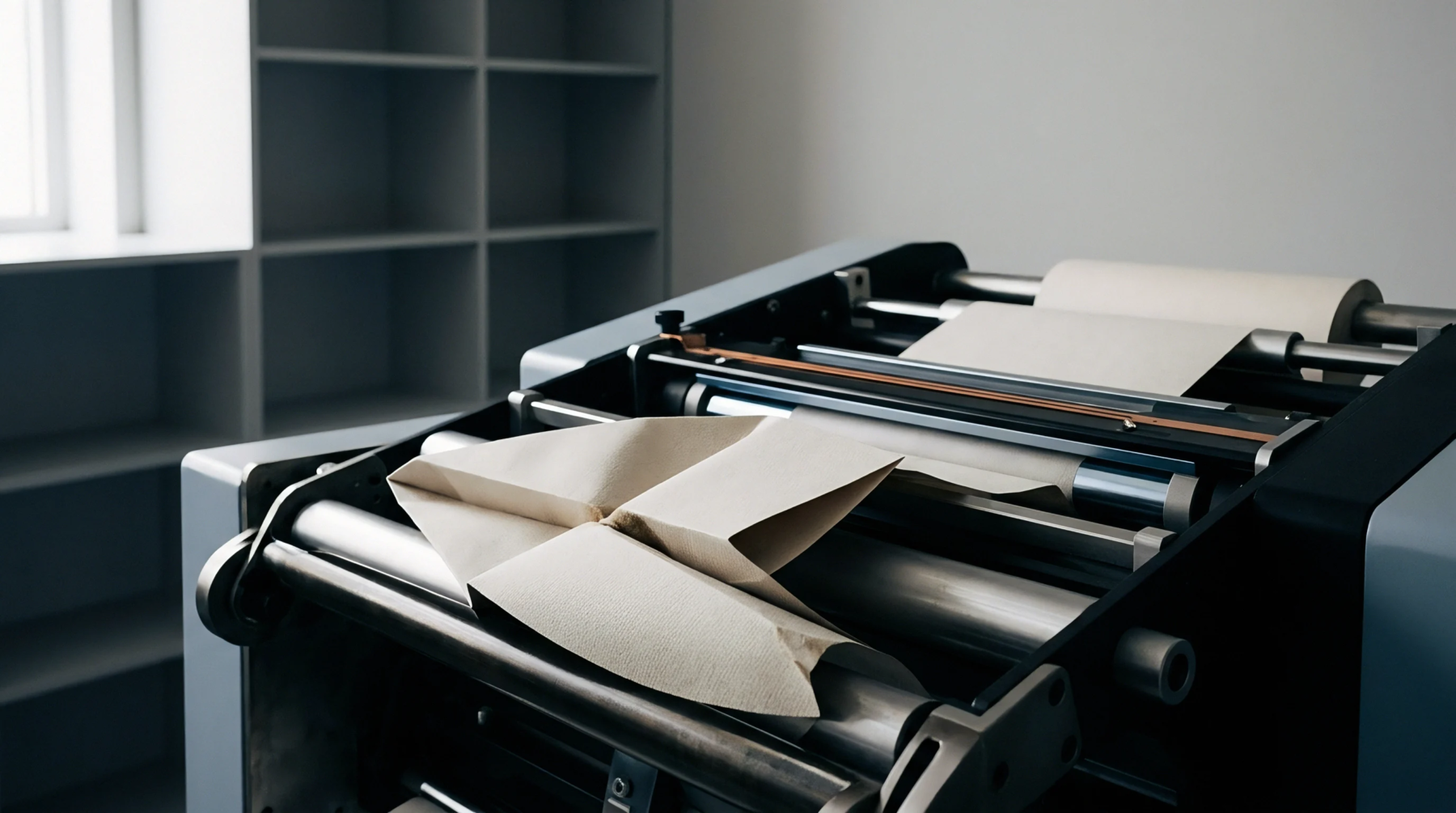
Uncoated folding boxboard requires matrix channel width equal to creasing rule thickness plus 1.8 times caliper to prevent top liner cracking during folding.
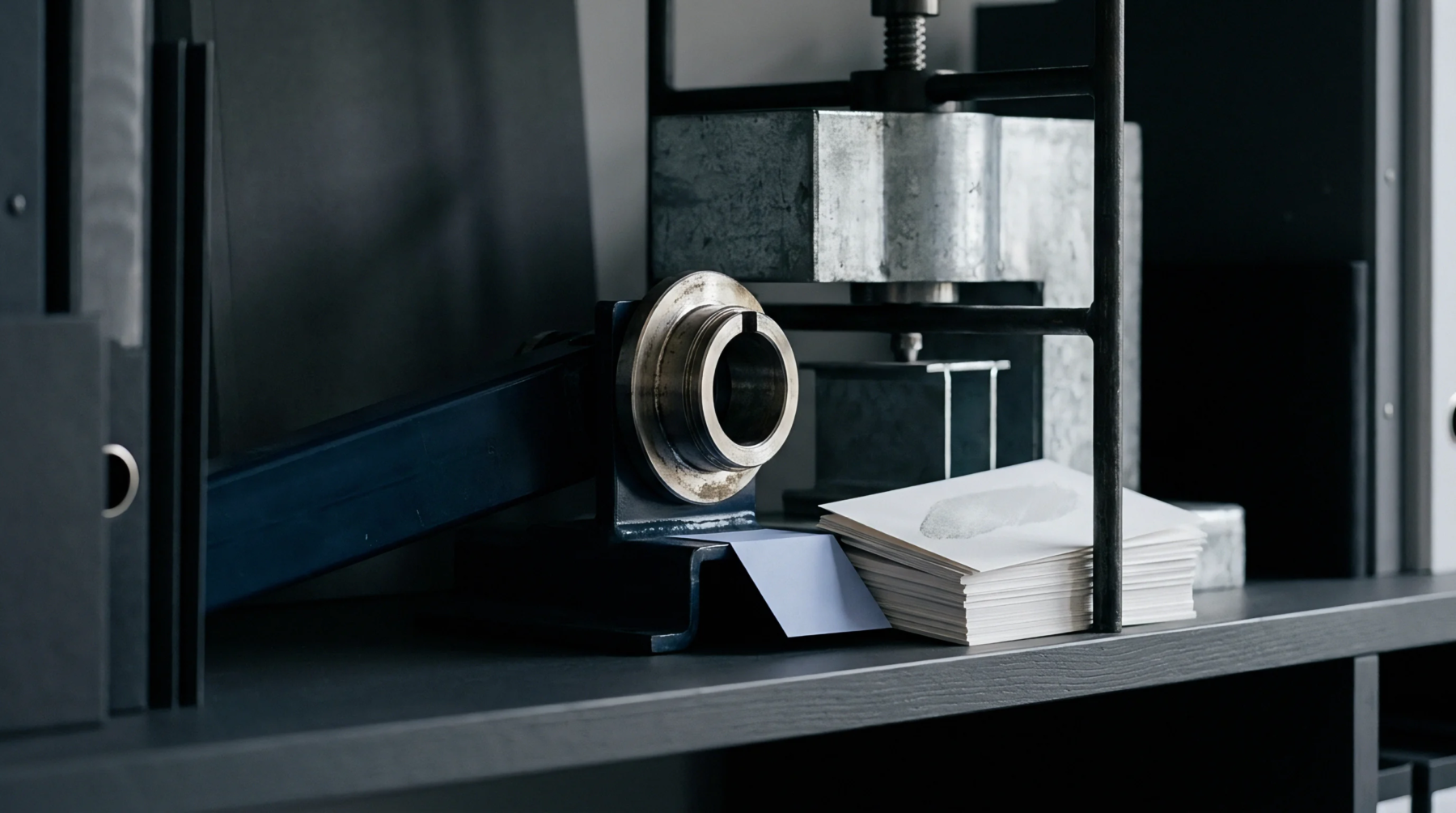
Widening matrix channel width to 1.7 times board caliper mitigates score cracking on recycled board by promoting controlled internal ply delamination.

Inter-ply bond standards mandate TAPPI T 541 or ISO 16260 testing under strict ISO 187 conditioning to prevent converting delamination on recycled paperboard.
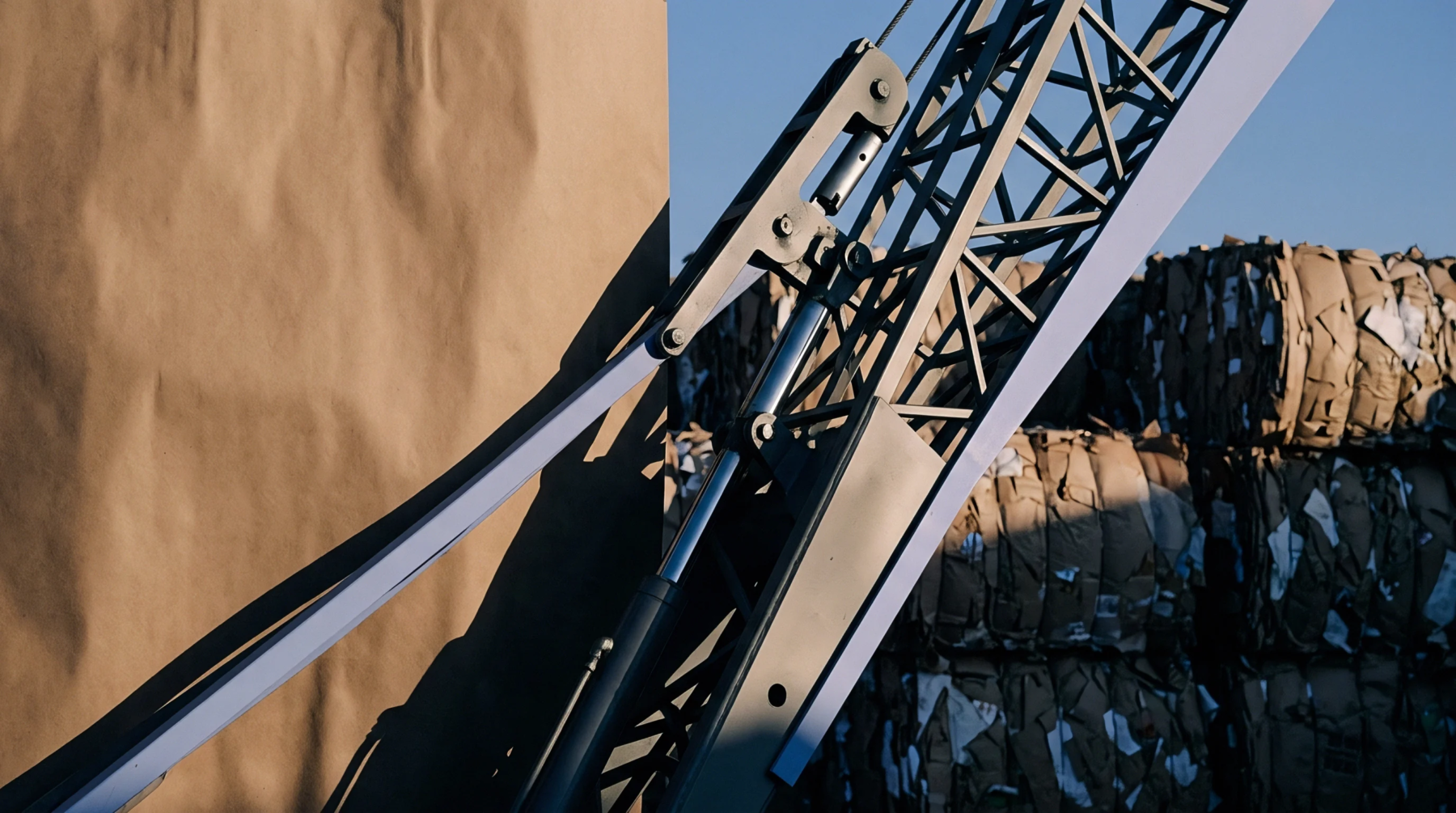
Transverse hygroexpansion in recycled paperboard drives interfiber bond dislocation and mechano-sorptive creep under cyclic moisture, accelerating compressive loss.
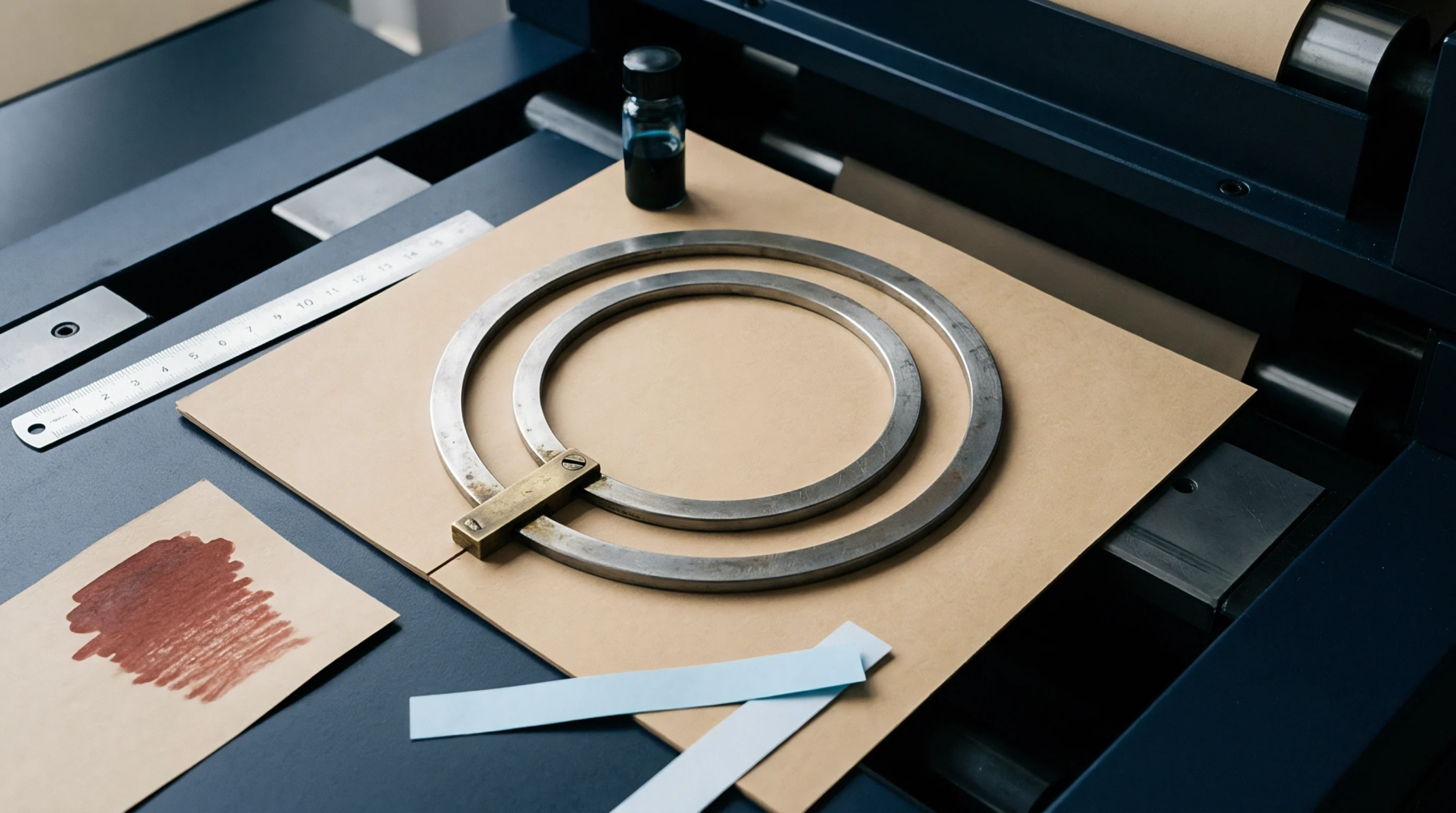
Core shear stiffness governs folding boxboard creasing performance; correct values enable middle ply delamination while preventing outer coated liner failure.
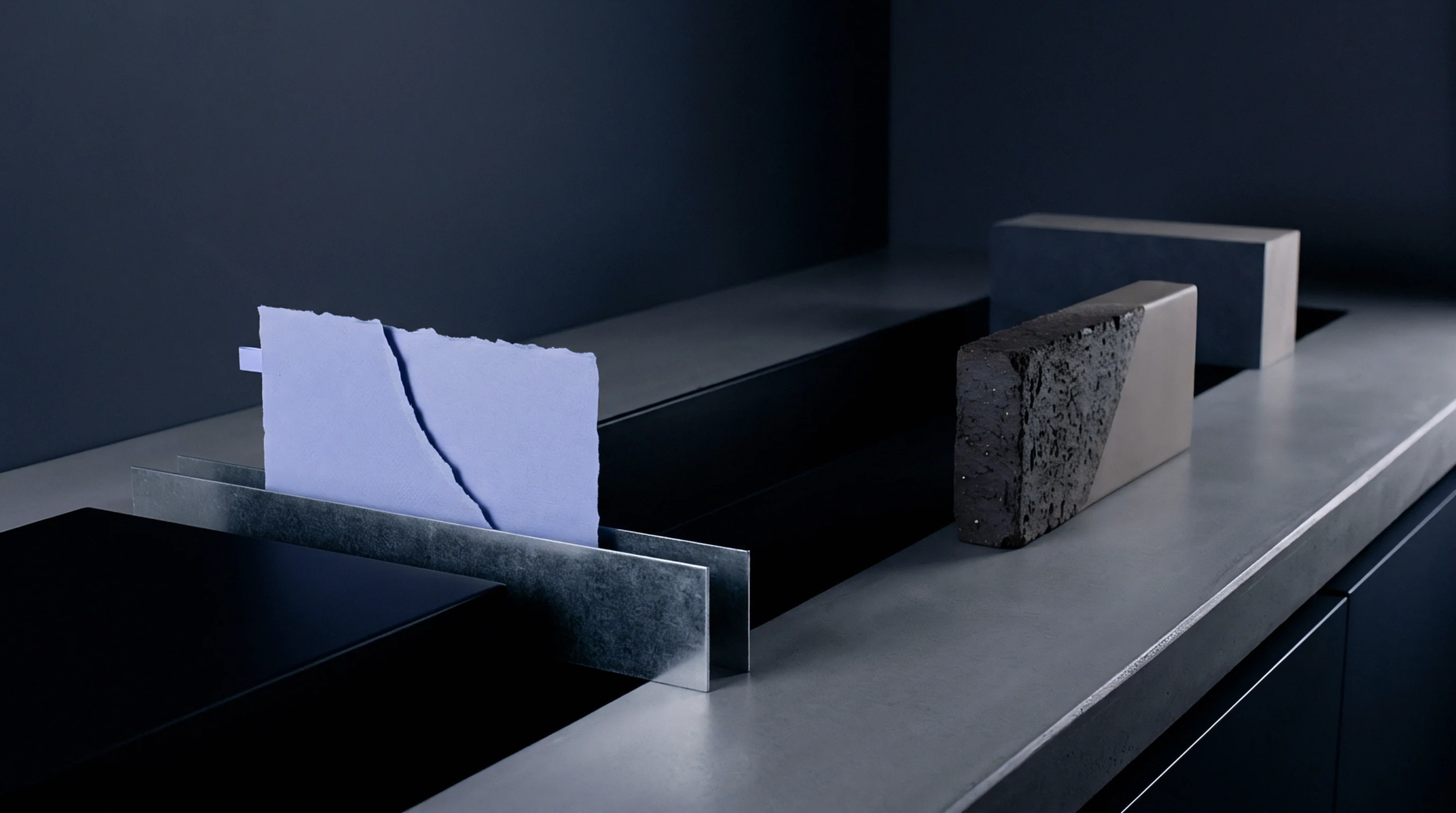
Optimizing shoe press peak pressure and wet-end couch solids maximizes inter-ply bond strength in multi-ply recycled fiber formations.
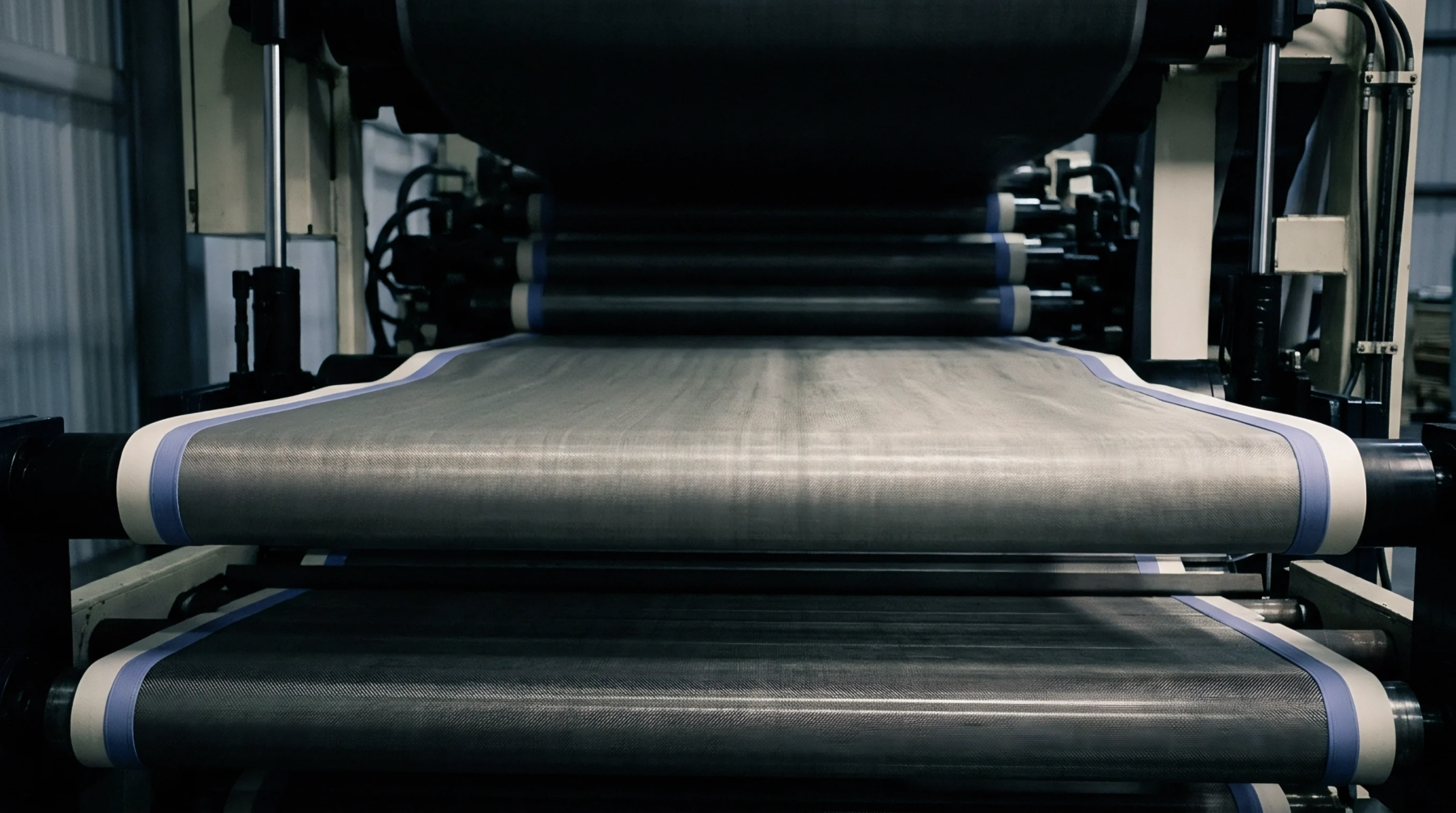
Moisture-gradient calendering plasticizes outer chemical skins while keeping mechanical cores dry, maximizing FBB bending stiffness and yield.
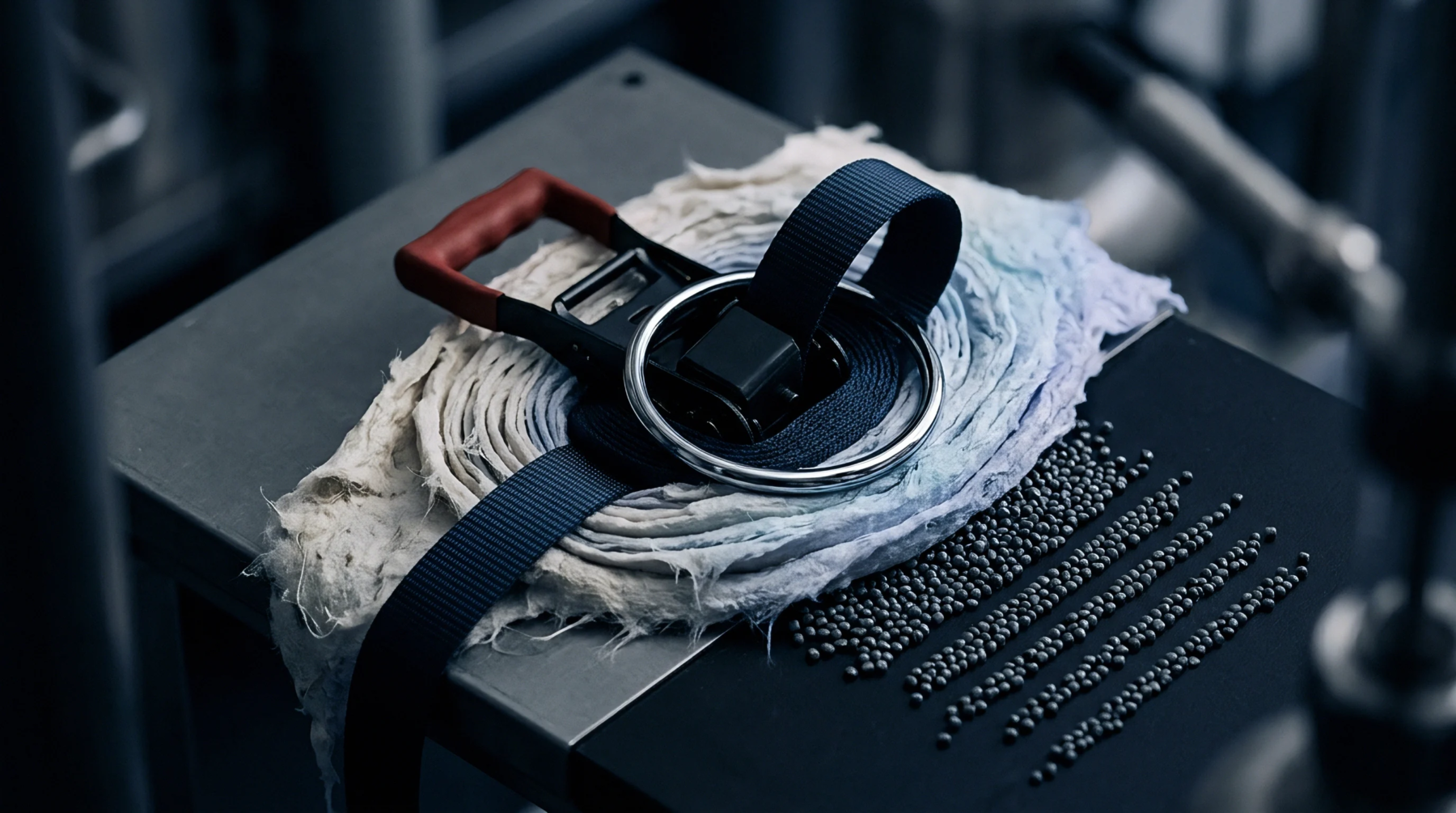
Low-fibre-length recycled substrates require wider matrix channels and precise moisture control to prevent outer liner rupture under tensile strain limits below 1.5%.
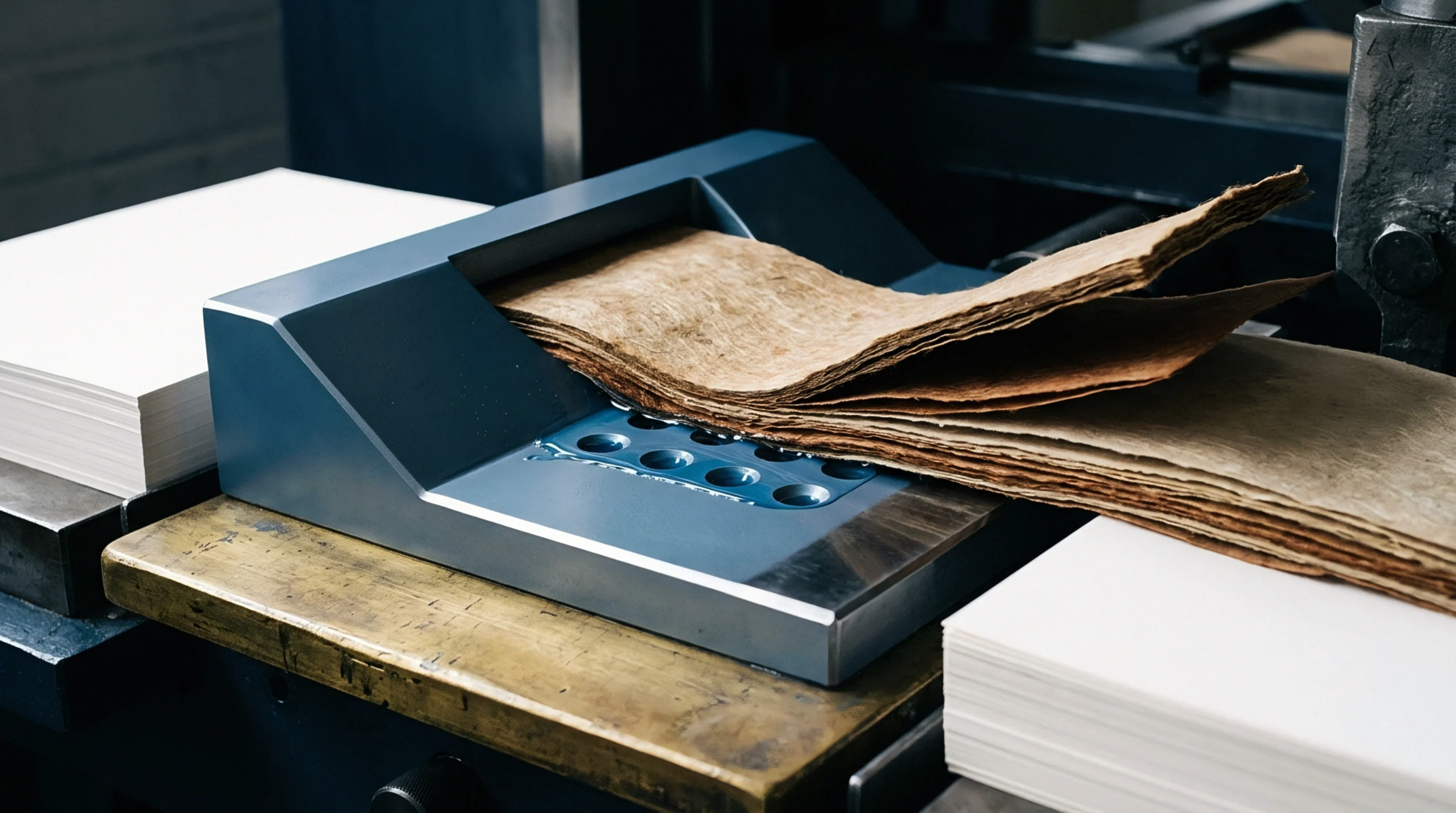
Virgin hardwood sizing requires balancing high surface hydroxyl density against AKD and ASA steric interference to maintain internal bond and Cobb holdout.
Expertise is a utility, not a secret. sentiention™ publishes its working knowledge as open reference: intelligence layer covering the materials it sources, the markets it enters, and the reference that serves both.