Recycled Board Delamination Testing under High Strain Rates
Dynamic high strain rate testing exposes inter-ply strength loss in recycled board that standard static Z-tensile tests miss, preventing carton converting failure.

Dynamics
High-speed rotary creasing equipment exerts normal and shear stresses across paperboard plies within three to five milliseconds. Impact loading during package forming, drop handling, and automated cartoning exposes multi-ply recycled stocks to extreme deformation rates. Standard static mechanical testing fails to capture how inter-ply bonds behave when mechanical force arrives as a shockwave.
Fiber networks undergo rapid stress concentrations that alter the mechanism of fracture from progressive ductile tearing to brittle interface propagation.
Recycled packaging board consists of distinct layers pressed together while wet during paper machine forming. Secondary fibers contain lower average fiber lengths, elevated fine content, and degraded hydrogen-bonding potential compared to virgin kraft fibers. When exposed to quasi-static Z-direction tensile stress, the furnish deforms plastically, redistributing strain across the bulk of the sheet.
Under strain rates exceeding 100 reciprocal seconds, viscoelastic relaxation mechanisms freeze. The stress accumulates localized peaks along weak inter-ply boundaries, causing catastrophic adhesive failure between layers.

Viscoelastic Strain Energy Distribution
Polymerized starches and hydrogen bonds between recovered fibers absorb mechanical work at varying rates dependent upon loading velocity. Viscoelastic materials exhibit time-dependent stiffness properties. At low loading speeds, cellulosic polymers slide, flex, and absorb kinetic energy through micro-yield events.
High strain rates force the network to act as a rigid lattice. Energy cannot dissipate through slow polymer chain reorientation.
Fines weaken plies.
The total strain energy applied during impact loading converts instantly into elastic energy stored within the fiber walls and inter-ply starch layers. Once the local energy release rate surpasses the critical interfacial toughness, delamination initiates without substantial plastic deformation. The sheet splits along the ply interface rather than within the fiber matrix itself.
High strain rates shift the failure plane from intra-fiber fracture directly into the starch adhesive line separating the individual plies.
At a deformation velocity of 10 meters per second under ISO 187 standard conditioning, recycled paperboard exhibit a 35 percent reduction in absorbed delamination energy compared to quasi-static Z-tensile testing.
Stress Wave Propagation in Recycled Fibres
Impact mechanical pulses travel axially through board plies at speeds determined by sheet density and elastic moduli. Plane waves propagate through the thickness direction, reflecting at material boundaries where density changes. Coated recycled boards feature distinct density gradients between the dense clay top coating, the bulky middle recycled filler plies, and the bleached kraft back ply.
Impedance mismatches at ply interfaces reflect mechanical stress pulses back into the structure.
Static tests mislead.
Reflected tensile waves add constructively to incoming strain pulses. This superposition elevates localized Z-direction tensile stress far above nominal calculated loading levels. When local stress exceeds the dynamic inter-ply bond strength, crack nucleation occurs instantaneously.
Multi-ply recycled sheets with heterogeneous furnish distribution experience multi-site delamination under single impact strikes.
| Testing Mode | Strain Rate Range | Loading Duration | Dominant Failure Boundary |
|---|---|---|---|
| Quasi-Static Z-Tensile | 0.001 to 0.1 s⁻¹ | 10 to 60 seconds | Intra-ply fiber wall rupture |
| Pendulum Impact (Scott Bond) | 10 to 100 s⁻¹ | 1 to 5 milliseconds | Inter-ply starch and fine boundary |
| Split Hopkinson Pressure Bar | 500 to 2000 s⁻¹ | 50 to 200 microseconds | Brittle interface adhesive cleavage |
Ignoring dynamic strain response during paperboard selection results in packaging lines suffering unexplained carton bursting, corner splitting, and unglued flap failures during ambient drop shocks.
Fracture
Delamination along multi-ply recycled substrates develops along the weakest inter-ply bond interface when internal shear stresses exceed local cohesion. Fiber geometry and bonding chemistry govern the fracture toughness of secondary fiber webs. Chemical pulp fibers undergo physical shortening, fibrillation loss, and hornification during repeated repulping cycles.
These physical changes restrict the contact area available for inter-fiber hydrogen bonding between individual plies.
Sheet formation on multi-former cylinder or multi-fourdrinier machines introduces distinct structural boundaries between adjacent layers. Moisture levels, couching pressure, and wet-end starch addition at the ply contact points establish the mechanical integrity of these boundaries. When high strain rate forces hit the board, fracture cracks originate at void spaces or regions with low starch density.
Crack growth follows the path of least resistance along the ply junction.
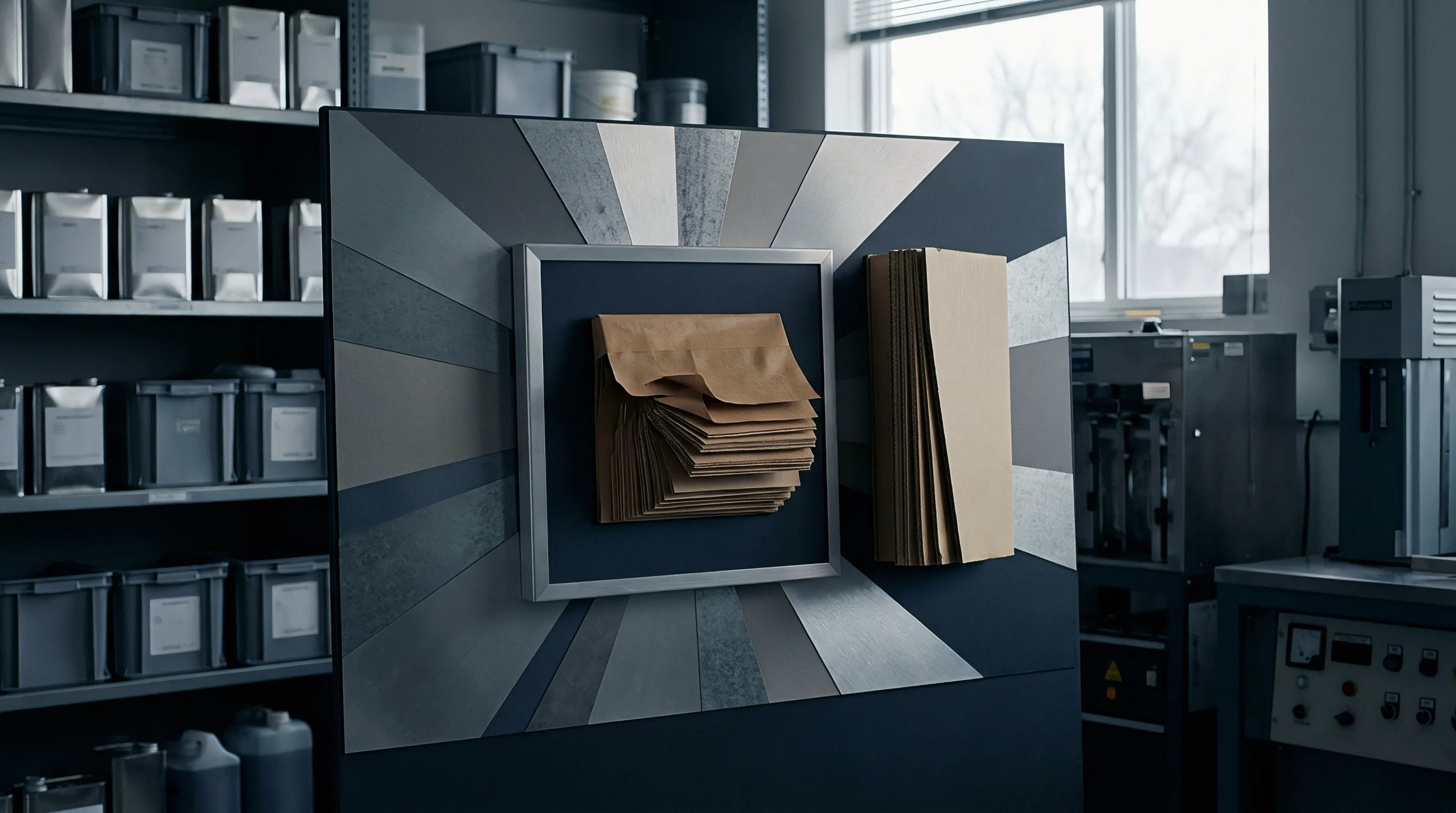
Interply Bonding Deficiencies in Secondary Furnish
Repeated repulping cycles shorten hardwood and softwood fibers while generating high proportions of parenchymal fines. Fines exhibit high specific surface area but lack the structural length needed to bridge the inter-ply interface. High fine accumulation at the ply boundary creates a brittle, chalky layer rather than an entangled fiber network.
Under shock loading, this fine-rich layer disintegrates cleanly, leaving a smooth delaminated surface.
Impact speed matters.
Fibre length drops.
Mineral fillers including calcium carbonate and kaolin clay further reduce inter-ply cohesion when recycled furnish carries high ash contents. Ash concentrations exceeding 12 percent in middle plies disrupt fiber-to-fiber contacts. Starch binders added to offset filler-induced strength loss often fail to penetrate uniformly into hornified recycled fibers, reducing total energy absorption under impact.

Starch Migrations and Adhesive Shear Boundaries
Native cationic starches applied at the wet end often deposit unevenly across ply contact zones during rapid water removal. Spray starches applied between plies require sufficient moisture and temperature during drying to gelatinize fully and form continuous polymer networks. Incomplete gelatinization creates localized starch islands surrounded by unbonded fiber zones.
Dynamic impact forces concentrate stress at these unbonded voids, accelerating crack propagation.
Shear stresses spike.
Substrate failure modes under dynamic mechanical loading fall into distinct physical categories based on furnish composition and starch distribution:
- Interfacial Cleavage occurs along ungelatinized spray starch boundaries when dynamic tensile loads exceed local chemical bond strength.
- Intra-Ply Shearing develops within low-density recycled filler plies containing high concentrations of short, hornified fibers.
- Coating-Substrate Separation occurs when extreme bending strain forces the mineral coating layer to delaminate from the top liner.
- Finer Matrix Disintegration happens when excessive inorganic ash deposits isolate short fibers from the structural starch binder network.
Board mills frequently attribute downstream folder-gluer delamination to poor converter adhesive application when internal inter-ply bond failure actually stems from ungelatinized spray starch across secondary fiber layers.

Bench
Laboratory characterization of Z-direction tensile resistance relies on controlled pulse loading apparatuses rather than static universal testing machinery. Traditional testing instruments measure energy absorption under standardized pendulum swing speeds that fail to replicate modern rotary converting speeds. High strain rate testing equipment utilizes pneumatic actuators, drop weight towers, or split Hopkinson pressure bars to apply uniform deformation pulses to board samples within microsecond windows.
ISO 187 defines atmospheric conditioning requirements at 23 degrees Celsius and 50 percent relative humidity for paper testing. Fiber moisture content dramatically alters viscoelastic performance under high strain rates. Dry fibers exhibit higher initial stiffness but reduced strain to break, leading to premature brittle fracture.
High humidity increases plastic deformation potential but lowers absolute peak strength, masking internal bond weaknesses.

Split Hopkinson Bar Configurations
Pneumatic launchers drive striker pins into aluminum input bars to generate microsecond stress waves through paper samples. Strain gauges attached to the input and output bars record incident, reflected, and transmitted force pulses. Mathematical analysis converts these strain pulses into high-speed stress-strain curves for the inter-ply interface.
Test setups achieve strain rates between 200 and 1500 reciprocal seconds.
Test speeds differ.
Sample preparation requires precise double-sided adhesive tape attachment to ensure flat, rigid clamping between aluminum bars. Structural epoxy resins substitute for adhesive tapes when testing thin substrates to prevent tape compliance from dampening the mechanical wave signature. Precision alignment avoids off-axis bending moments that produce artificially low delamination thresholds.
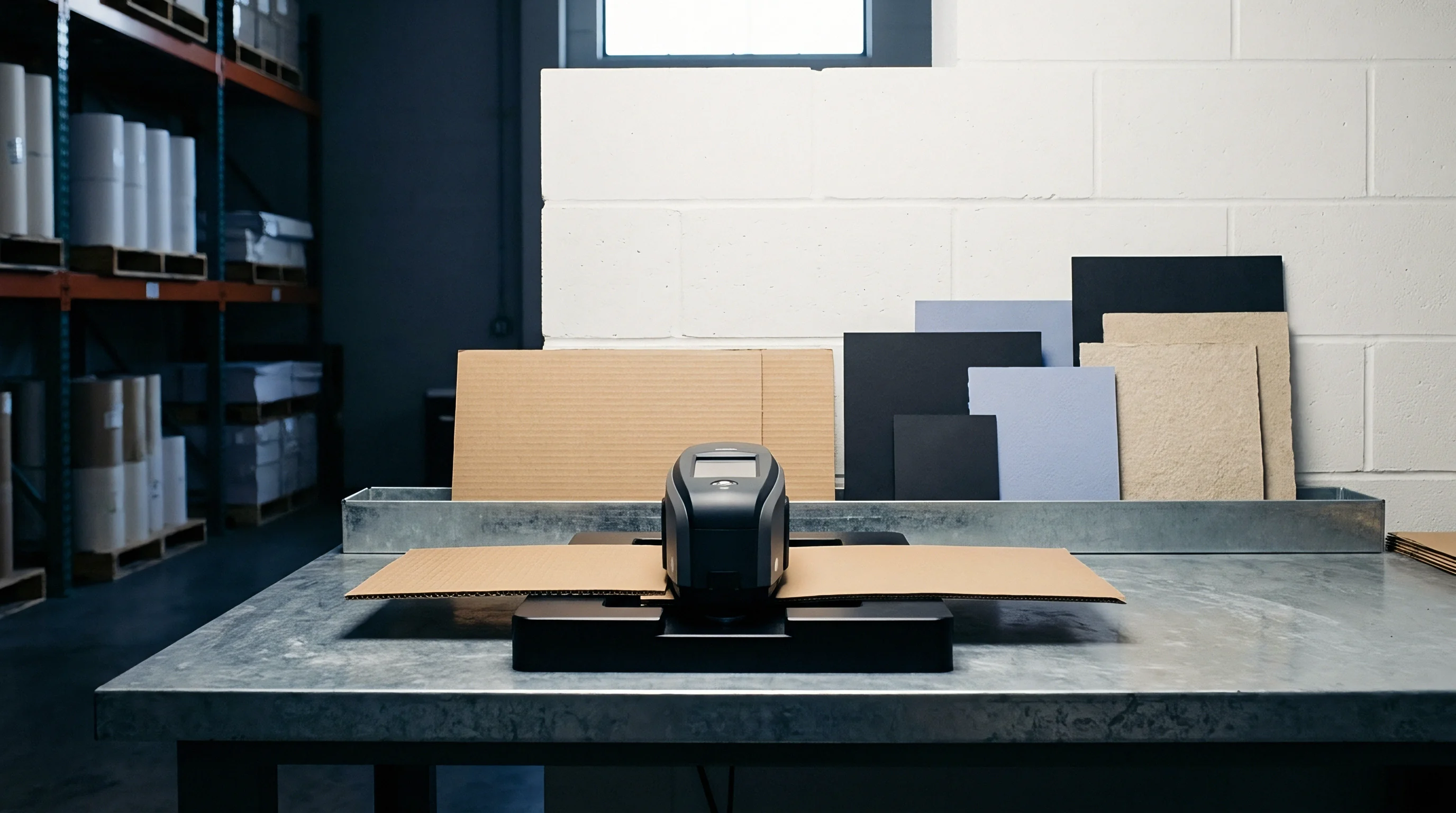
Which Strain Rate Threshold Triggers Multi-Ply Separation?
Experimental data indicates that loading velocities exceeding two meters per second transition internal failure mechanisms from ductile fiber pullout to brittle adhesive bond fracture. Standard pendulum Scott Bond tests according to TAPPI T 569 operate at velocities around 1.5 meters per second, sitting directly on the boundary between ductile and brittle transition regimes. Small variations in sample caliper or tape elasticity slide test results between two completely different failure modes.
| Standard Method | Mechanism | Deformation Speed | Primary Measurement Output |
|---|---|---|---|
| ISO 16260 / TAPPI T 569 | Pendulum Impact Anvil | 1.5 to 2.2 m/s | Energy Absorbed per unit area (J/m²) |
| High-Speed Z-Tensile (Pneumatic) | Linear Servo-Hydraulic | 0.1 to 10 m/s | Peak Dynamic Tensile Force (kPa) |
| Modified Hopkinson Pressure Bar | Compressive/Tensile Pulse | 10 to 30 m/s | High-Speed Stress-Strain Response Curve |
Failure to specify TAPPI T 569 pendulum velocity tolerances in mill supply contracts permits suppliers to deliver recycled stock that passes static testing but splits on automated high-speed carton lines.
In accordance with ISO 16260 Annex B, supplier certificates must declare sample conditioning moisture levels and pendulum impact velocities alongside total energy absorption figures to establish legally binding material compliance.

Score
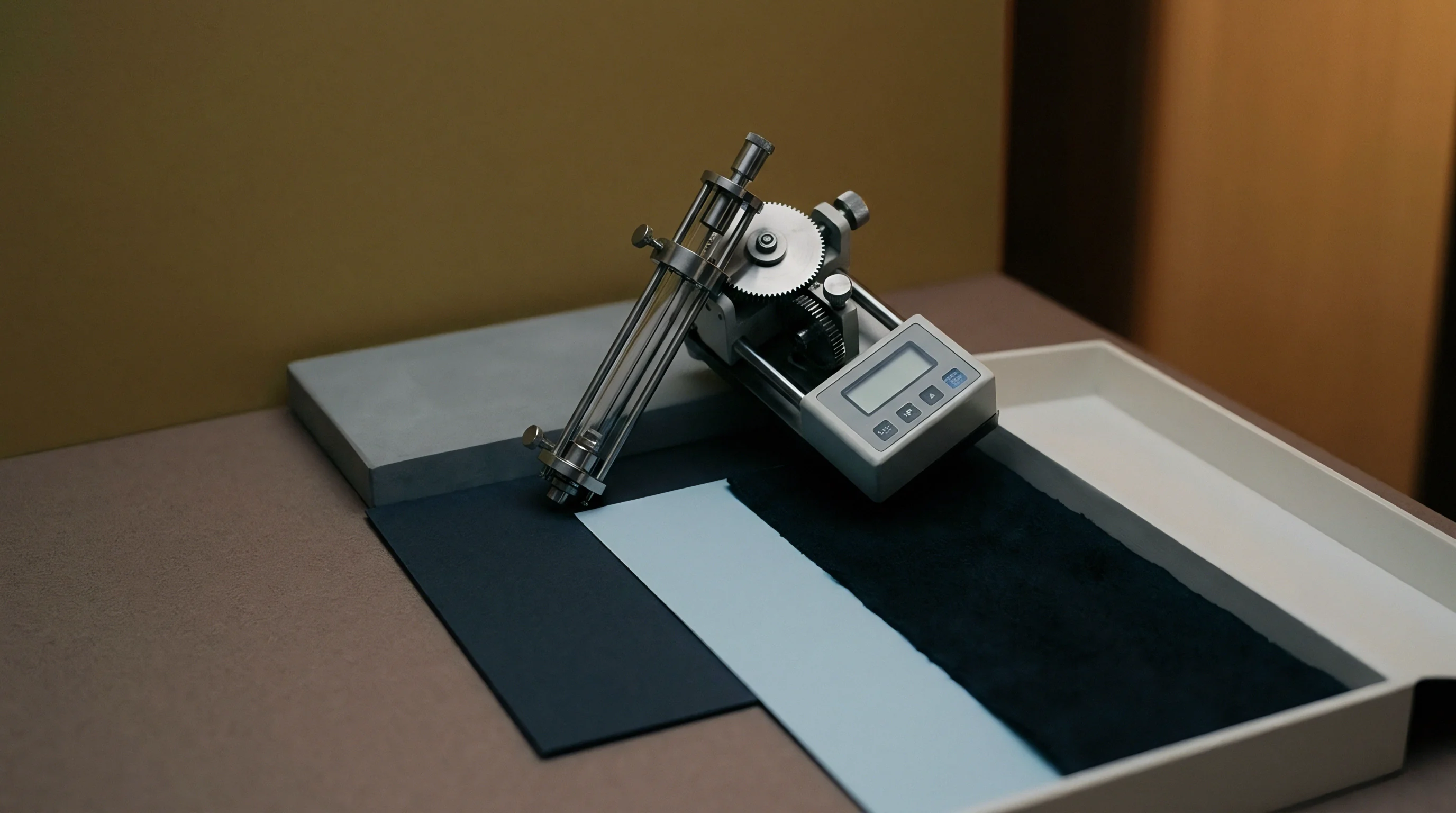
High-speed packaging lines crease and fold coated recycled paperboard at rates exceeding seven hundred cartons per minute. Mechanical scoring tools compress the board along creasing lines to create internal structural damage before folding. This controlled pre-damaged hinge prevents external liner cracking during 180-degree panel folding.
Dynamic delamination resistance determines whether the internal plies shear cleanly within the score line or propagate uncontrolled splits into the main carton panels.
Male scoring rule penetration forces middle recycled plies into female die channels under extreme strain rates. The board undergoes simultaneous localized shear, Z-direction compression, and machine-direction tension. Board caliper expands instantly upon exiting the scoring tool, inducing internal rebound stress.
Inadequate internal bond strength causes the sheet to delaminate outside the score groove, destroying carton squareness and fold precision.
Converting Line Impact Forces
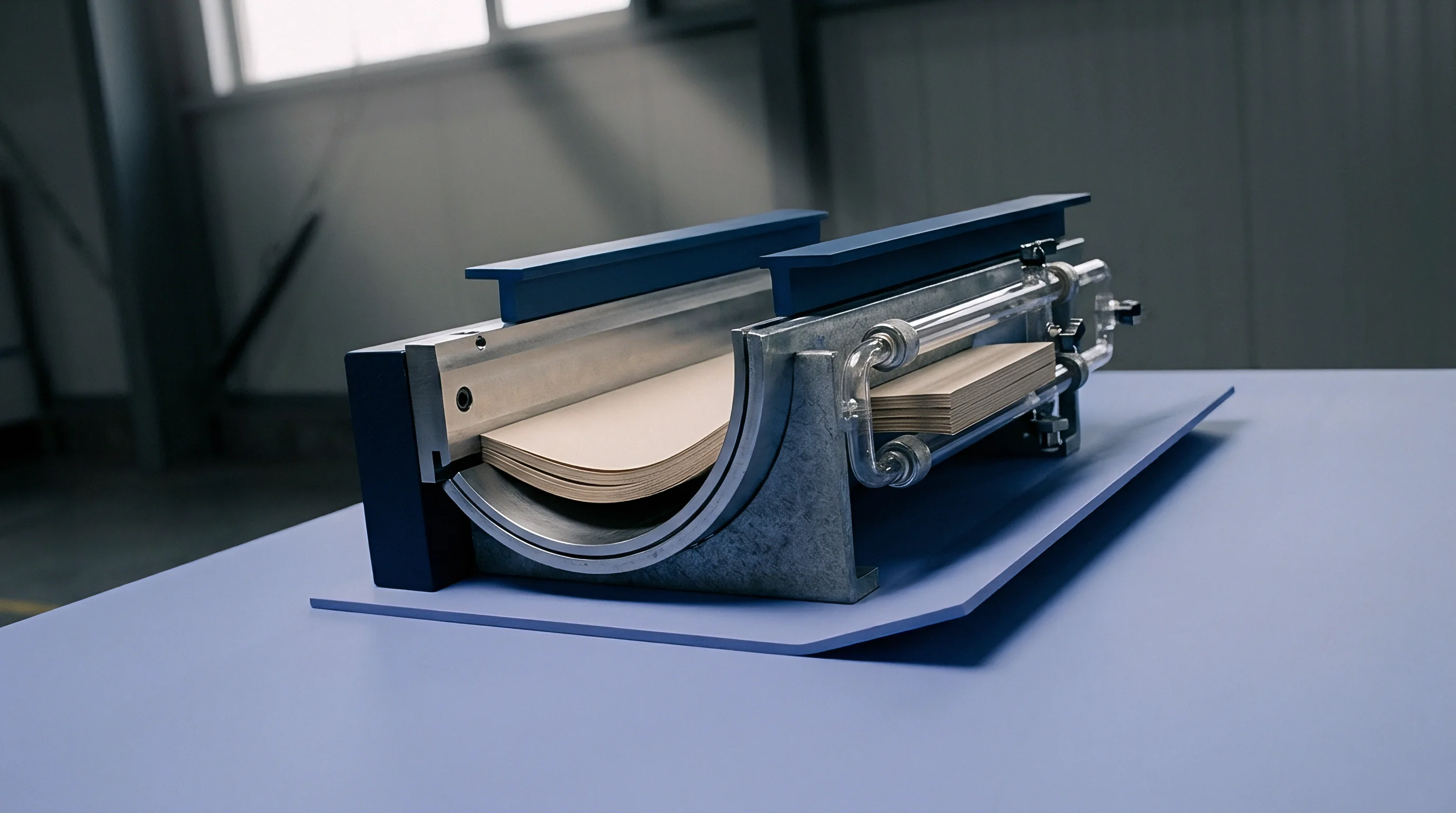
Female die grooves create double-bending hinges across scoring lines under extreme local deformation rates. Correct creasing establishes parallel internal delamination planes that allow plies to slide over one another during folding without bursting the outer coated liner. When high strain rate resistance is insufficient, shear cracks shoot outward into surrounding uncreased board, causing side-wall bowing and panel delamination.
High strain rates kill.
Board caliper expands.
Crease stiffness drops.
Recycled board stocks containing mixed recovered paper exhibit variable stiffness across machine and cross directions. Cross-direction creases demand higher mechanical energy to shear fiber networks, elevating the strain rate experienced by inter-ply starch layers during male rule penetration.
Worked Calculation of Folder Gluer Shear Resistance
Consider a box plant running a 450 grams per square meter coated recycled board through a folder-gluer at 12 meters per second. The folding belt contacts a 90-degree side flap over an engagement length of 15 millimeters. The time window for complete flap deflection calculates directly from line velocity and contact length.
Flap bending time equals 0.015 meters divided by 12 meters per second, yielding 1.25 milliseconds. The angular deformation rate reaches 1.22 radians per millisecond. For a sheet thickness of 0.60 millimeters, the transverse shear strain rate within the middle ply layer calculates as follows:
- Calculate neutral axis displacement during 90-degree fold geometry.
- Determine differential ply slip distance across internal fiber boundaries.
- Divide slip displacement by total contact duration of 1.25 milliseconds.
- Calculate transverse shear rate, yielding 820 reciprocal seconds.
Thicker board plies require higher wet-end starch retention to maintain inter-ply cohesion under sudden mechanical creasing.
Insufficient wet-end starch migration across recycled middle plies causes scores to burst along folder-gluer belts whenever converting line speeds exceed 500 cartons per minute.


Yield
Substrate specification choices determine both total board tonnage purchasing costs and downstream converting scrap rates. Coated recycled board grades cost significantly less per metric ton than virgin solid bleached sulfate board. Choosing lower-cost recycled furnish increases risk on fast packaging lines if internal bond performance drops under dynamic shock loading.
Sourcing practices evaluate total landed cost by weighing substrate yield gains against machine downtime and carton rejection penalties.
Starch additions raise chemical costs during paper manufacturing but safeguard sheet integrity during converting. Chemical additions of cationic starch at levels between 1.5 and 2.5 percent by weight increase raw material costs by 18 to 30 US dollars per metric ton of manufactured board. Preventing high strain rate delamination during high-speed cartoning recovers this chemical expenditure by avoiding operational line halts.

Starch Retention Economics
Adding enzyme-converted corn starch to recycled ply slurry increases raw material costs while preventing carton box splitting. Mill wet-end retention chemistry controls how much applied starch adheres to fiber surfaces versus losing starch to process water circuits. Poor retention increases biological oxygen demand in effluent treatment systems while leaving inter-ply boundaries weak.
Box failures cost.
Pulp yields fluctuate.
Pallets accumulate scrap.
Optimized starch retention systems elevate Scott Bond values from 120 Joules per square meter to over 180 Joules per square meter under high strain rate testing, ensuring smooth performance on cartoning machinery.
Waste Factor Calculations across Recycled Furnish Grades
A comparative financial evaluation reveals how higher initial sheet cost reduces line downtime penalties. Assume a packaging run requiring 100 metric tons of board delivered to a high-speed pharmaceutical cartoning facility operating at 400 packs per minute.
| Grade Specification | Tonnage Cost (USD) | Delamination Scrap Rate | Converting Downtime Cost | Net Landed Cost per 100k Packs |
|---|---|---|---|---|
| 100% Recycled Standard (Low Starch) | $920 / ton | 4.2 % | $12,600 | $3,840 |
| 100% Recycled Reinforced (High Starch) | $965 / ton | 0.6 % | $1,800 | $3,410 |
| Virgin Back / Recycled Core Hybrid | $1,180 / ton | 0.2 % | $600 | $4,020 |
To verify delivered pallet quality and prevent inter-ply split failures during manufacturing runs, goods-in inspection specifications must mandate clear mill quality control verification documentation:
- Batch Traceability Records listing mill reel numbers, machine position, and precise manufacturing timestamps.
- Dynamic Internal Bond Reports providing TAPPI T 569 test values with attached test velocity and temperature data.
- Ash Content Certificates verifying mineral filler percentages within middle recycled plies stay below specified caps.
- Moisture Content Verification confirming cross-web moisture levels remain within the 6.5 to 7.5 percent operating window.
Recycled packaging boards with high ash contents lose inter-ply strength rapidly as loading speed increases.
What mill-side wet-end process adjustments reliably stabilize dynamic inter-ply bond strength when secondary fiber supplies suffer sudden spikes in hornified short fibers and ash levels?