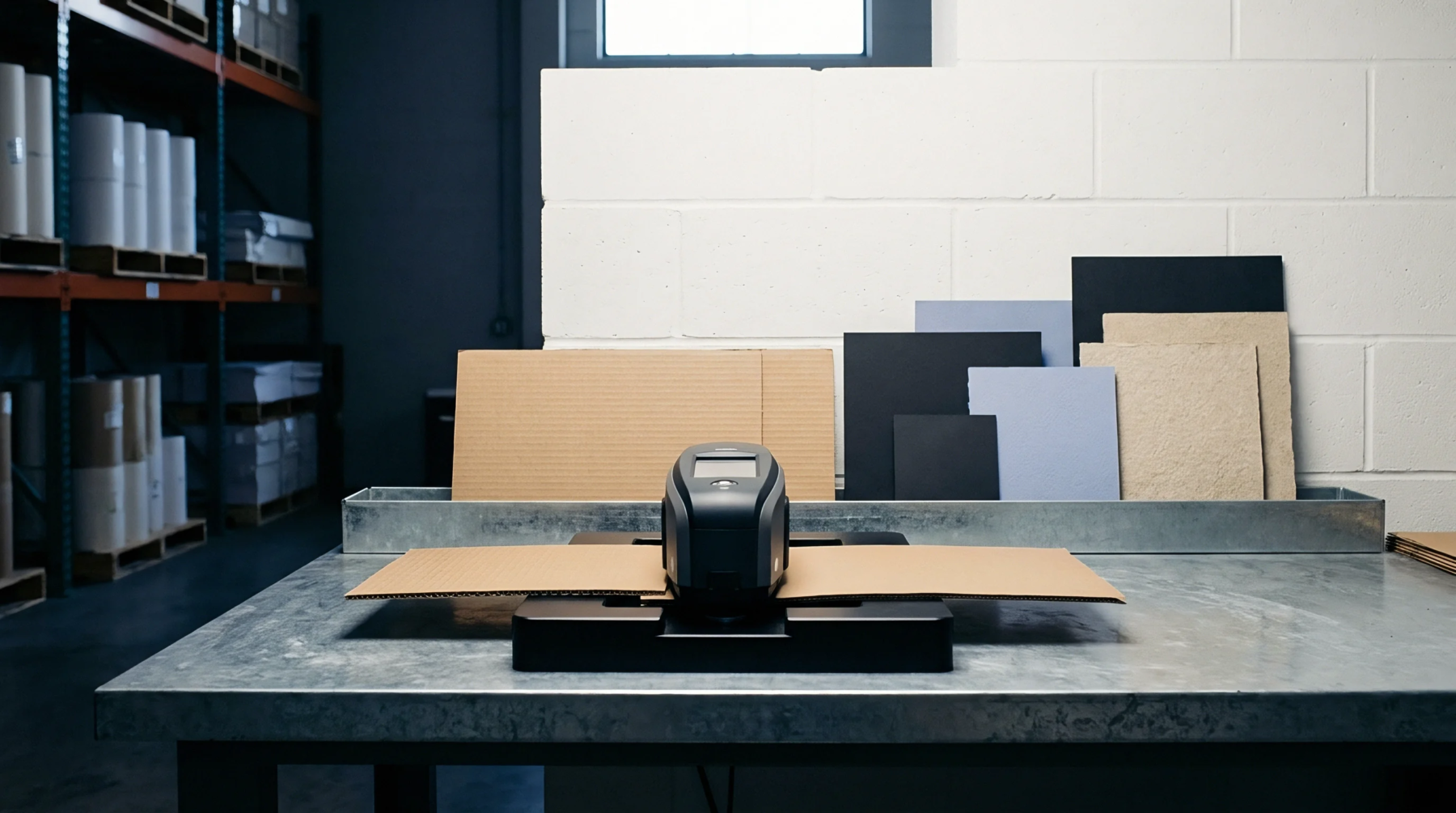
Laminated Construction
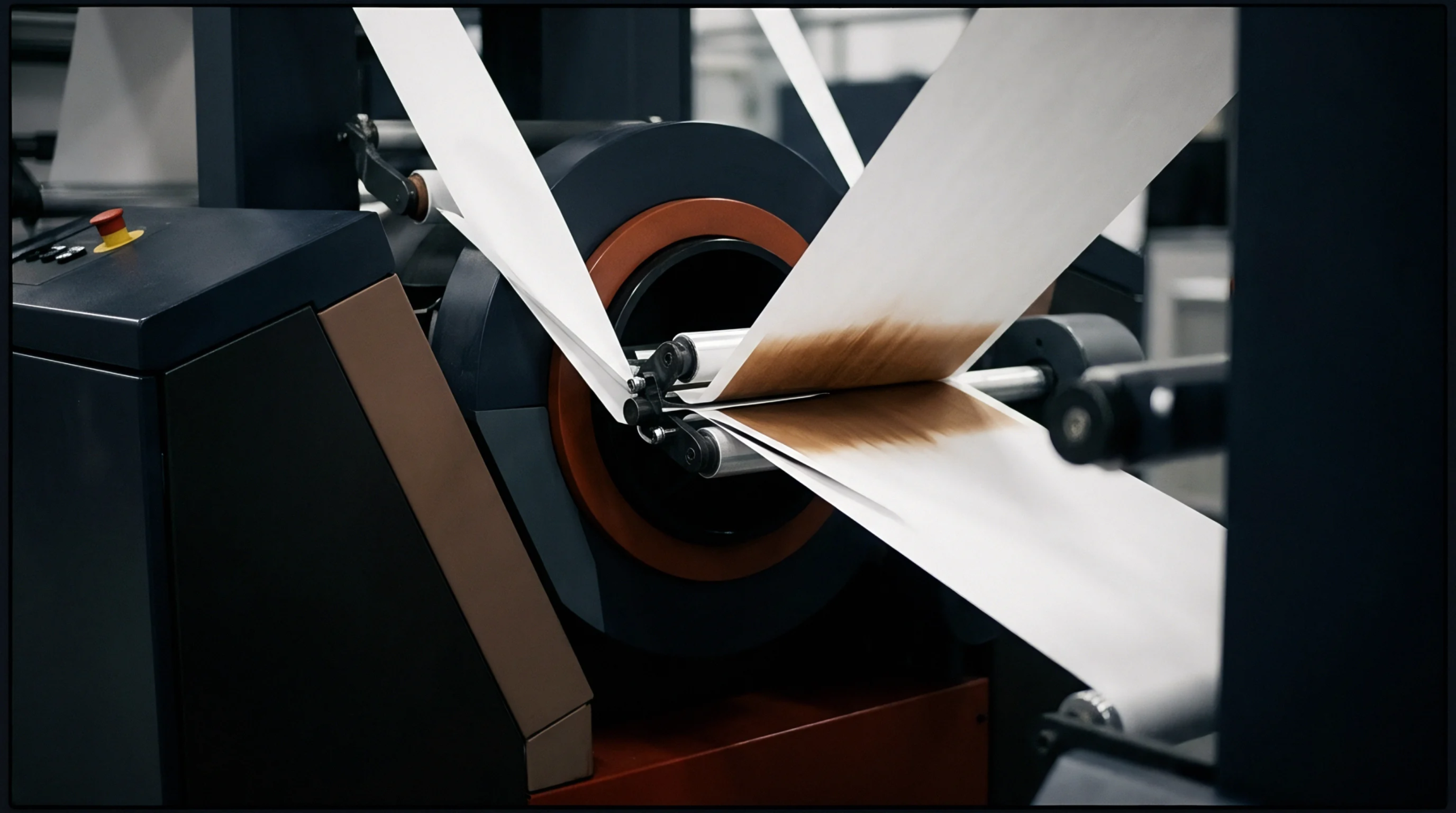
Specialized machinery builds a thick substrate by combining several thin layers of fiber into a single structure. A multi-ply board offers the unique ability to place different grades of pulp in specific positions to maximize strength and appearance. Usually, high quality bleached fibers are used for the outer layer while cheaper recycled material occupies the bulk of the interior core.
Function Distribution
Strength requirements for folding and compression are met by varying the thickness and fiber type of each section. Producing multi-ply board involves dedicated headboxes for each layer, allowing for precise control of the finish on both sides. This arrangement provides an excellent canvas for high quality printing on the top face while maintaining high stiffness from the internal layers.
The bond between these zones is maintained by interweaving fibers at the interface before the sheet enters the press section.
Performance Limit
Delamination remains the primary risk when the bonding between plies is insufficient to handle the stresses of offset printing. A multi-ply board requires careful monitoring of the moisture content in each layer to ensure they shrink at similar rates during the drying process. Inconsistent fiber distribution across the different plies can cause unpredictable curl patterns.
Regular internal bond tests ensure the layers remain fused during the entire life cycle of the product.