Thermal Duration
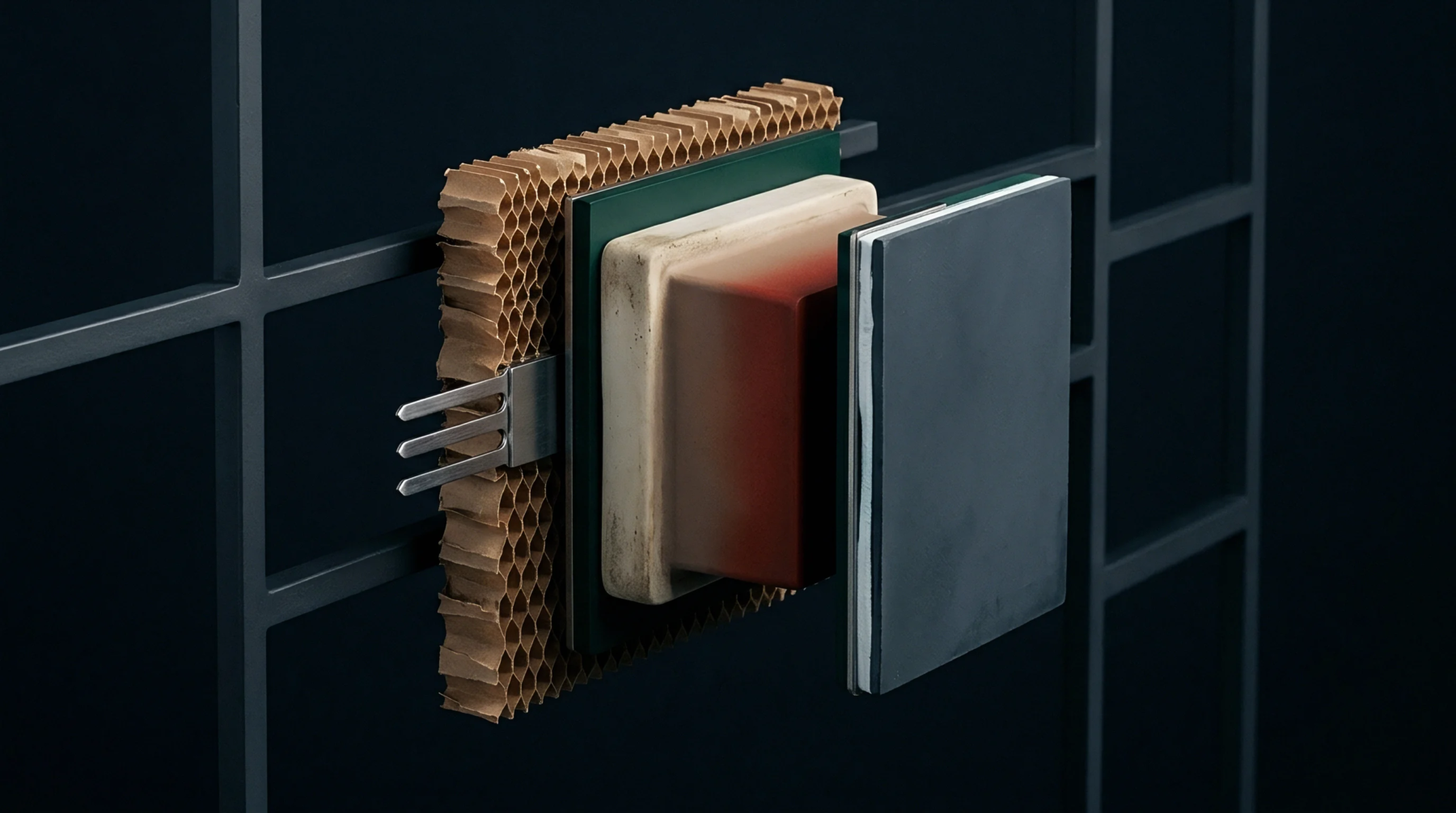
Press platens apply heat to paperboard substrates during foil stamping and embossing operations to transfer metallic or pigment layers from a carrier film to the substrate surface, and dwell time measures the exact duration the heated die remains in stationary contact with the stock under pressure. Precise control of this heating interval prevents adhesive degradation on the foil backing while ensuring complete pigment release across deep embossing contours. Production lines must balance thermal transfer efficiency against potential scorching risks on sensitive cellulose fibers.
Pressure Window
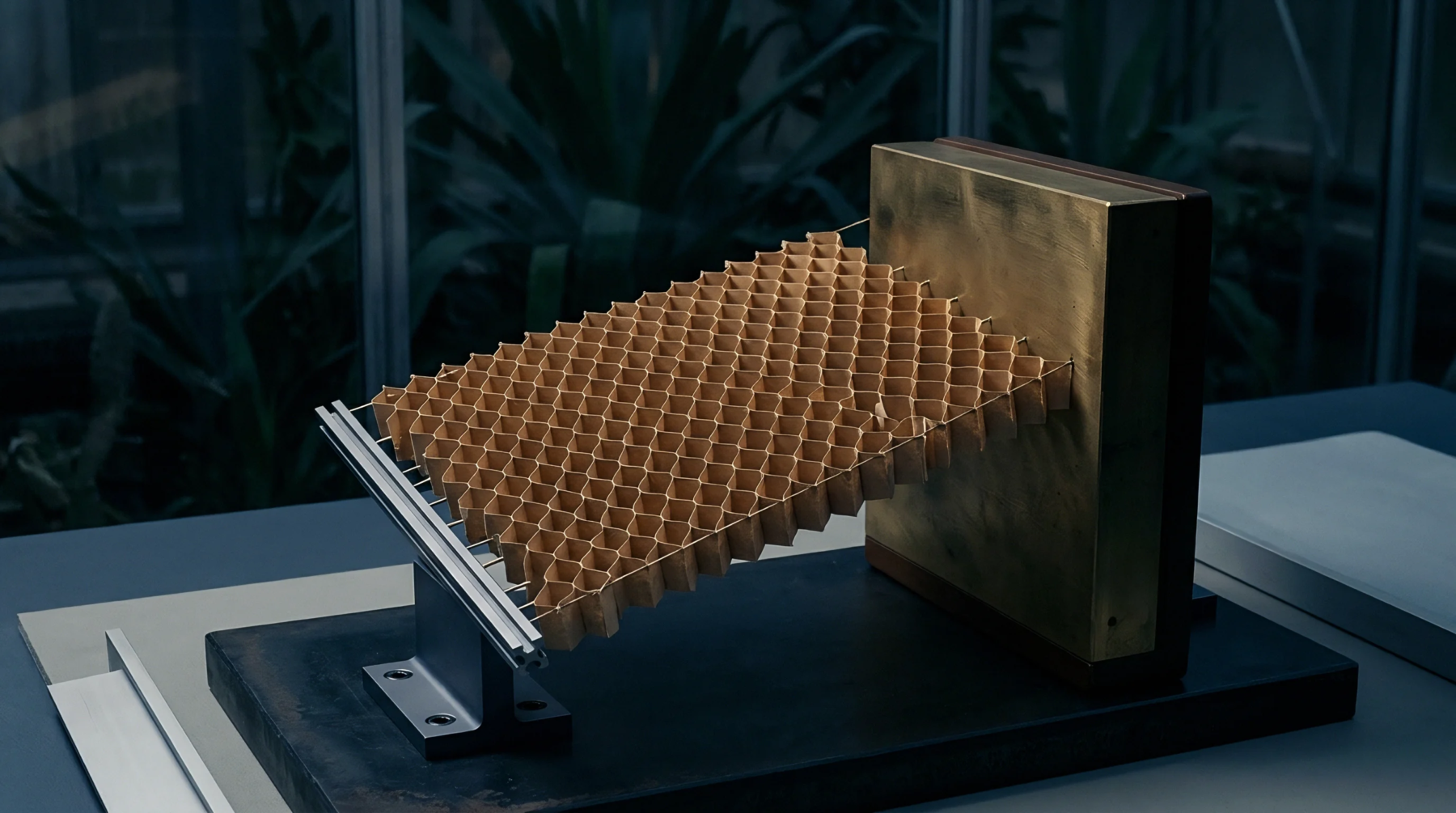
Mechanical actuators govern the descent and retraction phases of the stamping press, dictating how rapidly the substrate experiences peak compressive force. Hydraulic systems maintain consistent tonnage throughout the contact interval to compensate for minor caliper variations in corrugated or folding box board. Substrate density dictates the acceptable compression limit because excessive force collapses internal fluting structures and ruins the packaging geometry.
Adhesive Curing
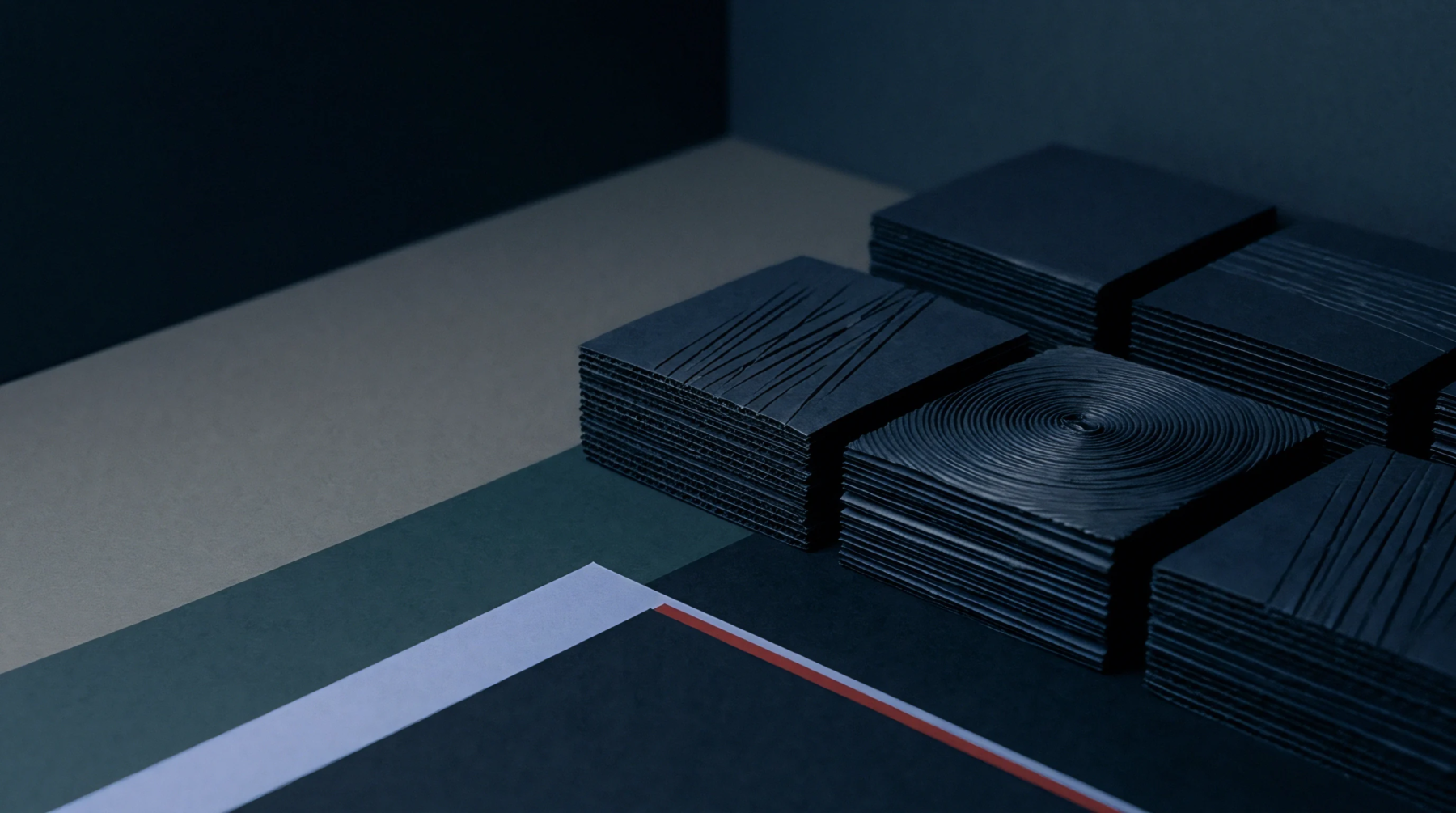
Temperature gradients within the substrate dictate the speed at which thermosetting primers bond the transfer medium to the fibrous surface layers. Chemical cross-linking reactions depend entirely on sustained thermal energy during the stationary contact phase to achieve rub-resistant finishes on luxury carton stock. Production parameters adjust automatically for varying machine speeds to maintain uniform cure rates across every processed sheet.