Z-Direction Hygrothermal Delamination Thresholds under High Temperature Foil Stamping Nips
Hytherthermal delamination occurs when rapid nip decompression flashes internal board moisture into steam that exceeds the substrate Scott bond strength.
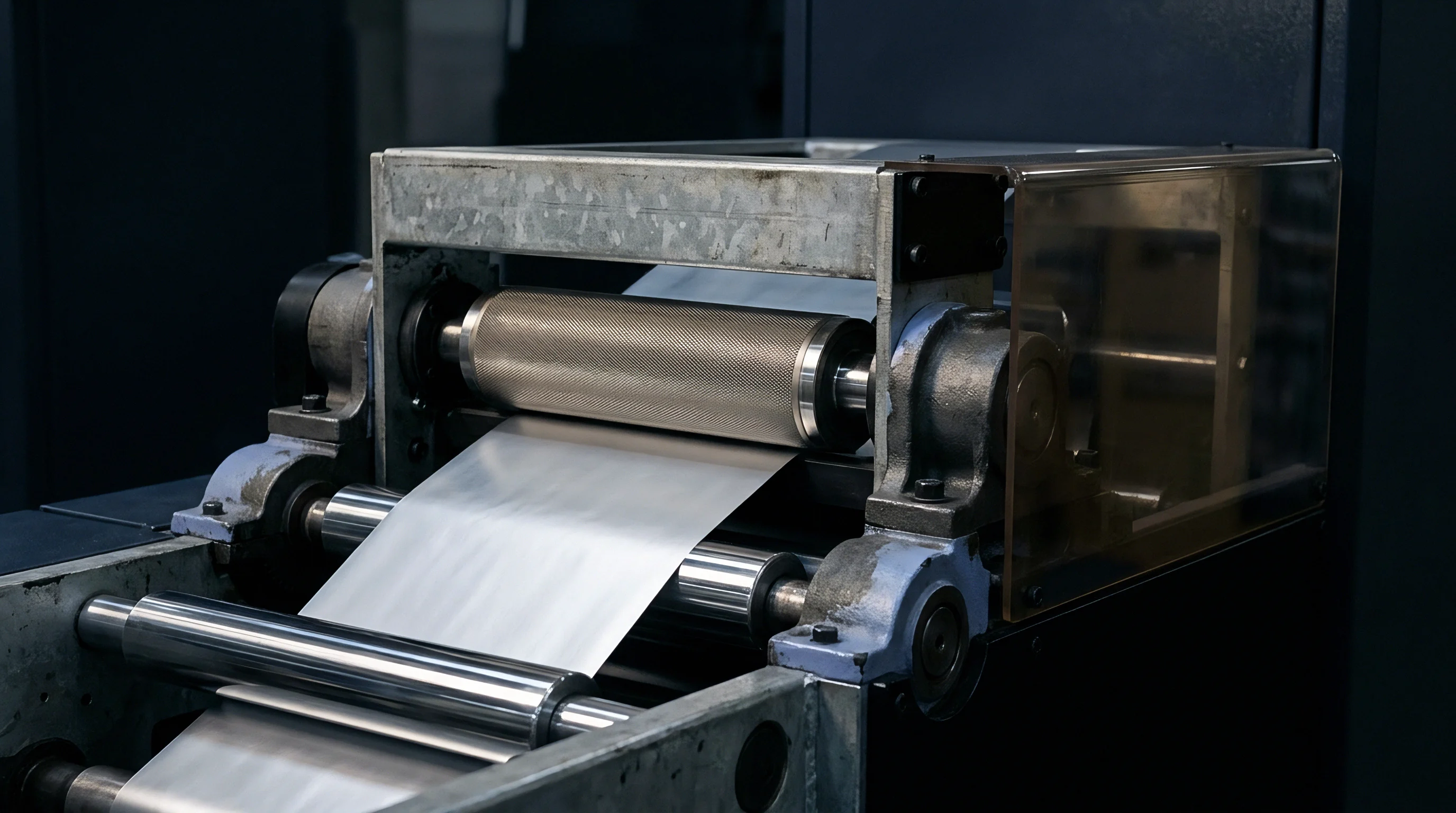

Steam
Paperboard contains between six and nine percent equilibrium moisture by weight under standard converting hall conditions of twenty-three degrees Celsius and fifty percent relative humidity. Thermal conduction across the stamping nip raises the internal sheet temperature past the atmospheric boiling point within twelve to forty milliseconds of platen closure. Water trapped within the cellulosic matrix undergoes a rapid phase transition.
Saturated vapor pressure inside the fiber network climbs above six hundred kilopascals when platen temperatures reach one hundred and sixty degrees Celsius. Mechanical clamping pressure temporarily restrains this expanding gas while the die holds the sheet against the make-ready bed. The physical crisis occurs during nip decompression.
Internal ply rupture follows immediately.
Decompression drops the external mechanical restraint to zero in less than five milliseconds on high-speed flatbed presses. Vapor accumulated within the core plies expands along the path of least resistance. Surface coatings containing styrene-butadiene latex and calcium carbonate create a dense barrier that impedes outward gas diffusion.
The polyester carrier film and hot melt sizing of the stamping foil seal the exterior surface against venting. Entrapped steam seeks relief laterally and vertically through the z-direction of the board. Delamination occurs when the local transient steam expansion pressure exceeds the internal z-directional cohesive strength of the fibrous web.
Blistering under solid foil areas indicates that the core has sheared apart internally.
| Substrate Classification | Caliper (Microns) | Scott Bond (J/m2) | Platen Temp (Celsius) | Dwell Time (Milliseconds) | Nip Pressure (MPa) | Delamination Risk Level |
|---|---|---|---|---|---|---|
| Solid Bleached Sulfate | 350 | 195 | 145 | 45 | 28 | Negligible |
| Solid Bleached Sulfate | 450 | 170 | 175 | 85 | 35 | Elevated |
| Folding Boxboard | 380 | 140 | 150 | 40 | 22 | Moderate |
| Folding Boxboard | 500 | 115 | 165 | 70 | 30 | High |
| White Lined Chipboard | 400 | 95 | 140 | 50 | 25 | High |
| White Lined Chipboard | 550 | 80 | 160 | 65 | 32 | Severe |
Pore volume collapses during nip closure. Transient hydraulic pressure spikes within microscopic water capillaries held inside the fiber lumens. When the platen lifts, the sudden pressure drop produces an explosive flash evaporation identical to thermodynamic blowdown in pressure vessels.
The mechanical integrity of the packaging carton fails permanently, producing loose foil blisters, micro-creasing along graphic borders, and sheet separation that jams downstream folder-gluers.
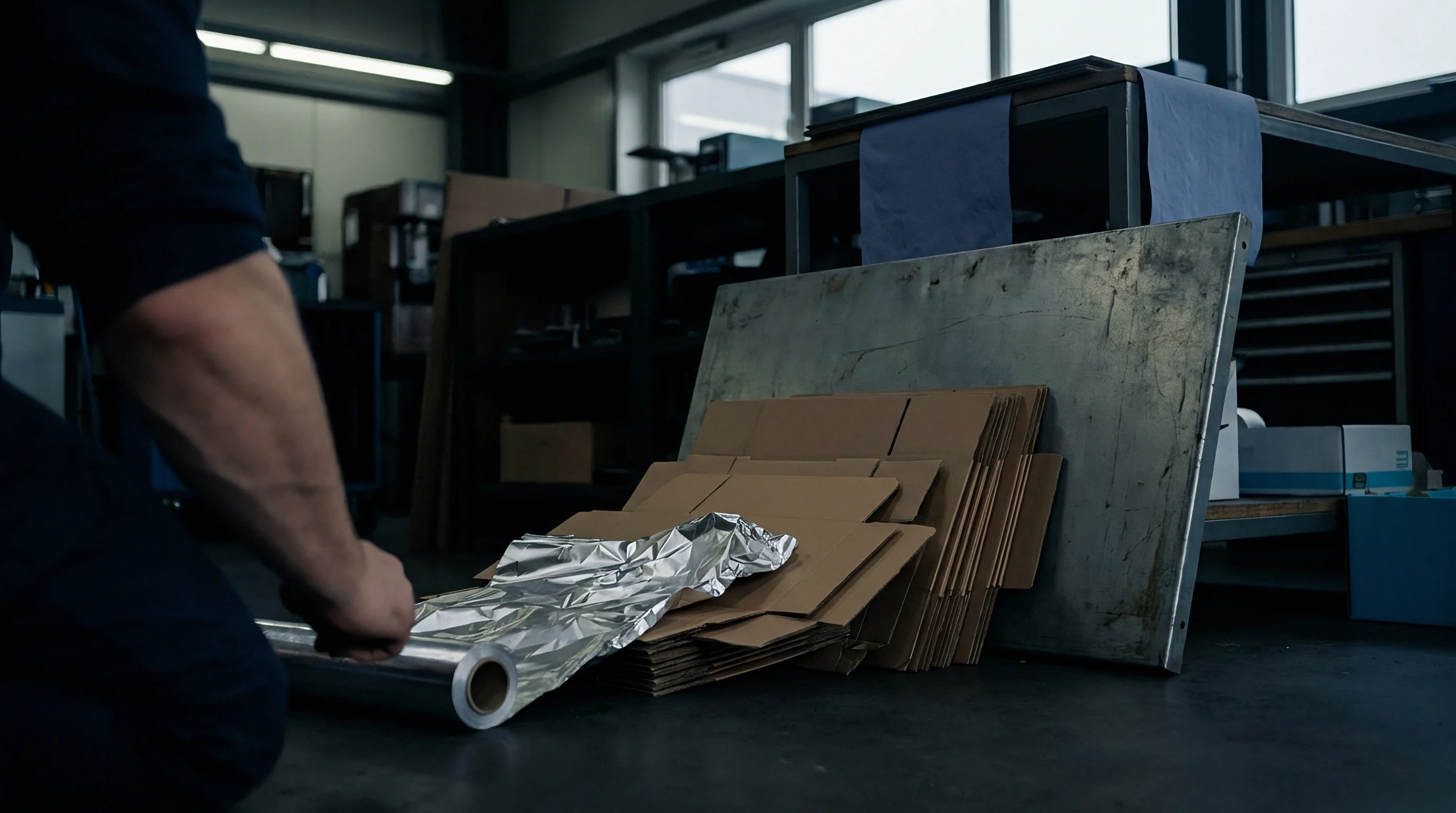
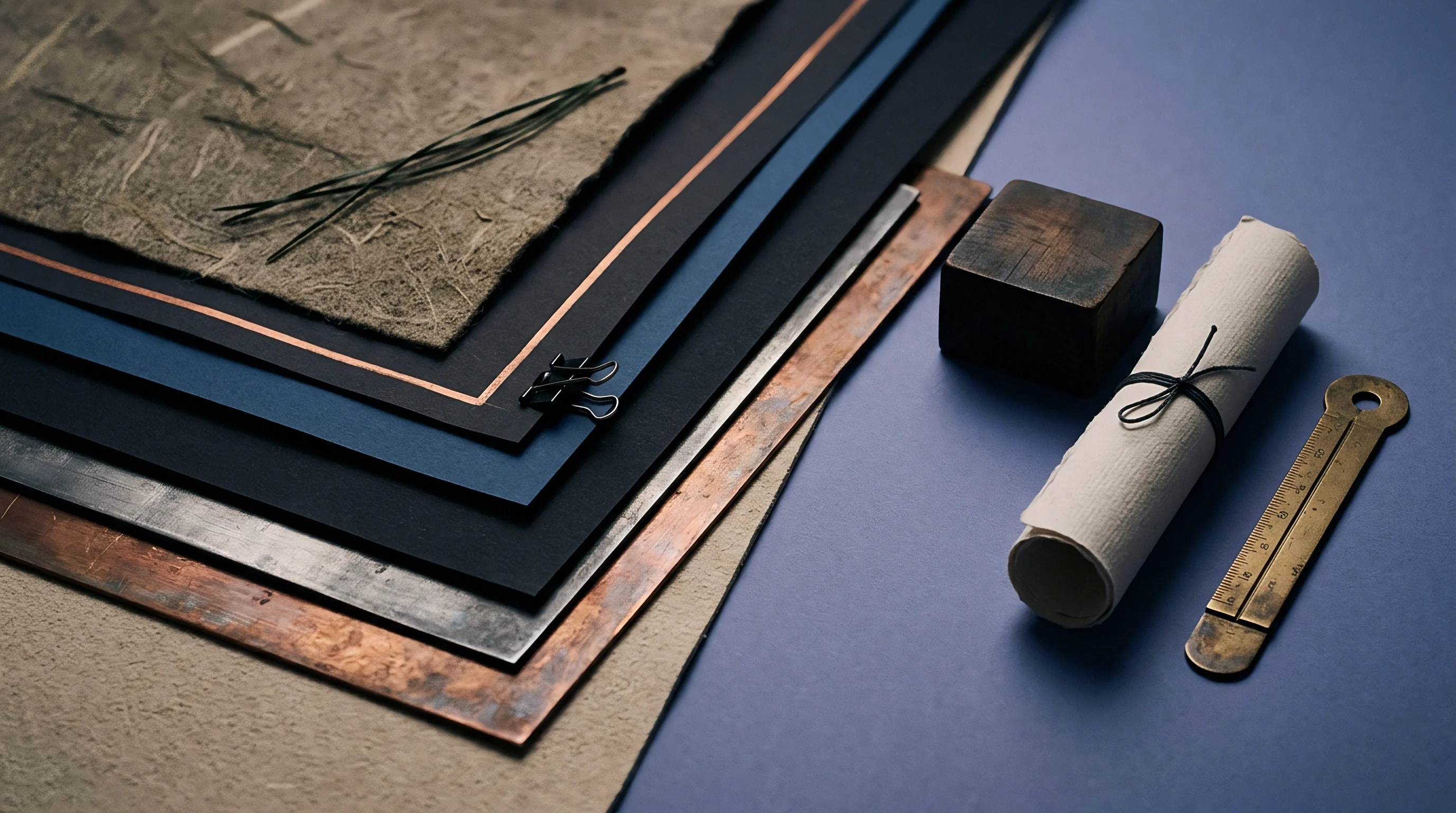
Gradient
Transient thermal conduction through paperboard follows Fourier laws modified by the porous, anisotropic nature of compacted cellulose fibers. Heat transfers along z-axis fiber contacts. Conduction rates depend heavily on density and moisture content, because liquid water possesses a thermal conductivity roughly three times higher than dry cellulose and twenty times higher than entrapped pore air.
A heated stamping platen operating at one hundred and sixty degrees Celsius creates an instantaneous temperature drop across the sheet thickness. Surface plies reach platen temperature within fifteen milliseconds, whereas the mid-plane of a four-hundred-micron board lags considerably. This steep internal thermal profile produces an equally severe differential in localized saturation vapor pressure.
Platen temperatures exceeding one hundred and fifty-five degrees Celsius generate internal steam pressures above five hundred kilopascals inside paperboard conditioning above seven percent moisture content.
Moisture flashes instantly into vapor. Liquid water located in the warm upper layers vaporizes and drives deeper into the cooler central plies along the thermal gradient. This phenomenon, known as thermal moisture migration or the heat-pipe effect, concentrates moisture in the middle of the caliper where cohesive strength is naturally lowest.
The internal sheet center becomes saturated with migrated moisture while simultaneously heating toward vaporization temperatures.
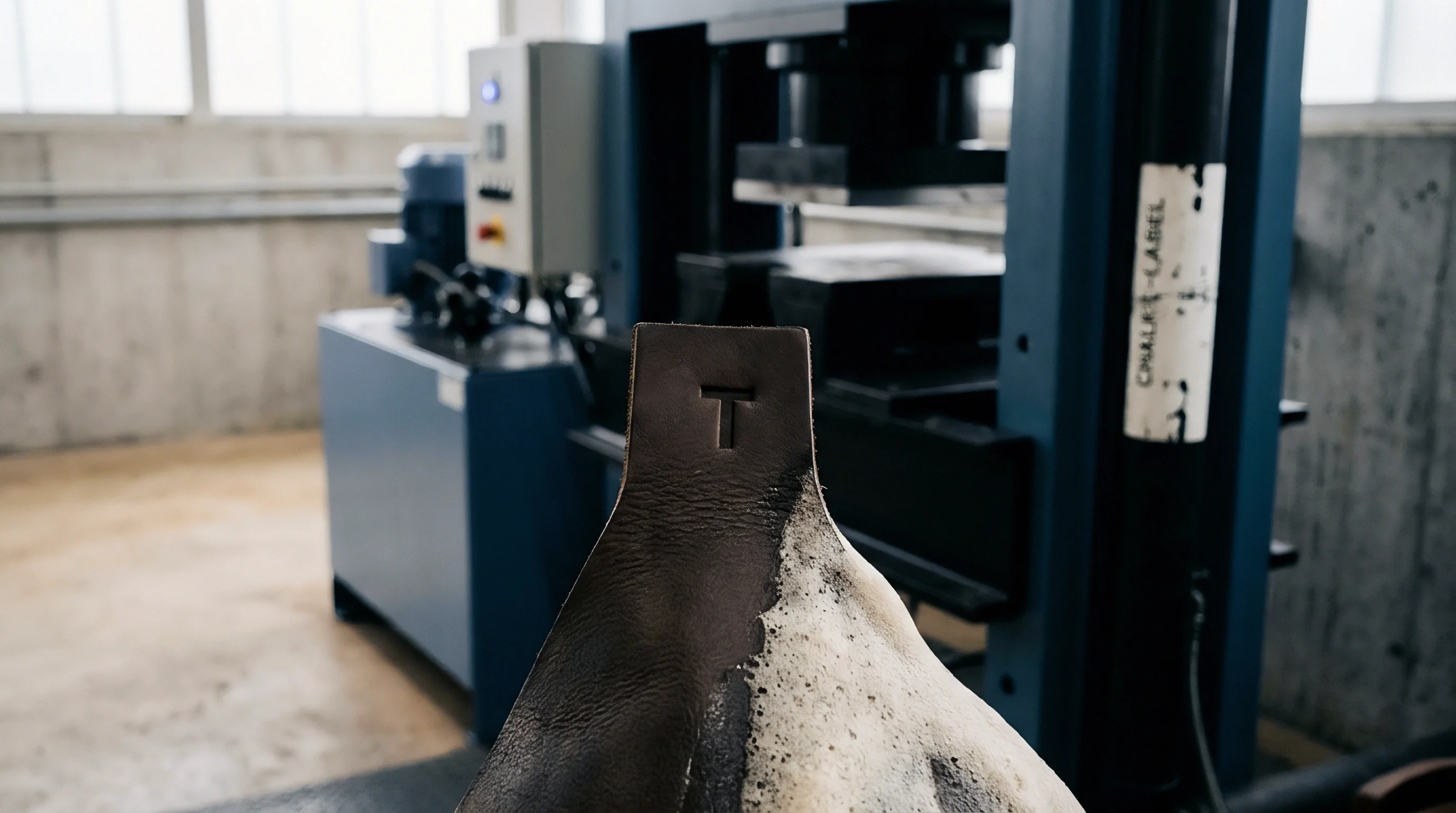
Will Flashed Moisture Overcome Fiber Network Restraint?
Cohesive resistance inside paperboard originates from hydrogen bonding between intersecting cellulose microfibrils and the inter-ply starch adhesive applied during multi-ply forming. Saturated steam softens these hydrogen bonds by increasing fiber flexibility and disrupting chemical cross-links. High temperature lowers the glass transition point of wet hemicellulose and lignin to below eighty degrees Celsius.
The fiber matrix loses its mechanical shear modulus at the exact moment internal gas pressure peaks. The physical failure manifests through distinct morphological modes across the carton wall:
- Inter-Ply Cleavage occurs along the interface between the top bleached chemical pulp liner and the mechanical or recycled filler plies, driven by localized shear stresses where stiffness changes abruptly between board layers.
- Intra-Ply Fiber Tear develops entirely within the middle ply when groundwood or secondary fiber bundles pull apart under isotropic vapor expansion during die withdrawal.
- Coating Pick Delamination shears the mineral pigment layer away from the cellulose base, leaving foil bonded to loose latex-kaolin fragments while the core fibers remain unbroken.
- Blister Rupture Voids form circular internal pockets beneath expansive solid foil stampings where steam accumulation lifts the upper ply into a permanent dome.
High nip pressure compresses the sheet, reducing internal pore volume and air permeability. This mechanical densification pinches shut the natural lateral escape channels through which expanding air and vapor might escape. Slower line speeds prolong platen contact, deepening the heat penetration and magnifying total steam volume.
Faster line speeds restrict heat penetration to the top seventy microns of the board, protecting the core from hygrothermal stress while demanding higher die face temperatures to melt the foil sizing. The interaction between heat penetration depth, moisture redistribution, and rapid mechanical unloading remains an open engineering question in high-speed rotary tooling designs.

Platen
Tooling metallurgy governs the thermal transmission rate into the paperboard surface. Brass dies deliver consistent heat transfer due to a thermal conductivity near one hundred and twenty watts per meter-kelvin. Magnesium dies exhibit lower thermal capacity and degrade faster under repetitive mechanical shock.
Copper alloys provide superior heat replenishment during continuous runs exceeding five thousand impressions per hour. Brass dies hold thermal stability. When solid stamping images exceed twenty square centimeters, the center of the die face suffers temperature drop unless heated zones incorporate targeted thermal cartridges.
Make-ready materials placed beneath the counter-die also govern the nip dynamics.
The machine platen must never release clamping pressure faster than internal sheet vapor can dissipate through the unfoiled boundaries of the sheet.
Counter-die backing hardness dictates the distribution of peak hydraulic pressure. Vulcanized fiber, resin-bonded glass cloth, and hardened steel backings concentrate tonnage along the perimeter of the die impression. Hardness determines effective contact dwell.
Softer counter materials, including polyurethane plates and paper make-ready sheets, spread the mechanical force over a wider nip area, softening the decompression rate. Tooling engineers manage thermal transfer and decompression shock through a standardized make-ready procedure:
- Mount the photo-engraved brass die using thermally stable structural bimetal fasteners rated to two hundred degrees Celsius.
- Level the heated bed using carbon paper drawdowns to confirm uniform mechanical nip contact across every quadrant of the platen.
- Set the base operating temperature ten degrees below the adhesive activation ceiling specified on the foil technical datasheet.
- Adjust the toggle mechanism to deliver twenty-five megapascals of nip pressure against an eighty-shore-D polyurethane counterforce.
- Ramp machine speed sequentially from one thousand to five thousand impressions per hour while checking sheet edges for blister formations.
- Machine microscopic pressure-relief channels into non-image sections of the die to vent lateral vapor when stamping expansive solid foils.
Magnesium dies distribute heat unevenly. Tooling suppliers frequently tell converters that blisters stem from excessive foil release tension rather than trapped steam expansion under solid platen faces.
Furnish
Fiber selection inside the paper mill dictates the baseline z-directional strength of the substrate. Solid Bleached Sulfate boards manufactured from virgin chemical kraft pulp deliver the highest internal cohesion. Long softwood fibers generate dense networks of hydrogen bonds that resist hygrothermal rupture up to two hundred kilopascals of internal pressure.
Hardwood fibers provide smooth surface formation and optical density. Folding Boxboard incorporates a triple-layer structure with chemical pulp skins sandwiching a thick core of thermo-mechanical pulp or stone groundwood. These mechanical pulps retain high bulk and stiffness at lower cost, but possess fewer functional bonding sites per unit volume.
Mechanical pulp plies compress under pressure.
| Furnish Blend Description | Tensile Z-Strength (TAPPI T 541, kPa) | Internal Bond (TAPPI T 569, J/m2) | Air Permeance (Bendtsen, ml/min) | Maximum Safe Die Temp (Celsius) | Maximum Moisture Content (Percent) |
|---|---|---|---|---|---|
| Bleached Softwood/Hardwood Kraft | 460 | 210 | 120 | 175 | 8.5 |
| Bleached Chemi-Thermomechanical Core | 310 | 145 | 380 | 155 | 7.2 |
| Unbleached Softwood Kraft Core | 410 | 185 | 160 | 170 | 8.0 |
| Recycled Newsprint and Mixed Waste | 220 | 85 | 550 | 135 | 6.5 |
| De-Inked Pulp with Groundwood Filler | 260 | 110 | 420 | 140 | 6.8 |
Recycled fibers carry shorter bond lengths. Secondary fibers used in White Lined Chipboard have undergone multiple drying cycles, causing irreversible fiber hornification that reduces wet-swelling capacity and bond surface area. Filler minerals, including ground calcium carbonate and talc, fill void spaces to improve opacity and print smoothness.
High mineral content diminishes fiber-to-fiber bonding. Starch additions at the wet end or size press reinforce the internal ply matrix. Starch migration weakens the core ply.
When internal sizing levels drop below specifications, moisture moves freely through capillaries, accelerating steam generation during hot nip impact.
Standard purchasing contracts enforce mill compliance with ISO 16260 internal bond requirements, assigning total liability for blister-related press downtime to suppliers when delivered board moisture exceeds eight percent.
Packaging buyers verify incoming board shipments against rigorous physical property specifications before authorizing hot stamping production runs:
- Equilibrium Moisture Verification under ISO 187 conditioning guarantees that board moisture content remains between six and seven and a half percent prior to cutting.
- Z-Direction Tensile Validation according to TAPPI T 541 confirms minimum internal cohesion above three hundred kilopascals for solid foil finishing.
- Internal Bond Assessment via TAPPI T 569 ensures Scott bond values exceed one hundred and thirty joules per square meter on mechanical pulp grades.
- Air Permeance Screening under ISO 5636 confirms sufficient porosity to allow gas venting without compromising surface coating smoothness.
Mill delivery specifications include an explicit moisture tolerance band of plus or minus zero point five percent, releasing the converter from liability when wet core plies fail under standard die pressures.

Ledger
Substrate failure under the stamping die carries immediate financial liabilities on the finishing floor. Tooling rework extends production lead times. Running scrap rates climb from a baseline of one point five percent to over twelve percent when hygrothermal blisters ruin solid metallic surfaces.
Press operators frequently compensate for delamination by dialing down platen temperature. Dropping temperature below the hot-melt activation threshold produces incomplete foil release, pinholes, and jagged edge definition. The alternative operational adjustment involves slowing press speed to lengthen cycle times while lowering peak pressure.
Press output drops forty percent.
Consider a production run of two hundred and fifty thousand cosmetic cartons stamped on an automatic sheet-fed platen press. The carton design calls for a large metallic brand crest measuring twelve by eight centimeters. The specification designates a four-hundred-micron Folding Boxboard with an initial purchase price of one thousand two hundred dollars per metric ton.
Make-ready and die setup on brass tooling costs one thousand eight hundred dollars. At an operating speed of five thousand sheets per hour, the finishing pass costs one hundred and ten dollars per press hour. When moisture-induced delamination appears during first-off approval, the plant faces two operational routes.
Route A keeps the existing Folding Boxboard stock. The press operator lowers platen temperature from one hundred and sixty degrees to one hundred and thirty-five degrees to suppress steam generation. Foil release becomes sluggish.
To compensate, the operator reduces press speed from five thousand to two thousand eight hundred impressions per hour and increases mechanical pressure. Running time rises from fifty hours to eighty-nine hours, adding four thousand two hundred and ninety dollars in machine-hour charges. Scrap rates rise from two percent to seven percent due to sporadic pinholing, wasting twelve thousand five hundred cartons and costing one thousand six hundred and fifty dollars in scrapped board stock.
Total commercial penalty for finishing Route A reaches five thousand nine hundred and forty dollars.
Route B upgrades the cartonboard substrate to a Solid Bleached Sulfate with an internal Scott bond of two hundred joules per square meter. Board cost rises by two hundred and twenty dollars per ton, adding one thousand four hundred and eighty-five dollars to the substrate line item across the job. The press runs at its rated speed of five thousand sheets per hour at one hundred and fifty-five degrees Celsius without a single blister defect.
Spoilage holds at one point eight percent. Total running time stays at fifty hours. The net savings achieved by specifying the higher-strength substrate totals four thousand four hundred and fifty-five dollars compared to nursing defective board through the press.
A two-hundred-dollar premium on virgin board furnish saves four times its value in finishing press throughput.
Extended producer responsibility schemes penalize cartons where heavy foil coverage impedes repulping efficiency. Large area stampings that undergo delamination cause severe fiber contamination in mechanical recycling screens because fragmented core plies remain stuck to impermeable polyester waste. Board stiffness and internal bond strength always dictate the practical limits of thermal nip exposure.