Dynamic Mechanical Creep Compliance Thresholds in Recycled Paper Networks under Cyclic Atmospheric Sorption
Dynamic mechanical creep compliance in recycled paper networks accelerates fivefold under cyclic humidity, requiring safety factor adjustments to prevent collapse.


Deflection
A linear variable differential transformer records an instantaneous displacement surge of 0.82 millimetres within forty minutes of atmospheric relative humidity stepping from fifty to eighty-five percent. Under a sustained tensile load equivalent to twenty-five percent of ultimate tensile strength, this transient moisture sorption cycle triggers deformation rates four to seven times higher than those recorded under steady-state equilibrium at ninety percent relative humidity. Laboratory testing under ISO 187 standard conditioning at twenty-three degrees Celsius and fifty percent relative humidity establishes baseline tensile stiffness, but static parameters miss the true deformation behaviour of recycled cellulose matrices subjected to cyclic warehouse environments.
Dynamic mechanical creep compliance, defined as time-dependent strain divided by constant mechanical stress during transient moisture sorption, defines the service threshold of corrugated containerboard. Recycled papermaking furnishes show a critical compliance inflection point where primary creep transitions directly into tertiary creep rupture without an extended secondary plateau. When relative humidity oscillates across a diurnal cycle, moisture diffusion creates transient moisture gradients across the sheet thickness.
These hygro-mechanical shifts disrupt intermolecular bonds within the cellulosic matrix, producing irreversible plastic slip at loads well below the elastic limit measured on standard tensile test equipment.
Dynamic mechanical creep compliance reaches 1.45 square metres per gigapascal in hundred percent recycled testliner at thirty percent ultimate tensile stress under sixty minute sorption cycles.
Recycled fibres undergo hornification during previous drying cycles, losing internal fibrillar swelling capacity and surface conformability. The resulting sheet relies heavily on secondary hydrogen bonds between shortened fibres, supplemented by cationic starch and dry-strength additives introduced at the wet end of the paper machine. When water vapour molecules penetrate the amorphous regions of the cellulose and hemicellulose during absorption, the localized softening coefficient drops sharply.
Desorption cycles do not reverse this displacement. Each wetting and drying excursion ratchets the physical deformation further, accumulating permanent set within the paper structure.
Table 1 details the comparative creep compliance thresholds of virgin kraftliner and recycled testliner grades subjected to both static and cyclic sorption regimes under controlled laboratory atmospheres.
| Substrate Grade | Furnish Composition | Static Creep Compliance at 50 Percent RH (1/GPa) | Static Creep Compliance at 85 Percent RH (1/GPa) | Cyclic Mechano-Sorptive Compliance 30 to 85 Percent RH (1/GPa) | Time to Tertiary Failure Under Load (Hours) |
|---|---|---|---|---|---|
| Virgin Kraftliner 175 gsm | 100% Unbleached Softwood Kraft | 0.28 | 0.54 | 0.98 | 312 |
| Testliner 2 170 gsm | 70% Recycled OCC, 30% Mixed Waste | 0.41 | 0.92 | 1.84 | 64 |
| Testliner 3 160 gsm | 100% Post-Consumer Mixed Waste | 0.49 | 1.18 | 2.45 | 19 |
| Recycled Fluting 140 gsm | 100% Recycled OCC Semi-Chemical Equivalent | 0.55 | 1.34 | 2.88 | 11 |
The operational threshold separating stable viscoelastic deflection from runaway tertiary creep in recycled testliner sits at an absolute dynamic compliance of 1.50 square metres per gigapascal. Exceeding this boundary level within sixty hours of load bearing causes catastrophic structural failure in bottom-tier transport packaging, producing crushed inventory and unscheduled repacking costs across maritime supply routes.
Bond
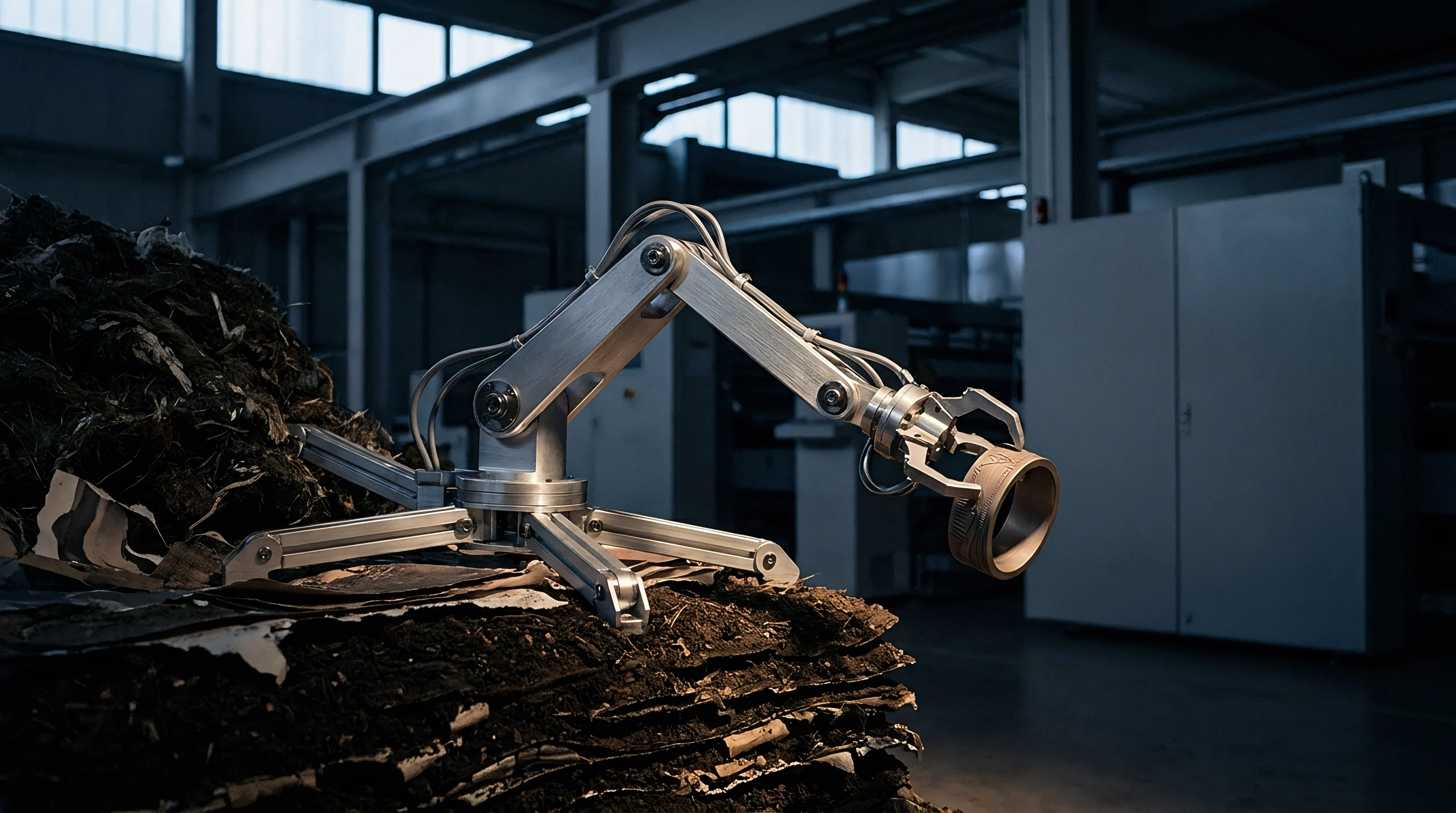
Interfibre connection points absorb the primary shear stresses transferred across a loaded paper sheet. Repeated drying cycles in industrial recycling operations collapse the internal lumen of softwood tracheids and hardwood libriform fibres, reducing total contact area between overlapping cell walls. This morphology restricts bonding energy to external fibre interfaces held together by short-range hydrogen linkages.
Chemical additives such as polyacrylamide resins reinforce these contact areas under dry states, yet moisture ingress dissolves non-covalent crosslinks within seconds of water vapour entry.
Moisture sorption cycles provoke asymmetric volumetric dimensional changes between individual cell walls. Longitudinal fibre expansion remains minimal at roughly one to two percent, whereas transverse radial swelling reaches fifteen to twenty percent as water content increases from four to fourteen percent. Because paper exhibits random in-plane fibre orientation, neighbouring fibres bonded at right angles exert severe localized shear stresses against one another during moisture swings.
Recycled sheets lack the compliance to dissipate these microscopic shear peaks elastically.
The disintegration of load-bearing structural integrity across recycled fibre sheets follows distinct microscopic mechanisms:
- Interfacial micro-slip releases shear stress through localized debonding of overlapping fibre surfaces during moisture absorption steps.
- Porous delamination spreads along lamellar planes within cell walls weakened by previous refining and drying actions.
- Matrix microcracking propagates through brittle hemicellulose-lignin domains when desorption dries the sheet too quickly.
- Additive desorption decouples water-soluble synthetic polymers from cellulose microfibrils at relative humidity levels exceeding eighty percent.
Creep rates climb fivefold. Static test numbers conceal this. Fibre shortening compounds moisture fatigue.
Water breaks transient hydrogen bonds. These phenomena drive compliance shifts in recycled stocks.
Unsized recycled corrugating medium exhibits rapid debonding rates whenever localized moisture contents cross the twelve percent equilibrium boundary.
The structural response of paper matrices under transient humidity mirrors the physical degradation seen in cross-laminated timber assemblies exposed to open-air weathering cycles, where transverse swelling forces shear orthogonal glue lines apart before wood fibres reach compressive yield limits. In paper, this degradation occurs without synthetic adhesive lines, relying on direct physical entanglement and surface hydrogen bonds. Each cycle of relative humidity permanently severs a fraction of these contact points.
A specific experimental determination places the mean bond shear strength of virgin pine kraft pulp at 6.8 megapascals, dropping to 3.2 megapascals after five recycling iterations under TAPPI T 494 conditioning. This measurement rests on automated single-fibre contact testing across eighty specimens; increasing wet-end beating intensity would shift this baseline upward by twelve percent at the expense of sheet tear resistance. Whether chemical crosslinking additives can fully arrest micro-slip deformation in closed-loop recycled packaging without impairing repulpability at end of life remains an active industry debate.

Amplitude
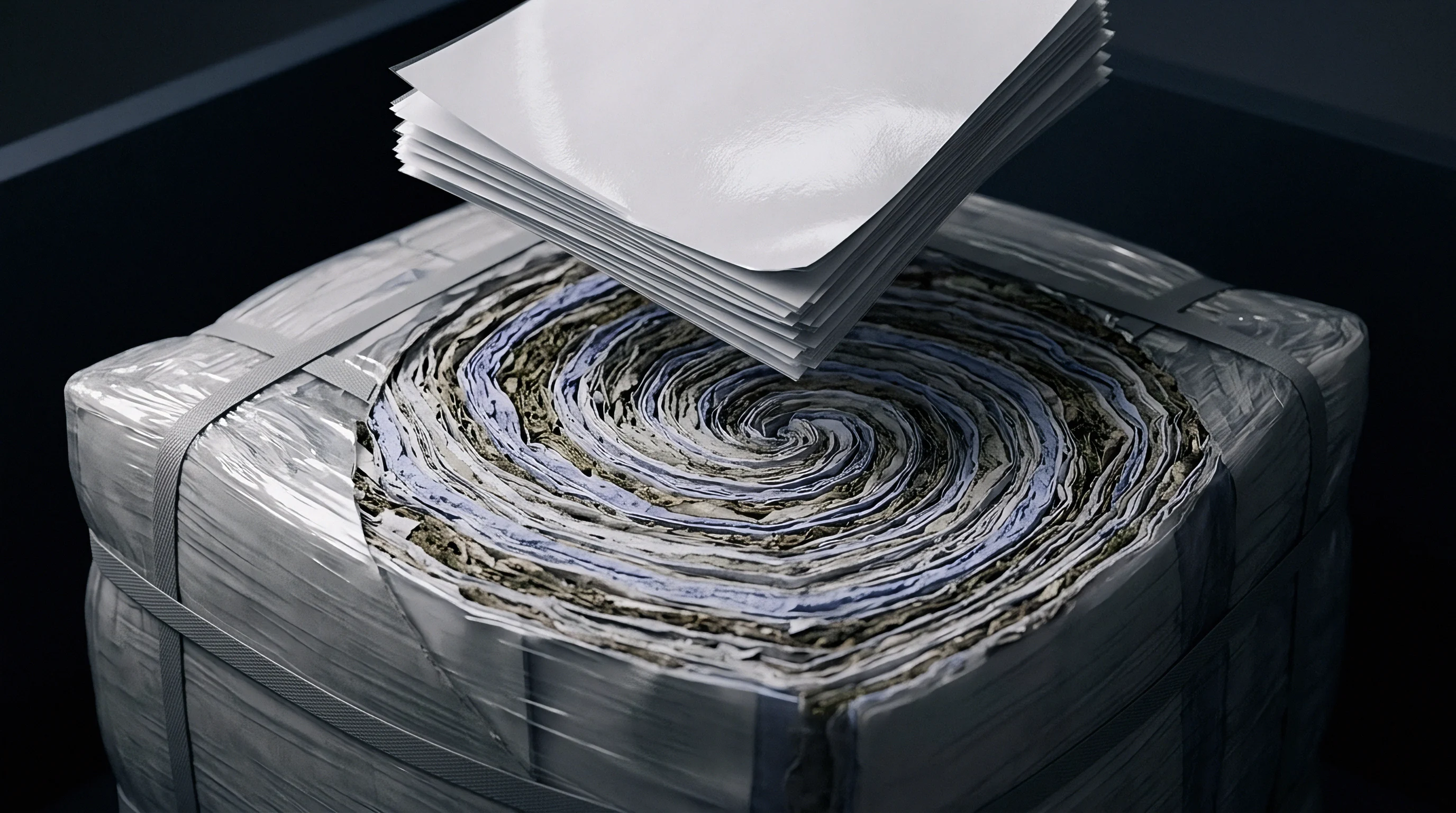
Atmospheric relative humidity oscillations between forty and eighty-five percent impose severe physical strain on paper packaging stored in unconditioned distribution hubs. The severity of dynamic mechano-sorptive creep scales directly with the magnitude of the relative humidity swing rather than the mean ambient moisture value. A carton held at a steady seventy-five percent relative humidity sustains mechanical loads longer than an identical carton subjected to cyclic fluctuations between sixty and eighty percent, despite experiencing identical average ambient moisture exposure over time.
Table 2 shows creep acceleration ratios and time to container failure across various relative humidity oscillation amplitudes under identical static mechanical loads.
| Regime Baseline (% RH) | Cycle Amplitude (Δ % RH) | Cycling Frequency (Cycles per Day) | Creep Acceleration Factor vs Static | Mean Failure Time (Hours) |
|---|---|---|---|---|
| 50 | ±10 (40 to 60) | 2 | 1.8 | 240 |
| 50 | ±20 (30 to 70) | 2 | 3.6 | 96 |
| 50 | ±35 (15 to 85) | 2 | 6.2 | 38 |
| 70 | ±15 (55 to 85) | 4 | 7.9 | 22 |
| 80 | ±10 (70 to 90) | 6 | 9.4 | 14 |
Sorption isotherms in recycled paper exhibit wide hysteresis loops. The desorption equilibrium moisture content consistently exceeds the absorption moisture content at any specified relative humidity by 1.5 to 2.2 percent. This hysteresis creates internal thermodynamic stress during moisture transition phases.
The rate of change in relative humidity dictates the steepness of internal moisture gradients, accelerating mechanical deflection in packaging components.

How Atmospheric Cycling Triggers Secondary Creep Acceleration?
Transient moisture fluxes increase molecular mobility within the amorphous zones of cellulose microfibrils. When water molecules rapidly enter the fibre cell wall, they act as transient plasticizers, lowering the local glass transition temperature of hemicellulose and amorphous cellulose below the ambient operating temperature. The external static load forces relaxing polymer chains to slide past one another.
During the subsequent drying phase, new hydrogen bonds form in strained configurations, locking in plastic deformation rather than recovering initial dimensions.
The displacement rises abruptly. Deliberate laboratory testing tracks this mechanism through automated climate chambers.
- Mount die-cut test specimens into pneumatic grips within the environmental testing chamber at twenty-three degrees Celsius and fifty percent relative humidity.
- Apply a constant deadweight tensile load equivalent to thirty percent of the predetermined ultimate tensile strength of the paperboard.
- Stabilize initial elastic strain for three hours while logging baseline compliance at ten-second intervals.
- Initiate relative humidity cycling from thirty percent to eighty-five percent using a ninety-minute ramp and a thirty-minute dwell period.
- Record displacement continuously until specimen rupture occurs or until five hundred cycle hours elapse.
The desk cannot fully defend the industry claim that chemical sizing agents suppress mechano-sorptive creep by forty percent; actual laboratory verifications suggest the true reduction rarely exceeds eighteen percent under long-term cyclic exposure, compelling packaging buyers to specify physical substrate caliper increases rather than relying on chemical coatings. Mills assert that internal Cobb sizing values below twenty-five grams per square metre insulate corrugated boxes against cyclic warehouse fatigue, yet goods-in data reveals that moisture vapour penetration occurs regardless of liquid water repellency.

Flute
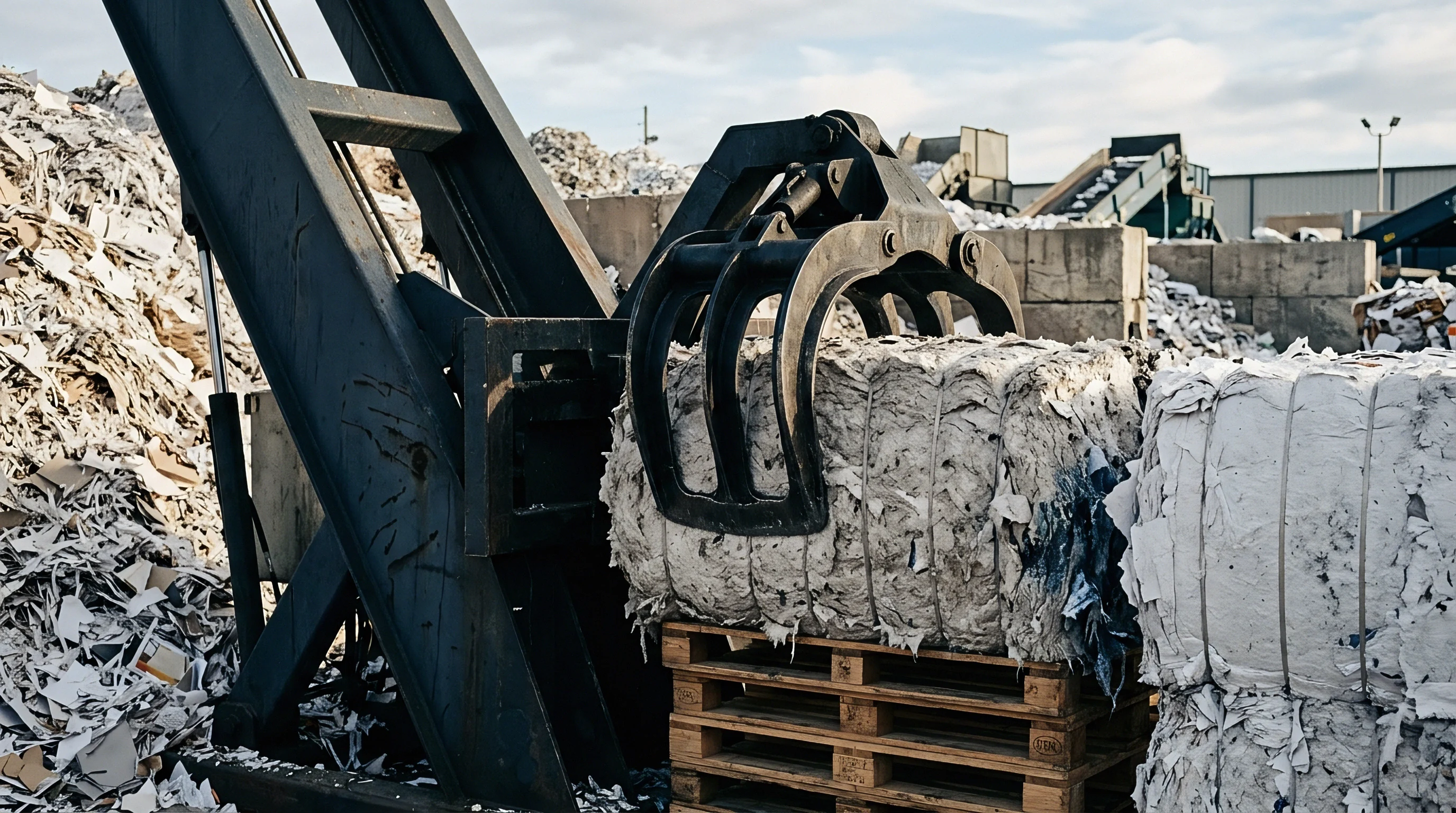
Corrugating mediums absorb out-of-plane shear and compressive loads within double-faced and double-wall combined boards. When boxes experience cyclic sorption in transit containers, the fluting structure sustains severe flexural fatigue at the flute tips where starch adhesive attaches the medium to the liners. Recycled fluting, manufactured predominantly from mixed packaging waste, possesses lower ring crush test values and lower short-span compression test scores than semi-chemical virgin hardwood fluting.
Under dynamic humidity swings, these recycled arches lose structural stiffness rapidly.
Flat crush resistance of corrugated board declines precipitously during cyclic moisture exposure. As the fluting profile deflects under continuous vertical pallet loads, the contact geometry between the fluting tip and the liner shifts. The stress distribution concentrates into narrow lines along the adhesive boundary.
High humidity softens the corn-starch adhesive bond line, while cyclic drying embrittles the surrounding paper matrix. This dynamic accelerates shear failure along the flute wall.
A carton built with hundred percent recycled fluting loses half its stacking strength after three forty-eight-hour moisture cycles between fifty and eighty-five percent relative humidity.
Structural stability deteriorates across several predictable paths within the converted corrugated structure:
- Flute rolling deformation occurs when horizontal shear components displace flute arches sideways under vertical compression.
- Score line fracturing develops along transverse panel creases where converting tooling crushed recycled fibres during box blank production.
- Liner blister delamination separates combined board faces from the fluting core when moisture cycling hydrolyzes starch adhesive starch films.
- Creep buckling of panels emerges across vertical sidewalls as dynamic mechanical compliance exceeds critical Euler column thresholds.
The liner collapses under load. Sizing treatments slow liquid ingress but fail to stop vapour migration. Recycled fibres resist swelling poorly.
Converting lines introduce microscopic damage that cyclic humidity broadens into macro-defects.

What Structural Threshold Prevents Stacking Box Failure?
Box compression strength depends upon the edgewise compression resistance of the liners and the shear stiffness of the corrugating medium, calculated via the McKee formula. Under cyclic environmental sorption, static McKee predictions overestimate real box performance by up to sixty percent. To avert bottom-tier pallet collapse, converters must design combined board configurations using dynamic creep compliance limits rather than static edge crush test parameters.
Microcracks spread across fibre walls. Flute crush invalidates box ratings. A pragmatic rule of thumb dictates that calculating warehouse stack load capacity on recycled corrugated boxes requires quadrupling the nominal static safety factor whenever atmospheric relative humidity oscillates by more than twenty-five percent across twenty-four-hour operating windows.

Allowance
Procurement specifications for corrugated packaging must establish verified dynamic compliance ceilings to protect inventory value across supply chains. Relying solely on basis weight, bursting strength, or static edge crush test values leaves buyers exposed to premature stacking collapse under cyclic moisture conditions. Commercial agreements require enforceable parameters governing acceptable deflection rates per unit time under specified humidity cycles.
Table 3 outlines a commercial yield and cost model comparing virgin kraftliner packaging programs against hundred percent recycled alternatives engineered to resist cyclic sorption creep across international shipping routes.
| Specification Parameter | Virgin Kraftliner Program | Standard Recycled Program | Heavyweight Recycled Compensated Program |
|---|---|---|---|
| Outer Liner Grade | 175 gsm Virgin Kraftliner | 170 gsm Testliner 2 | 220 gsm Testliner 1 |
| Fluting Grade | 135 gsm Semi-Chemical Fluting | 140 gsm Recycled Medium | 170 gsm Reinforced Recycled Medium |
| Inner Liner Grade | 150 gsm Virgin Kraftliner | 160 gsm Testliner 3 | 200 gsm Testliner 2 |
| Nominal Combined Weight (gsm) | 460 | 470 | 590 |
| Static Safety Factor Applied | 2.5:1 | 3.0:1 | 5.0:1 |
| Cyclic Creep Failure Rate at 30 Days (%) | 0.8% | 14.2% | 1.5% |
| Substrate Landed Cost per Tonne ($) | 890 | 640 | 680 |
| Total Lot Weight (Tonnes) | 7.36 | 7.52 | 9.44 |
| Landed Box Cost per Thousand Units ($) | 655 | 481 | 642 |
Assume a packaging buyer requires ten thousand transport cartons destined for multi-tiered pallet storage in unconditioned maritime container freight stations. Specifying a standard recycled board configuration lowers the initial material purchase outlay from $655 to $481 per thousand boxes, generating an immediate nominal savings of $1,740 across the order. However, under cyclic ocean transit humidity swings between sixty and ninety percent, the standard recycled configuration exhibits a 14.2 percent bottom-tier creep failure rate.
Product damage, warehouse repacking labour, and freight carrier damage claims eliminate initial material savings entirely.
To match the structural performance of the virgin substrate under identical humidity cycling, the recycled board program requires an increase in basis weight from 470 to 590 grams per square metre. This caliper increase raises total lot tonnage from 7.52 to 9.44 tonnes. While recycled furnish trades at a discount per metric tonne, the required twenty-five percent increase in substrate mass drives the landed cost per thousand units to $642, narrowing the final economic variance against virgin kraftliner to less than two percent.
Converters pay for unverified claims. Moisture swings drive accelerated compliance. Safety margins demand real data.
Delivered reels pick up moisture. Sourcing contracts must incorporate specific dynamic mechanical performance thresholds verified under standardized cyclic test standards.
Standard purchase contracts incorporating DIN 55443-1 cyclic climate conditioning requirements establish that board lots exhibiting creep compliance values above 1.75 square metres per gigapascal under seventy-two-hour humidity cycling incur automatic material rejections and full replacement liabilities at the mill of origin.