Structural Liner
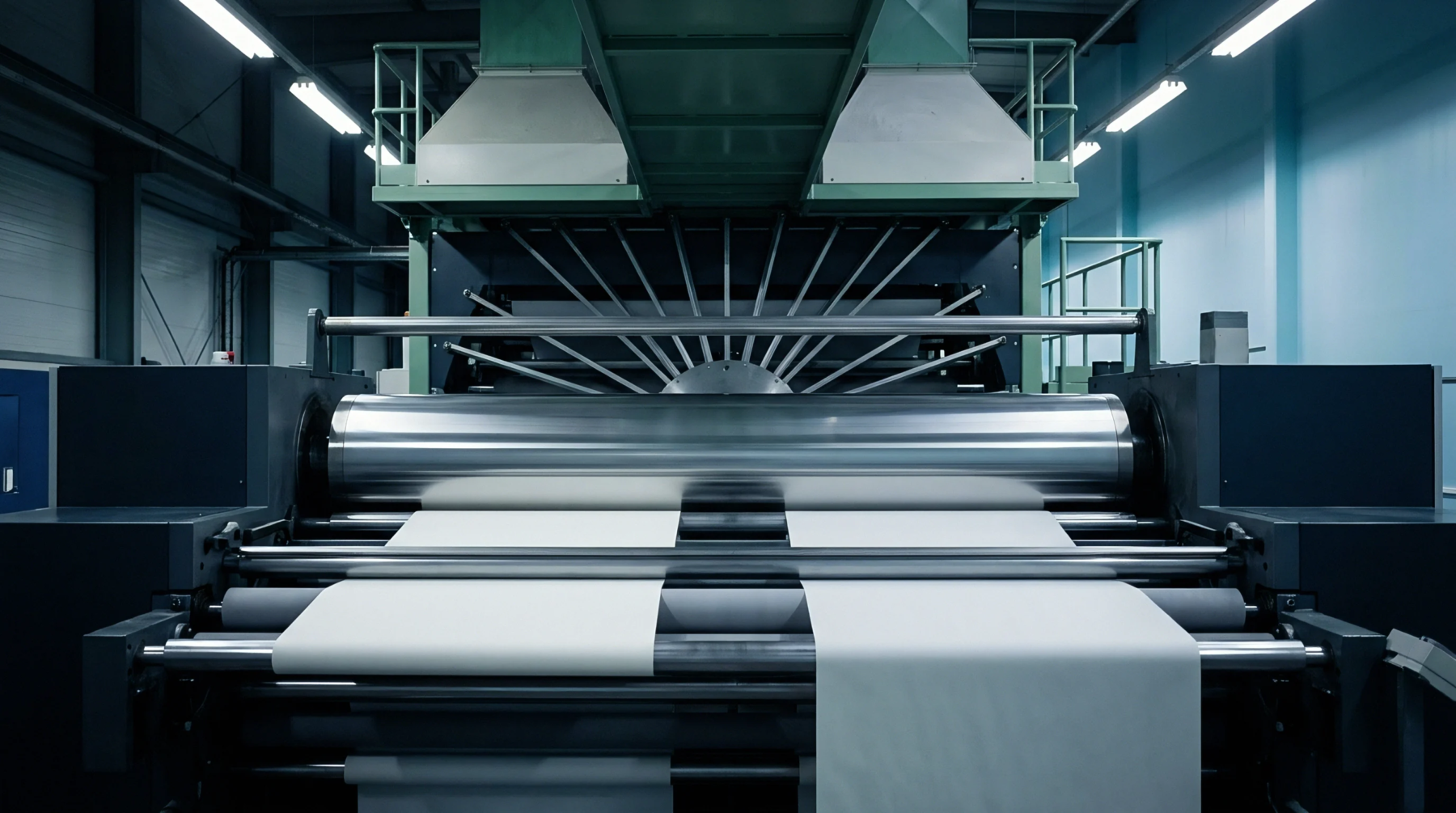
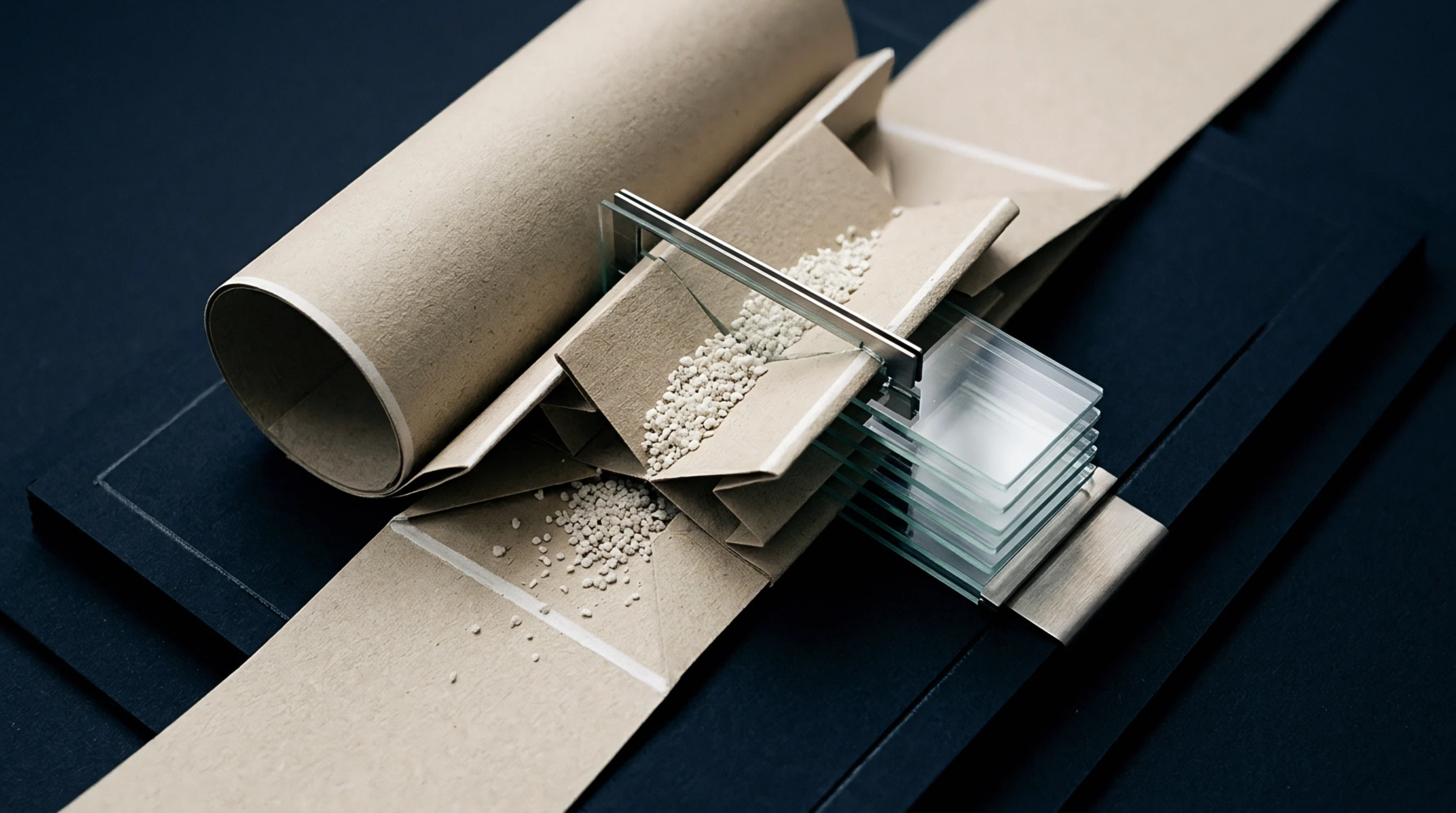
High-strength paperboard produced primarily from virgin unbleached softwood kraft pulp serves as facing material for corrugated containerboard packaging. Kraftliner provides burst strength, tear resistance, and stacking durability to corrugated boxes used in demanding shipping environments. The substrate contains at least eighty percent virgin softwood fiber to maintain structural integrity under high humidity.
Grade classifications stop applying when secondary recycled fiber content exceeds twenty percent of total furnish.
Mechanical Performance
Long softwood fibers form inter-locked networks during paper machine web consolidation, conferring superior tensile and compression properties. Specifying kraftliner in box manufacturing ensures package survival during cold storage and humid transit conditions where recycled containerboard loses rigidity. High Mullen burst values and ring crush test performance enable boxes to withstand stacking pressures in warehouse pallets.
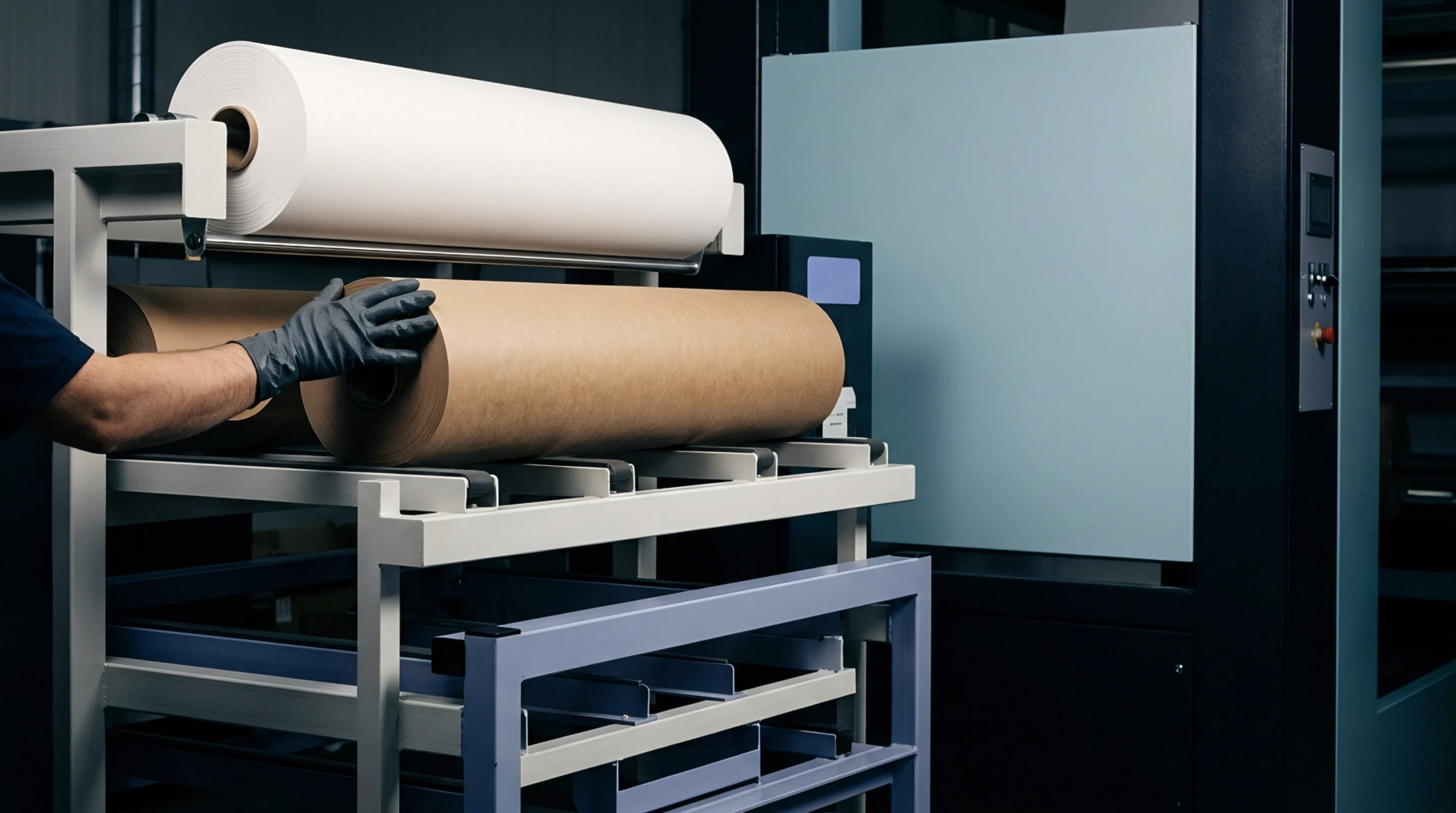
Top plies are frequently lightly bleached or clay-coated to enhance printability for retail shipping cartons. Corrugator operators adjust preheater steam temperatures and adhesive application rates to bond kraftliner facings to fluted medium without blistering. Packaging engineers select specific grammage grades to meet international transport drop test and compression standards.
Superior puncture resistance protects heavy industrial components during international freight shipping.
Grade Specification
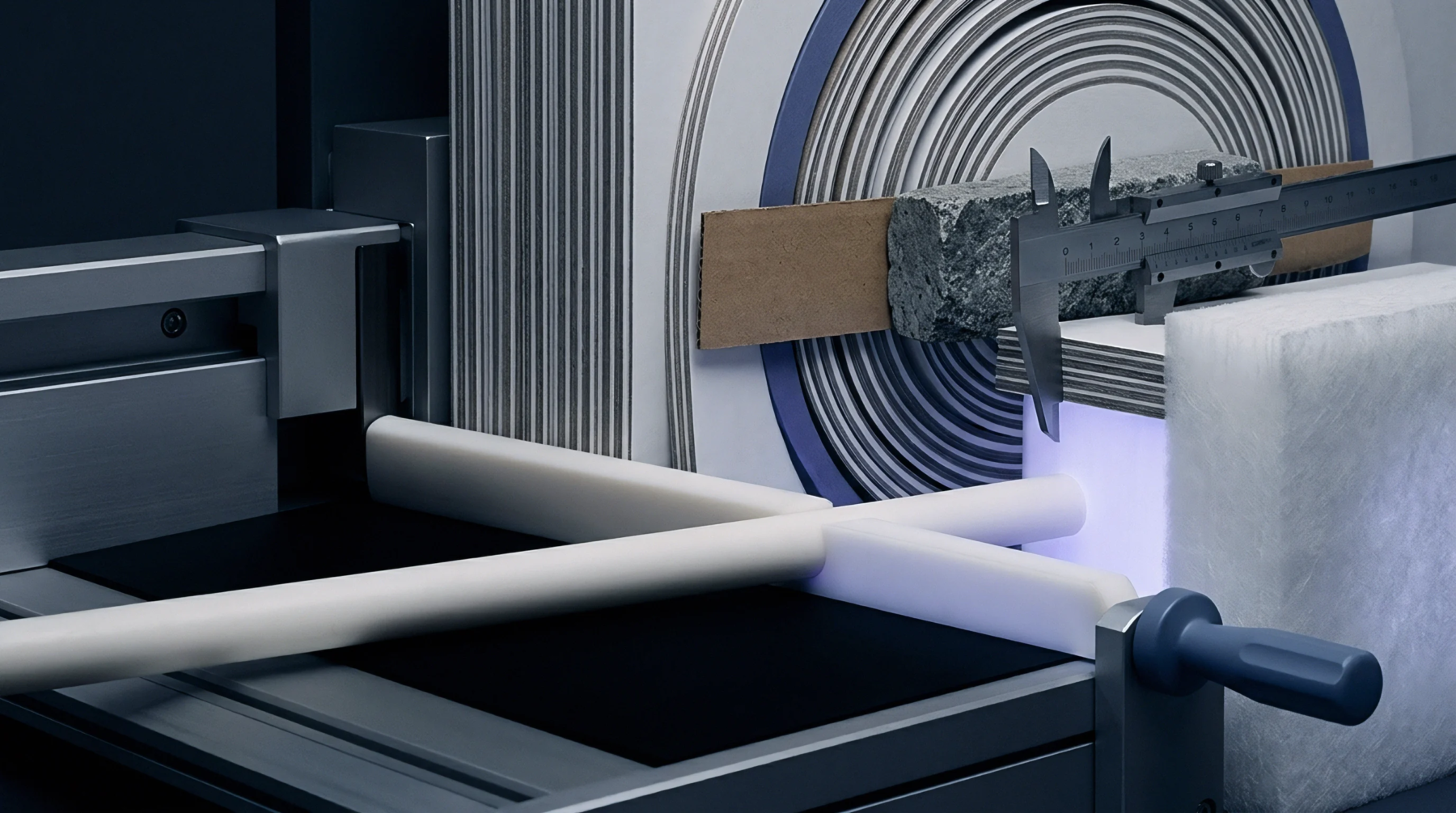
Manufacturing standards classify linerboard based on virgin fiber ratio, basis weight, and surface brightness. Utilizing kraftliner demands strict moisture content control to prevent box warp and fluting delamination during high-speed corrugating operations. Standard weight specifications range from one hundred fifteen to four hundred grams per square meter.
Performance requirements shift when packaging requires specialized barrier coatings against moisture or grease.