Recovered Resource
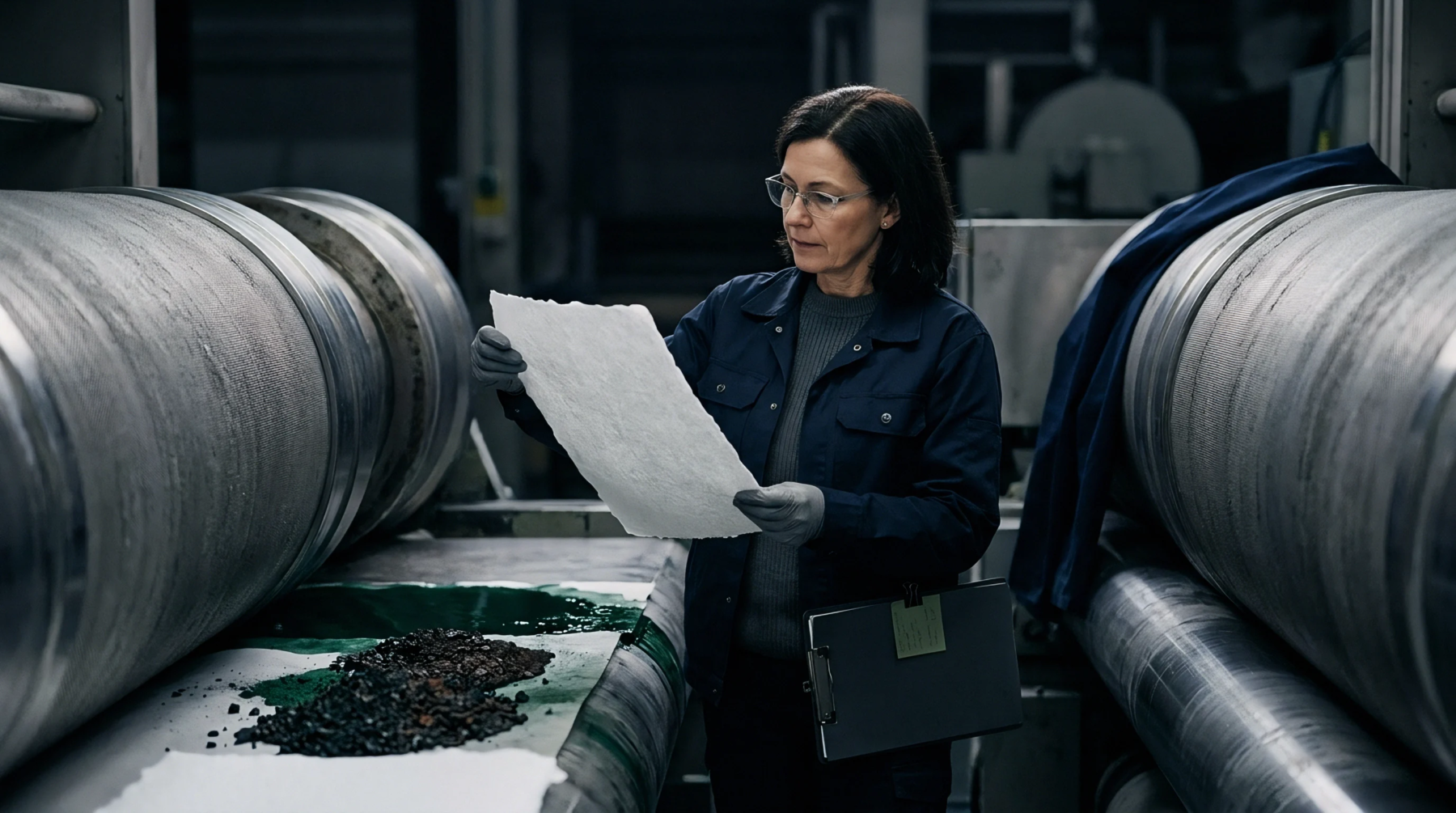
Cellulose material salvaged from products that have reached the end of their intended life and been discarded by households or commercial businesses. Post-consumer fiber is a primary component of recycled paper and board used in the manufacturing of new packaging. It differs from industrial scrap because it has passed through the hands of a final user.
Using this material reduces the demand for virgin timber and diverts waste from landfills.
Processing Challenge
Collecting and cleaning these fibers is more complex than processing virgin pulp because of the presence of contaminants like inks, adhesives, plastic residues and food waste. De-inking plants use flotation and washing processes to remove these impurities before the fibers can be reused. Each time a fiber is recycled it becomes shorter and weaker, which eventually limits its structural performance.
For this reason, post-consumer fiber is often blended with virgin pulp to maintain the required stiffness for high quality cartons. The environmental benefit is calculated based on the reduction in energy and water usage compared to the production of primary paper.
Market Demand
Brands increasingly specify high percentages of this fiber to meet sustainability goals or to comply with plastic substitution strategies. Supply is dependent on the efficiency of local municipal recycling programs and the quality of the sorted waste.