Anilox Roll Cell Volume Evaluation Methods
Anilox cell volume evaluation demands balancing interferometric 3D optics for wall geometry against liquid displacement tests for true operational ink release.

Audit
Delivered ink film thickness on paperboard traces back to a liquid volume measured in cubic centimeters per square meter, abbreviated as cm³/m², or billion cubic microns per square inch, designated as BCM. Press crews observe optical density drifting on solid bleached sulfate or corrugated liner, clean the doctor blade chambers, and frequently discover that the engraved ceramic cylinder delivers twenty percent less coating than the print specification demands. This deficit originates inside the microscopic geometry of the cells.
When dried ink resins, pigment agglomerates, or mechanical friction alter the void volume of a ceramic cylinder, ink transfer curves detach from press curves.
Press managers isolate delivery problems by distinguishing theoretical roll capacity from fluid release. Laser-engraved ceramic rolls exhibit cell volumes between 1.5 cm³/m² for process work on coated folding carton and 35.0 cm³/m² for heavy white laydown on kraftliner. Liquid volume evaluation determines whether anilox rolls remain within specification, require deep ultrasonic or chemical washings, or demand mechanical resurfacing.
Relying on visual inspection under shop lighting guarantees color deviation across parent reels. Quantitative volume evaluation establishes whether an ink deficit stems from roller exhaustion, anilox cell plugging, incorrect blade wiping pressure, or substrate absorption dynamics.
Optical density instability across solid bleached board tracks anilox carrying capacity rather than ink rheology alone.
Modern flexographic production links volume checks to incoming quality assurance programs. A press run consuming forty metric tons of clay-coated news backboard cannot accommodate trial-and-error ink formulation at make-ready. The press crew quantifies fluid delivery across the web prior to locking the cylinder journals into the printing deck.
Without rigorous anilox verification, press operators increase ink pigmentation or doctor blade pressure to offset depleted cell volumes, causing premature blade wear and accelerated ceramic scoring.
Substrate choice alters the acceptable boundary for roll volume loss. An uncoated recycled corrugated linerboard featuring a Cobb60 water absorption value exceeding 80 g/m² absorbs carrier vehicles rapidly, demanding higher transfer volumes to maintain saturation. A high-density bleached kraft sheet with a PPS roughness below 1.2 micrometers requires a fine, uniform transfer volume to prevent edge halo.
In both situations, the volume measurement protocol dictates whether an operator alters the formulation or changes the cylinder.
A supplier often claims that anilox rolls retain original factory volume because the chrome oxide surface hardness rates above 1,200 Vickers.
Displacement
Direct volumetric verification originated through chemical displacement protocols, quantifying the surface coverage of a known fluid mass. The primary standard method employs an exact volume of specialized transfer ink distributed over the roll surface with a precision metal blade. Spreading a calibrated quantity of colored fluid across anilox cavities fills the microscopic voids until the ink pool depletes.
Measuring the resulting ink patch area provides the operational baseline for mathematical volume derivation.
Volumetric Pipette Inking Mechanics
The carbo-resin and copper sulphate liquid displacement techniques isolate roll capacity through physical surface contact. A technician draws calibrated fluid using a micrometer pipette certified to 0.001 cubic centimeter resolution. Depositing precisely 25 microliters of dyed test fluid directly onto clean, degreased roll ceramic initiates the test.
The technician spreads the droplet over the cells using a doctor blade pulled across the cylinder circumference under consistent manual downforce. The liquid fills the cells until no surface film remains above the land area.
Calculating cell volume from liquid displacement requires surface area measurement of the elongated transfer mark. An operator traces the outline of the fluid stain using an ink planimeter or scans the boundary into digital boundary-calculation software. Dividing the pipette volume by the calculated surface area yields the theoretical capacity in cubic centimeters per square meter:
Liquid Volume (cm³/m²) = Dispensed Volume (µL) / Area (cm²) × 10
Manual spreading introduces experimental scatter based on technician technique. Blade angle variations, draw-down velocity differences, and operator downward pressure change the ink volume wiped past the land boundaries. Substrate laboratories establish that fluid displacement tests produce an intra-operator variance band between five and eight percent.
When tests involve three distinct shift technicians, operational variance on an identical roll commonly expands to twelve percent.
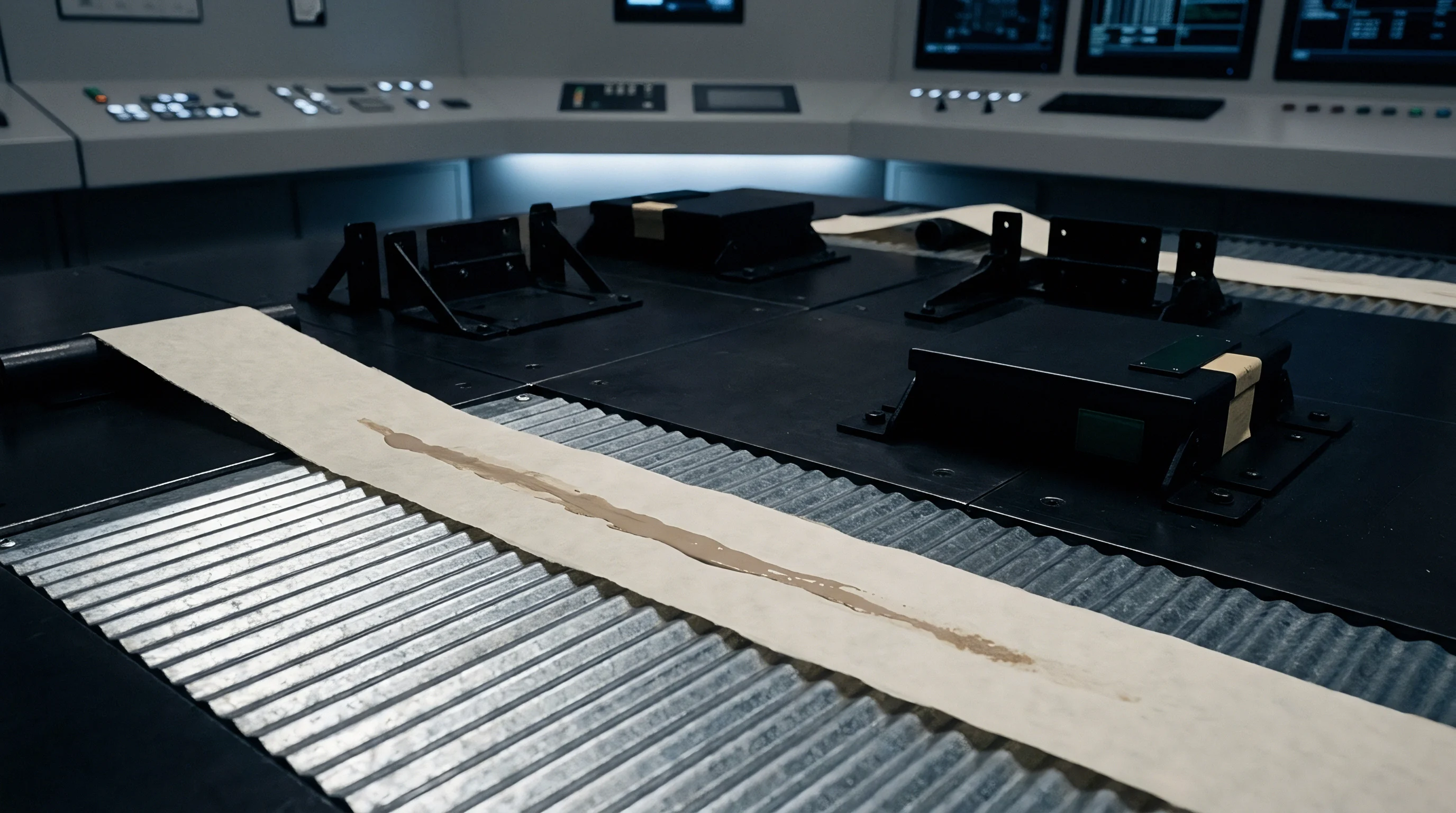
Drawdown Tape Surface Extraction
The mechanical tape test adapts volumetric displacement into an impression-based assessment method. Instead of spreading ink until exhaustion across the metal surface, an operator meters an active transfer liquid over the roll using a spring-loaded hand proofer, then transfers the wet film onto high-gloss polyethylene terephthalate film under uniform pressure. Alternatively, compliant elastomeric tapes carrying calibrated black ink reservoirs are applied to the cylinder face, rubbed down, and peeled off to capture cell profiles.
| Evaluation Method | Test Carrier Chemistry | Measurement Cycle Time | Repeatability Variance | Consumables Waste |
|---|---|---|---|---|
| Micrometer Pipette | Carbo-Resin Staining Fluid | 12 to 18 Minutes | ±7.5% | Cleaning Solvent, Wipes |
| Capillary Dispenser | Low-Viscosity Penetrant Dye | 8 to 14 Minutes | ±6.8% | Capillary Tubes, Strippers |
| Tape Replicate Peel | Elastomeric Transfer Film | 5 to 7 Minutes | ±9.2% | Adhesive Strips, Target Cards |
| Hand-Blade Squeeze | Thixotropic Test Varnish | 15 to 22 Minutes | ±11.4% | Blade Strips, Neutralizers |
Displacement procedures measure roll clearing capability directly. When dried resin coats cell interiors, the applied testing liquid cannot penetrate the compromised geometry. Displacement techniques indicate true operational capacity under fluid conditions, accounting for the roll surface condition rather than theoretical wall profiles.
However, these methods expose the production floor to staining solvents, and manual scraping introduces minor scratching risks to fine cell screen counts exceeding 300 lines per centimeter.
Failure to degrease ceramic surfaces prior to ink delivery causes test fluids to bridge over open cells, which skews derived surface volume readings upward by thirty percent.
Optics
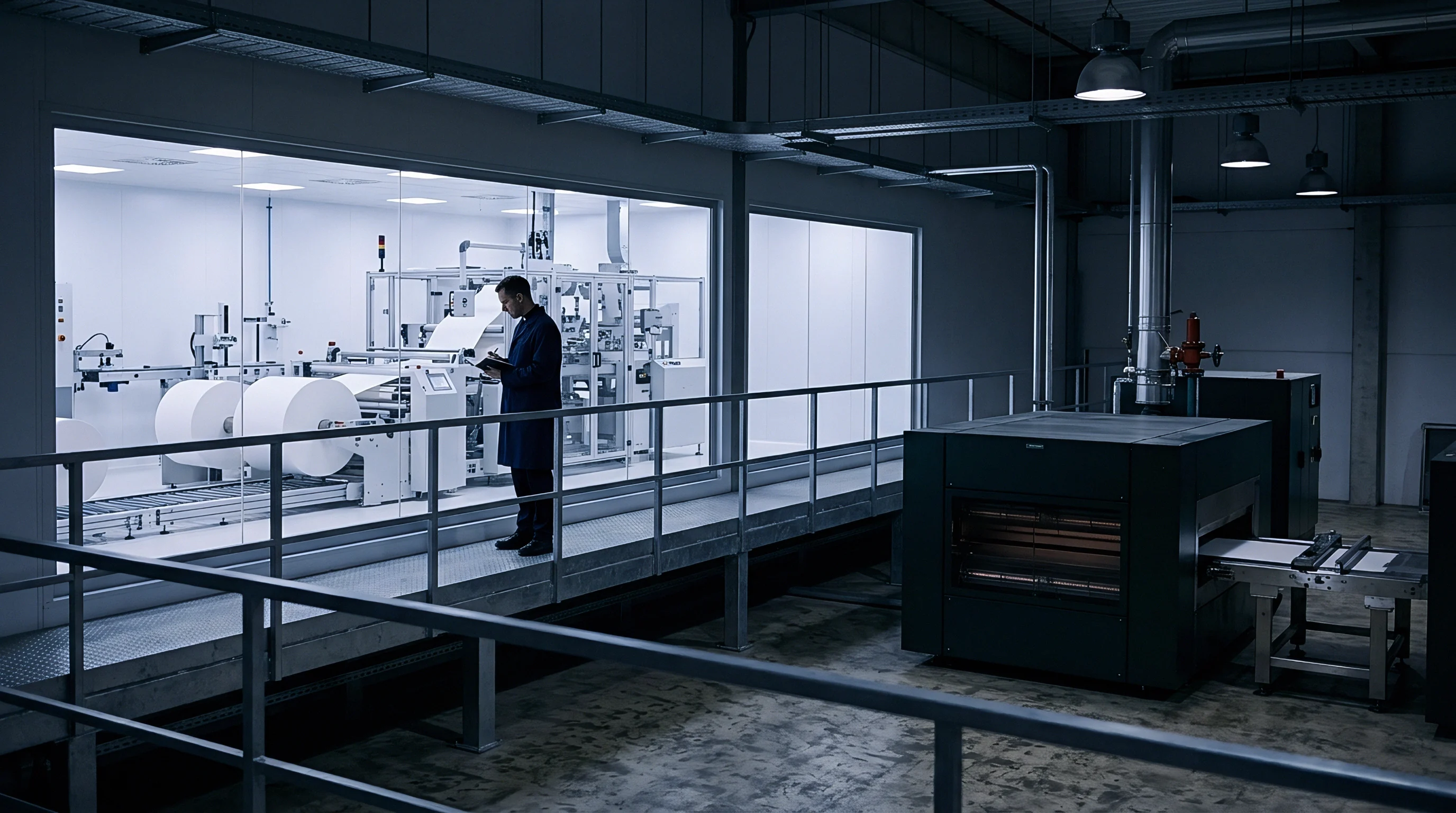
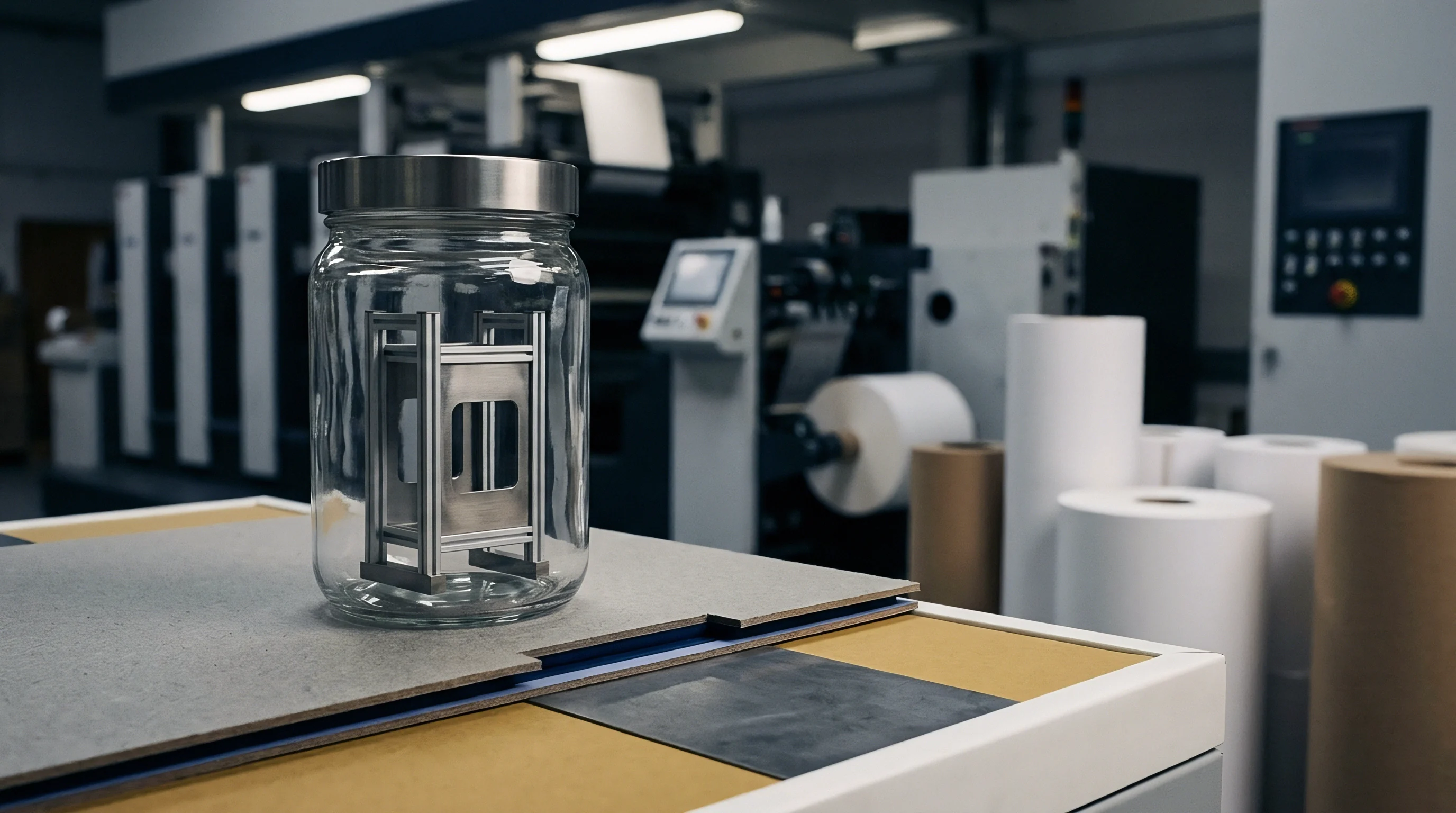
Modern inspection methods rely on optical measurement to quantify anilox cell geometry without applying chemical fluids. Surface imaging instruments direct focused light paths down into cell cavities to extract spatial coordinates. By resolving top cell openings, interior wall angles, and internal depths, microscopic systems construct mathematical models of void volumes.
Optical approaches differentiate functional cell voids from structural ceramic damage, allowing non-destructive inspection directly on production lines.
White Light Phase Shifting Interferometry
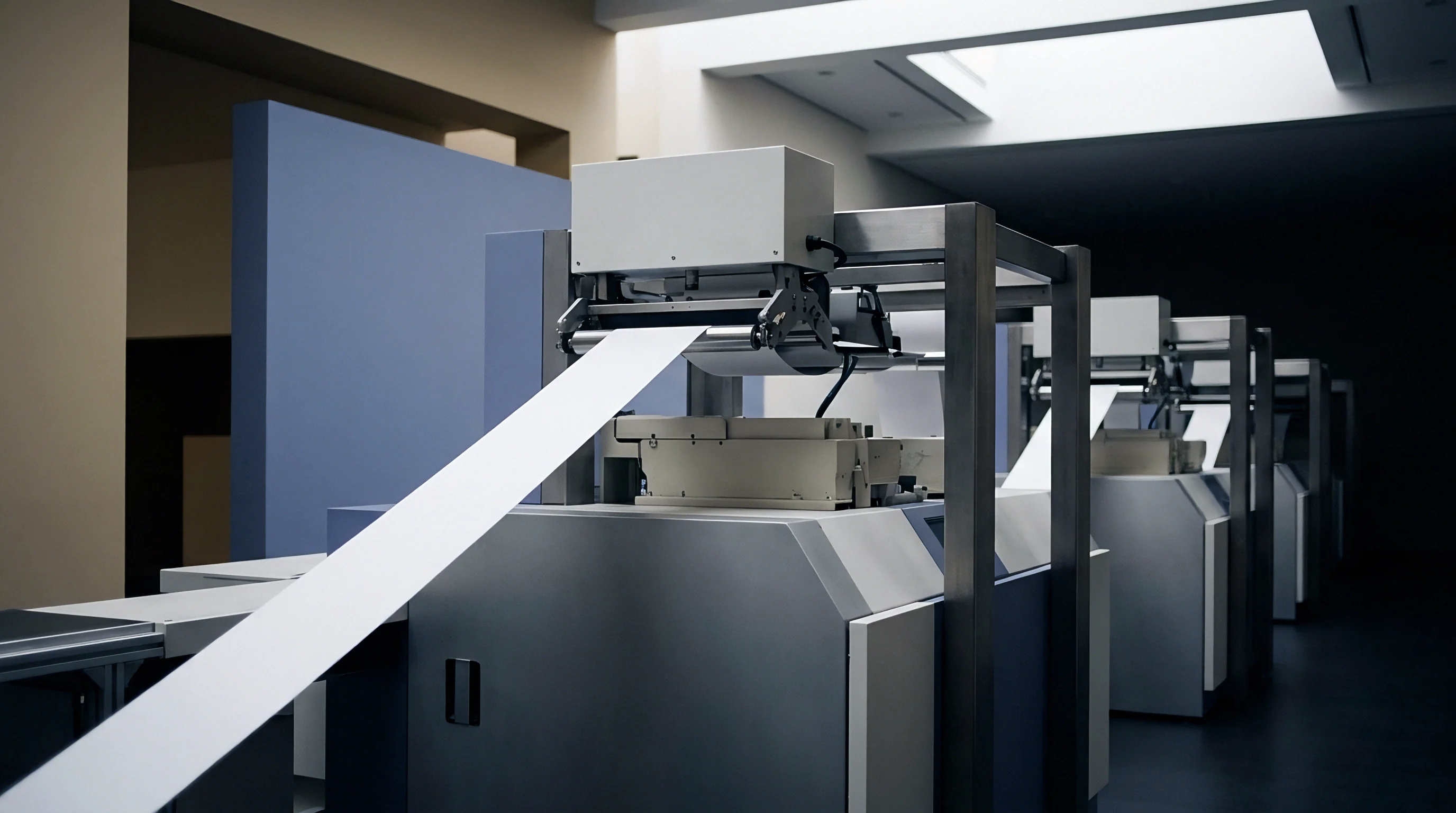
Optical surface profilers employ optical interferometry to generate high-resolution topographical maps. A split light beam directs one reference path against an internal optical mirror while a measurement path reflects from the anilox roll face. Superimposing the two beams creates constructive and destructive light fringes corresponding to microscopic height variations across cell walls, floors, and openings.
Vertical scan ranges measure depths up to 150 micrometers with sub-nanometer resolution.
Phase shifting interferometers register accurate surface profiles across cell walls. Translating an internal piezoelectric objective through vertical increments of twenty nanometers captures fringe shifts across millions of sensor pixels. Software reconstructs a three-dimensional surface matrix, computing cavity volume by integrating point depths relative to the flat cell land boundary plane.
Unfinished ceramic roll variations and internal porosity generate diffuse reflections, which requires polarization filtering to isolate true cell floors from background surface noise.
Optical volume analysis requires calibration against reference depth artifacts traceable to national metrology standards.
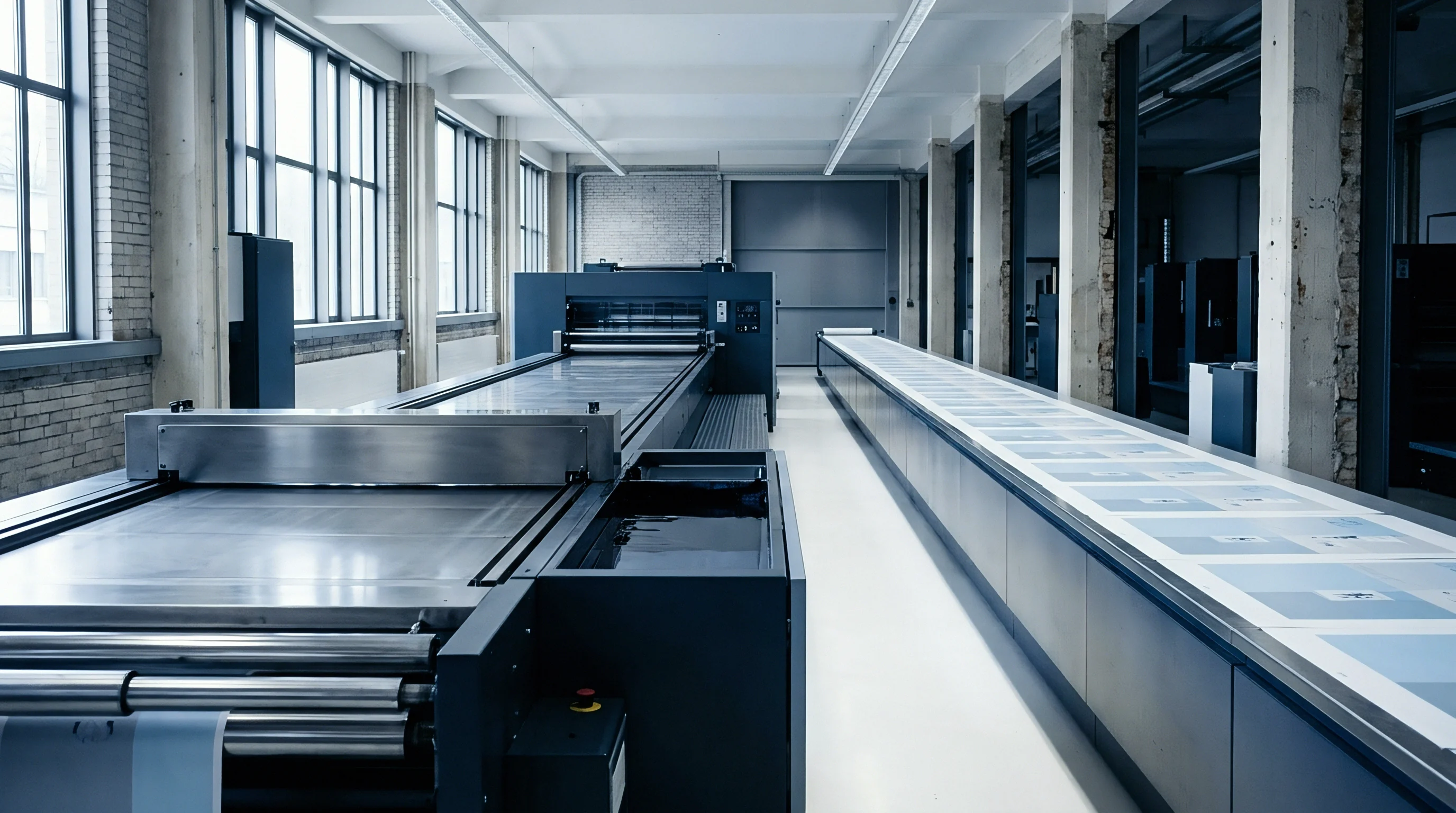
Digital 3d Microscopy and Auto-Focus Volumetrics
Handheld three-dimensional microscopes bring optical analysis out of test rooms and directly to press frames. High-intensity light-emitting diodes illuminate cells with white or green wavelengths through coaxial lenses. Moving the focal plane down from the cell surface to the cell bottom allows high-speed digital sensors to isolate sharp pixel boundaries at each vertical step.
Reconstructing these focus slices generates a composite stack of horizontal area planes.
- Confocal laser scanning systems utilize a pinhole aperture to eliminate out-of-focus light return, recording depths with vertical precision down to 0.05 micrometers across high-density 500 lines per centimeter laser-engraved screens.
- Variable focus digital optics calculate surface topologies rapidly across wide spatial fields, assessing land wear, cell wall collapse, and score lines on roll bodies within forty-five seconds.
- Digital image dot-matrix algorithms assess average cell diameter, wall thickness, and opening profiles, deriving theoretical ink transfer using standard spherical volume models.
- Wavelength-dispersive monochromatic sensors isolate reflective light scatter from dark ceramic coatings, providing accurate cell wall measurements without oil immersion liquids.
Interferometric and confocal techniques measure physical cell geometry rather than fluid transfer characteristics. While these systems calculate geometric void volumes accurately, they cannot confirm whether applied inks release cleanly from deep cell bases. Cells with steep wall angles exceeding 75 degrees may retain ten to twenty-five percent of their ink inventory during dynamic press rotations.
Optical tools provide valuable baseline measurements, but they capture raw geometric boundaries rather than active fluid release dynamics.
Do deep cells consistently release their full geometric liquid volume onto paper stock during press runs?
The standard trade tolerance allows a ten percent deviation between an optical interferometry reading and a certified manufacturer volume certificate.
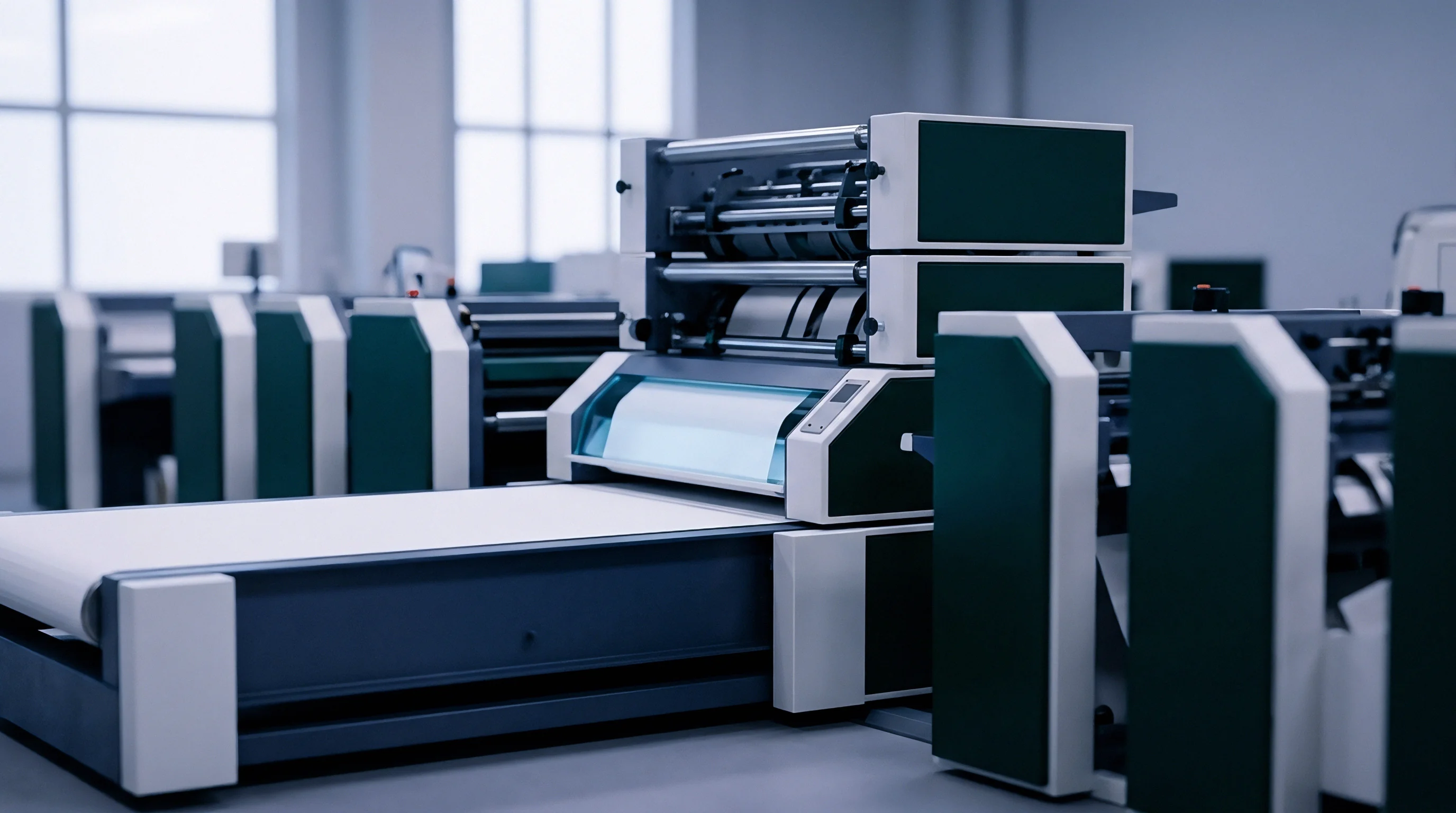
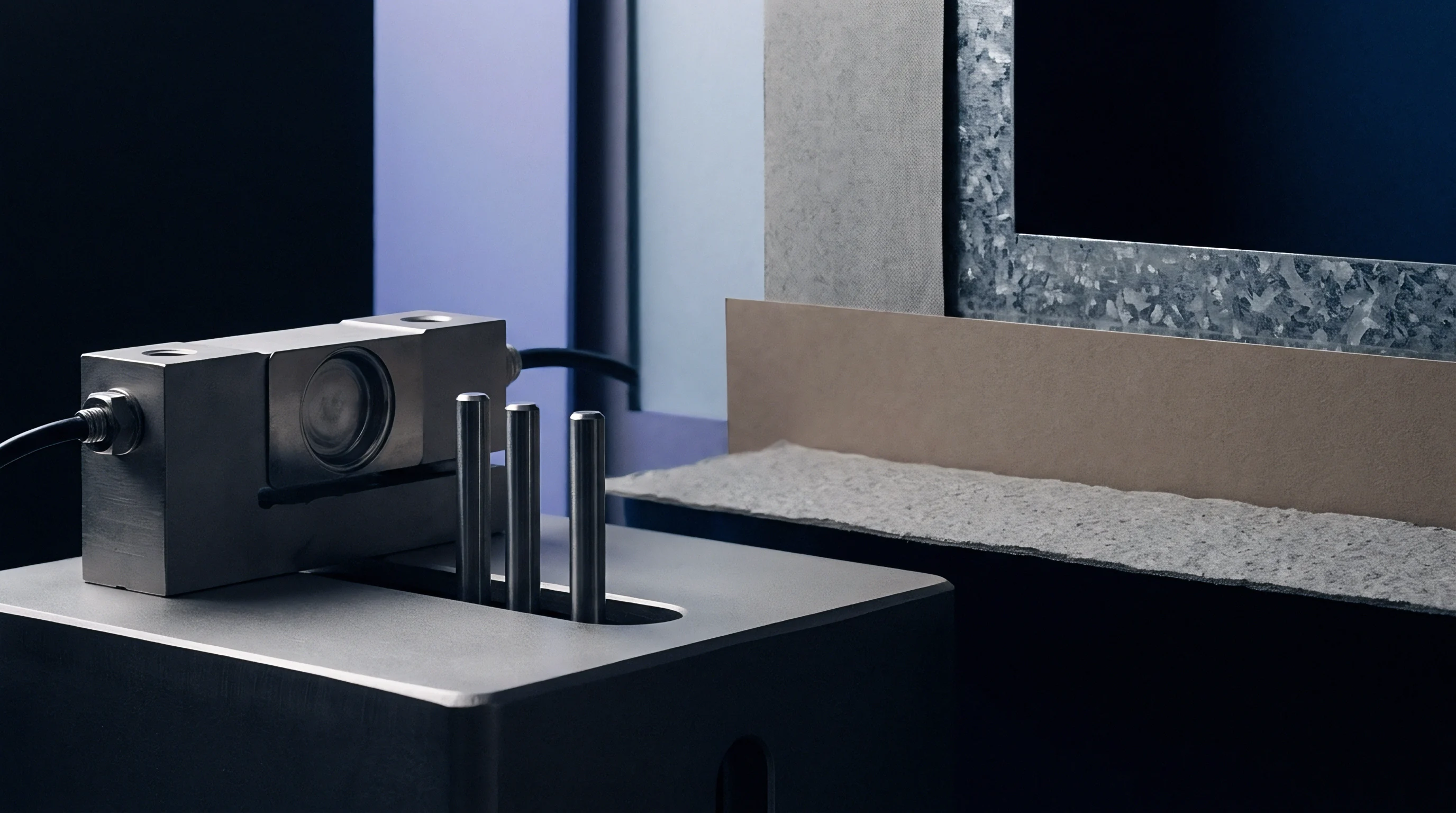
Gauge
Evaluating anilox performance requires monitoring cell geometry across press service cycles. Ceramic surfaces change continuously due to friction with doctor blades, dry wiping cycles, abrasive paperboard dust, and harsh washing compounds. Continuous tracking identifies whether roll replacement or chemical reconditioning is needed before print jobs run off-color.
Press operations rely on calibrated tracking protocols to verify roll conditions prior to mounting printing units.
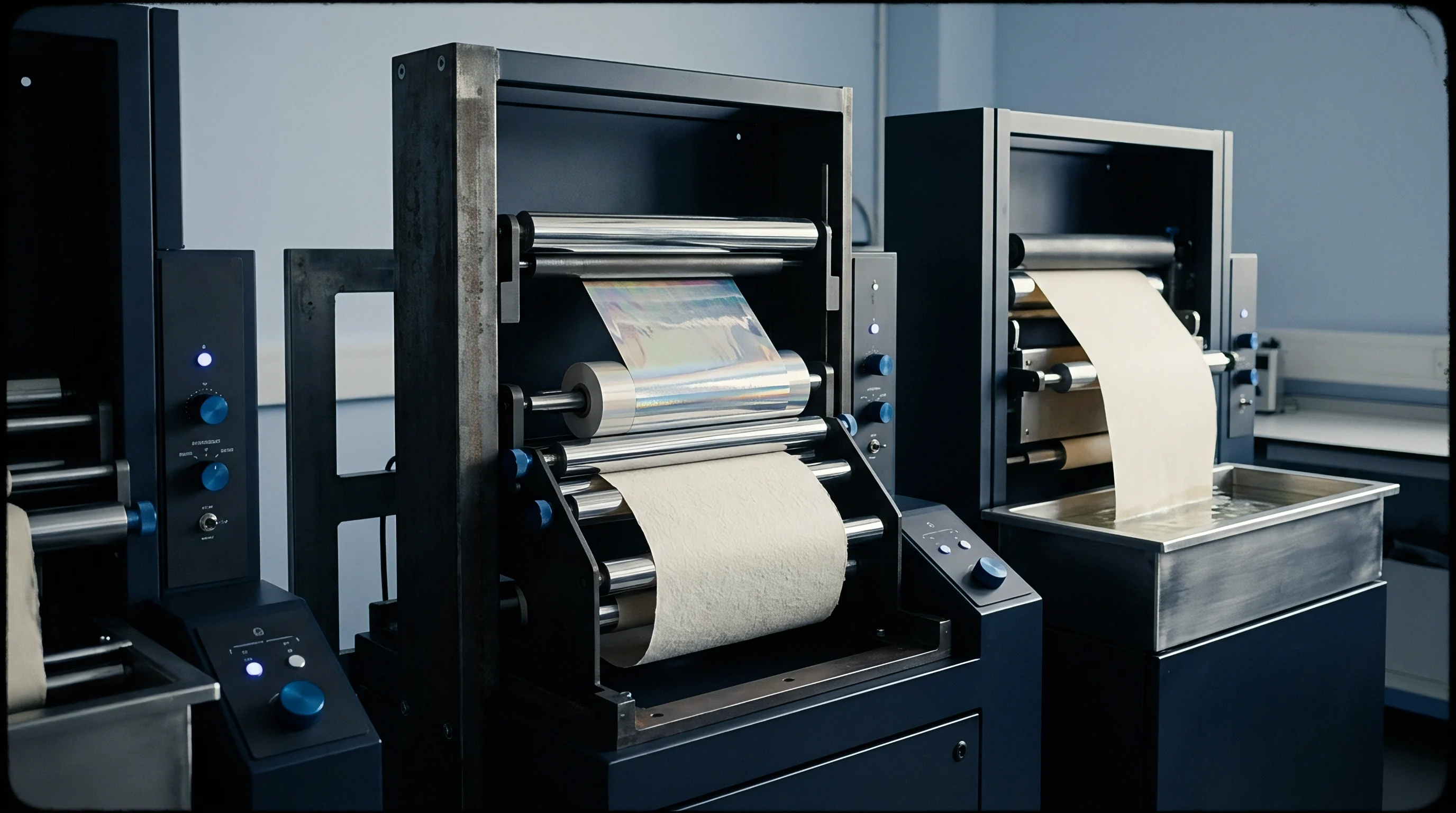
Cell Depth to Opening Geometric Ratios
Anilox engraving configurations dictate release characteristics onto paper surfaces. Roll engravers balance cell opening widths against internal cavity depths. Standard hexagonal 60-degree arrangements maintain functional depth-to-opening ratios between 25 and 33 percent.
Ratios dropping below 23 percent signify extreme land erosion from excessive doctor blade pressure, resulting in shallow cells that spray ink at web speeds over 350 meters per minute. Ratios exceeding 35 percent trap ink at the cell bottom, leading to dried ink accumulation and reduced cell transfer capacity.
| Screen Count (L/cm) | Target Volume (cm³/m²) | Opening Width (µm) | Nominal Depth (µm) | Maximum Service Depth Loss |
|---|---|---|---|---|
| 120 | 12.5 to 14.0 | 74 | 22 | 4.5 µm |
| 200 | 7.0 to 8.5 | 44 | 14 | 3.0 µm |
| 280 | 4.5 to 5.5 | 31 | 10 | 2.1 µm |
| 360 | 3.2 to 4.0 | 24 | 8 | 1.6 µm |
| 480 | 2.0 to 2.8 | 18 | 6 | 1.1 µm |
Substrate surfaces directly influence anilox wear rates. Recycled testliner stocks generate abrasive silicate particulate during web unwinding and slitting. Airborne mineral particles enter the ink return circuit and circulate beneath steel doctor blades.
The resulting micro-abrasion wears down ceramic cell lands, reducing roll volume by 0.5 to 1.2 cm³/m² across six months of production. Regular gauge monitoring identifies this surface degradation before color densities fall outside acceptable limits.

Comparative Benchmark of Metrology Protocols
Production facilities choose evaluation methods by balancing instrument accuracy against operational speed. Maintaining tight color tolerances on folding boxboard requires precise inspection tools, whereas high-volume corrugator plants prioritize speed and operational simplicity.
- Roll surface preparation and degreasing demands ultrasonic baths or chemical cleaning solutions to remove dried acrylic, solvent, or ultraviolet ink residues before mounting metrology hardware.
- Environmental stabilization cycles require sitting rolls within inspection rooms for sixty minutes to equilibrate temperatures at 23°C, preventing thermal expansion from skewing cell depth results.
- Axial location multi-point sampling dictates taking measurement sets across drive sides, centers, and operator sides to identify uneven wear caused by doctor blade pressure gradients.
- Data logging and history tracking records calculated volume readings in maintenance databases to plot cell wear curves and forecast roll retirement dates.
Handheld microscopes offer lower capital costs, but user placement angle and surface focus selection introduce operator-dependent variation. Benchtop phase-shifting interferometers eliminate operator bias through automated focusing routines, but their mechanical structures restrict them to offline staging areas or roll reconditioning facilities. Liquid displacement testing provides reliable validation without optical reflection errors, but manual operations limit its frequency on busy converting lines.
Optical verification remains uncertain when identifying whether cell bottom residue consists of dead ceramic material or dried water-based resin binders.
Yield
Anilox capacity variations directly drive operating costs, converting efficiency, and raw material waste. Fluctuations in ink delivery distort colour consistency, which forces operators to discard printed sheets during runs. Press operators often respond to depleted cell volume by adjusting ink chemistry: adding dark toners to boost optical density, or thinning inks with water and glycol to clear clogged cells.
These ad-hoc adjustments alter ink dry rates and destabilize viscosity control.
Consider a carton manufacturing facility producing folding boxes from 350 g/m² solid bleached sulfate board, converting 50,000 parent sheets per shift on a central impression flexographic press. The job specification defines a target ink film delivery using an anilox roll engraved at 320 lines per centimeter with a nominal volume of 4.2 cm³/m². An unmonitored drop in cell volume down to 3.3 cm³/m² reduces the solid ink film thickness on the coated board from 1.30 micrometers down to 1.02 micrometers.
This drop decreases optical density from 1.45 to 1.21, falling well outside ISO 12647-6 production tolerances.
To pull optical density back to specification without replacing the roll, the press operator adds extra pigment concentrate to the ink sumps. This intervention raises ink formulation costs by twelve percent per wet kilogram. Higher ink solids accelerate plate dot gain, which increases midtone spread across twenty-percent screen builds.
If the operator fails to catch this color shift across the production run, the facility risks rejecting twenty thousand finished sheets, creating substrate losses that far exceed roll re-engraving costs.
A three-micrometer decline in cell depth across high-screen anilox rolls reduces delivered ink film thickness below print density limits on coated cartonboard.
Substrate surface texture governs how cell volume losses affect optical density. Uncoated white top kraftliner absorbs ink vehicles through capillary draw into open wood fibres. A minor loss in roll carrying capacity immediately causes grey, pinholed solids across liner surfaces.
To bridge these fibrous voids, operators must use rolls that maintain their full volume capacity. In contrast, cast-coated paperboards hold ink layers on their mineral coatings, making them sensitive to minor changes in anilox delivery. On coated stocks, small volume deviations quickly show up as visible color banding across sheets.
Running high doctor blade pressure to scrape worn rolls increases friction, generating enough heat to dry water-based inks inside the cells. This thermal buildup causes inks to destabilize and drop out of dispersion. The resulting dried resin collects within cell cavities, reducing liquid capacity by another fifteen percent across thirty thousand impressions.
A facility without scheduled roll volume verification burns capital through scrapped paperboard sheets, press stops, and premature roll resurfacing.
Standard purchase contracts establish that replacement rolls with delivery volumes varying beyond five percent from specifications permit full pallet returns.