Process Architecture
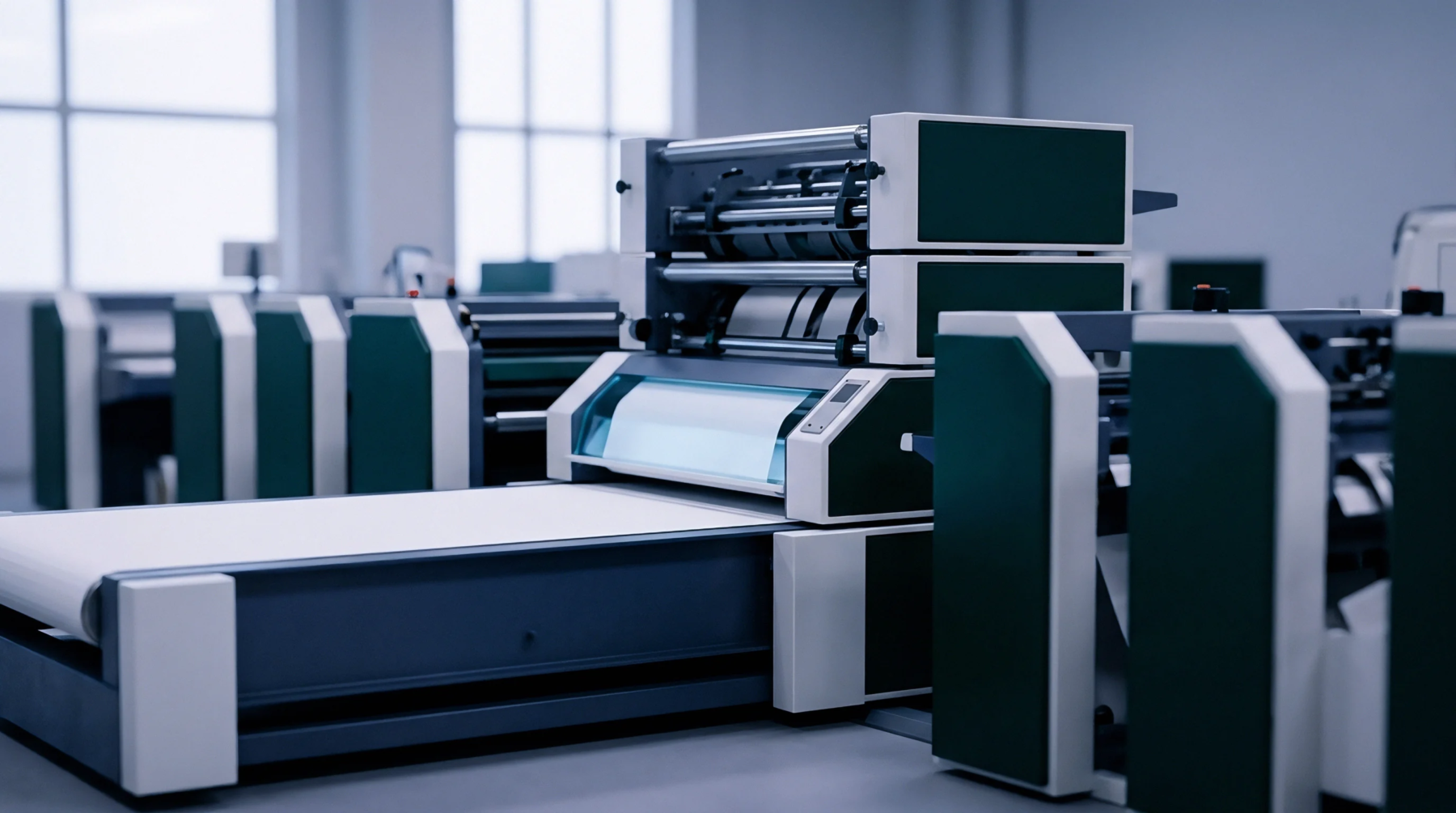
Direct rotary printing processes utilize flexible photopolymer plates mounted on plate cylinders to transfer liquid ink onto moving continuous substrate webs. Corrugated box plants and flexible packaging converters deploy flexographic printing for high-speed decoration of linerboard or folding boxboard substrates. Standardization relies on ISO 12647-6 image reproduction standards and ink density metrics.
The process stops yielding high image fidelity on rough, un-coated paperboard grades with severe thickness variation.
Ink Transfer
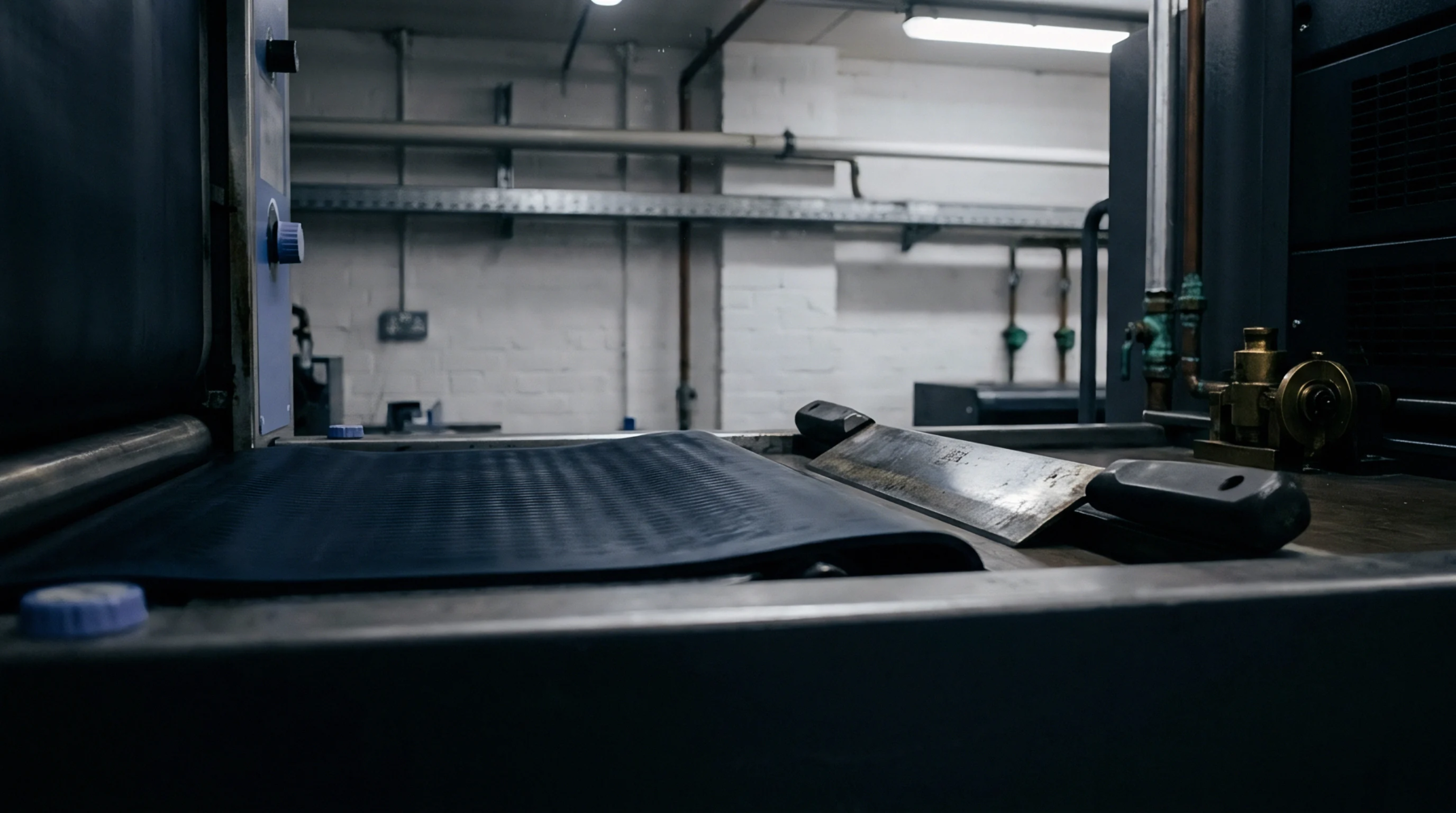
Anilox rollers engraved with cell patterns meter fluid ink volumes from ink sumps onto raised image areas of photopolymer printing plates. Cell volume, measured in cubic centimetres per square metre, controls ink film thickness delivered to the substrate surface. Central impression cylinders support the substrate web, minimizing web stretch during multi-colour printing sequences.
Fast-drying water-based or ultraviolet-curable inks dry rapidly within inter-deck drying units before subsequent colour units print. Photopolymer plate hardness and doctor blade pressure settings influence ink dot gain and tonal reproduction across mid-tone screen areas. Adjusting impression cylinder nip pressure balances solid ink coverage against fine text sharpness.
Substrate Limitation
Excessive impression pressure causes ink squeeze, leading to halo artifacts around printed characters and dot distortion. High absorbency substrates require increased ink loading, which limits print speed and increases drying energy demands.