Surface Treatment
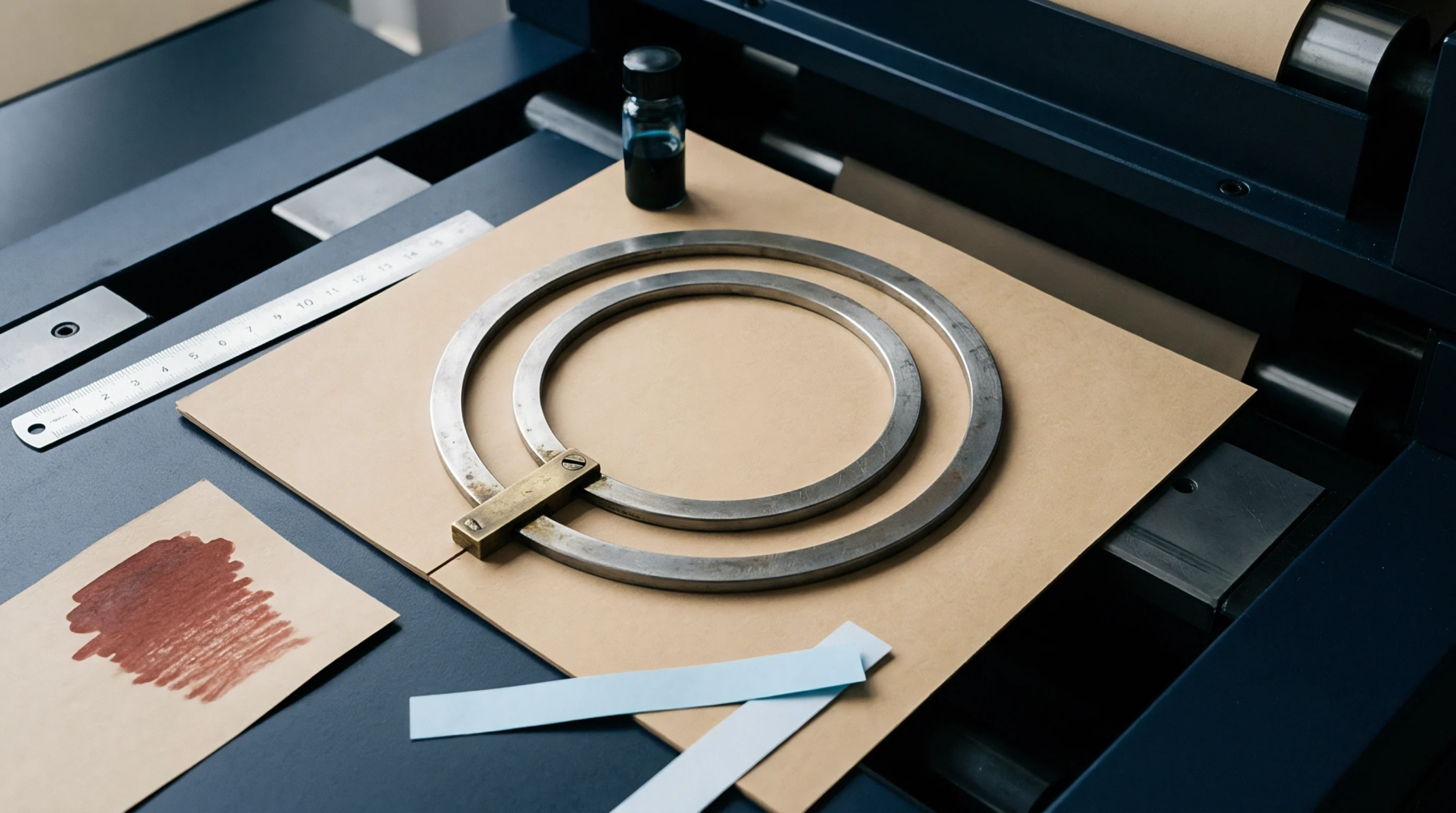
Mineral and polymer application defines the industrial process of depositing formulated slurry layers onto raw paperboard substrates to enhance smoothness, brightness, ink receptivity and fluid barrier performance. Modern packaging mills apply paperboard coating formulations comprising white pigments, synthetic binders, co-binders and rheology modifiers via blade, rod or curtain coaters. The resulting mineral or polymer structure seals porous fiber networks, creating an engineered surface optimized for high-resolution graphics and barrier integrity.
Formulation Architecture
Pigment slurries combine refined calcium carbonate, kaolin clay and titanium dioxide to build an opaque, light-scattering mineral layer over unbleached or recycled plies. Styrene-butadiene, styrene-acrylate latices and modified starches anchor the pigment particles together while securing the mineral matrix to base cellulose fibres. During web travel through multi-stage blade coaters, metering systems shear off excess liquid, leaving a uniform coating film that fills micro-valleys on the sheet.
Subsequent drying sections utilize infrared radiators and hot-air hoods to immobilize the wet layer without inducing binder migration. Uneven binder distribution during rapid drying creates localized ink absorption variances that manifest as printing mottle on finished folding cartons.
Packaging Performance
Commercial folding carton grades require distinct coating formulations to balance ink holdout against glueability and fold crack resistance along crease lines. Top coatings must accept flexographic, offset or digital inks without flaking when scored at 180-degree angles during carton erection. Waterborne dispersion coatings replace traditional polyethylene extrusions by providing grease and moisture vapor resistance directly on the papermaking line.
The physical layer bridges the performance gap between fibrous cellulose substrates and high-speed packaging conversion demands.