Predictive Shear Stress Modeling and Dynamic Barrier Micro Fracturing in High Speed Creased Paperboard Converting
Dynamic paperboard creasing requires speed-adjusted tooling channel geometry to prevent barrier micro-fracturing and maintain shelf-life performance.
Strain
Rapid mechanical penetration of a scoring rule into multi-ply cartonboard creates a steep stress gradient through the sheet thickness. At line speeds exceeding five hundred meters per minute, the dwell time of the creasing tool within the matrix die falls below two milliseconds. The upper printable liner undergoes instantaneous tensile deformation, while lower plies undergo forced delamination and compressive folding into the die cavity.
When paperboard moves through a high-speed converting press, mechanical energy inputs outpace the cellulose network’s natural dissipation rate. Fiber bonds yield selectively to create an internal hinge without rupture of the outer surface plies.
Plane-strain conditions dominate the central zone of the score line, driving shear stress accumulation along the board cross-section. The mechanical response depends heavily on the internal bond strength measured by TAPPI T 541 standard procedures. Lower Z-directional tensile strength facilitates controlled internal ply separation, which prevents peak stress concentration on the functional barrier layers applied to the board surface.

Z-Axis Displacement Distribution
Deflection profiles across sheet thickness reveal sharp shear discontinuities where primary fiber furnish meets barrier polymer layers. Multi-ply solid bleached sulfate and coated unbleached kraft substrates manage deformation through disparate ply-stiffness ratios. Substrate moisture dictates fiber compliance, while outer clay coatings provide smooth printing surfaces with minimal elasticity, forcing the underlying fiber network to absorb transverse displacement as tooling wear alters clearance.
Numerical simulation of Z-axis displacement demonstrates that maximum principal stress shifts from the score centerline toward the die shoulder radii as penetration increases. High-speed video diagnostics confirm that ply delamination initiates at shear planes located between thirty and sixty percent of total caliper depth, reducing internal stress. Without this internal structural separation, bending forces concentrate entirely within the thin functional barrier layer, initiating premature mechanical failure.

Shear Rate Dependence in High Speed Converting
Deformation kinetic profiles accelerate proportionally with converting line velocity. At industrial throughput rates, fiber stiffness increases while polymer elongation at break diminishes, narrowing the acceptable operating window for score depth and channel geometry as higher line speeds elevate local strain.
- Inter-ply shear failure occurs when internal bond strength exceeds the shear stress transmitted by the male creasing rule, preventing localized delamination and forcing energy absorption into the surface plies.
- Tensile liner fracture develops along the outer radius when penetration depth forces top ply elongation beyond the critical fracture strain of the bleached chemical pulp matrix.
- Compressive micro-buckling forms in the lower liner plies as fiber bundles fold into the female matrix channel without sufficient clearance for volume displacement.
- Interface detachment emerges at the boundary between functional barrier coatings and the top fiber sheet when local shear forces exceed interfacial adhesion strength.
Dynamic mechanical analysis indicates that the complex modulus of both fiber matrix and polymer coating increases by up to forty percent when creasing times drop from one hundred milliseconds to two milliseconds. Creasing operations executed at production speed demand deeper male rule entry than static lab testing suggests. Adjusting rule depth without accounting for velocity-induced modulus changes leads directly to outer liner cracking or incomplete score formation.
Dynamic mechanical loading during high-speed creasing reduces the effective elongation capability of extruded polyolefin coatings by thirty-five percent compared to static test values.
Evaluating board response under true dynamic strain remains essential for establishing realistic tooling tolerances across varying converting speeds. Creasing rules cut to standard static dimensions produce acceptable scores during initial line setup but frequently cause substrate fracture once the press accelerates to target production velocity.
Rupture
Microscopic breakdown in barrier continuity compromises moisture, gas, and grease protection long before visual substrate cracking becomes apparent to press operators. Polyethylene, polybutylene succinate, dispersion-coated acrylics, and aluminum foil laminates each present unique strain limits under localized force applications. When localized shear forces exceed polymer yield strength, micro-cracks propagate along grain boundaries and pinholes open across folded carton shoulders.
Water vapor transmission rate testing via ASTM F1249 reveals that invisible micro-fracturing during scoring can increase moisture permeability by more than two orders of magnitude. The breakdown occurs primarily at the sharpest radius of the score fold where tensile strain reaches maximum intensity. Microscopic inspection demonstrates that brittle barrier formulations develop linear fracturing parallel to the crease line, whereas ductile polyolefin films suffer pinhole formation driven by localized thinning.
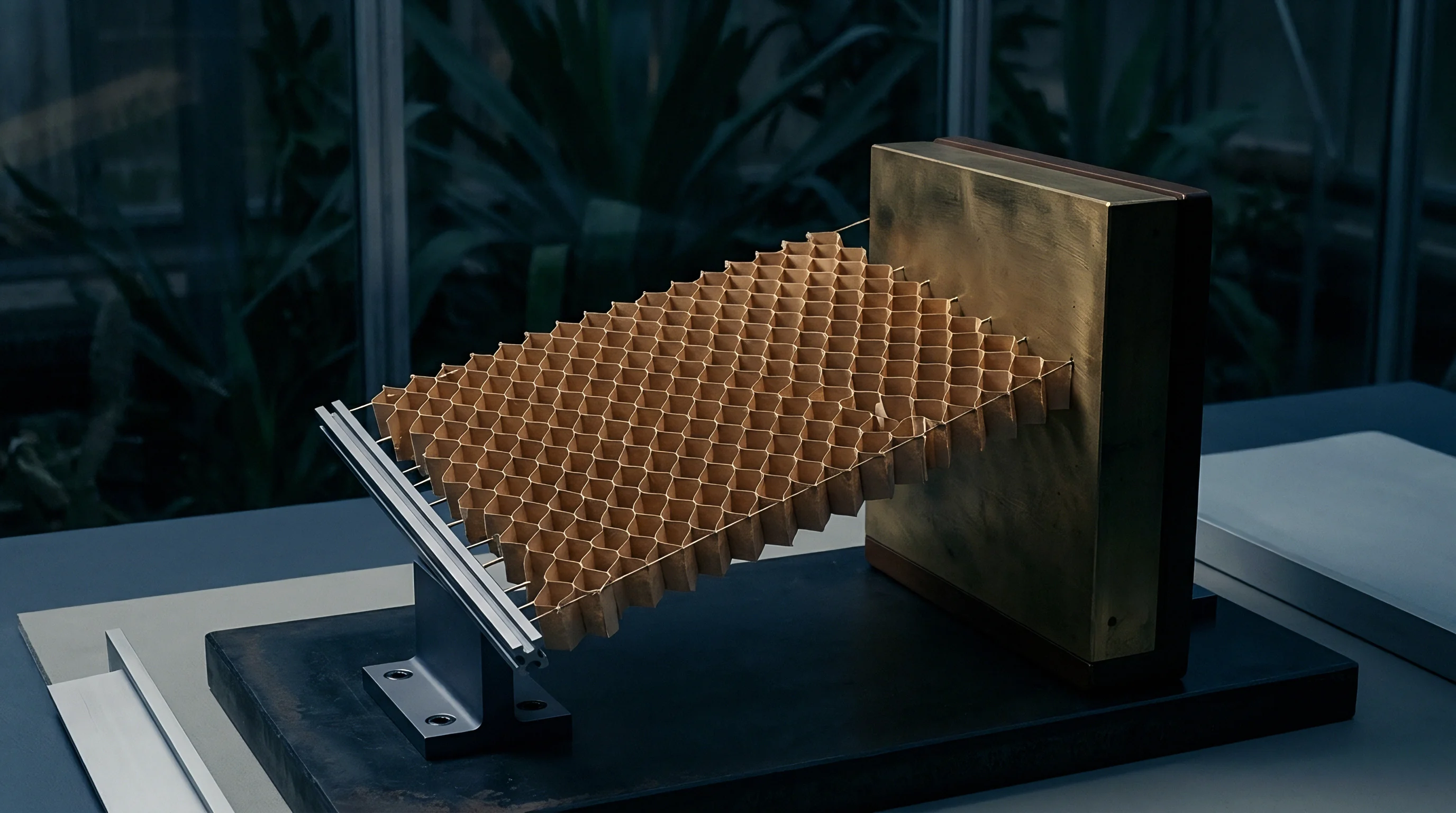
Polymer Chain Scission and Micro Pinholing
Extrusion coatings subjected to severe dynamic impact undergo mechanical degradation of polymer chains, reducing localized film density and molecular weight continuity. Linear low-density polyethylene exhibits relatively high strain tolerance during scoring, but mineral-filled bio-polymers and barrier dispersions crack under minimal angular deflection, particularly as polymer ductility falls at low temperatures. Selecting functional coatings without accounting for their dynamic elongation limits at high deformation rates introduces widespread field failure risks.
| Barrier Material Type | Coating Weight (g/m²) | Elongation at Break (%) | Critical Shear Stress (MPa) | Micro-Crack Threshold Speed (m/min) |
|---|---|---|---|---|
| 15 to 18 | 220 to 280 | 18.5 | 650 | |
| 18 to 22 | 110 to 140 | 24.2 | 420 | |
| 6 to 10 | 45 to 70 | 31.0 | 280 | |
| 12 to 16 | 15 to 30 | 38.5 | 180 |
Aqueous barrier dispersions show particular vulnerability during creasing operations due to high inorganic pigment loading and low film thickness. Pigment particles act as stress concentration sites within the dried polymer matrix, initiating micro-fractures under sharp shear loads. Increasing binder ratio improves film elasticity but elevates surface tack, causing roll blocking during reel rewinding passes.
How Do High Dynamic Shear Profiles Induce Micro Fracturing?
Tensile stress fields along the outer radius of a creased board pull the functional film across rigid cellulose fibers. As the male creasing rule forces paperboard into the matrix cavity, the outer polymer layer undergoes rapid stretching over a discontinuous fiber matrix. Irregularities in fiber density produce localized stress peaks that exceed the ultimate tensile strength of the thin barrier film, causing micro-voids to form along the score line.
Standard dyne solutions applied to static flat samples fail dynamic validation and cannot predict how barrier films behave under dynamic impact on the folding line. Pinholes created during creasing expand when the carton blank is subsequently folded ninety or one hundred eighty degrees on automatic folder-gluers, destroying atmospheric protection for dry food or liquid packaging applications.
Micro-crack development allows grease and vapor ingress that turns structural packaging limp and causes grease staining along finished carton edges, destroying retail presentation and leading to mass shipment rejections by consumer brand owners.

Geometry
Precision selection of score rule width, male rule tip radius, matrix channel width, and channel depth governs the mechanical stress distribution through the paperboard matrix. Standard trade formulas for rule and matrix sizing frequently prove inadequate when converting barrier-coated substrates at high press speeds, where correct clearance prevents barrier pinholes. Tooling dimensions must account for combined substrate caliper, barrier film thickness, moisture content, and machine direction grain orientation.
Matrix channel width controls the span over which paperboard bends during male rule entry. Excessively narrow channels exert severe shear loading on the sheet edges, causing surface liner cutting and immediate barrier destruction. Excessively wide channels allow diffuse deformation, producing sloppy, high-resistance folds that jam high-speed cartoning machines downstream.

Matrix Channel Width and Penetration Depth Ratios
Theoretical channel width calculations rely on adding twice the board thickness to the male rule width. High-speed barrier board converting requires expanding this clearance constant by fifteen to thirty percent depending on coating ductility, as thicker films require wider channels. Increasing matrix channel width reduces localized shear stress, distributing tensile strain across a broader zone and preserving functional film continuity.
- Verify raw substrate caliper and coating film thickness using ISO 534 dead-weight micrometer protocols across five sample points across the web width.
- Select male creasing rule width matching board thickness, increasing tip radius to 0.71 millimeters for calipers exceeding 400 micrometers to prevent localized line cutting.
- Calculate matrix channel width using a modified baseline formula adding two point two times board thickness plus film caliper to the rule width.
- Set initial score penetration depth to sixty-five percent of total board caliper using precision shims behind the steel cutting die plate.
- Execute high-speed sample run at target line velocity and audit barrier continuity using dynamic pinhole stain testing across the creased axis.
Rule tip profiling heavily influences barrier layer survival. Standard sharp-radius creasing rules concentrate stress directly along the center line of the score. Specially ground rules with continuous parabolic radii distribute penetration force smoothly, preventing sharp localized displacement while maintaining clear hinge definition within the internal fiber plies.
Tooling Tolerance Verification across Multi Ply Boards
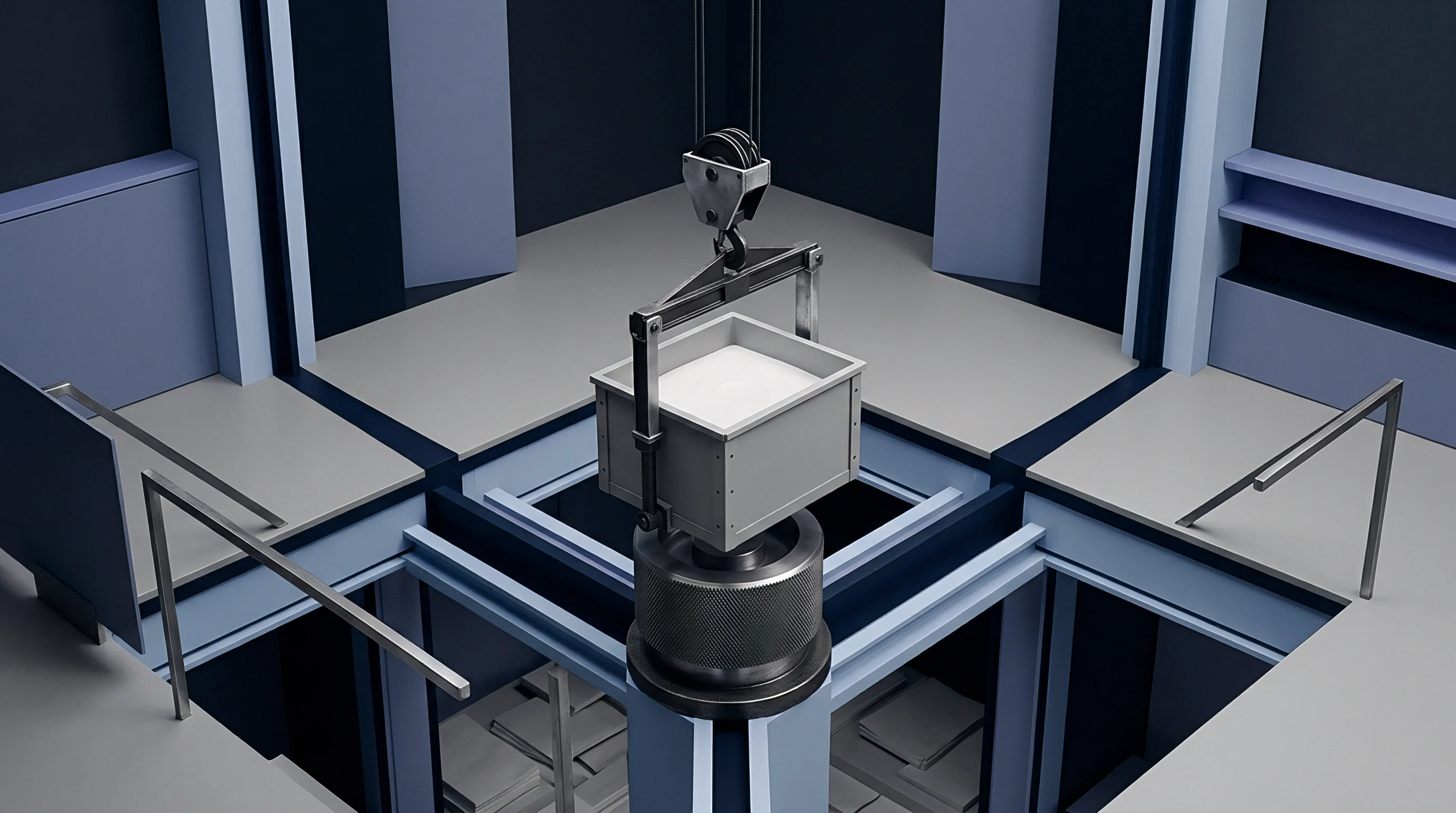
Channel depth dictates the vertical clearance available for displaced board volume during the penetration cycle, where inadequate depth creates irregular folds. When board fibers compress into the female groove, the lower liner and barrier coating must fit within the matrix cavity without hitting the hard steel bottom of the groove channel plate.
Compliance with ISO 5628 bending stiffness metrics demands dynamic score verification before running fast barrier converting lines.
When matrix depth is insufficient, bottoming out occurs, subjecting the substrate to extreme hydrostatic compression and tearing the outer barrier film apart. Dynamic pressure sensors embedded in custom die setups confirm that bottoming out spikes peak compressive force by over three hundred percent, destroying structural fiber bonds and rupturing polymer layers simultaneously.
Standard off-the-shelf counter dies do not work uniformly across all cartonboard grades of matching caliper, as they ignore the specific elasticity limitations and volumetric clearance demands imposed by barrier-coated substrates.

Kinetics
Deformation energy absorbed during high-speed creasing transforms partially into heat through internal fiber friction and polymer viscous dissipation. The rate of deformation directly influences thermal buildup within the localized creasing zone. At production speeds exceeding six hundred meters per minute, thermal energy generation occurs faster than heat can conduct away through the surrounding fiber matrix or press tooling steel.
Temperature rises in the creasing zone can locally exceed the glass transition temperature of thermoplastic barrier coatings. When polyethylene or bio-polymer films pass through their glass transition threshold during mechanical impact, their modulus drops sharply, altering deformation mechanics. Softened polymers flow under shear loading rather than snapping, but excessive thermal softening leads to film thinning and localized pinhole generation under high scoring pressure.
Viscoelastic Relaxation Times and Board Moisture
Paperboard exhibits pronounced viscoelastic behavior during dynamic mechanical deformation. Substrate moisture acts as a plasticizer within the hydrogen-bonded cellulose structure, shifting the stress relaxation curve toward shorter timescales. Maintaining board moisture content between six point five and seven point five percent provides optimal fiber mobility during score formation.
| Converting Speed (m/min) | Creasing Dwell Time (ms) | Peak Crease Temperature (°C) | Fiber Storage Modulus E’ (GPa) | Polymer Loss Modulus E” (MPa) |
|---|---|---|---|---|
| 6.80 | 24.2 | 4.12 | 120 | |
| 3.40 | 29.5 | 4.85 | 165 | |
| 2.04 | 38.1 | 5.60 | 210 | |
| 1.36 | 49.7 | 6.35 | 285 |
Dry board below five percent moisture exhibits brittle cellulose failure under high-speed scoring impact. High stiffness prevents clean ply delamination, driving stress directly into the functional coating and forcing surface cracking. Over-conditioned board above nine percent moisture loses structural stiffness, requiring deeper creasing rule penetration that damages the outer liner through excessive strain elongation.
Thermal Dissipation during High Impact Creasing
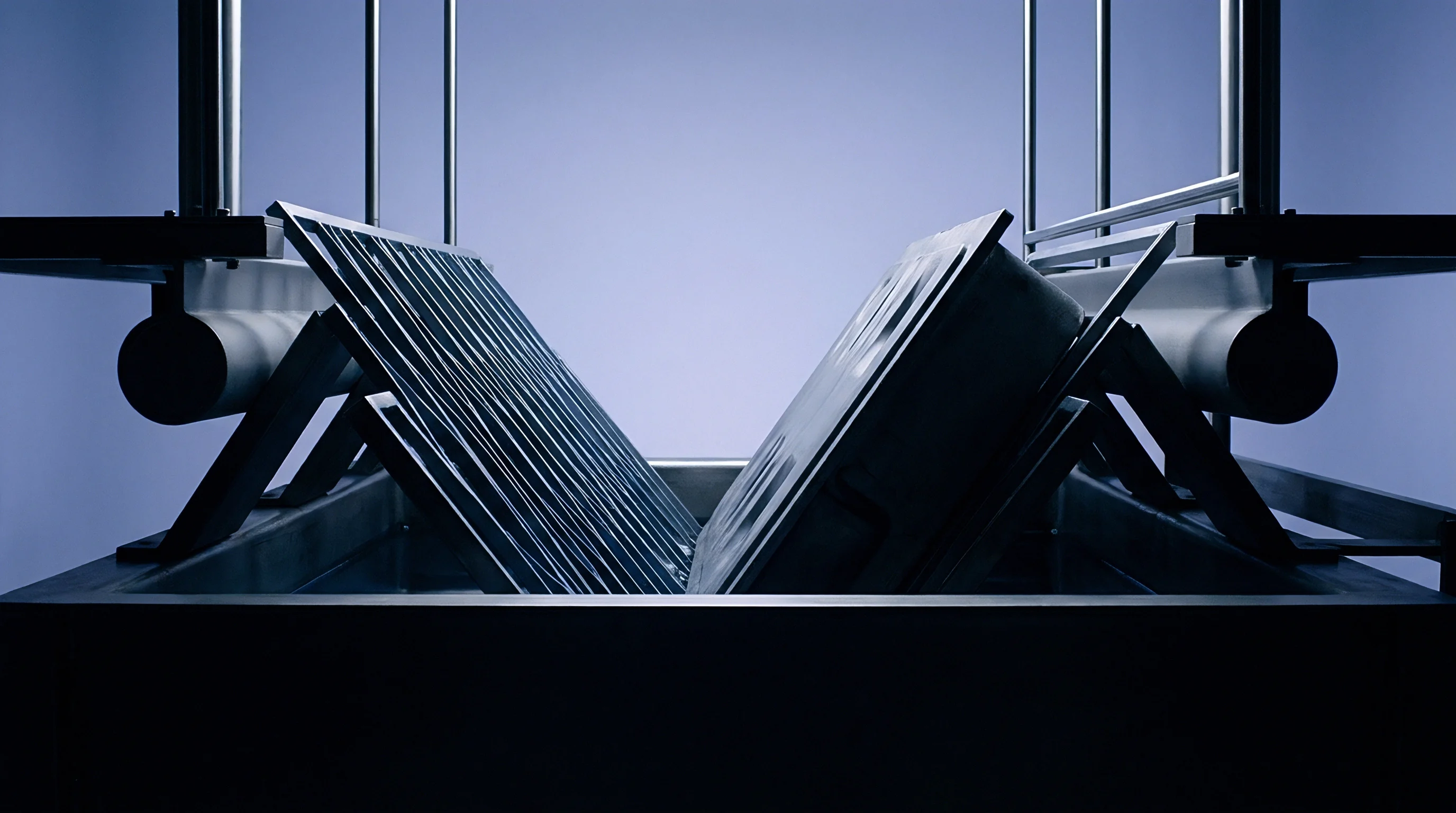
Transient finite element thermal analysis reveals localized temperature spikes reaching fifty degrees Celsius within the creasing zone during ultra-high-speed operations. This thermal pulse alters coating ductility during the precise millisecond window when peak shear stress occurs. Understanding the dynamic thermal equilibrium between press speed, tooling heat sink capacity, and substrate moisture enables predictive adjustment of scoring parameters.
Excessive moisture softening of inner fiber layers shifts mechanical loading directly onto fragile functional coatings.
Managing thermal dissipation across high-speed press runs requires precise control over ambient converting hall humidity and board stack conditioning prior to feeding into the cutting and creasing station. Cold paperboard stock retrieved directly from cold storage warehouses causes catastrophic barrier cracking due to polymer embrittlement at depressed processing temperatures.
How does localized shear heat accumulation within multi-layer bio-polymer coatings alter long-term barrier performance after ambient cooling and structural stress recovery?

Margin
Structural damage occurring during high-speed scoring impacts plant waste metrics, unit pricing, and overall conversion profitability. Undetected micro-fracturing leads to field failures where defective cartons allow atmosphere transfer, resulting in spoiled product and expensive batch recalls. Operating converting lines at reduced speeds to preserve barrier integrity avoids immediate material cracking but destroys unit economics by burning capacity.
Tooling expenditures represent a small fraction of total job cost, yet improper die selection creates massive spoilage rates across long production runs. High-precision milled steel counter dies cost significantly more than standard creasing matrix strips, but deliver precise channel geometry and thermal stability necessary to maintain barrier integrity across multi-million carton orders.
Scrap Rate Impact of Barrier Integrity Failures
Spoilage rates on high-speed folding carton lines typically run between one point five and three percent for standard dry-food packaging. Converting barrier-coated substrates using unoptimized creasing setups can push scrap rates above eight percent due to barrier continuity rejection during inline quality checks. Unplanned downtime for matrix replacement further inflates press hour rates.
- Tooling re-qualification costs mount quickly when dies require re-grinding or replacement after failing dynamic barrier continuity testing during first-off approval passes.
- Substrate waste expenditure scales directly with press operating speed, generating hundreds of defective sheets per minute when scoring setups fail to handle raw material caliper variations.
- Extended make-ready duration drains press operating capacity as operators manually adjust rule depth and impression pressure to balance score definition against liner cracking.
- Extended shelf life liabilities emerge when micro-fractured barrier cartons fail in market, triggering commercial indemnity claims and brand owner financial penalties.
Evaluating total job landed cost requires calculating the financial balance point between machine operating velocity, die investment, and scrap allowances. Running a high-value barrier sheet at six hundred meters per minute with premium tooling yields significantly higher net profit than running at three hundred meters per minute with low-cost creasing matrices that require frequent replacement.
Capital Allocation for High Speed Tooling Precision
Investing in custom-milled steel counter plates rather than press-applied plastic matrix strips provides repeatable channel geometry that resists deformation across millions of press cycles. Plastic matrices suffer dimensional wear under continuous dynamic impact, expanding channel width over time and gradually degrading crease definition while increasing shear loading on functional barrier layers.
Barrier continuity loss in folded carton corners remains the primary origin of shelf-life degradation in modified atmosphere packaging.
Advanced tooling strategies incorporate dynamic shear modeling directly into CAD die design software, generating customized creasing rule profiles matched specifically to the substrate moisture, caliper, and coating viscoelasticity properties verified in pre-press laboratory testing.
Standard purchase contract clauses for high-barrier cartonboard specify that supplied board must demonstrate zero pinhole formation under EN 13676 test protocols when creased using standard laboratory creasing devices at standard baseline depths, shifting legal liability for line speed dynamic stress failures entirely onto the converting press operator.