Die Cutting Component
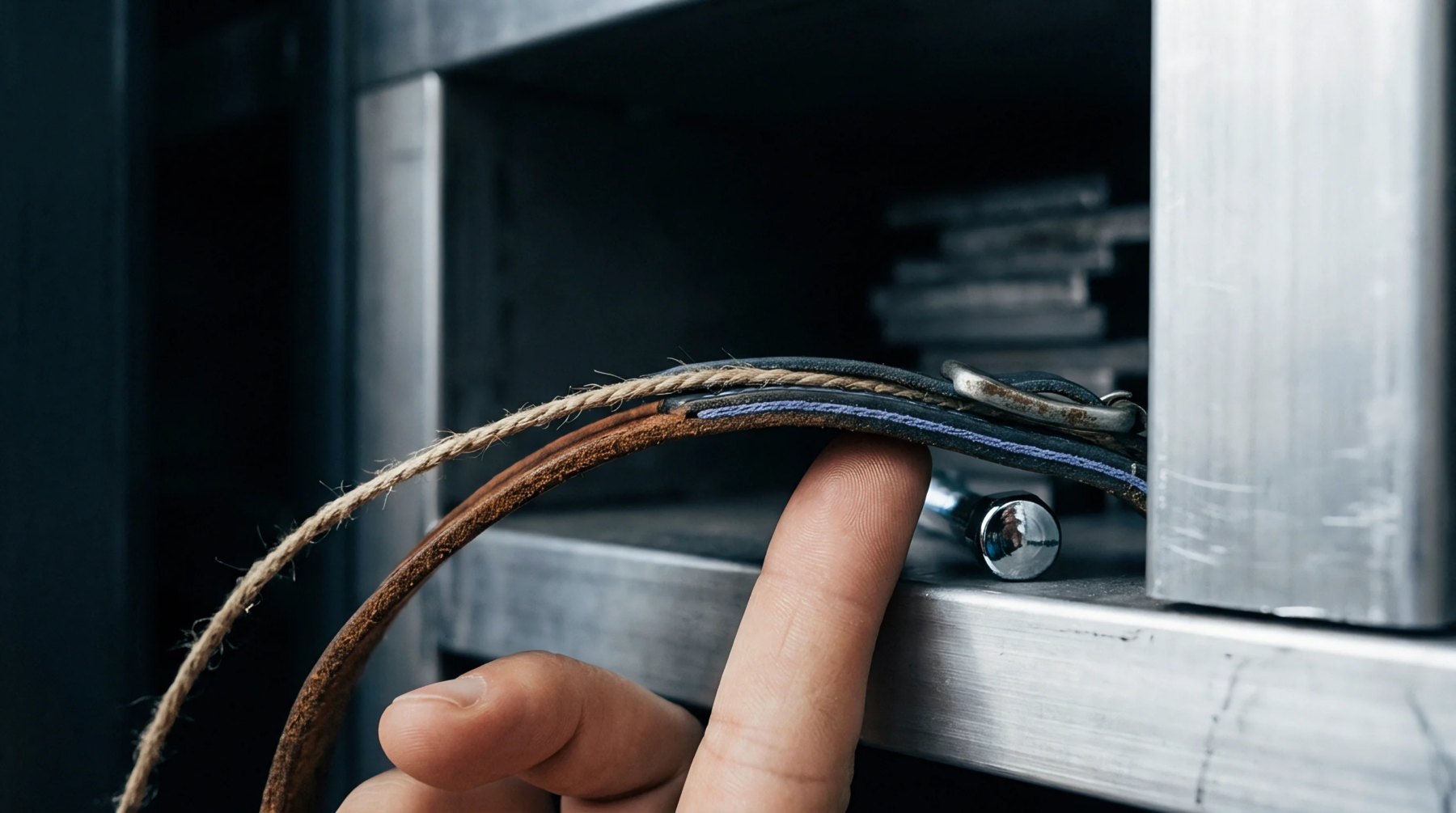
Metal inserts with rounded profiles are mounted in steel-rule dies to create pre-defined fold lines in paperboard. Selecting the correct creasing rule requires matching its height and thickness to the caliper of the board being converted. This tool works in conjunction with a groove in the counter-matrix to compress the fiber structure without rupturing the surface.
Deformation Mechanism
Force applied by the steel insert pushes the paperboard into the female die, inducing a deliberate shear deformation. A creasing rule initiates a controlled delamination of the internal plies, creating a hinge that bends easily during gluing and packing. Proper alignment prevents the outer liners from cracking and ensures the board folds along the intended axis.
If the pressure is uneven, the board may split or the fold will be misaligned, leading to jamming on high-speed filling lines.
Operational Tolerance
Adjusting the height of the steel insert allows converters to handle different board weights and thicknesses on the same equipment. Wear on the rule reduces the crispness of the fold, making it necessary to monitor the sharpness of the rounded top edge. Hardened steel rule inserts maintain their profile over hundreds of thousands of impressions, reducing the need for frequent replacements.
When thin boards are run with too thick a rule, the paperboard experiences excessive tensile stress, causing immediate failure along the crease.