Mechanical Scoring Rule Geometry Effects on Repulpable Dispersion Barrier Continuity under Subzero Conditions
Rounded three-point creasing rules and wide steel counter channels prevent subzero dispersion barrier cracking by suppressing tensile shear along carton folds.

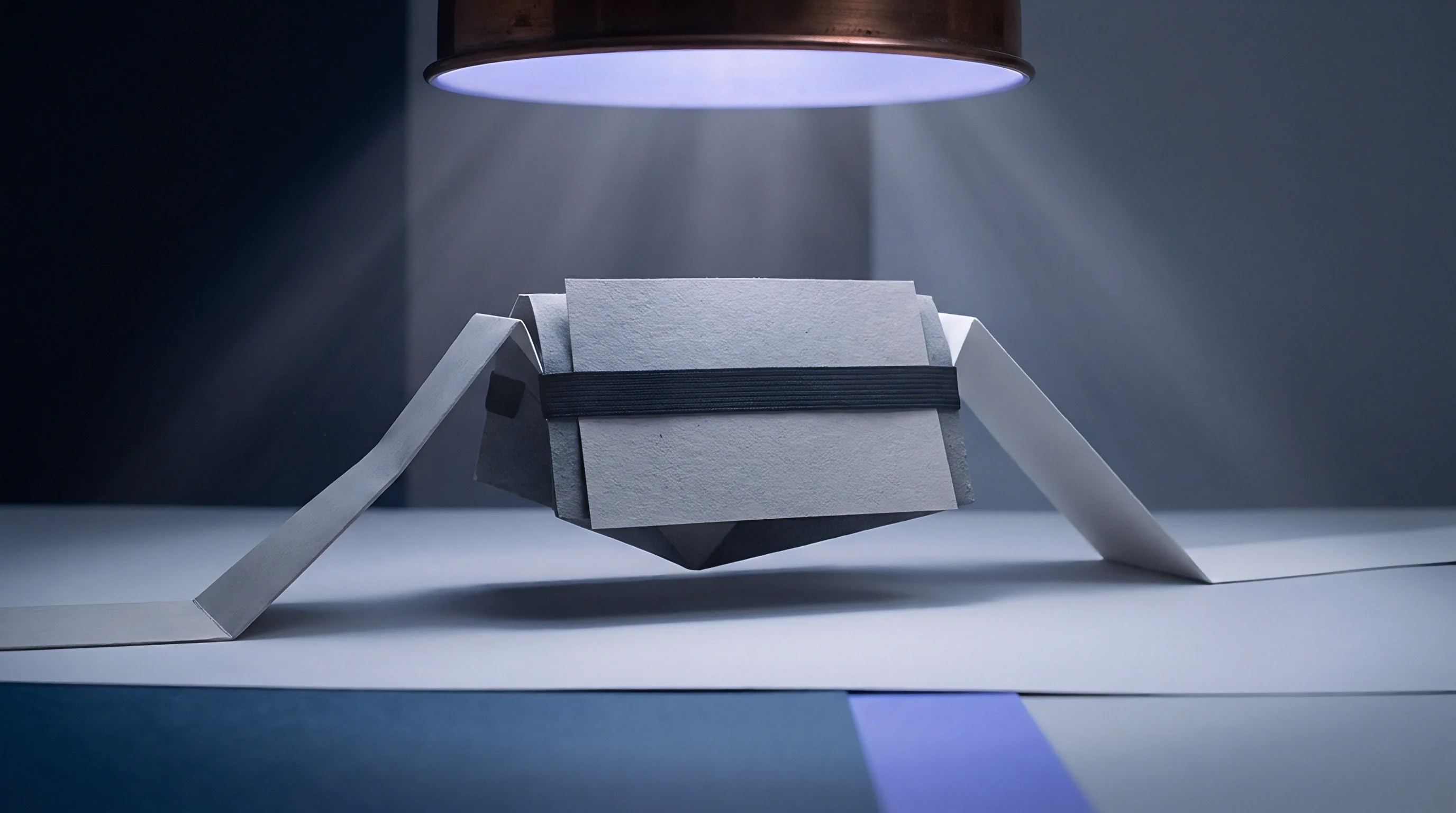
Matrix
Placing an 18-gram-per-square-meter waterborne acrylic dispersion coated folding boxboard into an environmental test cabinet at minus twenty degrees Celsius reveals the exact failure point of mechanical scoring. Under 40x magnification, the scored bead shows microscopic fissures across the tensile shoulder of the fold. The carton blank had run through an automatic platen press using a standard 0.71-millimeter by 23.80-millimeter creasing rule pressed into a 0.40-millimeter by 1.30-millimeter channel.
At room temperature, that configuration produced an acceptable crease without visible surface rupture. Dropping the ambient temperature past the polymer glass transition point converts ductile deformation into brittle fracture along the crease ridge.
The scoring pass defines whether a barrier layer survives folding. In flat-bed autoplaten die cutting, the scoring rule forces the paperboard into a counter channel, inducing internal shear delamination between the structural plies of the board. This delamination forms an internal hinge.
Without controlled delamination, the outer liner experiences excessive tensile elongation. The dispersion coating sits directly on that tensile face. When the board folds along the scoreline, the outer surface expands across the outer arc of the bead while the inner liner crushes into the hinge void.
The crease line fails.
Wider creasing channels distribute bending strain across adjacent fiber walls rather than concentrating shear at the polymer coating boundary.
Standard cartonboard converting relies on empirical channel width calculations where matrix channel width equals the creasing rule thickness plus 1.5 times the total board caliper. For dry, non-coated commodity cartons running at twenty degrees Celsius, this rule of thumb maintains score bendability without cracking the outer bleached chemical pulp layer. Applying that identical ratio to dispersion barrier grades destined for subzero cold-chain transport induces catastrophic pinholing.
The cold alters polymer ductility.
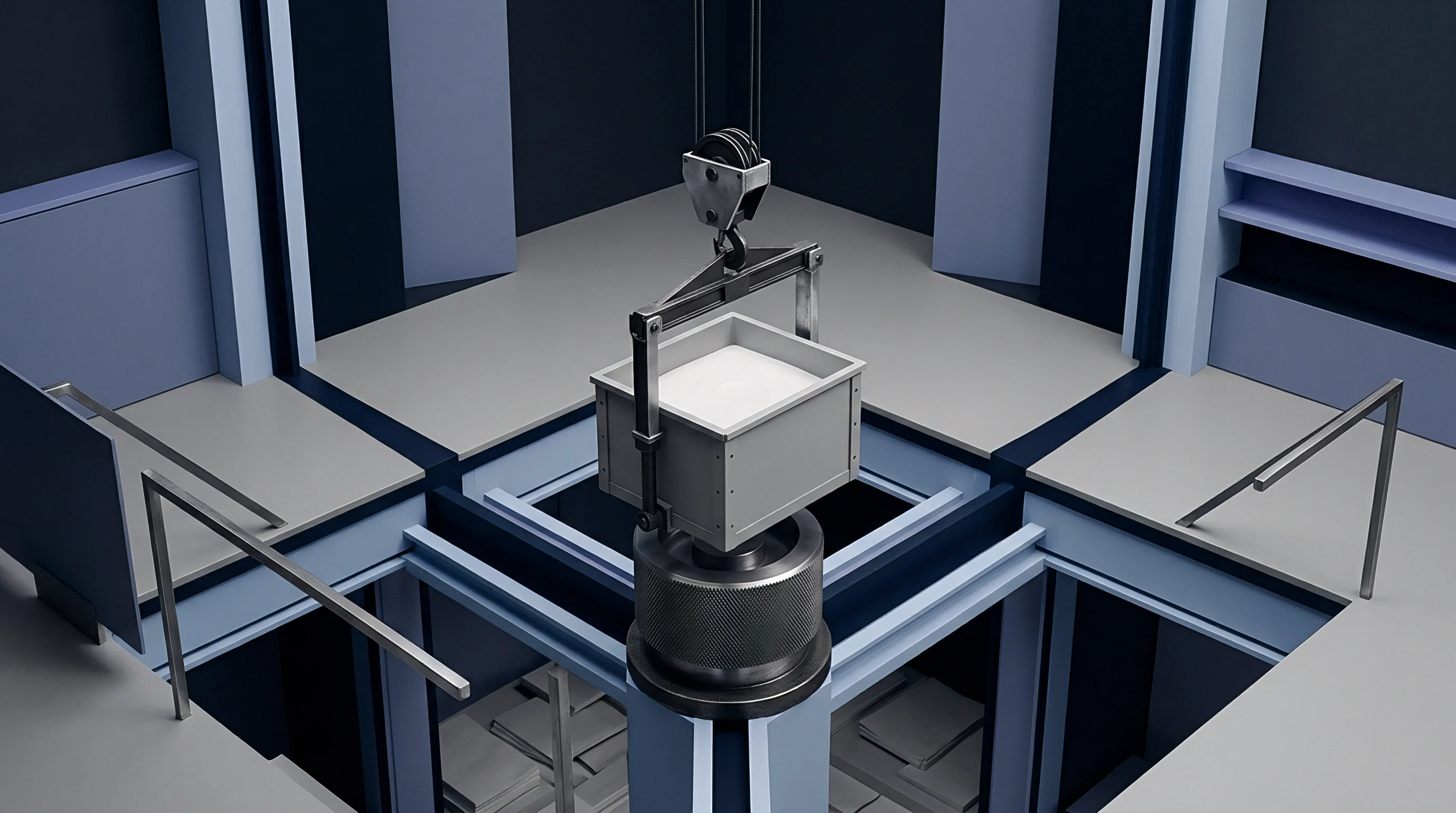
Anvil Indentation Dynamics
Counterforce selection controls how compressive force translates into board ply separation beneath the cutting platen. Steel counterplates machined with dedicated channels yield a rigid pocket that forces fiber shear into the middle mechanical pulp layers. Phenolic counter matrices offer slight elastic compliance under dynamic impact, dampening the peak localized shear force delivered by the rule tip.
When scoring sheets at 7,000 impressions per hour, dynamic platen deflection introduces strike depth variations of 0.03 millimeters across the die layout.
Tooling wear accelerates microcracking. Steel counters demand rigid shimming. If make-ready tape compresses unevenly across the die chassis, certain carton cartons receive deeper penetration, thinning the barrier membrane beneath the rule shoulder.
When penetration exceeds sixty percent of the uncompressed sheet thickness, the dispersion layer suffers severe micro-necking even before subzero chilling occurs.
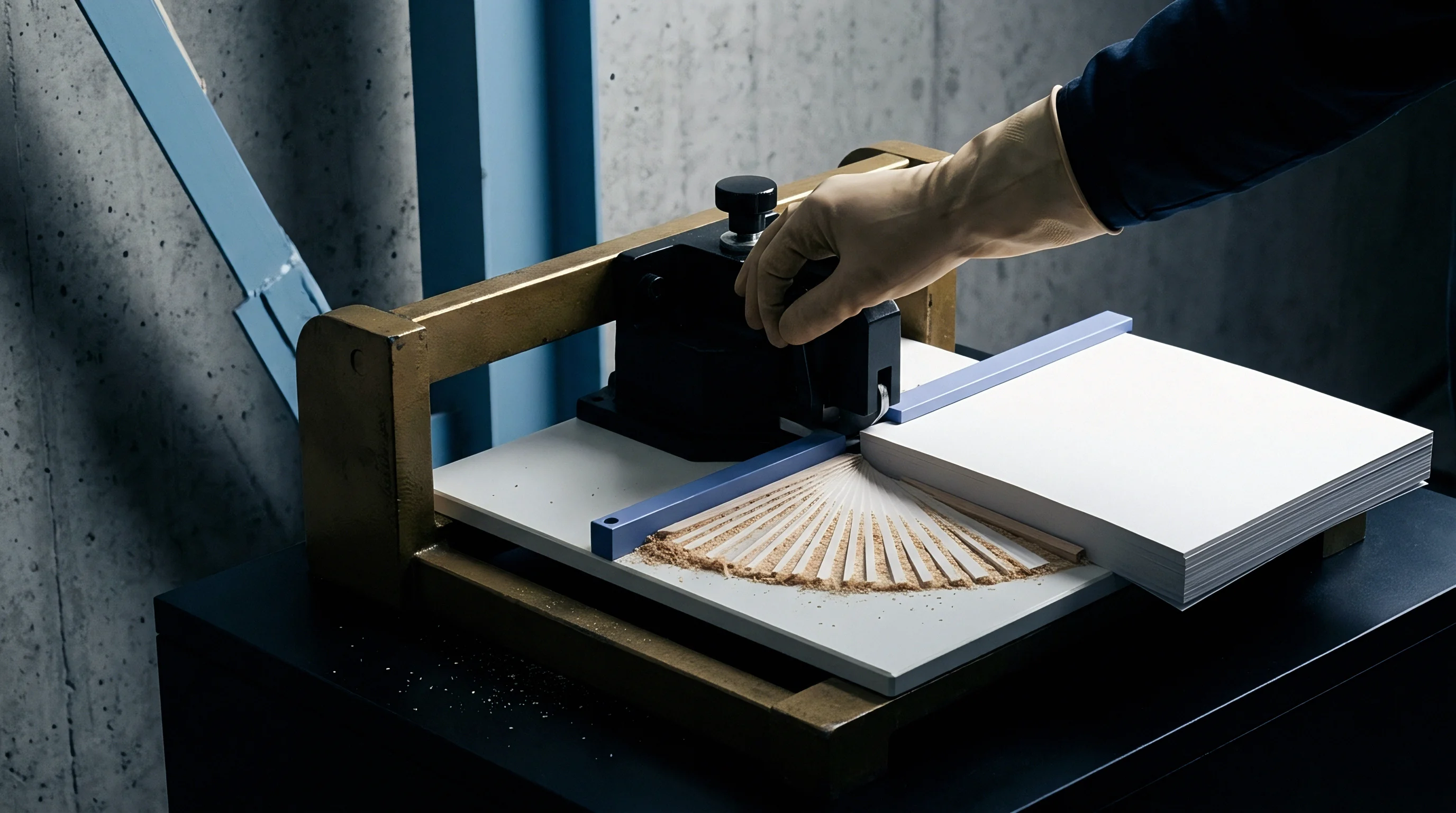
Fiber Ply Delamination Modes
Solid bleached sulfate boards behave differently under scoring rules compared to folding boxboards containing groundwood or thermomechanical pulp cores. Chemical pulp plies stretch further before fiber rupture, providing an elastic base for the dispersion film during ambient converting. The rigid middle plies of folding boxboard shear cleanly to form the internal creasing bead.
Subzero exposure freezes the residual moisture within the middle plies, altering fiber bundle compressibility.
- Interlaminar shear failure occurs when the creasing matrix is excessively narrow, preventing ply cleavage and tearing the outer surface barrier layer cleanly off the top liner.
- Tensile necking fracture develops along the outer shoulder of the crease when excessive rule penetration stretches the coating beyond its ultimate tensile elongation limit.
- Compressive buckling delamination forces the dispersion barrier inward against crushed middle fibers, creating micro-voids along the carton interior where grease and moisture vapor pool during thaw cycles.
A wider channel geometry with rounded shoulder edges preserves barrier integrity across the entire fold angle.

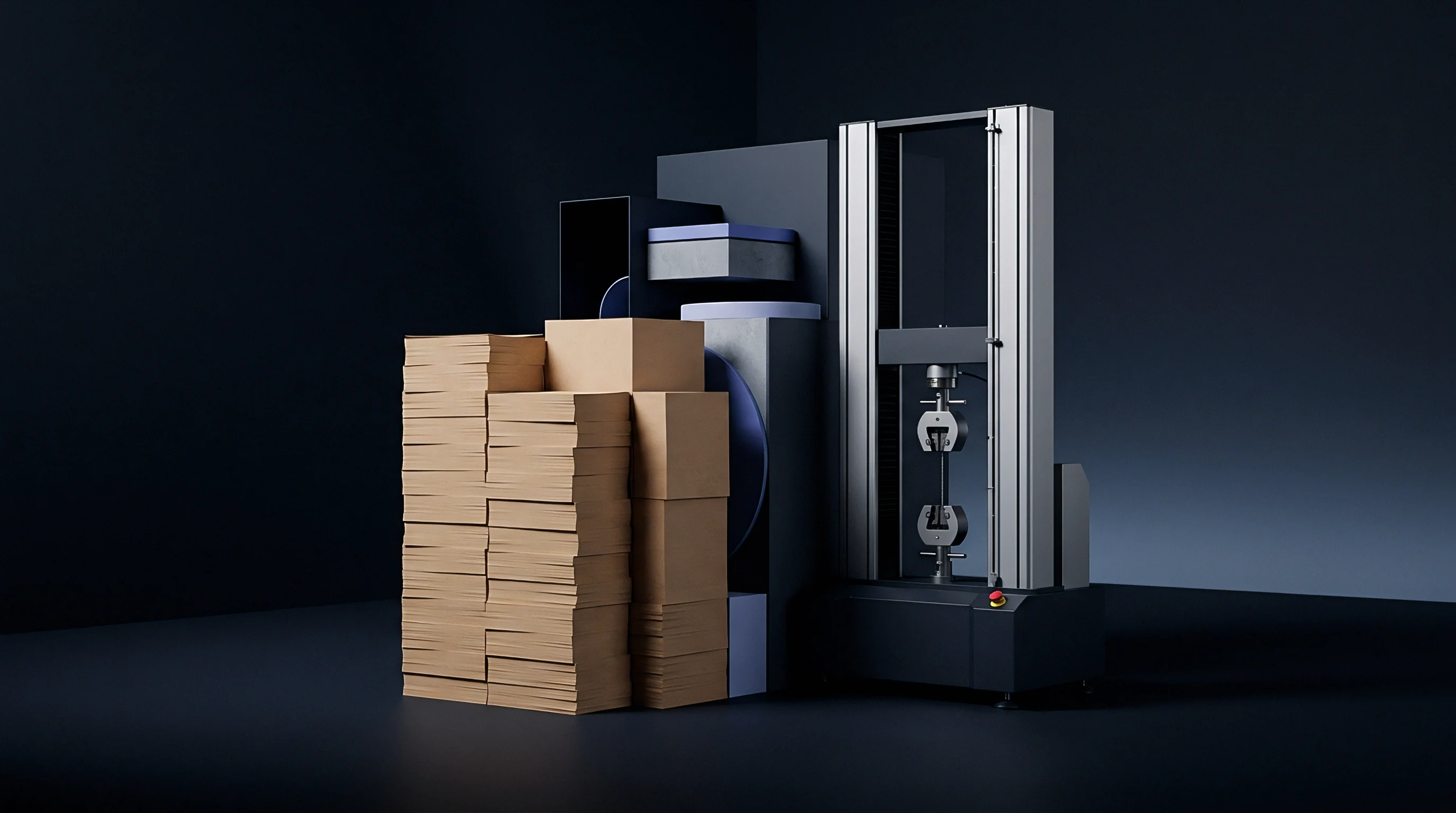
Chill
Dispersion coatings replace extruded polyethylene by creating a thin, uniform film of crosslinked acrylics, styrene-butadiene rubber, or biopolymer emulsions across the paper surface. These polymer lattices rely on plasticizers and soft segments to maintain flexibility during die cutting and folder-gluer transport. Cooling that finished film below zero degrees Celsius alters its physical properties.
Polymer chains lock in place.
The glass transition temperature, designated as Tg, serves as the critical boundary between plastic compliance and glass-like brittleness. Formulations engineered for ambient water resistance frequently feature a Tg between ten and twenty-five degrees Celsius to prevent blocking inside the rewound master roll. Storing cartons coated with these grades in frozen storage at minus twenty-five degrees Celsius drives the coating well below its glass transition zone.
The polymer matrix loses its ability to dissipate tensile stress through viscoelastic relaxation.
A dispersion barrier that withstands folding at ambient warehouse temperatures shatters when creased below its polymer glass transition threshold.
Water vapor transmission rate, or WVTR, measures moisture passage through the packaging substrate under controlled temperature and humidity gradients. At twenty-three degrees Celsius and fifty percent relative humidity, a pristine, flat sheet of 20-gram dispersion coated board demonstrates a WVTR of five grams per square meter per day under ISO 2528. Subzero mechanical testing at minus twenty degrees Celsius with ninety percent internal pack humidity reveals sharp divergence between flat and creased areas.
An inadequate crease profile drives post-fold transmission values beyond sixty grams per square meter per day, destroying freezer burn protection.

Glass Transition in Aqueous Dispersions
Thermomechanical analysis demonstrates a dramatic drop in polymer elongation at break as temperature drops through the glass transition zone. At room temperature, a waterborne acrylic latex may exhibit an elongation capacity of two hundred percent, absorbing the geometric stretch imparted by a 180-degree folding sequence. At minus twenty degrees Celsius, that identical dried emulsion displays an ultimate elongation below fifteen percent.
Any score geometry that demands greater than ten percent local elongation on the outer tension surface generates immediate crazing.
Blast freezing stiffens acrylic polymers. Water vapor molecules migrate through crazing tracks via capillary pathways, frosting the unbonded fibers beneath. The unbonded cellulose then absorbs moisture during temperature fluctuations in transport, swelling and forcing the brittle coating further away from the fiber matrix.

Emulsion Crystallization under Subzero Storage
Secondary additives introduced to enhance mineral oil and grease resistance create further mechanical risks in frozen environments. Crystalline bio-waxes and mineral pigments like platy talc or kaolin increase barrier tortuosity, yet they act as stress concentrators inside the polymer binder. When the substrate bends, stress focuses on the boundary between rigid pigment platelets and frozen polymer binders.
- Pigment debonding appears around dense kaolin stacks, opening microscopic pinholes along the score apex where vapor enters the paperboard matrix.
- Micro-void propagation traverses the coating thickness within seconds of deep-freeze exposure, generating a lattice of interconnected hairline fractures visible under dye penetration.
- Coating spalling detaches flake fragments from the board surface during subzero vibration testing, dropping loose barrier debris directly into food-contact zones.
Subzero transit exposes every fracture. Chemical suppliers claim their emulsions maintain elasticity across all commercial temperatures, attributing deep-freeze score cracking to operator error during make-ready shimming.

Profile
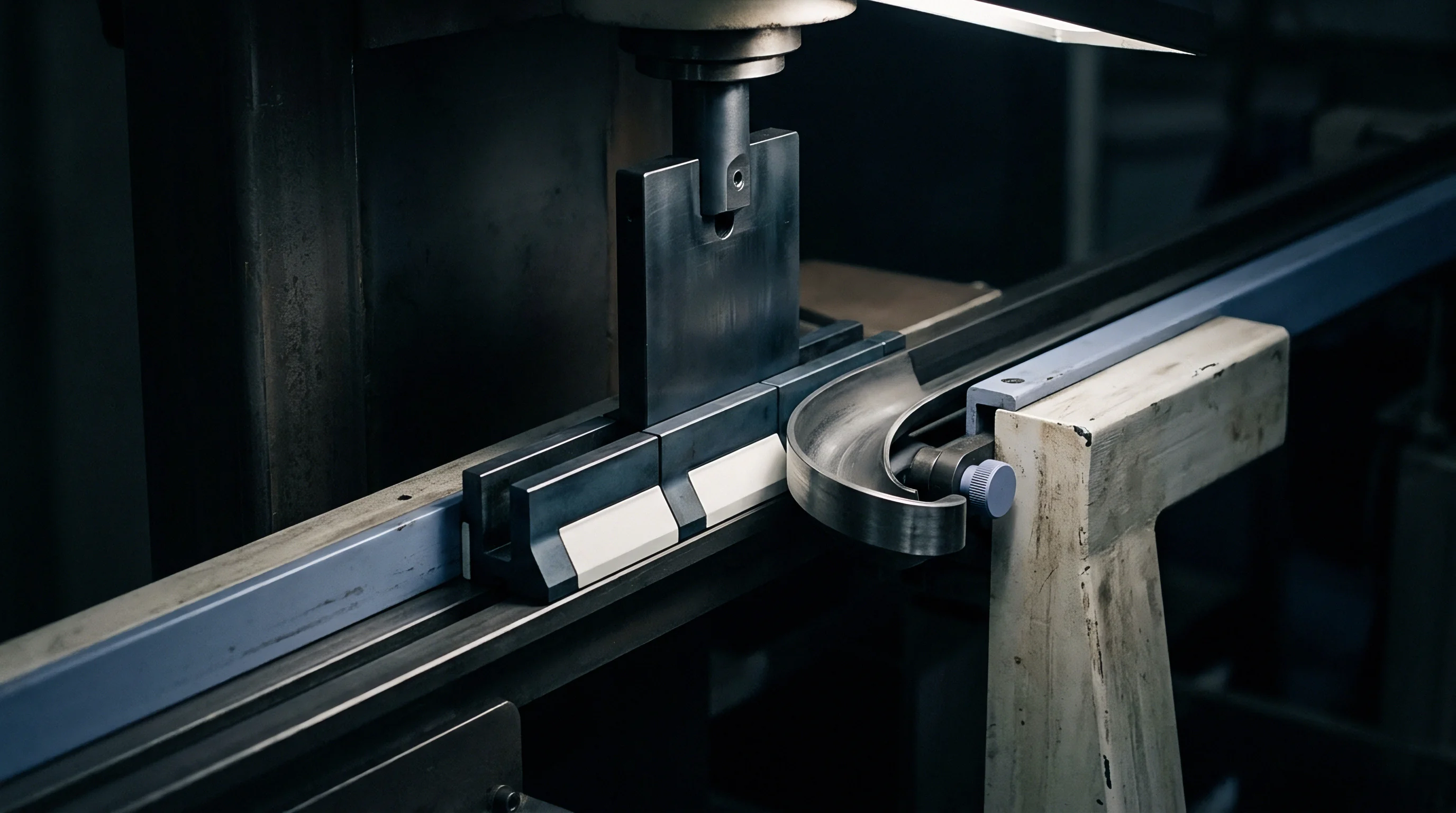
Rule geometry dictates the distribution of mechanical strain through the sheet thickness during the fraction of a second the die makes contact. Traditional die makers specify a two-point rule, measuring 0.71 millimeters in width, with a standard center bevel and a slightly curved, ground nose. That nose profile concentrates peak compressive force into a narrow band, shearing fibers cleanly for an easy fold.
On frozen barrier packaging, this narrow contact band initiates surface micro-fissures that remain latent until subzero storage freezes the residual binder elasticity.
A broader rule nose redistributes vertical compression across a wider footprint. Switching to a three-point rule measuring 1.05 millimeters across with a true radial crown reduces surface contact pressure by forty percent. The rounded steel tip rolls across the paper surface rather than gouging it.
Running speed alters effective dwell. At slower operational press speeds of 4,000 sheets per hour, the prolonged dwell time permits fiber slippage within the middle ply, while running at 8,000 sheets per hour delivers an impact strike that tears brittle coatings unless counter channels are widened significantly.
A two-point round-nose rule operating in a channel width of 1.4 times board caliper holds water vapor transmission below twelve grams per square meter per day at minus twenty degrees Celsius.
Tooling clearances require recalibration when converting dispersion boards for deep freeze applications. The formula for matrix channel width must expand from standard commercial norms. For a 350-micrometer board, an ordinary matrix width sits near 1.20 millimeters.
For subzero dispersion retention, that channel dimension expands to 1.55 or 1.60 millimeters, paired with a reduced penetration depth that prevents crushing the outer fibrous layers.
Can Symmetrical Tooling Prevent Cold Barrier Rupture?
Trapezoidal scoring rules offer an alternative to traditional rounded edges. A trapezoidal profile features angled flanks that match the natural hinge angle of the carton blank as it folds to ninety or one hundred and eighty degrees. By preshaping the fold shoulder during the die cutting pass, the tooling minimizes secondary tensile strain during subsequent gluing and erecting steps.
Heated rules soften the coating. Integrating low-voltage electrical resistance cartridges into the die chase warms scoring rules to fifty or sixty degrees Celsius. This elevated temperature temporarily lifts the waterborne acrylic layer above its glass transition threshold during the precise millisecond of mechanical deformation, allowing the film to flow plastically into the crease bead.
Once returned to ambient and subzero storage, the coating retains a seamless, micro-crack-free boundary.
Creasing Rule Edge Radii Specifications
The radius of curvature on the creasing rule tip defines the localized shear rate. Standard commercial rules possess an edge radius between 0.35 and 0.40 millimeters. Custom-machined barrier rules incorporate a true hemispherical profile with a 0.52-millimeter radius.
Machining tolerances on these specialty rules demand precision grinding within plus or minus five micrometers along the entire steel length.
- Tooling dimension inspection verifies the incoming rule profile using an optical comparator to confirm uniform edge curvature prior to die assembly.
- Channel alignment mapping positions the counterplate channels exactly concentric to rule tips, keeping lateral deviation under 0.02 millimeters to avoid asymmetric barrier shearing.
- Step-down make-ready shimming establishes impression depth by adding calibrated 0.01-millimeter tissue layers until internal delamination appears without outer film rupture.
- Crease stiffness validation tests the bending resistance of first-off sheets on an L and W Crease Tester, balancing runnability against barrier retention.
Die cutters achieve optimal yields when operators balance structural stiffness with coating flexibility. The table below compares specific tooling configurations evaluated on a 350-micrometer folding boxboard carrying an 18-gram-per-square-meter repulpable acrylic dispersion, tested for barrier performance after 180-degree folding and seventy-two hours of exposure at minus twenty degrees Celsius.
| Rule Thickness | Nose Profile | Matrix Width | Penetration Depth | WVTR at -20°C | Pinhole Density |
|---|---|---|---|---|---|
| 0.71 mm (2 Pt) | Standard Bevel (0.35 mm radius) | 1.25 mm | 0.28 mm | 48.2 g/m²/day | 14 per m |
| 0.71 mm (2 Pt) | Radial Crown (0.50 mm radius) | 1.45 mm | 0.24 mm | 11.4 g/m²/day | 2 per m |
| 1.05 mm (3 Pt) | Flat Face Bevel | 1.60 mm | 0.26 mm | 22.8 g/m²/day | 5 per m |
| 1.05 mm (3 Pt) | Full Hemisphere (0.52 mm radius) | 1.65 mm | 0.22 mm | 4.1 g/m²/day | 0 per m |
| 1.42 mm (4 Pt) | Trapezoidal Profile | 1.85 mm | 0.20 mm | 3.8 g/m²/day | 0 per m |
| Data gathered following 180-degree inward pre-breaking and 90-degree final erect orientation; WVTR evaluated per ISO 2528 modified for -20°C cabinet atmosphere; pinholes counted via copper sulfate staining under EN 13676. | |||||
Selecting incorrect rule thickness and channel geometry causes premature coating fracture that invalidates frozen barrier specifications, forcing the rejection of entire production pallets during incoming cold-chain quality audits.

Integrity
Verifying barrier continuity across scored edges requires specialized laboratory methods, because standard air-permeance and water Cobb tests miss microscopic cracks. Pinhole penetration confirms barrier rupture. When a folded carton blank is warmed to room temperature for testing, the elastic relaxation of cellulose fibers can compress micro-fissures, hiding defects from standard optical gauges.
Testing protocols must target the barrier surface while the blank remains conditioned at target freeze temperatures or immediately following mechanical stress cycles.
The standard test method EN 13676 provides direct visual confirmation of barrier breach. An aqueous solution containing copper sulfate and a wetting agent covers the creased specimen for two minutes. Pinholes allow the chemical solution to penetrate into the bleached kraft liner below, reacting with base fibers to generate distinct blue-green stains.
On uncreased dispersion surfaces, zero stains appear. Across substandard scoring profiles subjected to blast chilling, the crease lines look like dashed blue bands under optical magnification.
Specification under EN 13676 mandates copper sulfate pinhole staining along the folded scoreline, where any blue stain penetration invalidates the pallet lot.
Liquid water repellency and grease resistance require independent evaluation along the score bead. The Cobb60 test method per ISO 535 evaluates water absorption over sixty seconds. An intact dispersion layer holds water absorption below one gram per square meter.
A shattered crease line allows capillary suction to pull water deep into the middle mechanical pulp layer, escalating Cobb values beyond fifteen grams per square meter across localized scoring zones. Moisture accelerates delamination during chilling.
Is Pinholing Measurable before Deep Freeze Exposure?
Fourier-transform infrared spectroscopy coupled with scanning electron microscopy reveals structural pre-strains that precede cold fracture. Before subzero testing, a scoring pass induces molecular orientation inside the acrylic dispersion along the direction of rule impact. This orientation generates internal stresses.
While ambient dye testing reveals no chemical leakage through these stressed zones, dynamic mechanical thermal analysis demonstrates that internal stored stress shifts the effective glass transition temperature upward by as much as seven degrees Celsius.
A coating with a nominal Tg of zero degrees Celsius behaves as if its Tg were plus seven degrees Celsius once subjected to asymmetric scoring rule stress. When that pre-strained carton enters a cold-chain environment at zero degrees, catastrophic cracking takes place despite datasheet claims indicating safety at that thermal baseline. The mechanical tool acts as a modifier of chemical behavior.
Gas Transmission Rates along Creased Ribs
Evaluating oxygen transmission rate, or OTR, under ASTM F1927 highlights the degradation of atmospheric barrier performance. Oxygen barrier properties preserve flavor and prevent lipid oxidation in frozen oily foodstuffs such as salmon, poultry, and butter. At room temperature, a bio-based repulpable barrier coating can yield an OTR under thirty cubic centimeters per square meter per day per atmosphere.
Subzero mechanical folding disrupts this barrier network.
The table below provides comparative mechanical and barrier retention data across distinct repulpable barrier chemistries, measured on 300-micrometer board scored with a 1.05-millimeter hemispherical rule and conditioned at minus twenty-five degrees Celsius for forty-eight hours.
| Chemistry Base | Coating Weight | Glass Transition (Tg) | Tensile Elongation at -25°C | OTR Post-Fold at -25°C | Subzero Pinhole Frequency |
|---|---|---|---|---|---|
| Aqueous Acrylic Latex | 16 g/m² | -8°C | 18% | 142 cm³/m²/day | 3 per m |
| Modified Styrene-Butadiene | 14 g/m² | -22°C | 42% | 28 cm³/m²/day | 0 per m |
| Waterborne PHA Biopolymer | 22 g/m² | +5°C | 4% | 890 cm³/m²/day | 24 per m |
| Microfibrillated Cellulose + Wax | 18 g/m² | N/A (Crystalline) | 6% | 620 cm³/m²/day | 18 per m |
| Plasticized Vinyl Acrylic | 20 g/m² | -15°C | 31% | 45 cm³/m²/day | 1 per m |
In standard commercial purchase agreements, incorporating a clause that conditions lot acceptance on zero pinhole penetration under EN 13676 after twenty-four hours at minus twenty degrees Celsius shifts technical compliance responsibility directly to the packaging converter.
Outlay
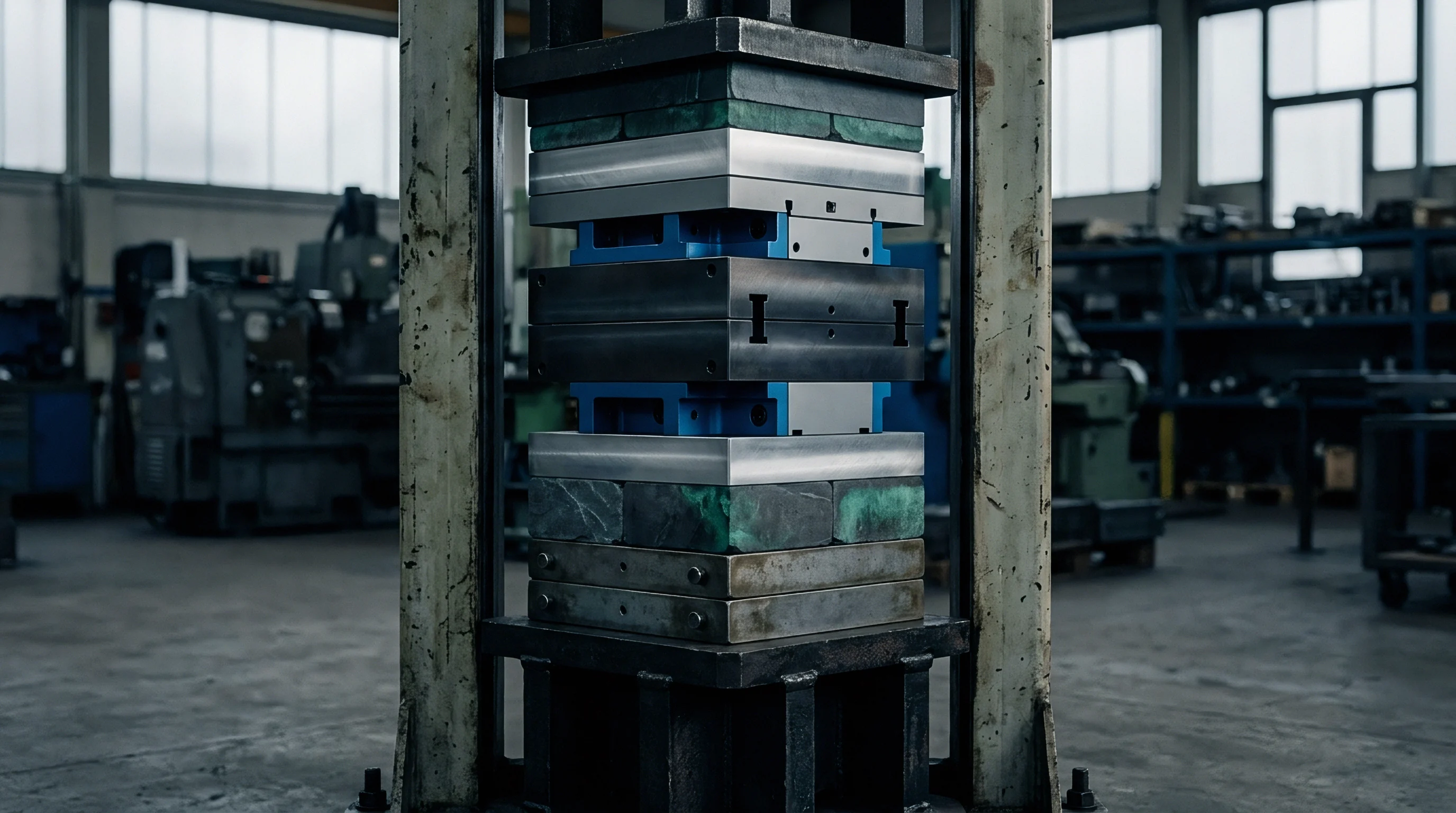
Tooling and make-ready expenditures dictate whether modifying scoring parameters represents a viable operational proposition. Machining dedicated steel counterplates rather than relying on hand-cut Pertinax or phenolic creasing matrices increases upfront die tooling invoices. A complete steel counterplate for a thirty-up folding carton layout costs between 1,200 and 1,800 euros, compared to 250 euros for standard phenolic counters.
The steel tooling eliminates channel edge erosion, securing identical bead geometry from the first sheet through sheet one hundred thousand.
The converter pays the scrap. Operating a high-speed folder-gluer on cartons with unoptimized scoring profiles generates substantial machine jams. When scores lack adequate internal ply delamination, carton blanks resist square formation in the erecting section, demanding excessive vacuum suction and slowing running speeds from 40,000 units per hour down to 22,000 units per hour.
The resulting friction scuffs brittle frozen coatings, creating waste before goods exit the plant.
Make-ready times escalate when tuning dies for dispersion barrier stock. In an ordinary folding carton bring-up, an experienced press operator achieves approved register and creasing within forty-five minutes, consuming roughly three hundred sheets of make-ready waste. Dialing in a barrier-safe scoreline on sensitive dispersion stock requires step-down impression testing, dye staining verification, and micro-caliper checks that extend make-ready to one hundred and ten minutes and consume eight hundred sheets.
On a run length of twenty thousand cartons, that added bring-up scrap adds four percent to total job waste.

Counterplate Tooling Investment Schedules
Calculating the break-even threshold between phenolic matrices and milled steel counters hinges on carton volume and subzero failure liabilities. Consider an order of 250,000 frozen fish cartons running across six production batches over a twelve-month contract. Phenolic counters wear down after 40,000 impressions, causing channel shoulder rounding that alters creasing dynamics mid-run.
Replacing worn phenolic counters three times across the contract cycle costs 750 euros in tooling and consumes six additional hours of downtime valued at 250 euros per machine hour. Total phenolic tooling expenditure reaches 2,250 euros. Investing 1,500 euros in a single hardened steel counterplate at the initial die build avoids ongoing setup cycles, eliminates mid-run drift, and ensures barrier continuity from run start to contract close.
Waste Arithmetic in Frozen Chain Converting
Modulated packaging fees introduced under regional recycling directives alter the commercial ledger. In European jurisdictions operating under Extended Producer Responsibility guidelines, cartons featuring repulpable aqueous dispersions qualify for standard paper recycling streams, avoiding the non-recyclable plastic composite surcharges applied to traditional polyethylene laminates. Polyethylene lamination attracts recycling penalties ranging from 120 to 280 euros per tonne of packaging placed on the market, whereas repulpable mono-material board earns base paper collection rates.
The financial advantage of escaping plastic surcharges evaporates if defective score geometry produces package leakage, product freezer burn, and retailer returns. The table below outlines production expenses and financial risks for a hypothetical manufacturing run of 500,000 frozen food cartons across four distinct converting approaches.
| Converting Specification | Tooling Cost | Make-Ready Waste | Running Waste | Subzero Failure Risk | Unit Cost |
|---|---|---|---|---|---|
| Standard 2 Pt Rule / Phenolic Matrix | €450 | 1.2% | 2.1% | 14.5% | €0.068 |
| Heated 2 Pt Rule / Phenolic Matrix | €2,100 | 2.4% | 1.8% | 3.8% | €0.073 |
| Radial 3 Pt Rule / Steel Counterplate | €1,650 | 1.8% | 0.7% | 0.2% | €0.071 |
| Extruded PE Film (Baseline Control) | €450 | 1.0% | 0.6% | 0.0% | €0.079 |
The figures indicate that investing in radial three-point rules and dedicated steel counterplates produces an optimum balance between unit cost and barrier security. While the tooling invoice is 1,200 euros higher than baseline phenolic dies, running waste falls by 1.4 percentage points, saving 2,100 euros in substrate expenditure on a 500,000-pack order. The final unit price of 0.071 euros sits substantially below the 0.079 euros demanded by extruded plastic alternatives burdened by modulated recycling levies.
The field leaves open whether dynamic press speeds above ten thousand impressions per hour can sustain complete barrier film continuity when running ultra-low glass transition dispersions over steel counterplates across high-volume winter converting schedules.