Standard Food Simulant Selection for Dispersion Coated Paperboard Testing
Single-sided cell exposure with calibrated ethanol-water media prevents artificial edge leaching and accurately isolates dispersion coating migration.


Bath
Testing liquid media against aqueous barrier layers reproduces the physical solubility and chemical aggressiveness of actual food matrices. Aqueous dispersion coatings applied to paperboard comprise synthetic or bio-based polymer particles, including acrylic copolymers, styrenated acrylics, vinyl acetate copolymers, and polyhydroxyalkanoates. These polymers coalesce during drying to form a thin, continuous functional barrier across the fibrous cellulose matrix.
Selecting an appropriate food simulant requires evaluating how liquid contact media interact with both the organic polymer film and the underlying paperboard substrate.

Simulant Mapping across European and American Regulations
Regulatory standards establish standardized chemical fluids to mimic major food categories during migration testing. European Regulation EU 10/2011 and German BfR Recommendation XXXVI specify standard food simulants designed to represent aqueous, acidic, alcoholic, fatty, and dry foodstuffs. American regulations under FDA 21 CFR 176.170 designate distinct solvents and extraction protocols for paperboard articles contacting aqueous and fatty foods.
The substrate absorbs water. Matching the simulant to the intended food contact surface determines whether test results reflect true chemical safety or artificial physical degradation.
Aqueous food contact involves neutral or acidic liquids that interact primarily with hydrophilic surface groups. Simulant A, defined as a 10 percent ethanol solution by volume, represents neutral foods with high water activity. Simulant B, containing 3 percent acetic acid by weight, simulates acidic foods with a pH below 4.5.
Acidic media protonates carboxyl groups. For alcoholic products and oil-in-water emulsions, Simulant C uses 20 percent ethanol, while Simulant D1 uses 50 percent ethanol to simulate complex lipophilic emulsions like milk, cream, and high-proof spirits. Fatty food testing relies on Simulant D2, specified as refined vegetable oils or synthetic mixtures of triglycerides, to measure non-polar compound extraction.
EN 1186-5 mandates single-sided cell exposure for paperboard to prevent non-contact substrate edges from bleeding unreacted wet-strength additives into the simulant liquid.
Dry food contacts present different migration pathways where volatile and semi-volatile compounds transfer via gas-phase evaporation or direct physical contact. Poly-2,6-diphenyl-p-phenylene oxide, commercially known as Tenax or Simulant E, serves as the solid sorbent for dry foods at ambient and elevated temperatures. FDA standards diverge from European protocols by specifying distilled water, 8 percent ethanol, 50 percent ethanol, and n-heptane as primary extraction solvents.
Heptane acts as a severe fatty food substitute, though its low boiling point limits high-temperature testing protocols.
- Aqueous Simulant A ~ Ten percent ethanol by volume represents neutral foods with high water activity and low fat content.
- Acidic Simulant B ~ Three percent acetic acid by weight evaluates chemical resistance against organic acids capable of hydrolyzing binder resins.
- Alcoholic Simulant C ~ Twenty percent ethanol solutions test coatings intended for alcoholic beverages and oil-in-water emulsions.
- Lipophilic Simulant D1 ~ Fifty percent ethanol fractions challenge polymer barrier cohesion under conditions simulating dairy products and high-alcohol matrices.
- Fatty Simulant D2 ~ Vegetable oils or synthetic fatty acid esters measure non-polar compound migration into pure lipid phases.
- Dry Simulant E ~ Poly-2,6-diphenyl-p-phenylene oxide provides high-temperature adsorption testing for dry non-fatty dry food contacts.
Chemical Aggressiveness of Food Matrices
Aqueous barrier coatings encounter organic acids, ethanol, and lipophilic compounds depending on the packaged product. Acidic foods containing citric, lactic, or acetic acid attack carboxylated acrylic dispersions by converting ionic carboxylate salts into free carboxylic acid groups. This protonation alters polymer chain hydration, inducing film shrinkage, micro-fissuring, or loss of wet adhesion to cellulose fibers.
Surfactants leach into warm water. When testing dispersion-coated paperboard against Simulant B, binder resin hydrolysis can expose raw paperboard fibers, inflating gravimetric residue measurements through substrate starch leaching.
Fatty food matrices solubilize hydrophobic coating components such as unreacted monomers, plasticizers, low-molecular-weight oligomers, and synthetic wax additives. Simulant D2 vegetable oil dissolves lipophilic substances without altering the structural integrity of crosslinked acrylic networks. Alternative fatty food simulants like 95 percent ethanol and isooctane offer simplified analytical cleanup, but their strong solvent action frequently damages dispersion polymers.
Selecting substitute fatty simulants without applying verified reduction factors leads to excessive polymer extraction that misrepresents field performance.
| Simulant Standard | Chemical Composition | Target Food Matrix Type | Primary Interaction Mechanism |
|---|---|---|---|
| Simulant A (EU) | 10% Ethanol (v/v) in H2O | Clear beverages, aqueous foods | Hydrophilic leaching, surface wetting |
| Simulant B (EU) | 3% Acetic Acid (w/v) in H2O | Acidic foods (pH below 4.5) | Carboxylate protonation, resin hydrolysis |
| Simulant C (EU) | 20% Ethanol (v/v) in H2O | Low-alcohol drinks, syrup emulsions | Moderate chain plasticization |
| Simulant D1 (EU) | 50% Ethanol (v/v) in H2O | Milk, dairy, high-proof spirits | Severe matrix swelling, Tg depression |
| Simulant D2 (EU) | Vegetable Oil (Olive/Sunflower) | Free fats, butter, fried meats | Lipophilic extraction of non-polar organics |
| Simulant E (EU) | Tenax (MPPO polymer beads) | Dry bakery goods, cereals, powder | Gas-phase adsorption, volatile trapping |
| FDA Water Extract | Distilled Water at 120 °F / 212 °F | Aqueous non-acidic food products | Water-soluble extraction, binder hydration |
| FDA Heptane Extract | n-Heptane at 70 °F / 120 °F | Fatty foods (short exposure proxy) | Rapid wax dissolution, hydrocarbon swelling |
| Testing conditions defined under EN 1186-1 and FDA 21 CFR 176.170 table 2 for single-sided contact cells. | |||
Inappropriate simulant assignment causes false migration spikes, triggering unwarranted resin reformulations and inflated coating weight specifications that increase unit production costs across the converting line.


Polarity
Organic solvents added to water alter the dielectric constant and thermodynamic compatibility of aqueous testing fluids. Dispersion coatings consist of synthetic polymers that rely on precise chemical polarity balances to achieve water repellency while maintaining dispersion stability in liquid form. When test methods substitute alcoholic solutions or organic solvents for vegetable oils, the thermodynamic solubility parameters of the solvent closely match those of the binder resins.
This solubility match causes physical artifacts during laboratory compliance testing that do not occur in actual food packaging applications.

Polymer Matrix Interaction with Aqueous Ethanol
Acrylic and vinyl acetate dispersion resins contain hydrophilic functional groups that respond differently to varying alcohol concentrations. Ethanol acts as a powerful plasticizing agent for styrene-acrylic and polyacrylate copolymers. As ethanol concentration increases from 10 percent in Simulant A to 50 percent in Simulant D1, alcohol molecules rapidly permeate the amorphous regions of the polymer film.
The resin layer swells. Ethanol plasticizes carboxyl chains. This permeation depresses the glass transition temperature of the polymer matrix below the ambient test temperature, converting a glassy barrier into a rubbery, highly permeable layer.
Vegetable oil penetrates slowly. Triglyceride molecules in Simulant D2 possess high molecular weights and bulky branched structures that hinder diffusion into dense, crosslinked dispersion films. Simulant D1 or 95 percent ethanol substitutes diffuse rapidly into the polymer network.
The swelling forces open inter-chain free volume, causing low-molecular-weight oligomers, residual surfactants, and crosslinking agents to leach out into the simulant liquid at accelerated rates. Gravimetric overall migration limits are frequently breached under Simulant D1 contact, even when the same paperboard displays zero migration when contacting actual butter or vegetable oil.
- Condition paperboard samples at 23 degrees Celsius and 50 percent relative humidity for 48 hours to establish moisture equilibrium.
- Cut circular disks measuring exactly 1.13 decimeters in diameter to match the internal sealing diameter of stainless steel cells.
- Clamp the dispersion-coated surface against the liquid reservoir while torqueing securing bolts to 5 Newton-meters.
- Fill the cell chamber with 100 milliliters of pre-heated ethanol simulant and seal the fill port to prevent volatile loss.
- Place assembled test cells into a temperature-controlled oven maintained at 40 degrees Celsius for 10 full days.
- Decant the liquid media into clean platinum evaporating dishes and rinse the exposed surface twice with pure simulant.
- Evaporate liquid to dry residue at 105 degrees Celsius and weigh on a calibrated microbalance to the nearest 0.1 milligram.
How Do Solvent Mixtures Alter Polymer Matrix Coalescence?
Elevated alcohol fractions reduce the glass transition temperature of styrenated acrylic films during immersion. Coalescence during paperboard coating drying establishes the final barrier density by driving polymer particles together until they fuse into a continuous layer. Surfactants used to stabilize the initial emulsion migrate to particle interfaces and substrate surfaces during drying.
High ethanol concentrations dissolve these interfacial surfactant networks, dismantling the physical cohesion of the coalesced particle boundaries.
A dispersion film that swells in high-concentration ethanol during bench testing frequently maintains complete barrier integrity when contacting pure vegetable oils at identical exposure temperatures.
Isooctane and 95 percent ethanol serve as official substitute fatty simulants under EN 1186-14 to shorten exposure durations and eliminate difficult gravimetric vegetable oil extractions. Isooctane penetrates non-polar polyolefin dispersion coatings, inducing rapid crystalline phase swelling. High-concentration ethanol dissolves residual emulsifiers, generating artificial residue mass in the evaporating dish.
European test protocols apply specific reduction factors to divide overall migration results obtained with substitute fatty simulants. Without applying reduction factors matching the lipophilicity of the specific foodstuff, converters risk rejecting fully functional barrier boards.
| Dispersion Polymer Chemistry | Simulant B (3% Acetic Acid) Effect | Simulant D1 (50% Ethanol) Effect | Simulant D2 (Vegetable Oil) Effect |
|---|---|---|---|
| Styrene-Acrylic Copolymer | Stable, minimal swelling | Severe plasticization, Tg reduction | Negligible extraction, high resistance |
| Ethylene Acrylic Acid (EAA) | Neutralized surface salts, whitening | Moderate chain swelling | Low extraction, sound barrier contact |
| Polyhydroxyalkanoate (PHA) | Acid hydrolysis at long exposures | Solvent swelling, ester degradation | Moderate fatty acid solubility |
| Vinyl Acetate Ethylene (VAE) | Ester group hydrolysis, film softening | High solubility, matrix extraction | Low to moderate swelling |
| Polyvinylidene Chloride (PVDC) | Exceptional chemical stability | Inert, zero swelling | Inert, zero migration |
Resin chemical suppliers frequently claim that excessive migration values recorded under high ethanol concentrations reflect artificial lab conditions rather than actual product degradation during retail shelf life.


Exposure
Mounting paperboard specimens into rigid steel test cells isolates the functional coating from raw substrate edges. Paperboard is an anisotropic, highly porous composite structure made of cellulose fibers, mineral fillers, starches, and internal sizing agents. Testing a double-sided paperboard sample via complete immersion forces liquid simulants into direct contact with uncoated cut edges.
Edge absorption draws large volumes of testing fluid deep into the internal fiber network through capillary action, extracting substrate chemicals that have no contact with packaged food in real applications.

Cell Geometry and Substrate Edge Artifacts
Total immersion methods immerse the entire board sample, exposing raw internal fiber layers to liquid contact. Water-soluble starch applied during surface sizing, wet-strength polyamide-epichlorohydrin resins, alkyl ketene dimer sizes, and optical brighteners dissolve rapidly into aqueous test simulants. The substrate absorbs water.
In a 10-day immersion test at 40 degrees Celsius using Simulant A, edge wicking accounts for over 80 percent of the total non-volatile residue recovered in gravimetric evaporations. This edge leaching artifact invalidates overall migration measurements intended to quantify dispersion coating barrier properties.
Edge sealing prevents wicking. Applying paraffin wax, epoxy resins, or aluminum foil tapes to cut paperboard edges prior to total immersion attempts to block capillary liquid intake. Hot paraffin wax cracks during thermal cycling, allowing simulant leakage, while solvent-borne adhesives leach synthetic resins into test solutions.
Epoxy compounds contaminate chromatographic specific migration analyses by releasing residual bisphenol derivatives or amine hardeners. Physical edge sealing fails to produce repeatable analytical baselines across variable board calipers and fluted corrugated geometries.
Single-sided cell testing on three-hundred gram paperboard yields an average baseline edge blank variance of less than zero point two milligrams per square decimeter under standard conditioning.

Single-Sided Cells and Edge Sealing Mechanics
Clamping paperboard between stainless steel flanges restricts fluid interaction strictly to the coated face. European standard EN 1186-5 specifies single-sided cell exposure apparatus comprising a cylindrical metal chamber, a liquid reservoir, a securing flange, and inert fluoroelastomer gaskets. Cell pressure forces tight sealing.
The dispersion-coated side faces inward toward the liquid simulant, while the uncoated reverse side and cut fiber edges remain completely isolated outside the cell sealing perimeter.
Flexible dispersion-coated papers under 150 grams per square meter deform under flange clamping pressure, causing local coating pinholes or gasket leakage. Heat-sealed pouches constructed according to EN 1186-4 offer an alternative single-sided exposure mechanism for lightweight flexible grades. Coating-to-coating heat seals form liquid-tight interior pockets filled with a measured simulant volume.
Pouch seams isolate raw fiber edges along the outer perimeter of the heat seal line. Folded creases crack under tension. Care must be taken during pouch fabrication to avoid cracking brittle barrier coatings along fold lines, which exposes cellulose fibers to internal liquid contact.
- Flange-Clamped Single Cell ~ Ideal for rigid folding boxboards exceeding 250 grams per square meter where single-face contact isolates the functional barrier coating.
- Heat-Sealed Edge Pouches ~ Applied to flexible dispersion-coated papers under 150 grams per square meter where mechanical clamping causes flange creasing and edge leakage.
- Center-Screwed Sealed Cells ~ Recommended for volatile ethanol simulants operated at elevated testing temperatures to prevent vapor loss across extended immersion durations.
- Sigmelt Edge-Masked Disks ~ Reserved for thick multi-ply microflute corrugated boards where paraffin wax sealing caps open flutes against fluid ingress.
Technical specification terms derived from EN 1186-5 clause 6.2 enforce single-sided contact cells, removing substrate edge interference from official migration certificates.
Extraction
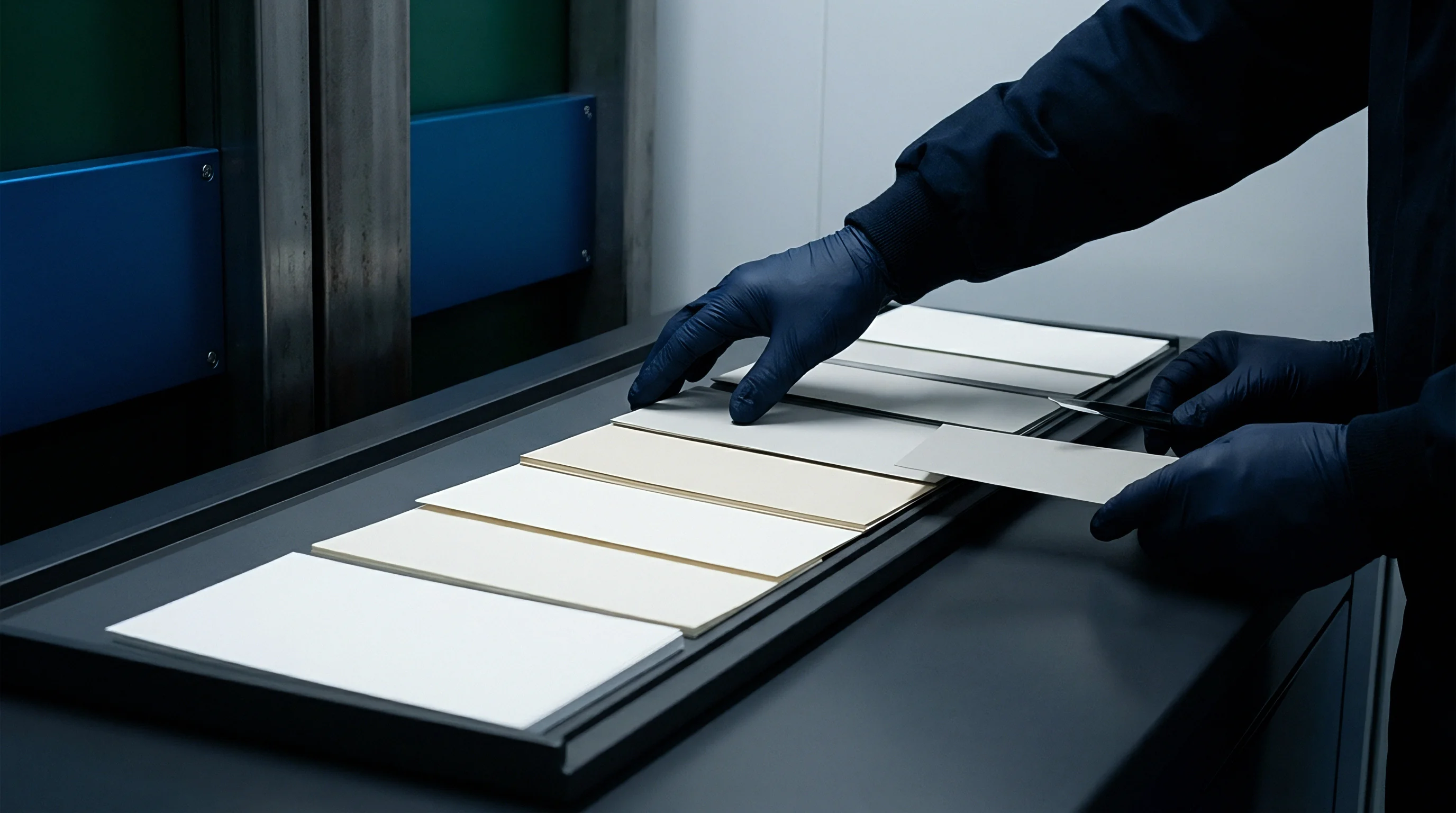
Laboratory technicians measure non-volatile mass by evaporating liquid contact fluids to dryness at controlled temperatures. Gravimetric overall migration (OM) testing determines the total quantity of non-volatile substances transferring from a dispersion coating into a food simulant. Specific migration (SM) testing identifies and quantifies individual chemical species, such as unreacted monomers, photoinitiators, plasticizers, and emulsifiers, using advanced chromatographic separation techniques.
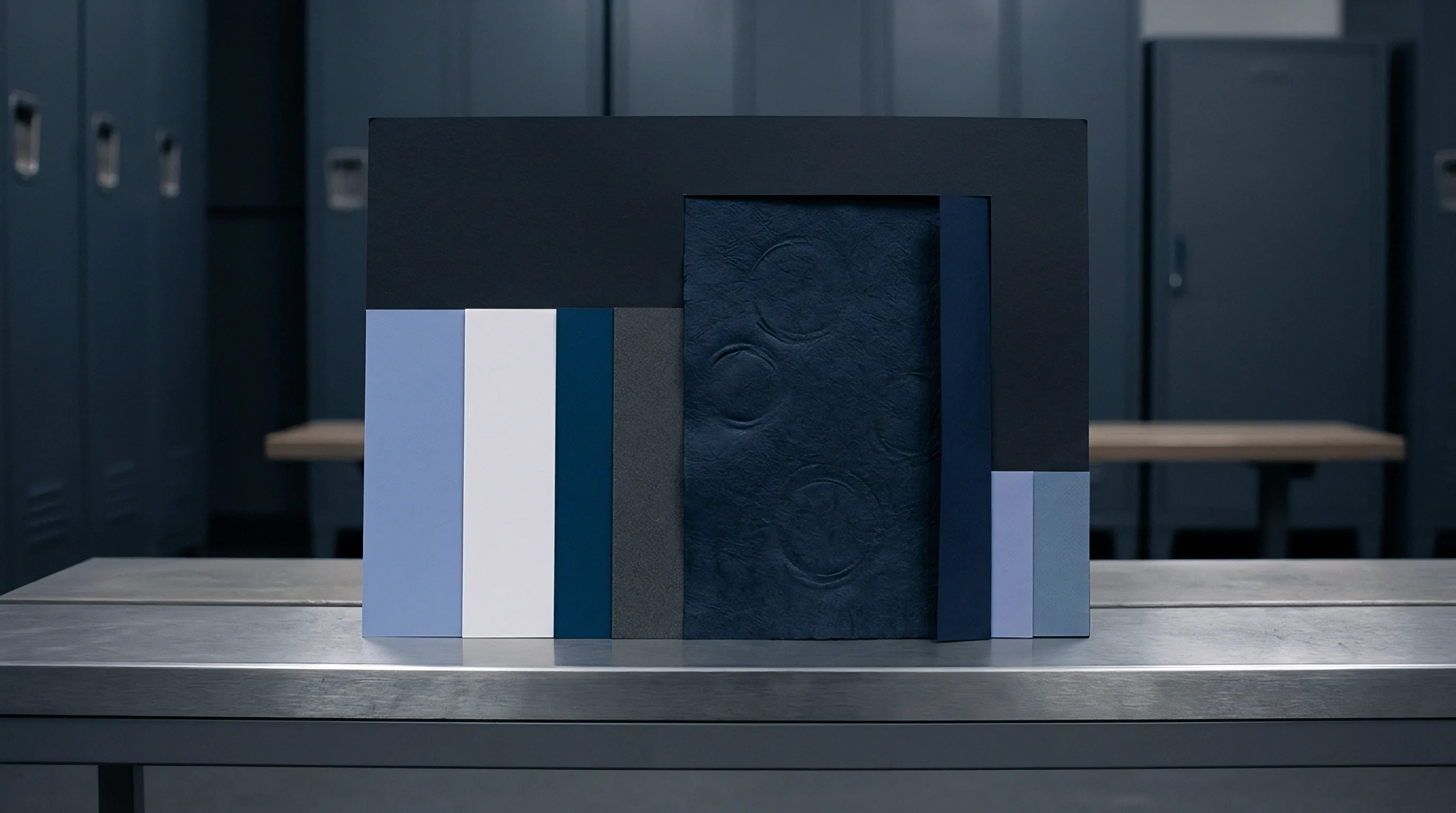
Gravimetric Determination of Overall Migration
Evaporating aqueous and alcoholic simulants to constant mass requires rigorous temperature control and blank corrections. Simulants A, B, C, and D1 are collected after the specified contact duration and transferred to platinum or quartz evaporating dishes. Liquids undergo gentle concentration over a steam bath before drying in a convection oven at 105 degrees Celsius.
Clean blanks ensure accurate results. Blank subtractions clear baseline noise. Microbalances demand low ambient vibration.
Weighing dried residue on a microbalance calibrated to 0.01 milligrams isolates the net extracted mass.
A worked conversion illustrates overall migration calculations for dispersion-coated folding boxboard. Take a 300 gram per square meter boxboard coated with 12 grams per square meter of an acrylic copolymer dispersion barrier. A circular test specimen with an exposed surface area of exactly 1.0 square decimeter is clamped into an EN 1186-5 single-sided cell filled with 100 milliliters of Simulant D1 (50 percent ethanol).
The assembly is held at 40 degrees Celsius for 10 days.
The empty platinum dish tare weight measures 24.1512 grams. Following simulant evaporation and drying at 105 degrees Celsius, the dish plus non-volatile residue measures 24.1584 grams, yielding a gross residue mass of 7.2 milligrams. An identical control cell containing 100 milliliters of fresh Simulant D1 without paperboard contact undergoes the same evaporation sequence, producing a blank residue mass of 0.4 milligrams.
Net migration mass equals gross residue minus blank mass: 7.2 milligrams minus 0.4 milligrams equals 6.8 milligrams.
Dividing net residue mass by the 1.0 square decimeter contact surface area establishes an overall migration value of 6.8 milligrams per square decimeter. Applying the standard European legal conversion factor of 6 square decimeters per kilogram of food yields an equivalent packaging migration value of 40.8 milligrams per kilogram of food. The residue yields exact mass.
Comparing 6.8 milligrams per square decimeter against the maximum legal threshold of 10.0 milligrams per square decimeter confirms overall migration compliance for Simulant D1.
Gravimetric residue analysis systematically overstates organic migration when water-soluble starch coatings leach through micro-cracks in folded dispersion barriers.

Chromatographic Quantification of Specific Migrants
Targeted identification of unreacted monomers and synthetic surfactants requires sensitive gas or liquid chromatography instruments. Dispersion formulations rely on acrylic acid, butyl acrylate, methyl methacrylate, and styrene monomers, alongside emulsifiers like sodium dodecylbenzene sulfonate and ethoxylated fatty alcohols. Gas Chromatography coupled with Mass Spectrometry (GC-MS) quantifies volatile residual monomers extracted into Simulant D1 or isooctane.
Liquid Chromatography with Tandem Mass Spectrometry (LC-MS/MS) measures non-volatile, high-molecular-weight surfactants and crosslinking agents.
| Chemical Substance Name | CAS Register Number | Specific Migration Limit (SML) | Primary Analytical Instrument Method |
|---|---|---|---|
| Acrylic Acid | 79-10-7 | 6.0 mg/kg food | HPLC-UV / LC-MS-MS |
| Butyl Acrylate | 141-32-2 | 0.05 mg/kg food | Headspace GC-MS |
| Styrene Monomer | 100-42-5 | 0.01 mg/kg food (banned in some limits) | Headspace GC-MS |
| Methacrylic Acid | 79-41-4 | 6.0 mg/kg food | HPLC-UV / LC-MS-MS |
| Sodium Lauryl Sulfate | 151-21-3 | No SML (Generic OM apply) | LC-MS-MS Direct Inject |
| Zinc Oxide (Inorganic Nanoparticle) | 1314-13-2 | 5.0 mg/kg food (expressed as Zn) | ICP-OES / ICP-MS |
Barrier defects trigger early failure. Specific migration testing demands matrix-matched external calibration curves prepared in the exact food simulant liquid. Simulant B acetic acid solutions require direct neutralization prior to chromatographic injection to protect column stationary phases from acid damage.
Simulant D2 vegetable oil requires complex liquid-liquid extraction with acetonitrile or gel permeation chromatography to isolate organic migrants from bulky triglyceride matrices.
- Monomer Calibration Standards ~ Quantitative linear calibration curves for unreacted acrylic acid, butyl acrylate, and styrene monomers spanning expected concentration ranges.
- Surfactant Recovery Factors ~ Measured percentage recovery rates for sodium lauryl sulfate and ethoxylated fatty alcohols spiked into simulant matrices prior to analytical extraction.
- Chromatographic Blank Subtraction ~ Baseline chromatograms recorded from fresh, unexposed simulant fluids processed through identical analytical evaporation sequences.
- Analytical Limit of Quantification ~ Formally demonstrated sensitivity thresholds establishing the minimum detectable mass per square decimeter of paperboard surface.
The extent to which low-molecular-weight oligomers from renewable polyhydroxyalkanoate dispersions partition into aqueous fatty acid simulants under ambient storage temperatures remains undetermined.


Compliance
Converters issue binding documentation to confirm that dispersion barrier paperboard satisfies structural and safety standards. Demonstrating food contact regulatory compliance requires integrating raw material chemical inventories, pilot coating evaluation data, and certified third-party analytical testing dossiers. Paperboard packaging buyers depend on these certificates to verify safety before committing capital to commercial press runs and high-speed packaging conversion.
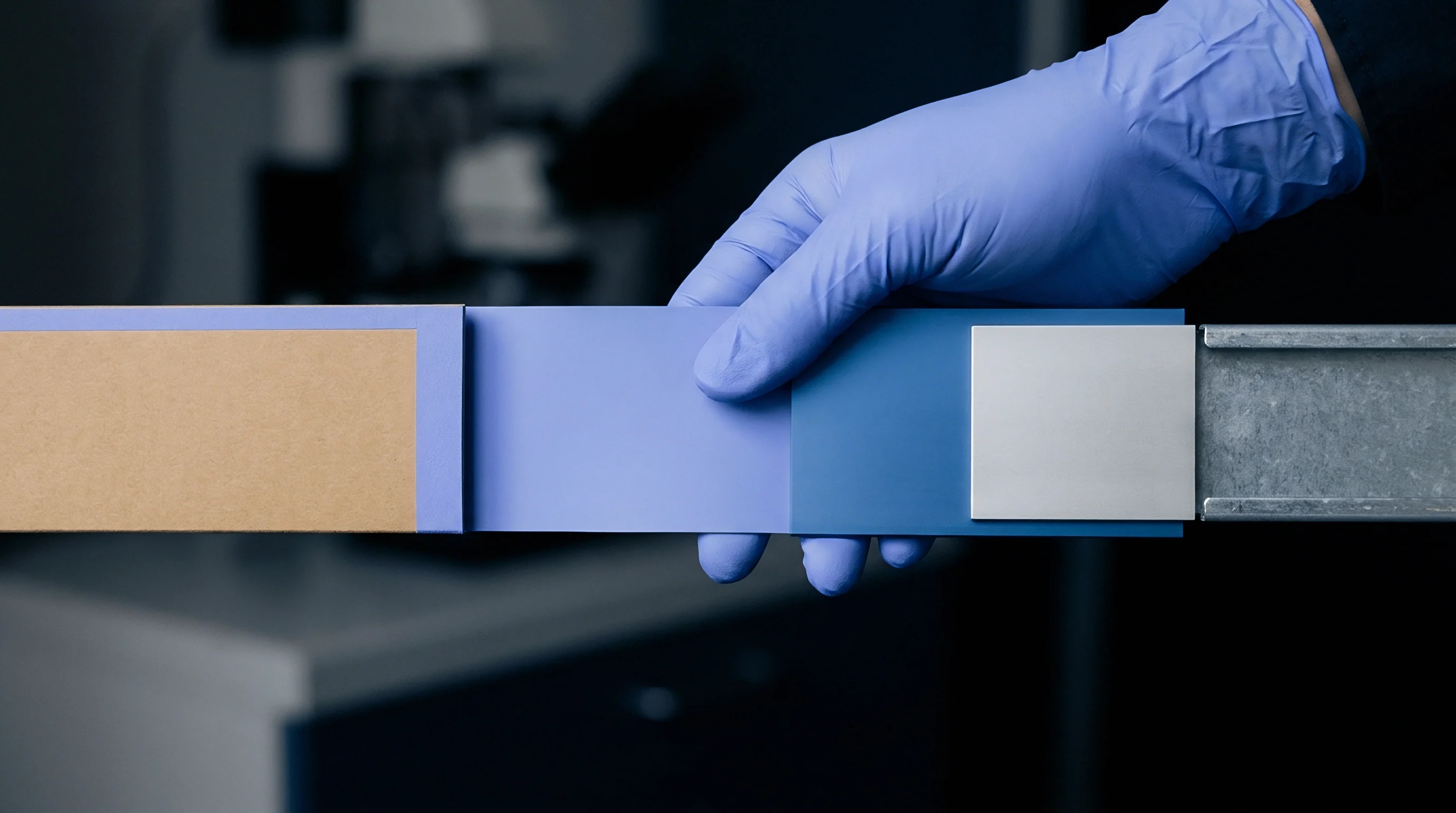
Dossier Requirements and Food Contact Declarations
Declarations of Compliance (DoC) summarize the regulatory basis, testing scope, and operating boundaries for dispersion-coated packaging materials. Under European Regulation 1935/2004 and Regulation EU 10/2011, a valid DoC outlines authorized chemical substances listed in Annex I positive lists, along with restrictions governing Specific Migration Limits (SML). When dispersion coatings form a continuous polymer barrier over paperboard, regional enforcement authorities evaluate the organic coating under plastic migration directives alongside BfR Recommendation XXXVI paper rules.
Dual-use additives require explicit disclosure within compliance documentation. Food additives such as calcium carbonate, titanium dioxide, silicon dioxide, and fatty acid slip agents perform functional roles inside dispersion coatings while serving as regulated ingredients in packaged foodstuffs. Declarations must identify dual-use additive CAS numbers and concentrations, enabling food packagers to verify that combined migration from packaging and direct food formulation stays within legal dietary exposure thresholds.

Analytical Auditing and Batch Consistency
Mill production shifts can introduce minor variations in polymer crosslinking density or residual surfactant concentrations. Coating weight variations across the paperboard web alter dry film coalescence. Thinly coated areas suffer from pinhole micro-voids that permit rapid liquid simulant penetration.
Excessive coat weights cause skinning during tunnel drying, trapping volatile monomers and unreacted emulsifiers inside the film matrix that later migrate into food contact media.
A rigorous audit program combines routine internal batch testing with external laboratory verification. Quality control laboratories execute water absorption tests via Cobb 1800 methods, oil permeability via kit tests, and short-duration extraction checks on every converted reel. Periodical third-party analytical audits execute full 10-day migration protocols using Simulants A, B, and D1 to validate long-term chemical safety.
Re-testing is triggered whenever raw material suppliers modify binder polymer synthesis routes, emulsion surfactant packages, or paperboard furnish compositions.
A paperboard converter who verifies coating batch integrity before running high-volume orders avoids downstream product liability claims and costly retail package recalls.