
GAB Isotherm Multilayer Parameter Fitting for Bio Based Fiber Barrier Verification
Non-linear GAB parameter fitting determines bio-based fiber barrier moisture transport thresholds to prevent barrier collapse under high water activity conditions.
Non-linear GAB parameter fitting determines bio-based fiber barrier moisture transport thresholds to prevent barrier collapse under high water activity conditions.

Toxicological evaluation of recycled fiber finishes requires matching dispersion barrier lag times against MOSH and MOAH migration thresholds using Tenax.

Evaluating microcrack formation and migrant leakage in creased packaging boards requires precise matrix sizing and migration testing to prevent structural seal failure.
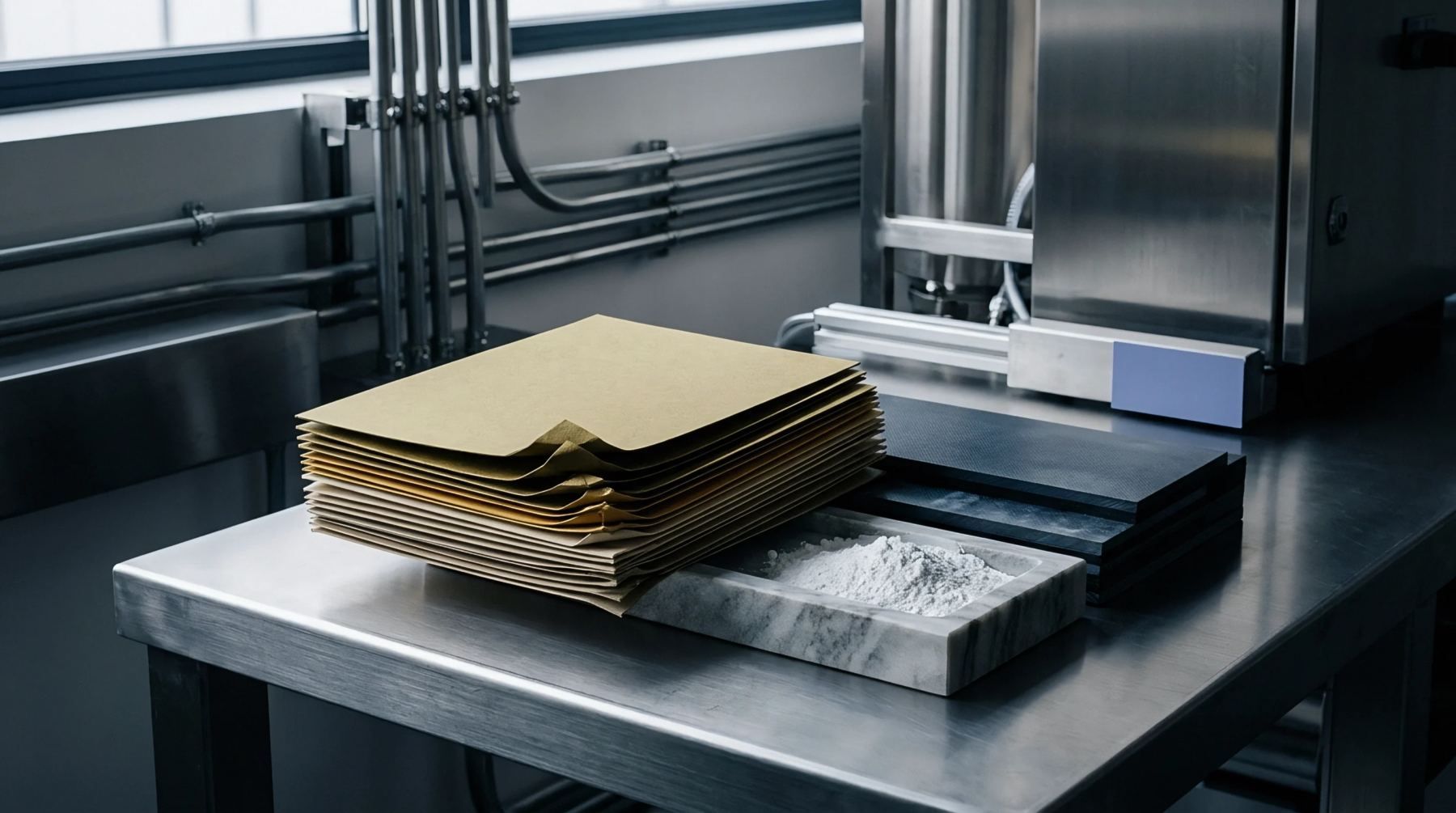
Functional barriers prevent chemical migration from paperboard into food by limiting permeation below zero point zero one milligrams per kilogram over shelf life.
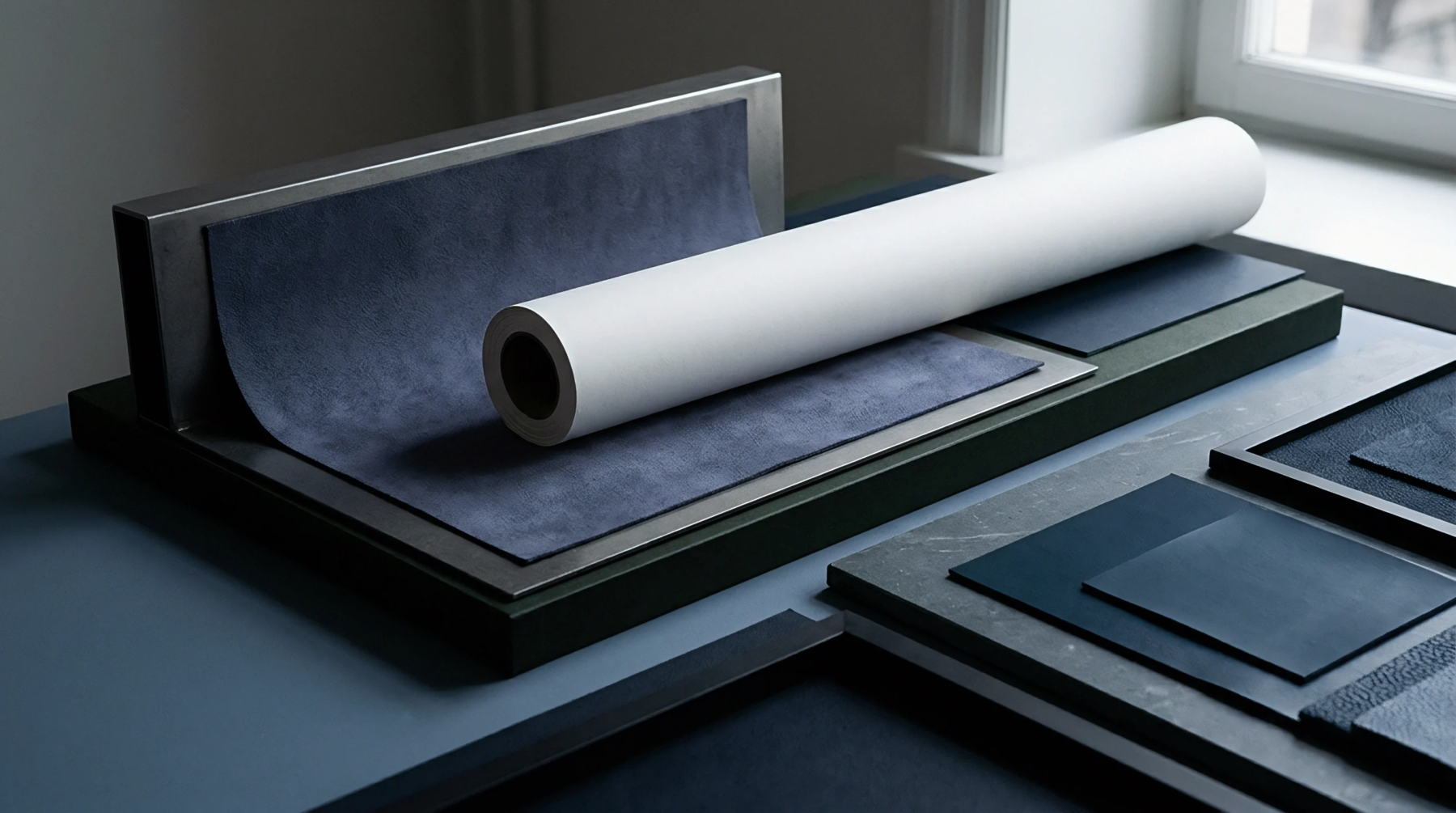
Recycled fiber crease delamination drops 35 percent when Z-tensile strength falls under 250 kPa; specify TAPPI T 541 minimums before converting.

Valid paperboard food contact declarations require verified test reports under matching simulants, clear barrier claims, and full batch supply chain traceability.
Acoustic impedance profiling measures reflected ultrasonic pulses to detect microscopic barrier pinholes, layer starvation, and score cracking non-destructively.

Dynamic shear delamination within middle plies absorbs scoring impact, preserving surface dispersion barrier continuity during high-speed carton converting.
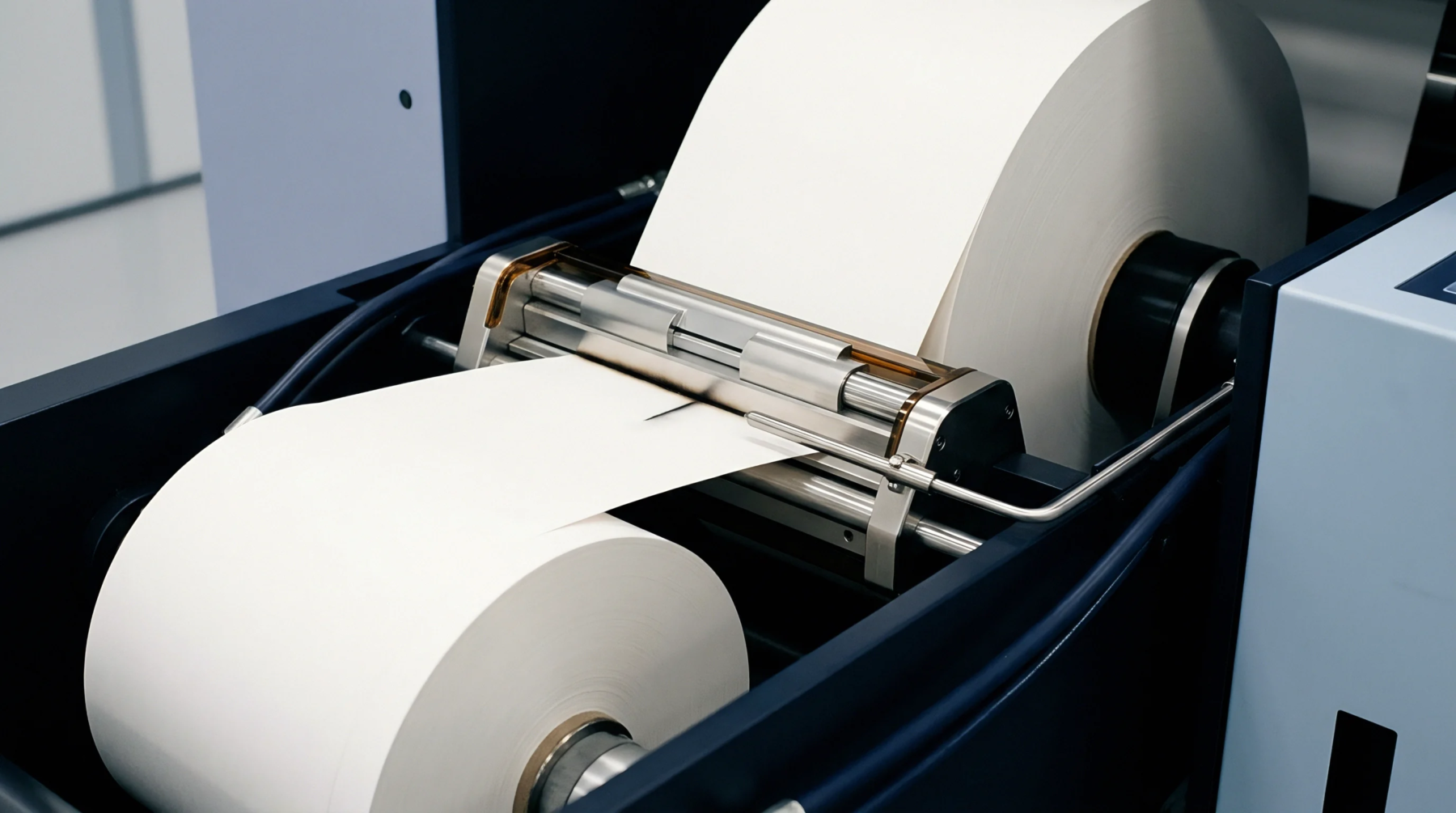
Establishing a 70% gloss retention threshold under calibrated abrasion prevents transit scuffing while maintaining certified recyclability and low EPR fees.
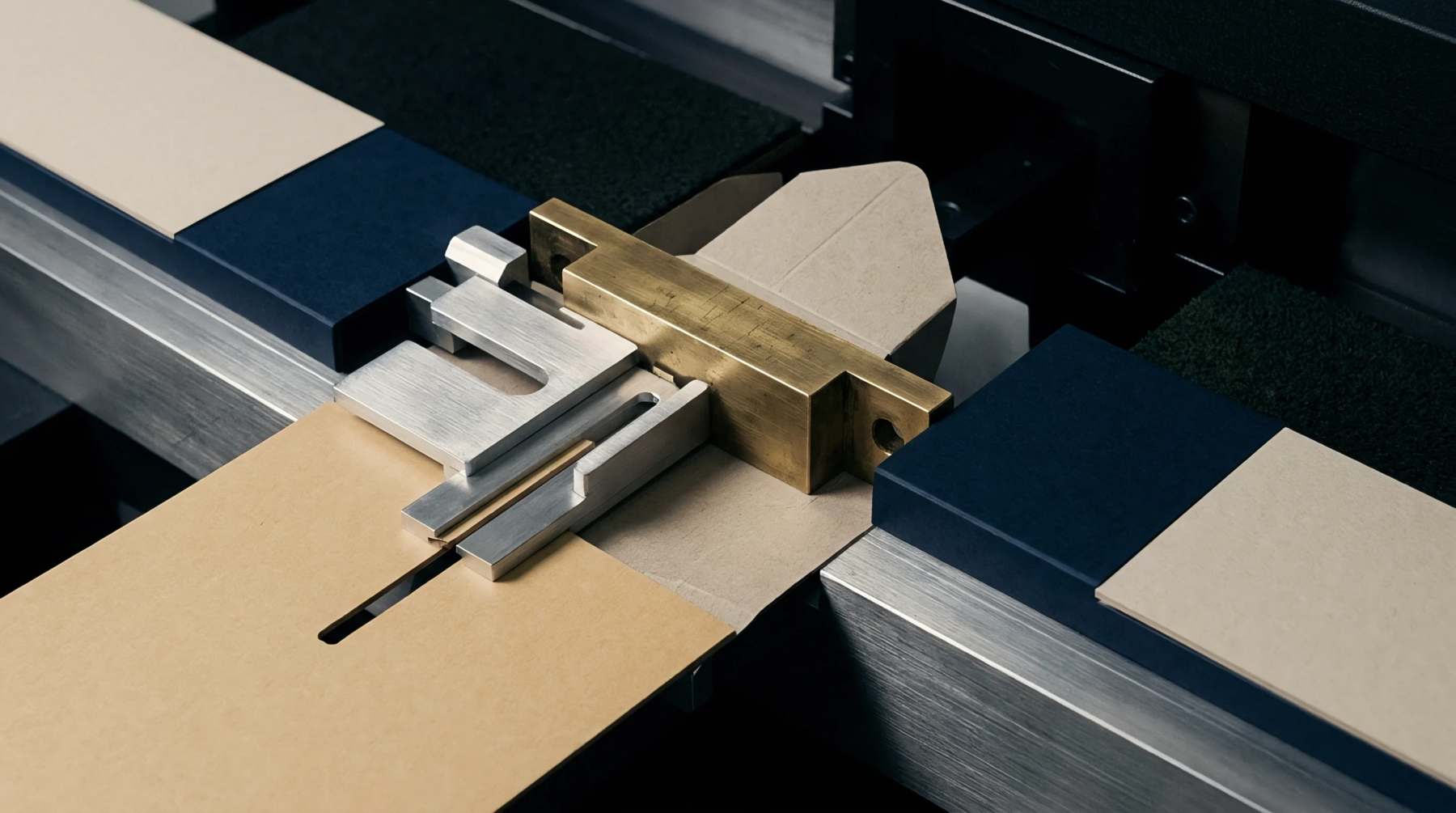
Clay coating orientation and core pulp density govern transient thermal lag across cartonboards, dictating minimum dwell times for heat seal activation.
Aqueous dispersion barrier retention on bent paperboard depends on balancing latex film elasticity against creasing matrix width to prevent outer radius micro cracking.

Recycled food packaging isolates MOSH and MOAH migration through verified functional barriers or sorbents tested below 0.5 mg/kg via online HPLC-GC-FID.

Line temperature spikes and fluid shear accelerate migrant transfer beyond static test limits, requiring exact profile validation in compliance files.

Poly(2,6-diphenyl-p-phenylene oxide) replaces liquid simulants for paperboard, preventing fiber collapse during compliance migration testing.

Aqueous dispersion barrier boards outperform extruded polyolefins by delivering over 95 percent wet end fiber yield and avoiding heavy EPR penalties.

Interfacial shear delamination in dispersion-coated folding boxboards occurs when converting flexure stresses exceed polymer-fiber bond fracture energy.
Chemical migration testing for dispersion coated board requires single-sided extraction cells and post-crease migration proofs to account for score-line breaks.

Polymeric paperboard barrier integrity depends on kinetic diffusion rates and mechanical crease limits verified through certified mass transfer modeling.

Modulated EPR fees convert barrier coating repulpability yields directly into landed unit carton costs across European markets.

Wide matrix channels and shallow penetration depth prevent polymer micro-fractures in dispersion-coated folding boxboard during creasing.
Expertise is a utility, not a secret. sentiention™ publishes its working knowledge as open reference: intelligence layer covering the materials it sources, the markets it enters, and the reference that serves both.