Dispersion Barrier Performance under Crease Compression in Folding Boxboard
Wide matrix channels and shallow penetration depth prevent polymer micro-fractures in dispersion-coated folding boxboard during creasing.
Ply
How an aqueous dispersion coating handles deformation during scoring depends on the mechanical response of the boxboard’s top layer. Folding boxboard relies on a stratified multi-ply construction, with bleached chemical pulp forming the outer liners around a high-bulk middle core of mechanical pulp. When scoring tools strike the sheet, forces split into distinct vectors through its thickness.
Underneath the creasing blade, the top liner faces heavy compression while its underside undergoes tensile strain as the board bends into the female groove. The water-borne dispersion barrier ~ applied as a thin polymer film over double pigment coatings ~ undergoes rapid physical displacement during this millisecond event.
Aqueous dispersion barriers rely on acrylic, styrene-butadiene, or ethylene copolymer latexes blended with platy mineral fillers such as talc or kaolin. These formulations form continuous, non-porous films across smooth bleached chemical pulp fibers. Film formation happens through water evaporation, particle packing, and polymer chain interdiffusion during mill drying sections.
Dry film thickness ranges from 4 to 10 micrometers, equivalent to coat weights of 5 to 12 grams per square meter. Before creasing, this barrier provides an effective boundary against liquid water, water vapor, oils, and grease. The core problem emerges during conversion, when localized mechanical strain exceeds the elongation limit of the dry polymer matrix.
Scoring does more than bend the sheet. It intentionally drives localized delamination within the low-density mechanical pulp core while keeping the outer chemical plies intact. This engineered internal separation allows the board to form a clean hinge without cracking the outer surface.
If crease geometry is miscalibrated, compressive strain concentrates in the top liner rather than distributing into the core. The outer chemical liner then buckles, forming tight ridge folds that pinch and stretch the synthetic barrier coat. Lacking the viscoelastic flow capacity of extruded low-density polyethylene coatings, the thin polymer network snaps under intense localized shear.
Baseboard surface energy and fiber topography govern baseline adhesion for the dispersion layer. Bleached kraft pulp fibers on the print surface exhibit a surface energy of 45 to 55 millinewtons per meter, offering strong mechanical anchoring for water-based acrylic emulsions. Base-coat pigments such as calcium carbonate improve printability, but they absorb low-viscosity polymer fractions during curtain or blade application.
This micro-absorption creates an interfacial layer that alters barrier behavior under stress. Under severe compression, a stiff base coat transfers shear directly into the thin polymer film, triggering micro-fractures along mineral particle boundaries.
Bleached kraft outer plies must delaminate internally during impression to protect the continuous polymer film on the surface.
Fiber orientation across the paper machine wire creates anisotropic properties that directly dictate crease performance. Machine-direction alignment yields higher tensile stiffness and lower stretch capacity than cross-machine alignment. Creases running parallel to the machine direction force the barrier polymer to stretch across aligned fibers, where tensile elongation is lowest.
Cross-machine creases permit greater structural flex before the film ruptures. Buyers evaluating dispersion-coated folding boxboard must specify grain direction relative to primary panel folds to preserve barrier integrity through automated cartoning lines.
Fibre Alignment and Deformation Dynamics
Mechanical response varies based on how orientation vectors intersect the crease line. When scoring runs parallel to the machine direction, individual fibers remain rigid along their longitudinal axis and resist lateral bending into the female channel. This resistance spikes localized peak compression right beneath the crease blade edge, driving the dispersion film past its yield strain limit.
Cross-machine scoring allows fibers to flex and rotate around their transverse axis, spreading mechanical displacement over a broader deformation zone. Test data shows lower pinhole generation when primary score lines run transverse to the machine direction.
Extruded polyethylene coatings tolerate tensile elongation past 300 percent, whereas cross-linked acrylic or styrene-butadiene dispersion films fail at strains between 15 and 45 percent. Adding platy talc particles improves water vapor resistance by extending diffusion pathways through the film, but these inorganic particles act as internal stress concentrators during bending. Calculations show that high-aspect-ratio talc flakes double localized mechanical strain along particle edges under compression.
When scoring forces the board into a 90-degree fold, micro-voids nucleate at these mineral-polymer interfaces and open into continuous fracture networks.
Sheet moisture content during conversion heavily alters structural response under the scoring die. Folding boxboard conditioned at 50 percent relative humidity holds equilibrium moisture levels between 6.5 and 7.5 percent. At this level, outer pulp fibers maintain optimum plastic flexibility, absorbing compression energy through temporary micro-compaction without tearing.
If sheet moisture drops below 5.5 percent, chemical pulp plies grow brittle and transfer peak impact energy straight into the dry dispersion layer. Conversely, moisture above 8.5 percent softens the mechanical pulp core too much, causing structural collapse without generating the localized delamination needed for a clean fold.
Base-coat formulation beneath the barrier emulsion establishes mechanical backing stiffness. Blade-coated double-pigmented surfaces made with fine ground calcium carbonate produce ultra-smooth substrates that minimize required latex coat weight. But these rigid mineral layers lack elasticity during die indentation, acting like solid anvils that fracture under the scoring blade.
Substituting engineered delaminated kaolin clay for calcium carbonate in the base coat improves mechanical compliance under shear impact. The platy clay particles slide over each other during compression, dissipating localized forces before they rupture the outer dispersion film.
Substrate bulk density governs internal stress distribution when creasing tools compress the sheet. Virgin folding boxboard grades typically range from 1.3 to 1.6 cubic centimeters per gram in bulk, combining lightweight stiffness with internal delamination capability. High-bulk sheets absorb male blade penetration through controlled collapse of middle groundwood fibers, reducing tension across the top chemical liner.
Lower-bulk solid bleached sulfate boards, despite higher overall tensile strength, lack this compressible core mechanism. Creasing solid bleached board transfers higher tensile stress to the surface coat, making dispersion film elasticity the limiting factor in fold performance.
- Core Delamination Defect occurs when middle-ply mechanical fibers fail to split cleanly, transferring elevated compressive forces into the top chemical liner and tearing the dispersion barrier.
- Polymer Interface Shear develops at the junction between the pigmented base coat and the functional dispersion topcoat when differential elongation rates exceed latex interfacial bonding strength.
- Pigment Micro-Voiding originates around platy talc or clay filler particles within the dispersion matrix where localized strain fields exceed polymer film yield strength during creasing.
- Tensile Surface Rupture arises on the outer fold radius when the total elongation of the chemical pulp top ply surpasses the physical fracture point of the dried latex film.
Do modified dispersion formulations containing soft ethylene acrylic acid copolymers maintain sufficient grease resistance after high-speed scoring?

Shear
How a polymer matrix responds to rapid compressive indentation determines whether a barrier coating maintains continuous protection or forms micro-fractures. Creasing happens in milliseconds, forcing localized shear rates above 10,000 reciprocal seconds beneath the male rule. At these speeds, synthetic polymer films show non-linear viscoelastic behavior.
Elastic response dominates over viscous flow, causing the material to store mechanical energy rather than dissipate it through molecular movement. High strain rates elevate the effective glass transition temperature of latex coatings, pushing ductile polymers into a brittle fracture regime during die impact.
Styrene-butadiene latexes offer low-cost water resistance, but their high glass transition temperatures make them prone to crease rupture. Acrylic latexes formulated with lower glass transition points ~ around minus 15 degrees Celsius ~ provide superior film flexibility during bending, though they exhibit higher surface tack and blocking tendencies on rewind rolls. Formulators balance these properties by blending hard and soft polymer phases or designing core-shell particles.
In core-shell architectures, a soft, high-elongation acrylic core absorbs mechanical deformation while a hard outer shell prevents web blocking during finishing. Misjudging this balance leads to barrier failure during converting.
Mechanical stress during scoring drives polymer chains into rapid alignment along the strain direction. When local extension exceeds chain entanglement limits, micro-crazing begins in the film. These micro-crazes consist of narrow fibrils spanning nanoscale voids, temporarily holding the barrier together until further bending snaps them.
Adding inorganic fillers alters this strain behavior significantly. While talc particles create a tortuous path for water molecules, they impede polymer chain entanglement. During shear compression, stress concentrates along particle boundaries, initiating micro-voids that merge into open channels across the fold.
Cross-linking agents added to boost oil and grease resistance severely restrict strain capacity under dynamic creasing. Ammonium zirconyl carbonate and glyoxal cross-linkers react with carboxyl groups on acrylic polymer chains to form a tight three-dimensional network. While this network blocks non-polar oils effectively, it drops ultimate elongation at break from 120 percent down to less than 20 percent.
Scoring a cross-linked barrier causes sharp, clean film fractures along the entire crease length. Engineers must balance oil resistance specifications against mechanical flexibility when selecting barrier chemistries for folding carton applications.
Conditioned dispersion films at 23 degrees Celsius and 50 percent relative humidity lose over 60 percent of their water vapor resistance when local crease shear strain exceeds 25 percent.
Coating weight distribution across baseboard topography creates localized weak spots under high shear stress. Blade coating levels liquid dispersion into fiber valleys, leaving thin spots over protruding surface fibers. These thin spots ~ often under 2 micrometers thick ~ bear concentrated stress during male rule penetration.
Under compression, underlying fibers act as stress risers, focusing shear directly into the thin barrier layer. Curtain coating delivers a uniform film thickness that follows surface contours, eliminating thin spots and raising the threshold for shear-induced fracture.
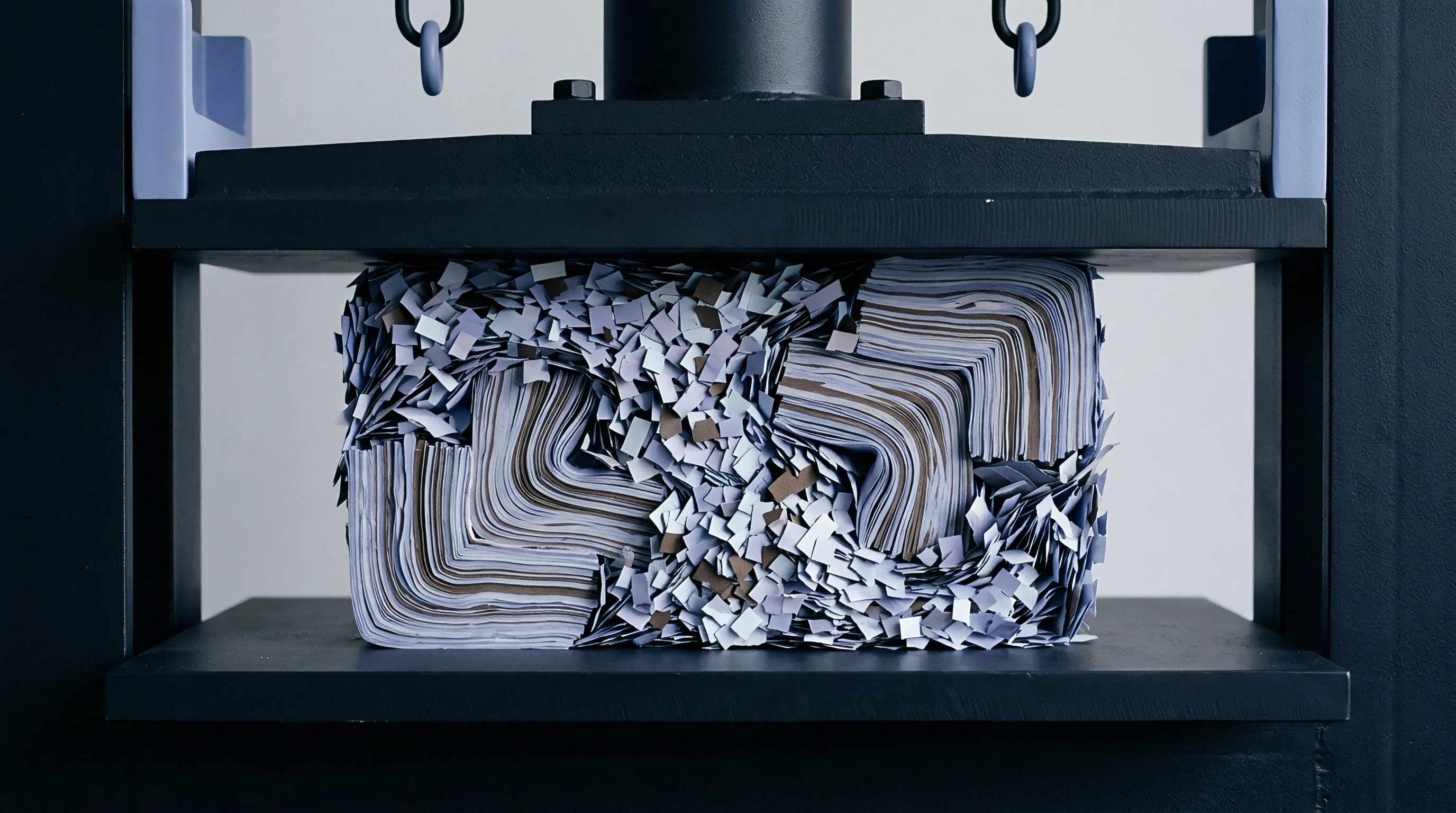
Viscoelastic Properties and Strain Limits
Rheological behavior during rapid mechanical stress governs whether dispersion layers survive on scoring dies. Static tensile testing yields elongation figures that fail to reflect performance under dynamic mill conditions. Standard tensile tests apply low strain rates around 10 percent per minute, giving polymer chains time to disentangle and relax.
Creasing presses execute matrix indentation in less than 20 milliseconds. Dynamic mechanical analysis shows that storage modulus increases by two orders of magnitude at high strain frequencies, causing soft polymers to behave like brittle glass during tool contact.
Calculations of strain distribution across a folded score reveal contrasting stress states through the board profile. The inner score radius undergoes heavy compression, squeezing the board structure into a tight micro-ridge. The outer score surface faces severe tensile stretching as the board wraps around the outer edge of the fold channel.
Dispersion coatings on the inner surface must withstand compressive buckling without flaking off the base coat. External dispersion coatings experience pure elongation, where surface cracking occurs as soon as local stretch surpasses the polymer’s elongation limit.
| Latex Base Polymer | Glass Transition Temp (°C) | Tensile Elongation (%) | Uncreased Cobb 180s (g/m²) | Creased Cobb 180s (g/m²) | Post-Crease Kit Rating |
|---|---|---|---|---|---|
| Data collected at 23°C and 50% RH. Crease executed on 350 g/m² FBB using standard DIN channel rules at 1.2 mm penetration depth. Cobb testing per ISO 535; Kit testing per TAPPI T 559. | |||||
Dynamic mechanical analysis highlights the role of temperature during web converting. Plants operating below 15 degrees Celsius shift polymer barrier films closer to their glass transition points, rendering them brittle during creasing. Pre-heating board sheets to 35 degrees Celsius prior to scoring increases polymer chain mobility, reducing fracture incidence by up to 40 percent.
Heat softens the synthetic latex matrix, allowing it to yield elastically under male rule pressure. Mills and converters handling high-density dispersion boards keep ambient converting conditions strictly regulated to preserve barrier functionality.
Mineral filler geometries directly influence fracture propagation pathways within compressed polymer matrices. Spherical calcium carbonate particles permit multi-directional polymer chain movement around their perimeter during shear strain. Aligned platy talc and engineered kaolin clay lock polymer chains in parallel planes, improving barrier tortuosity in flat sheets.
When creasing forces act perpendicular to these oriented platy minerals, the stiff mineral faces resist bending, triggering delamination along the polymer-mineral interface. Formulators balance barrier performance and crease flexibility by blending spherical and platy fillers in a 1 to 2 dry weight ratio.
Polymer film recovery following high-speed compression determines long-term shelf performance. Elastomeric dispersion layers possess shape memory, slowly flowing back into micro-fractures over 24 hours post-conversion. Hard cross-linked matrices lack this elasticity, leaving permanently open channels across the crease line.
Laboratory measurements show that acrylic coatings with low glass transition temperatures recover up to 30 percent of lost water vapor barrier properties within a day of scoring, whereas stiff cross-linked formulas exhibit zero recovery over time.
Soft polymer matrices with glass transition temperatures below minus fifteen degrees Celsius retain barrier continuity under high shear strain, provided coat weights remain above six grams per square meter.

Pin
Defect formation in compressed dispersion barriers appears as micro-fractures, pinholes, and interfacial delamination along the crease axis. Micro-fractures occur when surface tensile strain exceeds polymer matrix elongation limits, creating linear cracks along the outer fold line. Pinholes form through localized film tearing where sharp mineral pigments or stiff baseboard fibers pierce thin barrier areas under die pressure.
Interfacial delamination happens on the compressed inner fold, where intense shear pops the coating off the pigmented base layer. Each defect mode creates open pathways for liquid water, moisture vapor, and oils to pass through the sheet.
Pinhole generation degrades barrier properties long before surface cracks become visible. Microscopic pinholes measuring between 0.5 and 5 micrometers across draw liquid water in through capillary action. Standard Cobb 180-second testing on flat board yields water absorption values under 2 grams per square meter for quality dispersion coatings.
Once scoring creates pinholes along the crease line, Cobb values jump above 20 grams per square meter. Water enters these micro-defects, softening the middle groundwood layer and triggering package collapse in refrigerated supply chains.
Water vapor transmission testing under humid tropical conditions (38 degrees Celsius and 90 percent relative humidity) underscores the impact of crease pinholes. Flat dispersion-coated folding boxboard yields barrier rates between 5 and 15 grams per square meter per day. Scoring and folding the board at 90 degrees increases vapor transfer to between 80 and 250 grams per square meter per day, depending on latex flexibility and coat weight.
Vapor molecules pass through localized micro-cracks, bypassing the tortuous paths designed into the filled polymer matrix. This loss of protection shortens the shelf life of moisture-sensitive dry foods.
Grease and oil penetration through creased defect areas follows capillary flow physics. TAPPI T 559 kit testing uses solutions of castor oil, toluene, and n-heptane with varying surface tensions to measure barrier holdout. Flat dispersion sheets regularly achieve a Kit 12 rating, resisting pure low-surface-tension solvents.
After creasing compression, test solutions penetrate micro-fractures immediately, dropping kit ratings to Kit 3 or lower. Grease migrates through these defects into the mechanical pulp core, causing visible staining along carton edges within days of assembly.
Contract specifications must mandate post-crease Cobb 180s testing below 10 grams per square meter, as pre-crease flat board measurements fail to reflect barrier survival on package corners.
Flat-sheet mill certificates claiming pristine barrier values fail to guarantee performance when converted frozen food cartons undergo edge-wicking along primary scores. Inspection shows that highly cross-linked acrylic coatings deliver excellent flat oil resistance but lack sufficient elongation under crease shear. Buyers must insist on post-crease barrier testing within supply contracts to avoid converting failures.
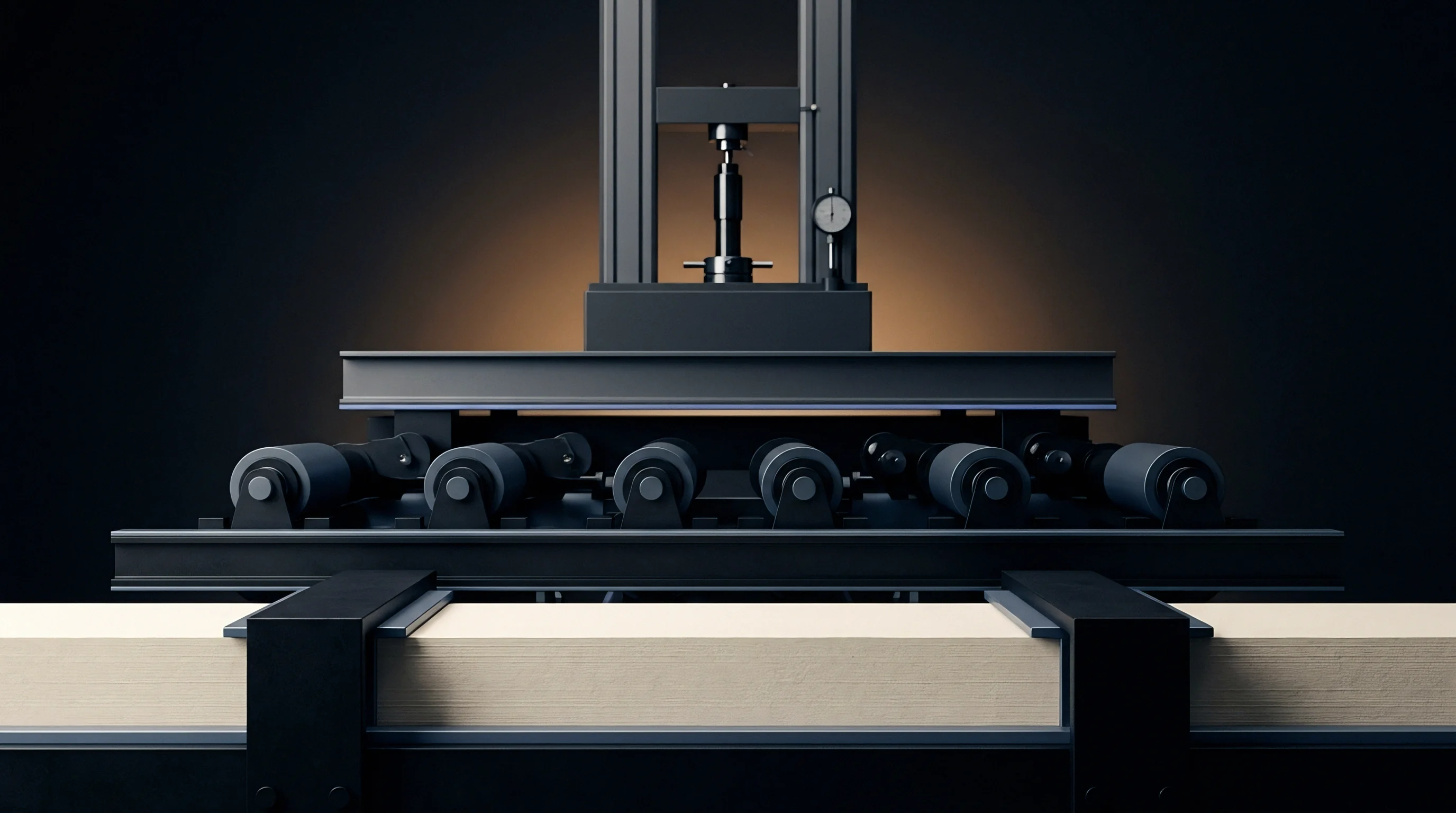
Micro-Defect Mechanics and Permeation Degradation
Defect propagation through compressed barrier layers follows classic stress fracture pathways. Initial micro-voids form at pigment-latex interfaces during male rule indentation. As the board bends into a 90-degree fold, tensile forces stretch the outer surface, pulling these micro-voids open into continuous channels.
High-resolution scanning electron microscopy shows these cracks running parallel to the score line, cutting through both topcoat dispersion and pigmented base coat layers down to the raw chemical pulp fibers.
Capillary pressure calculations explain why tiny micro-fractures rapidly degrade liquid barrier performance. Capillary rise pressure correlates directly with surface tension and contact angle while inversely matching capillary radius. Liquid water against a hydrophobic acrylic film yields a high contact angle, resisting flow into wide channels.
However, once compressive forces drive water into narrow, fiber-lined cracks, capillary forces draw liquid into the hydrophilic pulp core. This mechanism accelerates edge-wicking, softening score lines and causing structural box bulge under stack loads.
Pinhole identification relies on chemical dye penetration techniques. Applying a solution of isopropyl alcohol, water, and red dye to the creased surface highlights micro-fractures within 30 seconds. Quantifying dye penetration under digital image analysis provides a direct measurement of defect area percentage.
High-quality creased barrier board keeps defect area below 0.1 percent of total crease surface area. When defect area exceeds 0.5 percent, moisture vapor and liquid water pass through the board profile unrestricted.
- Visual Dye Penetration Analysis maps localized pinholes and linear micro-fractures along the score line by applying low-surface-tension stain solutions for 30 seconds.
- Cross-Sectional SEM Imaging exposes structural coat separation, micro-void size, and crack penetration depth down to baseboard chemical fiber layers.
- Post-Crease Cobb 180s Testing quantifies liquid water absorption directly along folded score lines under standard hydrostatic head conditions.
- Accelerated Grease Migration Profiling tracks oil migration through creased score channels held at 40 degrees Celsius for 48 hours.
Substrate fibers beneath micro-fractures absorb environmental moisture, triggering hygro-expansion that widens initial cracks. Bleached kraft fibers expand up to 15 percent in diameter when absorbing water, pushing adjacent polymer coatings outward. This movement tears remaining polymer bridges along micro-crack edges, widening cracks over time.
Packages stored in high-humidity environments exhibit progressive barrier loss over weeks, even if initial post-conversion defect counts met quality controls.
Pigment particle size distribution within dispersion formulations dictates pinhole resistance during compressive deformation. Coarse talc particles over 10 micrometers in length bridge the thin coating layer, creating micro-voids during male rule compression. Fine delaminated clays with average particle sizes under 2 micrometers slip past one another under shear, maintaining structural contact.
Formulators using sub-micron kaolin particles observe 50 percent lower post-crease dye penetration compared to coarse talc formulations at identical dry coat weights.
Micro-defect density along folded creases correlates directly with the depth of male rule penetration during converting press setup.

Die
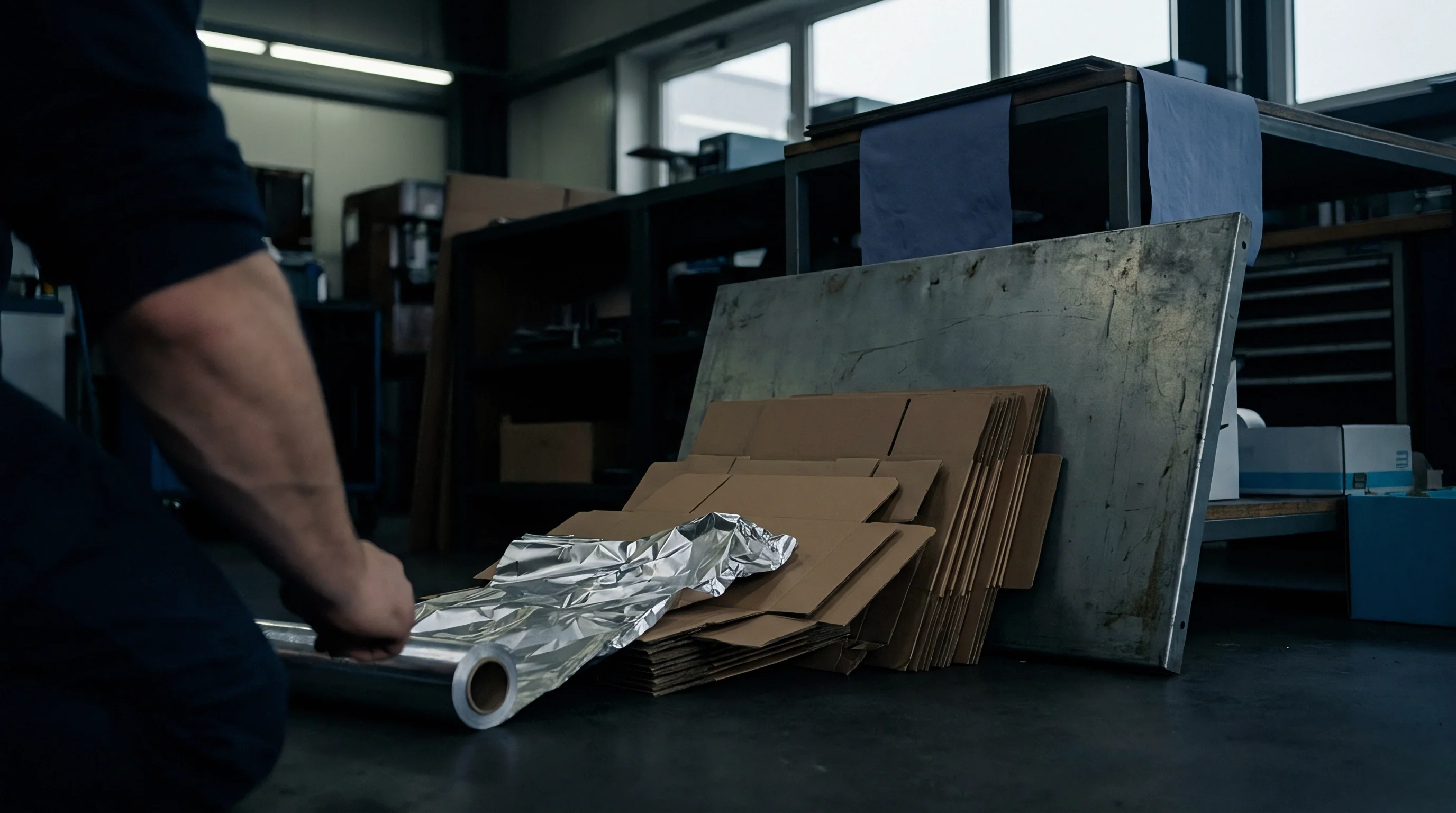
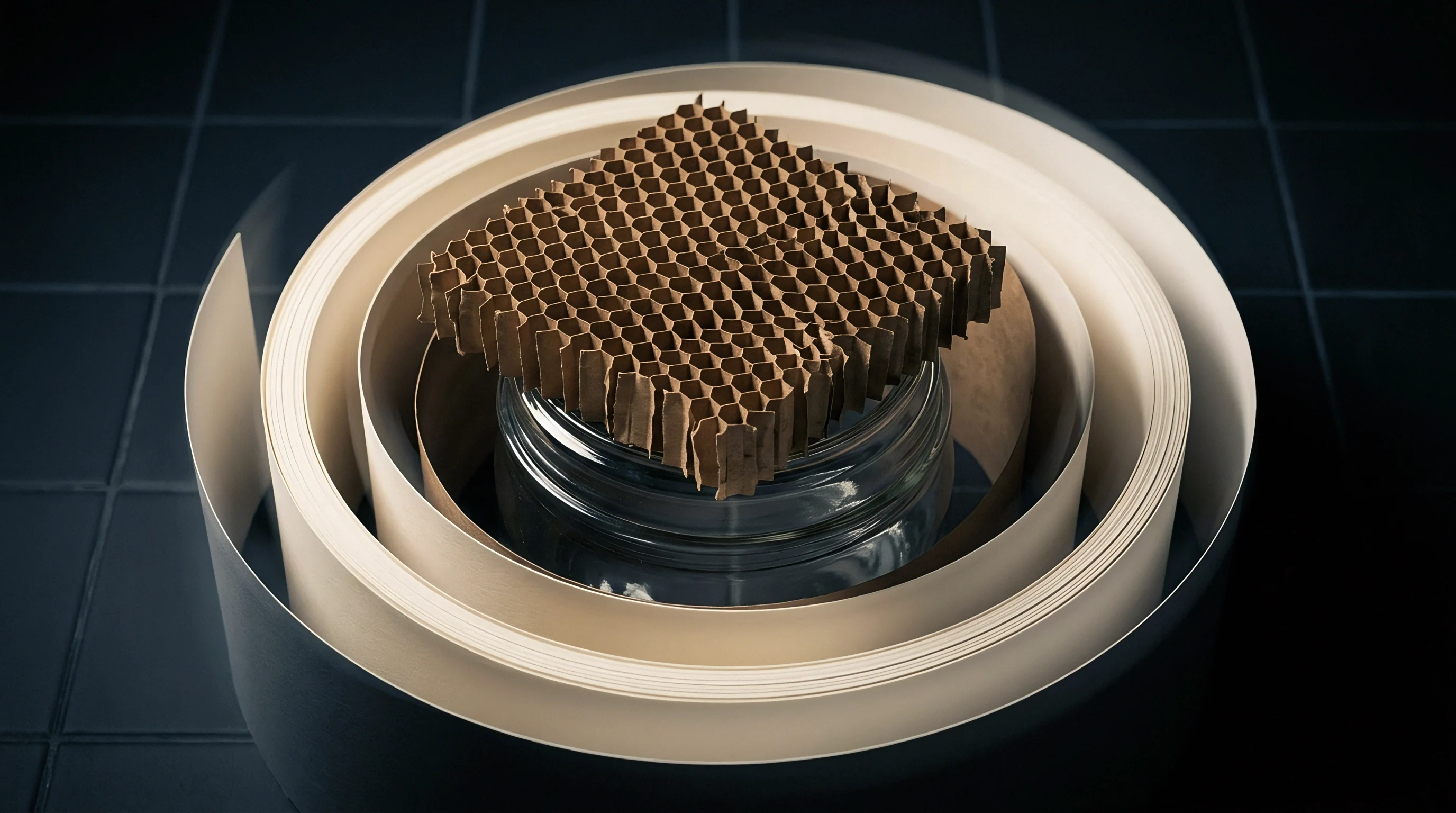
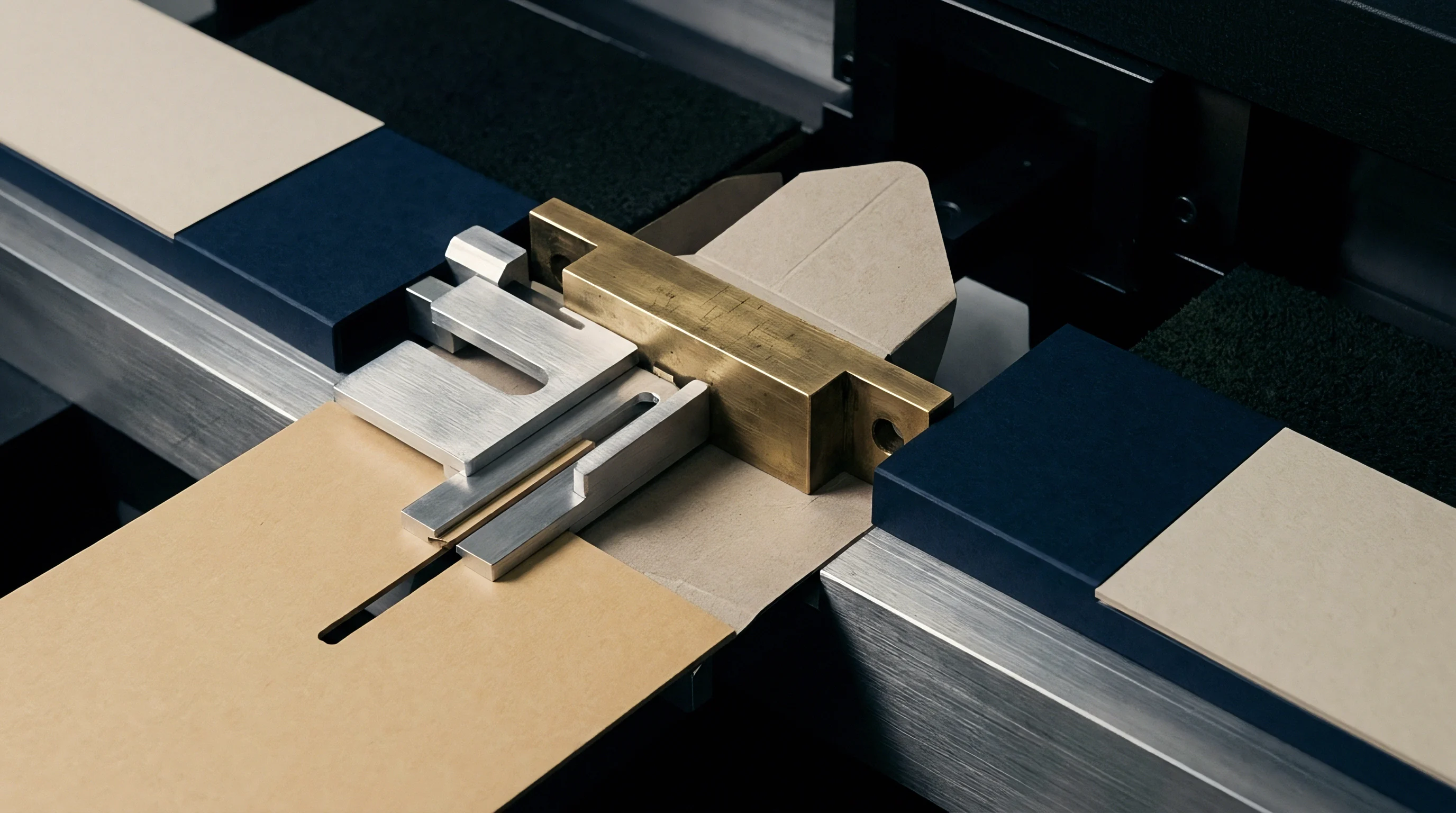
Creasing tool configuration governs the physical strain imparted on dispersion-coated folding boxboard during scoring. The converting die setup consists of a steel male creasing rule and a recessed female matrix channel. Key dimensions include rule thickness, rule height, female channel width, and channel depth.
As the platen press closes, the male rule forces board material into the matrix channel, initiating controlled internal shear failure within the middle pulp plies. If channel dimensions or indentation depth are off by fractions of a millimeter, surface tension spikes and destroys the dispersion layer.
Calculating female channel width relies on standard converting equations adapted to board caliper and strength properties. The established formula sets channel width equal to 1.4 times board caliper plus male rule thickness. For a standard 400-micrometer (0.40 mm) folding boxboard using a 0.71 mm (2-point) male rule, standard channel width calculates to 1.27 mm.
When running dispersion-coated board, converters widen this matrix channel to 1.6 times board caliper plus rule thickness, yielding a 1.35 mm opening. This wider matrix opening reduces outer surface stretching, protecting polymer film integrity during the male rule stroke.
Penetration depth of the male rule into the female matrix establishes the compression ratio within the score channel. The penetration ratio equals male rule depth inside the matrix divided by total board thickness. Standard boxboard converting sets this ratio between 60 and 70 percent to ensure strong fold memory and low opening force.
Dispersion-coated board requires a shallower penetration ratio of 45 to 55 percent. Excessive rule penetration crushes the top chemical liner, transferring extreme shear directly into the latex film and causing micro-fractures along the crease centerline.
Conditioning ambient humidity across die-cutting press areas prevents surface brittleness during high-speed scoring. Paperboard machine rooms and converting plants maintained at 23 degrees Celsius and 50 percent relative humidity keep board moisture around 7 percent. Dry plant environments drop outer ply fiber moisture below 5 percent, making chemical pulp fibers stiff and unforgiving.
Under male rule compression, dry fibers snap rather than yield, tearing the overlying barrier coat. Installing localized humidification over creasing platens maintains required sheet flexibility during long production runs.
The matrix channel standard specification changes when converting dispersion-coated grades, requiring wider female grooves to drop surface elongation below the film break point.
Crease barrier failures are often attributed to insufficient latex content or coating adhesion strength, but over 70 percent stem from worn counter-matrix creasing strips, incorrect rule height selection, or excessive press impression pressure. Over-impression crushes the structural fiber network flat, destroying internal core delamination mechanisms and forcing outer surface layers to bear the full compression force. Proper press setup protects delicate dispersion layers without requiring costly polymer coating over-application.
Matrix Geometry and Penetration Dynamics
Tooling adjustments dictate the success of converting dispersion-coated boxboard on high-speed flatbed platens. The male rule profile requires rounded edge radii to avoid sharp shear stress concentrations along rule shoulders. Standard creasing rules feature a flat tip with sharp 0.2 mm edge radii that cut into thin coatings under load.
Custom rules manufactured with fully polished 0.5 mm ground radius tips distribute compression force smoothly over a wider area. This gentle profile reduces surface peak shear stress by up to 35 percent, preserving latex continuity across score lines.
Can Female Groove Width Adjustments Prevent Polymer Micro-Fracture?
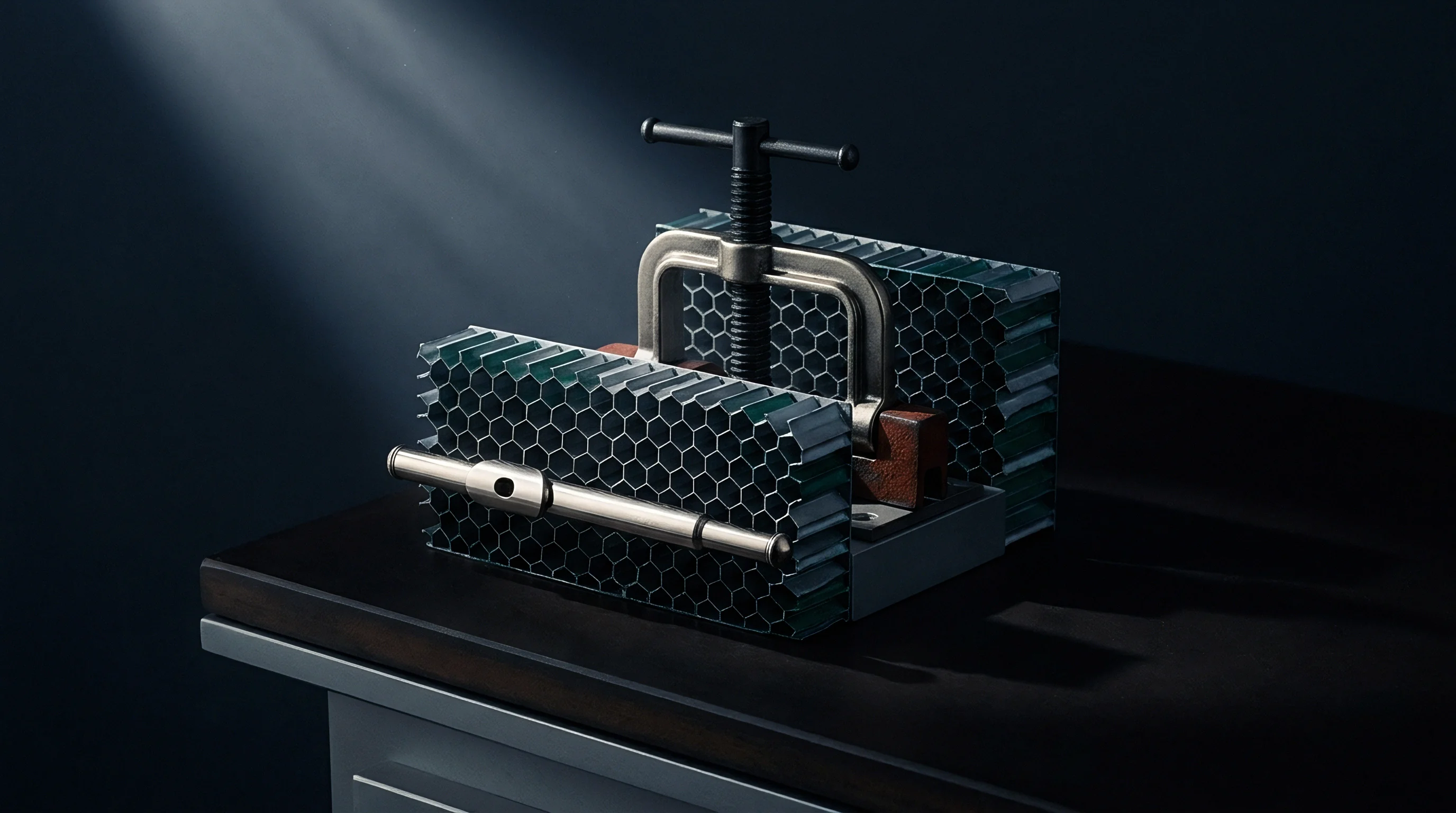
Widening the female channel reduces peak tensile elongation across the outer fold radius, preventing polymer matrix cracking. Standard narrow matrix channels force the board into sharp 90-degree bends, raising outer surface tensile strain beyond 30 percent. Expanding female channel width by 15 to 20 percent creates a gentler fold contour, keeping tensile strain below 18 percent.
This strain reduction keeps the polymer layer below its fracture point, maintaining continuous barrier protection against water vapor and oils.
| Board Caliper (µm) | Male Rule (pt / mm) | Matrix Width (mm) | Penetration Ratio (%) | Dye Penetration Score (0-5) | Post-Fold Cobb 180s (g/m²) |
|---|---|---|---|---|---|
Press speed adjustments play a crucial role in managing strain rate response during conversion. High-speed flatbed die-cutters running at 8,000 sheets per hour impart rapid mechanical impact, leaving polymer chains no time to relax. Running delicate dispersion jobs at 5,500 sheets per hour extends impression dwell time by 30 percent.
This extra dwell time permits viscous flow within soft latex phases, dissipating peak impact energy safely through elastic deformation rather than brittle fracture.
Crease setup protocols follow a strict sequential adjustment procedure on the converting floor to preserve barrier continuity:
- Measure board caliper across five web positions using an ISO 534 micrometer to establish baseline sheet thickness and density.
- Select a male creasing rule thickness matching board caliper and install ground-radius rules with 0.5 mm smooth edge profiles.
- Mill custom phenolic counter-matrix plates with female groove widths sized to 1.6 times board caliper plus rule width.
- Set initial platen impression pressure low, bringing male rule penetration to exactly 45 percent of total matrix depth.
- Run five test sheets, collect score line samples, and apply isopropyl alcohol dye solution to check for micro-fractures under 10x magnification.
- Increase impression pressure incrementally in 0.05 mm steps only until clean core delamination occurs without surface pinholes.
- Lock platen pressure settings and record channel geometry in the job dossier for repeatable future production runs.
Creasing matrix materials directly affect shock absorption during die impact. Traditional paper counter-matrix strips compress over long runs, narrowing effective channel width and increasing shear impact on the board surface. Milled phenolic resin matrix plates retain geometric stability across 100,000 impressions, maintaining precise channel dimensions throughout the run.
Elastomeric channel inserts with micro-yielding bases absorb excess male rule energy, protecting the outer dispersion film against crushing when basis weights fluctuate across the web.
Reversed creasing configurations apply impression force from the reverse side of the sheet, pushing the dispersion layer outward into the female groove. This orientation subjects the polymer barrier to tensile stretch rather than heavy shear compression beneath the rule tip. For non-printed internal barrier packaging, reverse creasing reduces pinhole formation by over 40 percent compared to conventional top-down creasing, making it an effective tooling setup for demanding liquid packaging applications.
Micro-cracking is often attributed to inadequate latex coat weight when improper die impression settings are simply crushing the sheet profile.
Proof
Verification protocols for dispersion barrier performance require standardized test methods executed under controlled environmental conditions. Evaluation begins with pre-crease baseline testing on flat sheets to establish initial barrier continuity and coat weight distribution. Standardizing the creasing process itself is critical, as manual folding introduces unquantifiable operator variability.
International test standards mandate mechanical scoring instruments with defined rule geometries, impression depths, and folding speeds to produce repeatable post-crease barrier data.
ISO 5636 methods assess air permeability across flat and scored packaging boards, providing a rapid check of overall barrier integrity. A Gurley densometer measures the time required for 100 cubic centimeters of air to pass through a given sheet area under set pressure head conditions. High-barrier flat dispersion sheets hold air flow beyond 10,000 seconds, representing a virtually continuous film.
Scored sheets suffering severe micro-fractures exhibit air resistance times below 500 seconds, confirming continuous void channels through the sheet profile.
Water vapor transmission rate measurements follow ISO 2528 or ASTM E96 dish test methodologies under tropical test conditions (38 degrees Celsius and 90 percent relative humidity). Scored samples are mounted across gravimetric test dishes containing desiccant, with the dispersion layer facing outward toward the humid chamber environment. Weight gain tracked over 5 days yields precise vapor transmission figures in grams per square meter per day.
Comparing pre-crease and post-crease transmission rates establishes the barrier degradation percentage caused by scoring strain.
Standardized creasing procedures follow ISO 2493 or TAPPI T 829 protocols using laboratory crease testers such as the Marbach or L&W Crease Proof unit. These units replicate production die geometry using interchangeable male rules and female matrix inserts. The instrument scores a 38 mm wide board strip, folds it to a precise 90-degree or 180-degree angle at controlled speed, and holds the fold for specified dwell periods.
Standardizing crease generation isolates substrate and coating performance from press setup variables during mill audit evaluations.
Standardized lab creasing at 23 degrees Celsius and 50 percent relative humidity must precede all post-crease Cobb and WVTR testing to establish valid mill compliance numbers.
Clause 8.3 of standard delivery contracts for functional barrier boards specifies that compliance certificates must report barrier values measured on creased and folded specimens, explicitly invalidating flat-sheet baseline figures as proof of performance. This clause shifts quality assurance liability, transferring risk back to the paper mill if dispersion layers fail post-converting. Sourcing agreements include this clause to prevent mills from shipping stiff, non-flexible latex formulations that pass flat-sheet quality checks but fail on the cartoning line.
Testing Protocols and Standard Specifications
Liquid water resistance along score lines relies on modified Cobb testing per ISO 535 procedures. Standard Cobb apparatus uses a 100 square centimeter circular ring clamped over flat board. To test crease performance, laboratory technicians cut scored specimens and place the crease line directly across the center of the test area.
Applying 100 milliliters of distilled water for 180 seconds isolates water uptake through micro-fractures. Advanced setups use narrow rectangular test cells that isolate a 10 mm wide strip centered on the crease line, calculating water absorption in grams per square meter of crease area.
Grease resistance evaluation employs the TAPPI T 559 Kit Test alongside heavy-duty oil immersion testing per ISO 16532-1 standards. The Kit test uses twelve mixtures of castor oil, toluene, and n-heptane to assess surface energy and solvent resistance. While effective for flat surfaces, Kit test liquids evaporate rapidly on creased areas, producing misleading results.
ISO 16532-1 uses palm kernel oil held at 60 degrees Celsius against the creased surface for 24 hours inside an oven, providing a reliable measure of real-world food grease holdout.
Documenting verification parameters requires a complete test dossier before approving commercial tonnage shipments:
- Mill Test Certificate ISO 10474 containing substrate lot number, coat weight verification, baseboard caliper, and flat sheet baseline Cobb 180s values.
- Standard Crease Preparation Record specifying laboratory scoring unit model, rule width, female channel dimensions, and fold angle conditions.
- Post-Crease Cobb 180s Test Report detailing liquid water absorption along centered score lines after 3-minute exposure times.
- Tropical WVTR Degradation Analysis documenting vapor transmission rates before and after mechanical creasing at 38 degrees Celsius and 90 percent relative humidity.
- Dye Penetration Micro-Fracture Map providing high-resolution digital image capture of pinholes along the crease length after solvent dye application.
Cross-sectional analysis using scanning electron microscopy remains the definitive method for evaluating internal score deformation mechanisms. Samples are cold-embedded in epoxy resin, cut perpendicular to the crease line with a diamond knife, and sputter-coated with gold before imaging. SEM micrographs reveal exact micro-crack width, latex film separation, base coat delamination, and internal pulp fiber compaction.
This visual evidence resolves disputes between converters and mills regarding failure origin.
Surface tension mapping across creased zones uses dyne test pens per ASTM D2578 to track wetting changes caused by mechanical stress. Intact acrylic dispersion coatings exhibit surface energy around 38 dynes per centimeter. Scored areas undergoing polymer stretch show localized drops in contact angle, revealing exposed cellulose fibers with high surface energy.
Measuring dyne changes along the score profile provides a rapid shop-floor screening tool for press operators during setup.
Standard delivery contracts specifying ISO 16532-1 oil holdout criteria at 60 degrees Celsius shift quality risk back to mills when latex coatings crack under standard creasing loads.
Yield
Economic evaluation of dispersion-coated folding boxboard hinges on calculating total landed cost per thousand finished cartons rather than raw substrate price per metric ton. Dispersion barrier coatings increase baseboard costs by 18 to 35 percent over standard pigment-coated folding boxboard. This premium reflects latex raw material costs, curtain coating line capital amortizations, and reduced machine speeds during drying.
Evaluating this stock against poly-coated or fluorochemical-treated alternatives requires analyzing coat weight optimization, converting yield, waste factors, and end-of-life recycling fee deductions.
Dry dispersion coat weight optimization balances material cost against post-crease performance limits. Applying 4 grams per square meter of dry latex costs roughly 0.08 euros per square meter in raw polymer, but yields inconsistent post-crease Cobb values above 25 grams per square meter due to pinholes over rough fibers. Raising coat weight to 8 grams per square meter costs 0.16 euros per square meter, securing continuous film protection that holds post-crease Cobb values below 5 grams per square meter.
Pushing coat weight further to 12 grams per square meter adds cost without improving crease performance, as thicker polymer layers build internal stress that promotes cracking.
Material substitution analysis compares dispersion-coated folding boxboard against traditional extruded low-density polyethylene (LDPE) boards. Extruded LDPE applied at 15 grams per square meter costs roughly 0.05 euros per square meter, delivering low baseline material costs and high crease flexibility. However, LDPE-coated boards face heavy Extended Producer Responsibility (EPR) fee surcharges in European markets due to recycling separation difficulties.
EPR fees for composite plastic-paper packaging reach 350 to 600 euros per ton, whereas repulpable dispersion-coated boards qualify as monomaterial paper, paying minimal EPR fees around 50 to 110 euros per ton.
Converting spoilage rates directly impact total campaign economics on high-speed packaging lines. Dispersion-coated board requires precise press setup, narrower operating windows, and controlled plant humidity levels. Initial die setup waste runs 2 to 3 percent higher on dispersion stock as operators adjust channel matrix dimensions and impression depth to prevent surface cracking.
On a 100,000-carton run, this additional setup waste adds 1,500 euros in unrecoverable substrate costs. Once dialed in, steady-state run speeds must drop by 10 to 15 percent to manage strain rates, adding press time costs.
Extended Producer Responsibility fee discounts for repulpable dispersion boards offset their higher initial mill coat weight costs over long commercial packaging runs.
The landed cost arithmetic for a representative food packaging job illustrates how substrate yield, converting speed, and end-of-life fees interact across competing barrier board choices.
| Cost Component Parameter | Standard FBB + LDPE Extrusion | Optimized FBB + Dispersion Coating | Over-Coated FBB + High Dispersion |
|---|---|---|---|
Substrate yield per metric ton favors dispersion-coated boards due to lower applied coating weight compared to thick poly-extrusion layers. Extruding LDPE adds 15 to 20 grams per square meter of plastic, increasing sheet weight without contributing to board bulk or bending stiffness. Dispersion barrier layers deliver equivalent water vapor holdout at 7 to 8 grams per square meter dry coat weight.
This 10-gram savings per square meter yields roughly 140 additional parent sheets per ton of stock, directly reducing raw tonnage requirements for large packaging runs.
Mill minimum order quantities (MOQs) for specialty dispersion-coated boxboard grades present commercial hurdles for small and medium packaging buyers. Standard white-lined chipboard or folding boxboard grades carry mill MOQs around 3 to 5 tons per item. Specialized dispersion-coated grades often carry 20-ton campaign minimums due to machine wash-down times and coating kitchen changeovers.
Sourcing through stockist merchants avoids these high MOQs, but adds a 12 to 18 percent distributor margin that alters landed unit cost.
Recycling yield advantages strengthen the financial case for repulpable dispersion coatings under current circular economy mandates. Standard paper recycling mills repulp dispersion-coated board effortlessly, recovering over 92 percent of chemical and mechanical fibers through conventional screening. Polymer fragments wash out in flotation cells or bind to sludge waste without clogging screen plates.
LDPE-laminated board yields less than 78 percent fiber recovery, as plastic films carry usable wood fibers into waste reject streams, generating disposal costs for the mill.
Long-term commercial success with dispersion-coated folding boxboard requires balancing substrate physics, die geometry, and total landed cost. Sourcing practices that specify post-crease barrier standards, optimize female channel matrices on converted dies, and factor regional EPR fee structures into unit cost models secure durable, cost-effective packaging that protects both product content and operating margins across global supply chains.