Die Precision
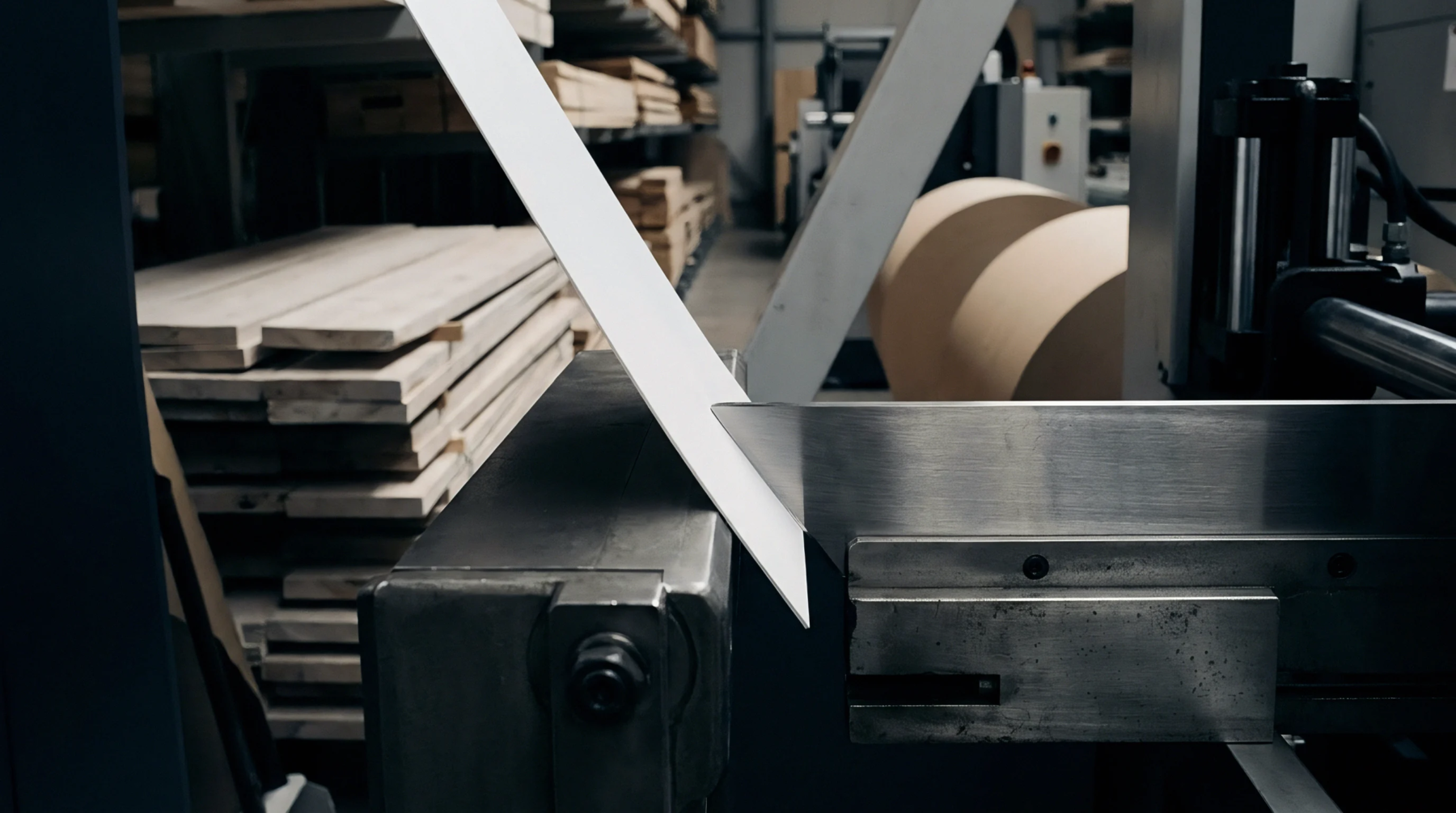
Rotary tooling parameters dictate the physical dimensions of the cutting profile within high-speed packaging conversion lines, where female channel width governs the exact clearance available for scoring rules during board creasing operations. Converting facilities measure this specific opening down to micrometers to prevent premature fracturing on corrugated paperboard outer layers during high-volume folding box production. Rotary die-cutters rely on exact tolerances within the lower cylinder groove to ensure precise folding lines without shearing the internal paper fibres.
Caliper variations across incoming paper stocks frequently demand mechanical adjustments to the female channel width in order to maintain structural rigidity in the finished carton. Exceeding the optimal operational threshold results in crushed fluting beneath the crease line, whereas insufficient clearance forces the paper stock to delaminate under excessive pressure.
Caliper Allowance
Material thickness dictates the required clearance because heavier corrugated media demands wider gaps to accommodate displaced paper during the crushing phase. Production engineers calculate this measurement by multiplying the combined liner and medium caliper by a set factor established during preliminary press trials. Folding carton factories adjust the lower tooling assembly whenever raw material suppliers alter the grammage of the input paperboard.
Tooling Wear
Mechanical friction progressively erodes the metallic edges of the lower groove during extended production runs, slowly widening the operational gap beyond acceptable press tolerances. Operators monitor board crease quality continuously to detect the moment when tooling degradation requires complete cylinder replacement.