Precision Target
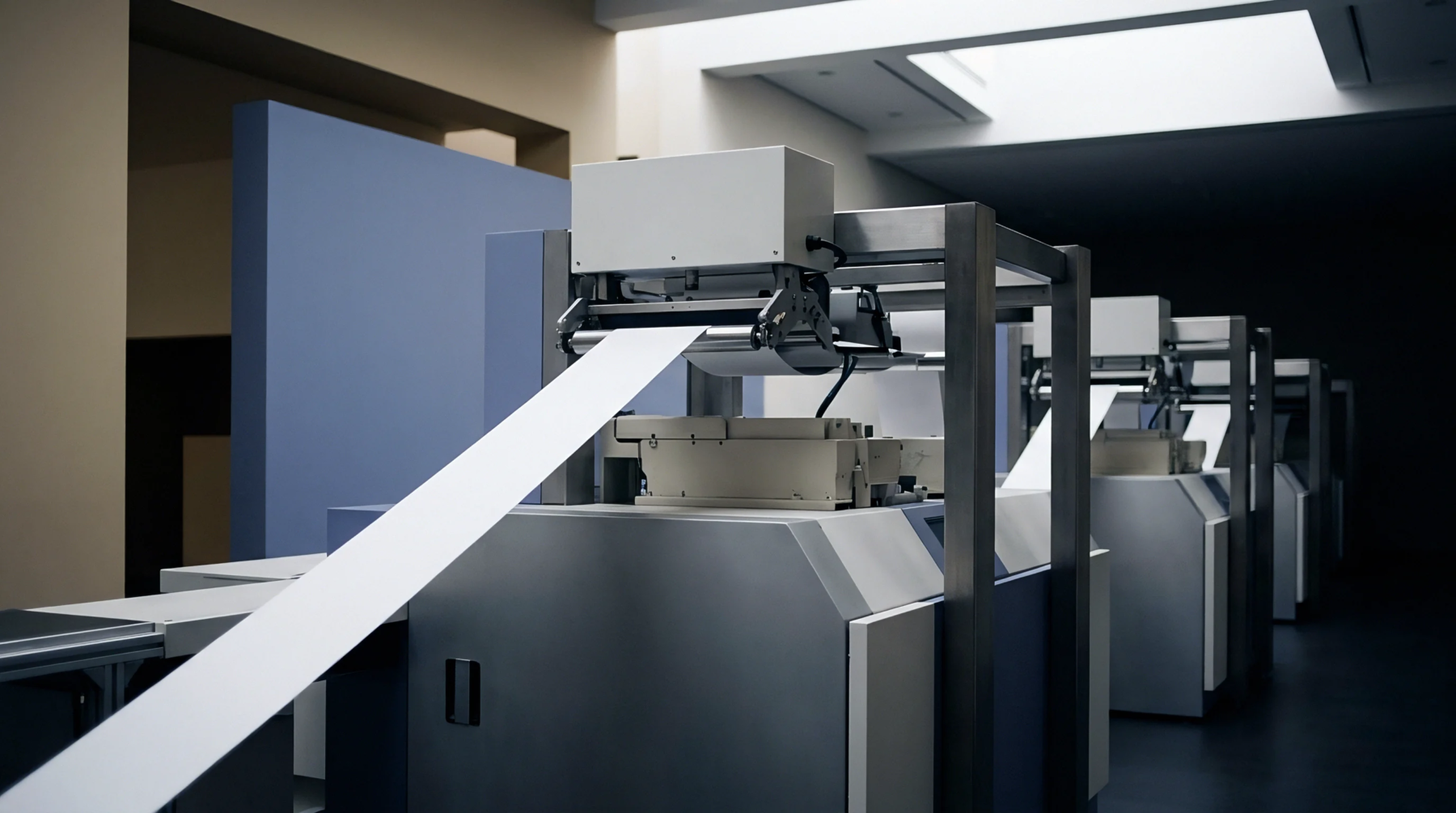
Chemical film deposition control manages the dry mass per unit area on a moving substrate to maintain functional properties while minimizing raw material usage. Coat weight optimization operates as the technical practice of balancing the physical requirements of a barrier, adhesive, or optical layer against the minimum application rate allowed by production tolerances. Engineers adjust metering systems and viscosity to reach this threshold without risking performance gaps in the finished product.
Operational Boundary
Converters calculate the lowest viable deposition rate through empirical testing of the substrate surface energy and the mechanical limits of the applicator head. Machine speed dictates the dwell time available for the fluid to settle, which forces a reduction in application pressure as line velocity increases. Operators monitor gap settings and pump feedback to prevent uneven distribution that results in strike-through or poor curing.
Variability in raw material viscosity necessitates frequent adjustment of the gravure or blade pressure to keep the process within the set range. Consistent measurement ensures the physical characteristics of the board remain stable during the conversion phase.
Economic Consequence
Excessive material application increases production costs and alters the flexibility of the final packaging structure. Precise regulation protects the physical integrity of the base sheet by preventing excess solvent or water absorption from the coating fluid. Producers gain margin through reduced chemical consumption while simultaneously shortening the energy requirement for drying tunnels.
Minimizing the added mass protects the flatness of the sheet and improves downstream stacking performance during the filling process. Proper control prevents structural degradation by ensuring the minimum chemistry required for performance is not exceeded.