Paperboard Holdout Optimization in Flexographic Coating Applications
Optimize flexographic board holdout by matching high-solids shear-thinning dispersions to low-roughness sized substrates using coarse trihelical anilox cells.
Absorption
Liquid penetration into cellulosic structures determines the integrity of flexographic post-print varnishes. When water-based functional barriers hit the top liner of folding boxboard or coated recycled board, capillary pressure draws the carrier fluid into internal voids within twenty milliseconds of initial contact. Uncontrolled fluid loss starves the wet film before polymer chains consolidate into a uniform skin.
Pinholes form immediately across the drying zone. Liquid stays on top.
Converters measuring holdout evaluate the balance between surface chemistry and mechanical pore diameter. Sizing agents like alkyl ketene dimer and alkenyl succinic anhydride suppress the high surface energy of native cellulose fibers, pushing contact angles from thirty degrees past ninety degrees. This chemical retardant slows capillary suction according to the Lucas-Washburn relation.
Dynamic fluid penetration depends heavily on viscosity alongside surface tension at the wetting front.
A sixty-second Cobb value below twenty-eight grams per square meter at twenty-three degrees Celsius and fifty percent relative humidity maintains sufficient carrier fluid in the coating plane to permit complete resin coalescence.
Uncoated recycled fibers create localized variations in surface energy. Mechanical pulps contain hydrophobic lignin residues alongside hydrophilic cellulose patches, causing uneven absorption rates across a single sheet width. These microscopic disparities pull the applied flexographic emulsion downward at uneven speeds.
The printed surface develops localized gloss mottle and variable pinhole density across the sheet caliper.
| Substrate Grade | Cobb 60 (g/m²) | PPS Roughness (µm at 1.0 MPa) | Contact Angle (Water, °) | Holdout Rating |
|---|---|---|---|---|
| Solid Bleached Sulfate (SBS) | 22 to 26 | 1.1 to 1.4 | 98 to 105 | Superior |
| Folding Boxboard (FBB) | 24 to 30 | 1.3 to 1.8 | 92 to 100 | High |
| Coated Recycled Board (CRB) | 32 to 42 | 2.2 to 3.1 | 78 to 88 | Moderate |
| Uncoated Kraft Back (CUK) | 45 to 65 | 3.8 to 5.2 | 65 to 75 | Poor |
Substrate selection sets baseline absorption limits. Premium virgin solid bleached sulfate holds the fluid phase within the top mineral coating layer, yielding predictable barrier layers at low wet film thicknesses. Coated recycled board features variable wastepaper fractions that display fluctuating pore architectures.
Recycled fibers resist uniform wetting. When fluid drains too rapidly into the sheet interior, functional polymers drop below their critical film-forming thickness, destroying water-vapor and grease resistance across the finished carton package.

Pore
Structural voids within cartonboard base stocks dictate whether an aqueous barrier forms a continuous film. High-pressure mercury intrusion porosimetry demonstrates that virgin fiber networks contain pore diameters ranging from 0.05 microns to 2.0 microns in double-coated grades. Uncoated recycled structures present open fissures extending past twelve microns.
Capillary suction drives penetration. Fluid moves inward under pressures exceeding three atmospheres when pore radii stay above five microns.
Is Pre-Metering Capable of Mitigating Base Roughness?
Mechanical smoothing units installed before the flexographic print station flatten high fiber peaks under nip pressure. Calendering reduces Parker Print-Surf roughness values from 3.5 microns down to 1.8 microns under a 1000-kilopascal clamping load. The process compresses surface air voids, transforming large macro-voids into narrow micro-channels that resist immediate hydraulic penetration during applicator roll contact.
Fiber swelling alters surface geometry.
Tight pore distributions prevent capillary draining more effectively than heavy application weights.
Applying an initial high-solids primer pass seals larger fissures before the functional barrier station. Primers containing ultrafine ground calcium carbonate and modified starches fill voids between ten and twenty microns wide, creating an artificial barrier layer. The subsequent flexographic functional coating remains entirely on the prepared surface plane.
Rough boards consume excess binder.
- Mechanical Profiling evaluates initial Parker Print-Surf roughness and Bendtsen air permeability across master rolls before staging at the press infeed.
- Hydrophobicity Verification measures dynamic contact angle reduction over ten seconds to confirm sizing uniformity across the web profile.
- Primer Application deposits four to six wet grams per square meter of mineral pre-coat through a coarse anilox roll to bridge open fissures.
- Intermediate Dehydration exposes the pre-coated web to high-velocity medium-wave infrared drying to lock the mineral matrix before main station contact.
Porosity measurements vary by mill batch and ambient equilibrium moisture content. Standard laboratory checks using ISO 8791-4 measure surface profile under compressed air conditions, yet dynamic press nips generate momentary hydraulic peaks that deform fiber walls. Mills often defend wide porosity tolerances by stating that secondary blade scrapers and customer coating adjustments compensate for raw sheet breathability.

Formulation
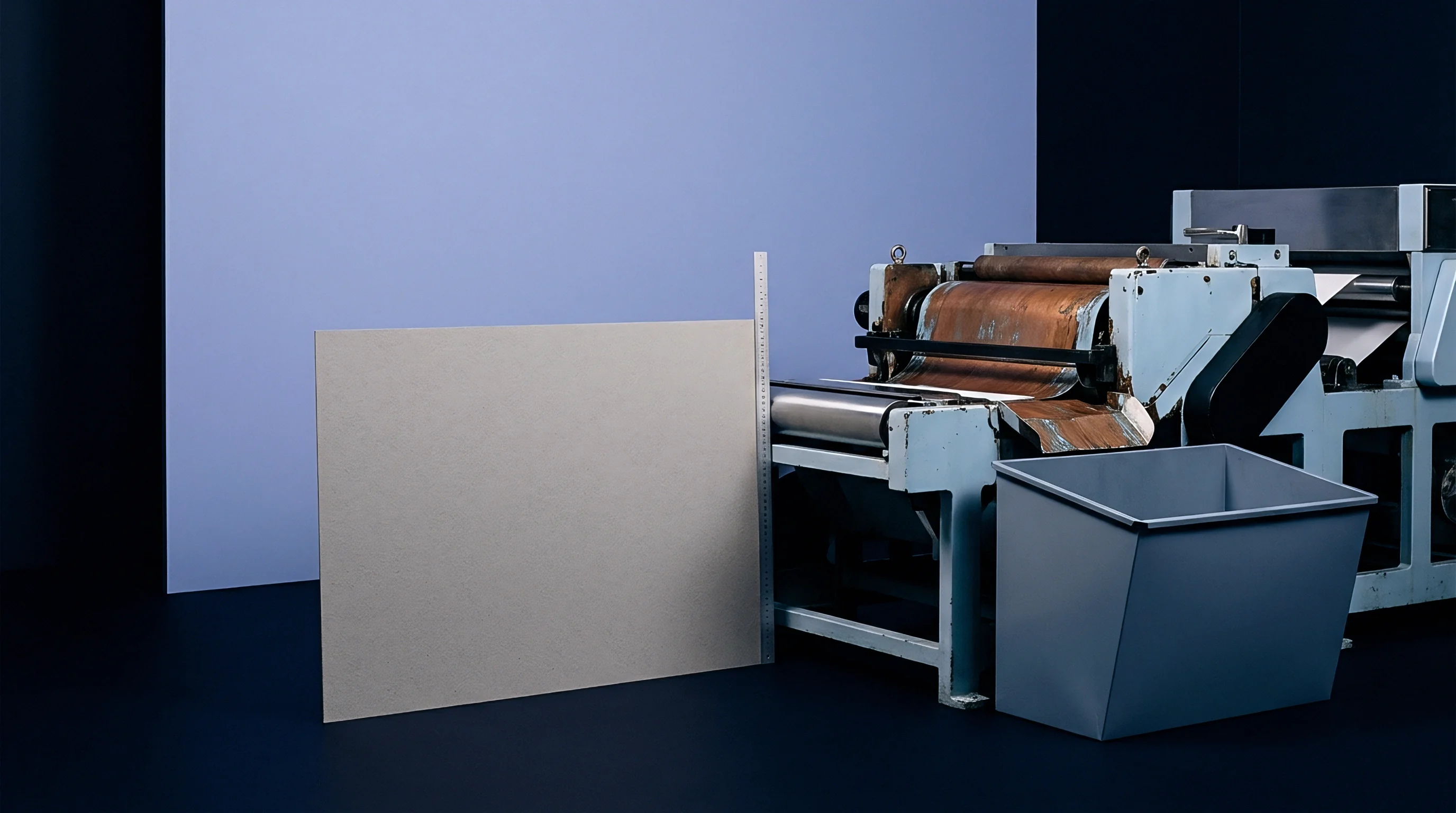
Polymer emulsion architecture determines how rapidly a fluid phase locks onto the board face. Flexographic functional coatings utilize aqueous dispersions of styrene-acrylate copolymers, polyolefins, or bio-based polyesters formulated at solids levels between forty-four and fifty-six percent. Higher solids percentages restrict the total carrier water volume entering the board.
This chemical concentration drives rapid skinning under hot air drying tunnels. Ink density collapses immediately.
Should Calendering Precede Barrier Dispersion Application?
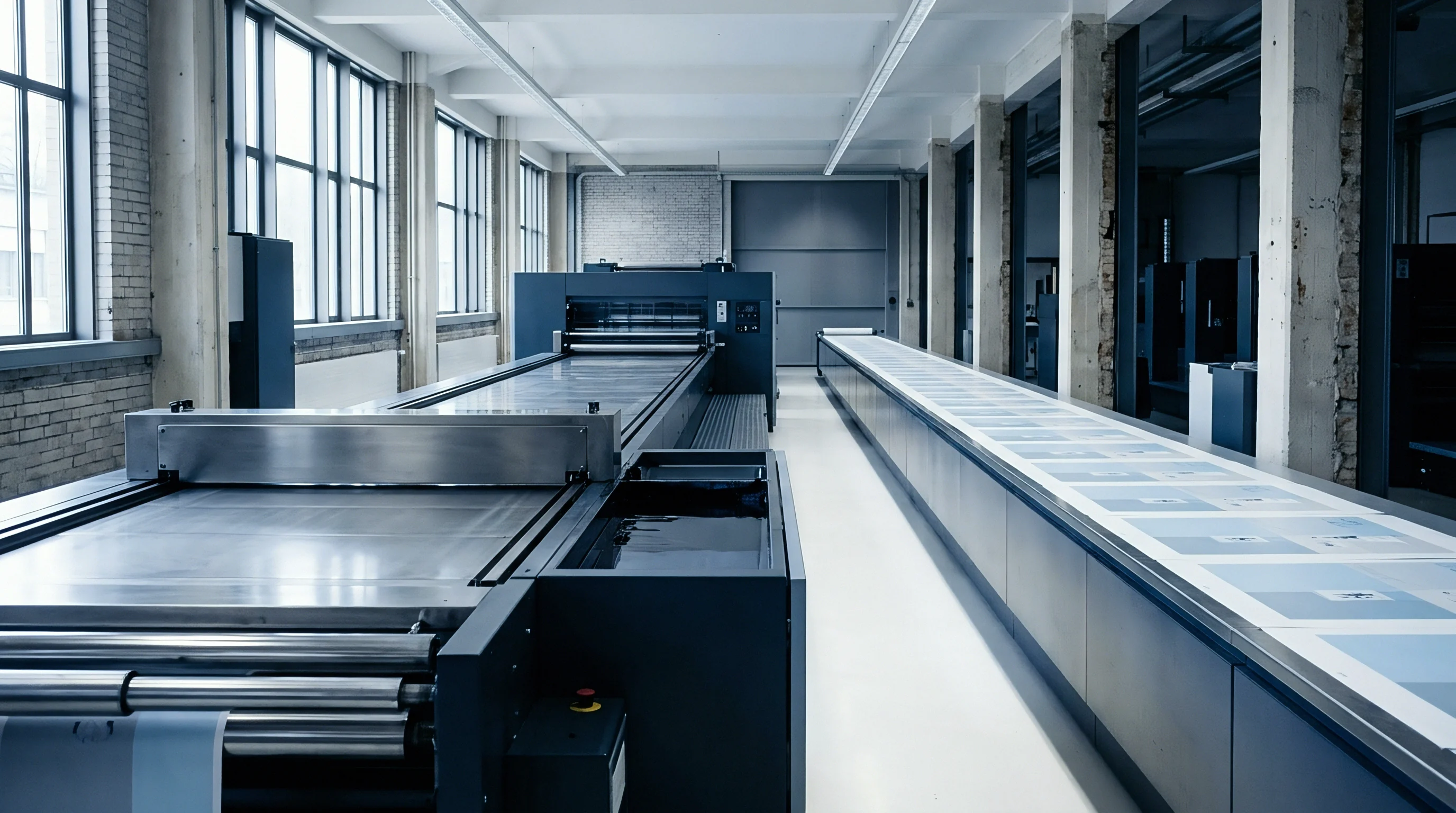
Heavy roll burnishing densifies sheet fibers while reducing void volume prior to chemical coating passes. Calender nip pressures exceeding two hundred kilonewtons per linear meter smooth surface peaks, limiting the valley depths that liquid coatings must span. Applying functional coatings over uncalendered kraft surfaces forces the chemist to add associative synthetic thickeners to prevent pooling in raw fiber hollows.
Pinholes destroy moisture resistance.
Rheological control requires balancing pseudoplastic shear thinning and structural viscosity recovery. Hydrophobic alkali-swellable emulsions build high resting viscosity inside ink supply hoses. Once the fluid enters the doctor blade chamber, shear rates jump past 100,000 reciprocal seconds, instantly dropping viscosity to permit uniform transfer into anilox cells.
Viscosity must recover within forty milliseconds after impression transfer to prevent downward gravity drainage into base board channels.
Paperboard converters routinely face operational compromises between barrier barrier properties and mechanical runnability. High-solids waterborne coatings with high polymer molecular weights crack under scoring dies when cartons reach the folder-gluer. Formulations containing low glass transition temperatures resist scoring fracture, yet display blocking tendencies inside wound rolls or stacked pallets.
The balance demands precise glass transition temperature tuning between minus ten and plus twenty-five degrees Celsius.
- Pinholing Rupture occurs when carrier water vaporizes through an under-coalesced polymer surface, leaving microscopic craters that permit immediate grease strike-through.
- Interface Delamination develops when high polymer holdout limits mechanical interlocking, causing the dried barrier film to peel away during die-cutting.
- Scoreline Fracture appears along carton creasing profiles where brittle, high-crystallinity barrier chemistries snap under tensile elongation.
- Blocking Seizure arises inside stored reels under winding pressures exceeding fifty bar when soft polymer backbones fuse against the untreated board back liner.
Extrusion laminators often argue that aqueous flexographic barriers cannot achieve the water vapor transmission rates delivered by standard low-density polyethylene films. Solid barrier films laid via hot extrusion provide continuous non-porous sheets down to twelve grams per square meter. Emulsion coatings dry by water evaporation, leaving capillary boundaries between polymer spheres that require thermal coalescence.
Modern aqueous formulations match polyolefin performance only when crosslinking agents like zinc ammonium carbonate or zirconium salts bridge intermolecular boundaries during the drying stage.
| Chemistry Backbone | Solids Content (%) | Viscosity (mPa·s at 1000 s⁻¹) | WVTR (g/m²/day at 38°C, 90% RH) | Kit Test (Grease Holdout) |
|---|---|---|---|---|
| Styrene-Acrylate Copolymer | 48 to 52 | 180 to 240 | 12 to 18 | 10 to 12 |
| Waterborne Polyolefin | 42 to 46 | 220 to 310 | 6 to 10 | 12 |
| Bio-Based Polyester Dispersion | 40 to 45 | 150 to 200 | 25 to 40 | 7 to 9 |
| Ethylene Acrylic Acid (EAA) | 35 to 40 | 300 to 450 | 8 to 14 | 11 to 12 |
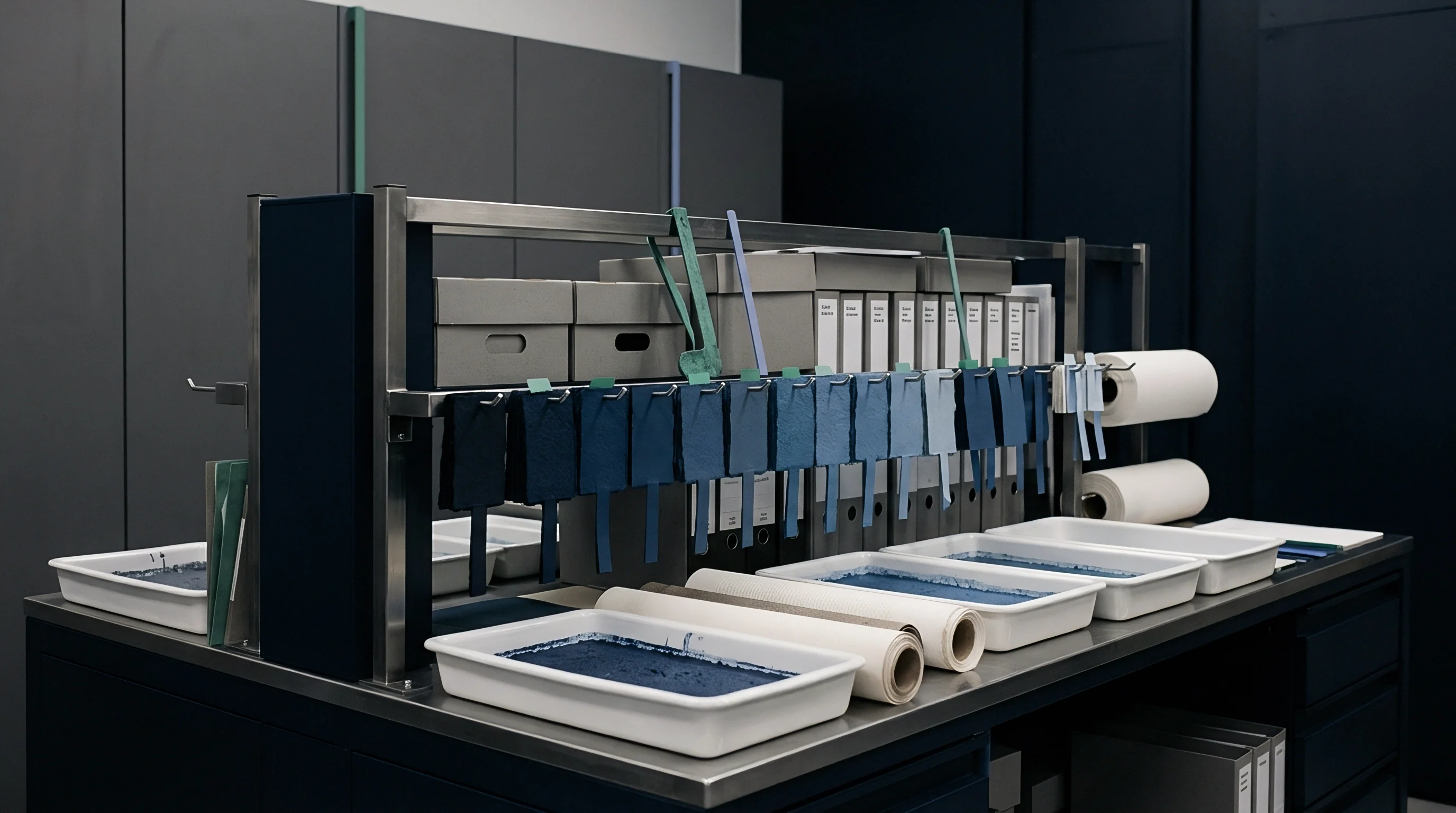
Formulation stability depends directly on drying rates on the press bed. Insufficient oven temperatures allow wet emulsion droplets to sink into paperboard pores before film coalescence completes. Drying air strips surface moisture.
If the air velocity exceeds forty meters per second at the drying nozzle, surface skins dry prematurely while damp layers underneath boil and blister. Formulating with balanced coalescing solvents ensures horizontal film leveling without vertical structural drainage.
Metering
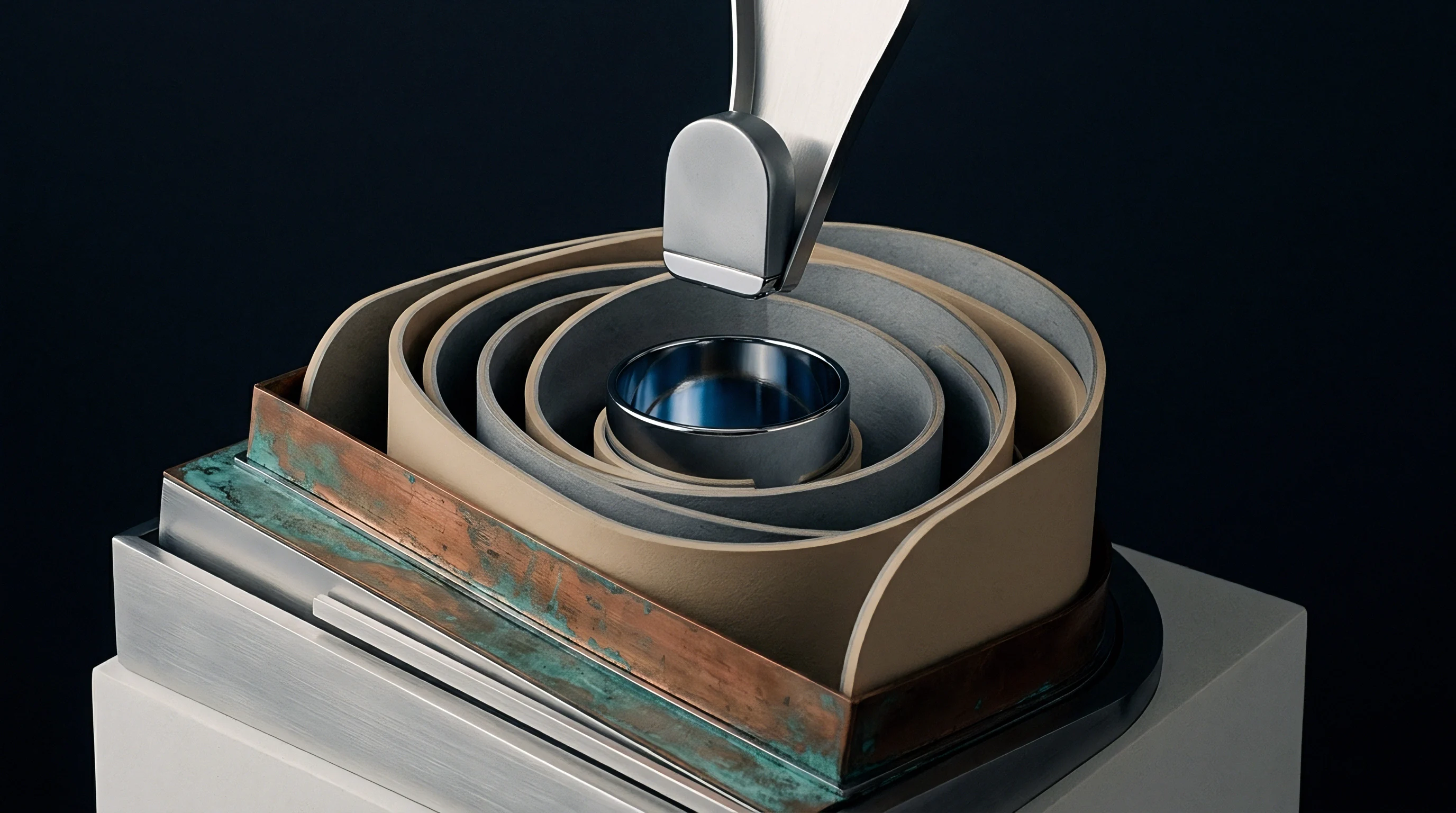
Transferring exact wet film thicknesses demands precise cavity geometry on the engraved ceramic cylinder. Anilox rolls specified for aqueous functional barriers feature cell volumes between twelve and twenty-five billion cubic microns per square inch. Standard sixty-degree hexagonal engravings trap high-viscosity barrier emulsions, releasing less than forty percent of their fluid volume to the plate.
Tool wear widens cell openings. Coarse trihelical or forty-five-degree elongated channels discharge up to fifty-five percent of carried volume directly onto the elastomeric sleeve.

Anilox Volume and Cell Architecture Selection
Liquid delivery rates depend directly on engraving depth, wall thickness, and opening angles. High-volume coatings run best through anilox rolls with low cell counts between 80 and 140 lines per inch. Deep cells with depth-to-opening ratios above thirty-five percent suffer from centrifugal starvation at line speeds beyond three hundred meters per minute.
Solids dry on cell walls.
Doctor blade configuration maintains fluid uniformity across the ceramic profile. Carbon steel blades wear down under abrasive inorganic pigment loads, creating hydrodynamic lift that thickens the metering film across center lanes. Stepped lamella tips manufactured from stainless steel or treated ceramic composites preserve contact angles between thirty and thirty-five degrees against the roll wall.
Blade deflection ruins dry laydown.
Standard EN 13430 demands that barrier coatings dissolve or disperse during industrial repulping cycles without generating insoluble stickies that fail screen filtration.
Consider a typical packaging converter applying a waterborne barrier over coated recycled paperboard to achieve a target dry coat weight of 8.0 grams per square meter. The coating dispersion runs at forty-eight percent solids with a liquid density of 1.05 grams per cubic centimeter. The press uses an elastomeric transfer plate that achieves a forty-five percent transfer efficiency from anilox to plate, and an eighty percent transfer efficiency from plate to paperboard substrate.
Total volumetric transfer efficiency from the ceramic roll to the final paperboard surface equals thirty-six percent. Achieving 8.0 grams per square meter of dry material requires applying 16.67 grams per square meter of wet emulsion. Converting wet mass to volume indicates an operational liquid requirement of 15.88 cubic centimeters per square meter of paperboard surface.
The anilox roll must deliver 44.1 cubic centimeters per square meter of engraving volume, corresponding to an anilox specification of 28.5 billion cubic microns per square inch.
- Cell Clearing Audit verifies through three-dimensional interferometry that residual dried resin inside anilox cells remains below eight percent of total engraving volume.
- Chamber Pressure Maintenance keeps hydraulic ink supply pressure between 0.15 and 0.35 bar to prevent aeration without forcing blade deflection.
- Plate Durometer Consistency sets elastomeric polymer hardness to seventy Shore A to eliminate edge halos and pinhole starvation across board flutes.
- Nip Impression Setting limits plate-to-board compression to seventy-five microns beyond kiss contact to prevent fracturing delicate base liner fibers.
Operational variance during long runs shifts transfer performance. Surface tension testing of anilox surfaces determines the cleaning frequency needed to prevent resin buildup within cell corners. Standard purchase contracts mandate that certified coating suppliers provide batch consistency certificates guaranteeing fluid dynamic viscosity within plus or minus twenty-five millipascal-seconds across ambient delivery temperatures.

Economics
Run costs escalate whenever inadequate fluid retention forces converters to apply secondary passes. Single-pass flexographic coating units keep application costs low, yet excessive substrate absorbency requires heavy chemical volume to bridge voids. Depositing twelve grams per square meter of dry polymer barrier through two separate flexo stations adds significant line waste during startup.
Machine speed changes dwell time. Production lines balance chemistry costs against sheet yield.
Extended Producer Responsibility and Recyclability Grading
Packaging fee structures penalize board structures exceeding five weight percent of synthetic polymers. Under European Packaging and Packaging Waste directives, aqueous coatings designed for repulpability maintain tax advantages over extruded polyethylene films. When a board barrier yields less than eighty-five percent usable fiber recovery during PTS-RH 021/97 disintegration tests, recyclers classify the material as non-recyclable composite packaging.
Modulated producer fees double immediately.
Extrusion coating operations claim high line speeds reaching six hundred meters per minute with basic low-density polyethylene resins. Low-density polyethylene costs roughly two thousand dollars per metric ton, while engineered aqueous barrier dispersions range between four thousand and seven thousand dollars per dry metric ton. The flexographic route avoids off-line processing, separate unwind waste, and secondary shipping logs.
Inline converting drops overall make-ready labor expenses.
Aqueous barrier coatings applied via inline flexographic units eliminate off-line converting passes while reducing total job make-ready spoilage by six percent.
| Application Method | Line Speed (m/min) | Raw Resin Cost ($/dry tonne) | Repulping Yield (%) | Make-Ready Waste (%) |
|---|---|---|---|---|
| Inline Single-Pass Flexo | 250 to 350 | 4,500 to 6,200 | 92 to 96 | 2.5 to 3.5 |
| Inline Dual-Pass Flexo | 200 to 280 | 4,500 to 6,200 | 88 to 92 | 4.0 to 5.5 |
| Off-Line Extrusion Coating | 450 to 600 | 1,800 to 2,400 | 65 to 78 | 8.0 to 12.0 |
| Off-Line Aqueous Curtain | 300 to 450 | 4,000 to 5,500 | 90 to 95 | 6.0 to 8.5 |
Evaluating total landed expense involves calculating substrate consumption during startup. Make-ready bring-up on a multi-station flexographic press consumes three hundred to five hundred meters of cartonboard before achieving uniform coating distribution and correct drying balance. Off-line extrusion lines generate twice this waste during die adjustment and corona treater calibration.
High board grammages amplify the cash penalty of startup waste.
Commercial viability rests on the balance between substrate prepress quality and applied coating volume. When buyers specify low-grade recycled boards to cut virgin fiber costs, the converter consumes expensive functional barrier polymers to fill surface fissures. Specifying a smoother, sized folding boxboard increases base substrate expenses by eight percent while reducing required barrier chemistry by twenty-five percent.
Chemical savings and scrap reduction offset initial board premiums on volume production runs.