Rheological Deformation
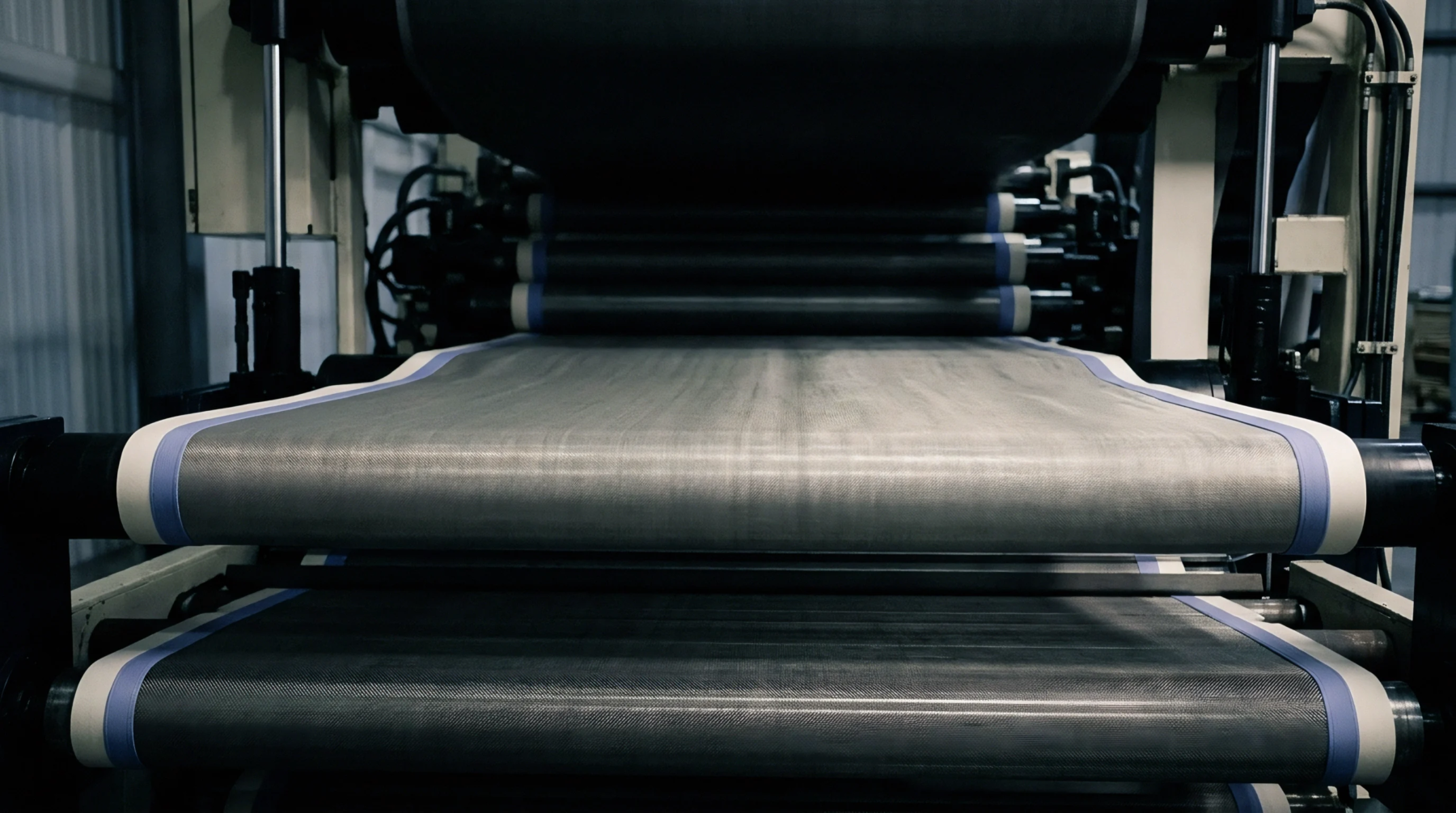
Time-dependent mechanical displacement displays both elastic recovery and irreversible viscous dissipation under applied shear stresses. Designated as viscoelastic flow, this rheological behavior describes the response of molten extrusion polymers, adhesives, and wet pigment coatings during roller application and nip processing. The property determines how materials deform under high-speed mechanical shearing and how they relax once stress ceases.
Theoretical boundaries stop where pure Newtonian behavior or permanent solid fracture begins.
Strain Relaxation
Polymeric melts and concentrated coating slips exhibit immediate spring-like recoil combined with gradual continuous creep under load. In extrusion lamination, viscoelastic flow dictates die swell behavior as molten low-density polyethylene exits the narrow slot orifice and expands before contacting the paperboard substrate. High molecular weight chains disentangle slowly, creating normal stress differences that drive edge neck-in and web tension instability.
If shearing cycles outpace polymer relaxation times, stored elastic energy produces surface irregularities along coated board edges.
Melt Extrusion
Converters adjust temperature, nip geometry, and shear rates to control fluid response during high-speed substrate coating. In hot-melt adhesive bonding, correct flow characteristics enable rapid fiber wetting under initial compression followed by instantaneous mechanical interlocking before the adhesive sets. Coating formulations that lack balanced viscous dissipation shear-thin excessively inside blade metering assemblies, causing streaking and coat-weight variations.
Balanced rheological formulations ensure smooth leveling without uncontrolled penetration into open baseboard pores.