Viscoelastic Property Loss in Aqueous Coated Paperboard Converting
Moisture and thermal stress during converting plasticize aqueous latex coatings, reducing storage modulus and causing fold delamination unless web tension is optimized.
Plasticization
Aqueous dispersion barriers applied to solid bleached sulfate or folding boxboard substrates consist of synthetic latex polymers and mineral fillers suspended in water. During liquid application, water acts as a carrier, swelling paperboard surface fibers and penetrating amorphous regions of the polymer binder matrix. The interaction between water molecules and synthetic polymers like styrene-acrylics, styrene-butadiene, or polyvinyl alcohol significantly changes the mechanical properties of the dry coating film.
Water molecules fit between polymer chains, pushing them apart and increasing free volume inside the matrix. This spatial separation reduces secondary intermolecular forces ~ such as hydrogen bonding and van der Waals interactions ~ that normally hold polymer chains in a rigid structure. Consequently, the glass transition temperature drops below ambient processing conditions.
Chains move more freely, shifting the material from a glassy state to a compliant, rubbery one before any converting forces are applied.
The extent of this shift depends heavily on environmental relative humidity and the absorption dynamics of the base paperboard furnish. Uncoated or lightly sized paperboard layers absorb free moisture rapidly during liquid coating. Moisture redistribution creates a temporary hydration gradient through the paperboard’s thickness.
As the substrate takes on excess water, the fiber network swells along its cross-direction axis, altering internal stress at the interface between the aqueous barrier and the top liner fiber wall. High moisture levels lower the storage modulus while raising the loss modulus of the polymer film, shifting the material toward irreversible plastic flow rather than elastic energy storage. Dynamic mechanical analysis under controlled humidity shows that even slight increases in equilibrium moisture content lead to significant drops in film tensile strength and stiffness.
Paperboard converters face challenges when handling hydrated coating layers during slitting, die-cutting, and creasing. A plasticized surface layer behaves unpredictably under localized shear and compressive stress. Under heavy mechanical load, it deforms easily, yielding under forces that would normally produce clean, crisp creases in a fully dry polymer network.
That compliance comes at the expense of tensile strength, however. The loss of cohesive strength makes the damp coating prone to surface smearing, pick-off on guide rolls, and micro-fissuring along score lines. Once the polymer binder transitions into its rubbery regime, its ability to distribute applied mechanical stress uniformly across the fiber top liner declines.
Without a strong elastic response, micro-deformations concentrate near structural defects in the fiber network, creating stress points that later turn into visible surface cracks.
Sorption Dynamics
When moisture penetrates the polymer network, water molecules settle into amorphous regions between polymer chains. Polar functional groups along the binder backbones, including carboxyl, hydroxyl, and ester moieties, form localized hydrogen bonds with absorbed water. This binding disrupts the cross-linked or hydrogen-bonded network that gives the dried coating its structural integrity.
Absorption follows non-Fickian diffusion kinetics in hydrophilic polymers like polyvinyl alcohol or micro-fibrillated cellulose blends. By contrast, hydrophobic synthetic latexes like styrene-butadiene show Fickian diffusion behavior with lower equilibrium moisture uptake. Equilibrium water sorption isotherms, measured via dynamic vapor sorption at twenty-three degrees Celsius, show how moisture absorption accelerates rapidly once ambient relative humidity exceeds sixty-five percent.
Water sorption alters the physical dimensions of both the coating film and the underlying paperboard fibers. Paperboard fibers swell preferentially in the transverse direction, expanding in thickness by up to fifteen percent when exposed to high moisture. This dimensional shift generates shear stress at the interface between the expanding paperboard substrate and the applied coating.
If the coating film lacks the elongation capacity to match fiber expansion, micro-fractures develop along the interfacial boundary. Conversely, if the coating layer is overly plasticized, it yields permanently under swelling stress and loses structural elasticity. Differential expansion between the fiber network and the polymer coating alters sheet curl, causing registration errors during high-speed die-cutting operations.

Viscoelastic Shifts
The mechanical response of dispersion layers shifts as water weakens inter-chain hydrogen bonds and increases segment mobility. Storage modulus values, which quantify stored elastic energy, drop by more than an order of magnitude when moisture content increases from two percent to six percent by weight. At the same time, the loss modulus peak shifts to lower temperatures, pulling the effective glass transition point into the working temperature range of converting machinery.
This alters the material’s basic deformation behavior, moving it from elastic recovery to viscous flow under mechanical load. When a creasing rule impacts the coated paperboard, the plasticized polymer flows sideways away from the tool apex rather than folding cleanly, altering the geometry of the score line permanently.
Loss factor values, calculated as the ratio of loss modulus to storage modulus, peak near the glass transition point. High values point to substantial energy dissipation within the polymer layer during fast mechanical deformation. While that dissipation can prevent brittle fracture under sudden impacts, it also reduces the restoring force needed for crisp corner formation during carton folding.
The plasticized polymer fails to store sufficient elastic strain energy during the creasing stroke, leaving the board with sluggish springback. This loss of structural elasticity directly impairs high-speed automated carton erection, where consistent score line resistance and reliable springback kinetics are essential to keep lines running efficiently.
Stabilizing viscoelastic behavior under fluctuating humidity requires balancing hydrophilic and hydrophobic components in the coating binder. Incorporating cross-linking agents, such as ammonium zirconium carbonate or glyoxal derivatives, limits water access to polar polymer sites, preserving film stiffness under humid conditions. Optimizing pigment packing with high-aspect-ratio clays or talc creates a tortuous path that slows moisture diffusion into the binder matrix.
These additions help maintain storage modulus values across a wider relative humidity spectrum, maintaining reliable converting performance even when environmental conditions drift during production runs.
Understanding these moisture-driven shifts is essential when specifying coatings for different climate zones or plant environments. A formulation designed for low humidity can turn soft and tacky in high-humidity regions, fouling processing equipment and causing cartons to block on pallets. Conversely, coatings formulated with high glass-transition binders to resist humid conditions often prove brittle during dry winter months, leading to severe corner cracking during creasing.
Maintaining tight relative humidity control inside converting plants remains the primary way to stabilize sheet performance throughout production.
| Coating Chemistry | Conditioning State | Glass Transition Tg (°C) | Storage Modulus E’ at 23°C (MPa) | Loss Factor tan δ Peak Value | Tensile Yield Strain (%) |
|---|---|---|---|---|---|
| Styrene-Acrylic Dispersion | Dry (10% RH, 23°C) | 28.5 | 1450 | 0.22 | 4.2 |
| Styrene-Acrylic Dispersion | Conditioned (50% RH, 23°C) | 14.1 | 380 | 0.68 | 18.5 |
| Pure Acrylic Binder | Dry (10% RH, 23°C) | 18.2 | 890 | 0.35 | 8.6 |
| Pure Acrylic Binder | Conditioned (50% RH, 23°C) | 2.4 | 120 | 0.92 | 42.0 |
| Styrene-Butadiene (SBR) | Dry (10% RH, 23°C) | 8.0 | 620 | 0.48 | 15.1 |
| Styrene-Butadiene (SBR) | Conditioned (50% RH, 23°C) | -4.5 | 160 | 0.81 | 38.4 |
| PVOH / Wax Blend | Dry (10% RH, 23°C) | 42.0 | 2100 | 0.15 | 2.1 |
| PVOH / Wax Blend | Conditioned (50% RH, 23°C) | 11.0 | 290 | 1.12 | 22.8 |
Moisture-induced softening is often assumed to be completely reversible upon drying, with film strength returning once excess water evaporates. In actual plant operations, paperboard stored in unconditioned environments undergoes permanent structural changes. Water absorption disrupts the initial fiber-to-fiber bonds inside the top liner, permanently reducing internal bond strength.
When the paperboard re-dries, the original polymer network does not reform its exact initial morphology; chains retain microscopic defects, void spaces, and localized orientation shifts introduced during plastic deformation. Relying on simple post-drying recovery to restore initial viscoelastic properties ignores these permanent structural alterations, which directly compromise carton strength on packaging lines.
Heat
Thermal drying tunnels in web conversion forced-air units transfer thermal energy into wet dispersion barrier films to drive off water. Web surface temperatures climb rapidly inside infrared and convective drying zones, often exceeding eighty degrees Celsius to maintain high line speeds. While this thermal energy speeds up water evaporation, it also alters the polymer structure of the coating.
As temperatures cross the binder’s glass transition threshold, polymer chains gain kinetic energy, triggering large-scale segmental motion. The storage modulus drops precipitously within milliseconds of entering the high-temperature drying zone. This sharp drop turns the structured polymer matrix into a viscous liquid, leaving it vulnerable to shear deformation from web tension, guide rollers, and air flotation forces inside the tunnel.
The rate of thermal energy transfer directly dictates final film morphology and viscoelastic performance. Rapid drying profiles create steep temperature and moisture gradients through the coating’s thickness. The top surface of the wet dispersion heats first, forming a dense, skin-like polymer layer while the material beneath remains wet.
Trapped water under this skin eventually boils, generating steam pressure that ruptures the upper film and leaves microscopic pinholes. High drying temperatures also drive binder migration, forcing low-molecular-weight polymer fractions and surfactants toward the outer surface. This uneven chemical distribution leaves the lower coating layer binder-starved, weakening its bond to the paperboard substrate and causing premature delamination during creasing.
Exposing the paperboard substrate to high thermal loads strips moisture from the cellulose fibers. Web moisture can drop below three percent by weight upon exiting hot drying tunnels. Desiccated fibers become stiff and brittle, losing their capacity to deform plastically without breaking.
When cold creasing tools strike this dried board, brittle top-liner fibers snap rather than bending smoothly, causing score line cracks. At the same time, sudden shrinkage of desiccated surface fibers introduces internal shear stress at the coating interface. If thermal drying is not balanced by moisture reconditioning, combining a thermally softened polymer coating with a brittle fiber base causes severe defects during high-speed carton folding.
Thermal History
Convection drying profiles determine whether latex particles coalesce into a continuous film before web surface temperatures cross critical thresholds. Film formation occurs in distinct steps: water evaporation, particle packing, particle deformation, and inter-chain polymer diffusion. If heat is applied too quickly early on, water evaporates faster than latex particles can pack into an ordered lattice.
This rapid drying locks in void spaces between particles and prevents polymer chains from diffusing across particle boundaries. The resulting film exhibits low tensile strength, poor elastic strain recovery, and degraded barrier properties. Maximizing film strength requires managing web temperature profiles so particle coalescence finishes before the polymer matrix undergoes thermal degradation.
Subsequent cooling stages introduce additional thermal history effects into the paperboard. Chill rolls positioned after drying tunnels rapidly drop web temperature below the binder’s glass transition threshold. This rapid quenching freezes polymer chains in a non-equilibrium, high-free-volume state.
Over time, the quenched coating undergoes physical aging, gradually shrinking and hardening as chains slowly rearrange into lower-energy conformations. Post-cooling hardening increases film brittleness over the next twenty-four to forty-eight hours. Consequently, converting paperboard immediately after chill-roll cooling yields different crease behavior than converting board that has equilibrated at ambient temperatures for two days, complicating quality control testing.
Modulus Loss
The storage stiffness parameter E’ drops sharply as latex polymers cross their glass transition region during forced drying. For a typical styrene-acrylic binder, storage modulus falls from fifteen hundred megapascals at twenty degrees Celsius to less than ten megapascals at eighty-five degrees Celsius. This severe loss of structural rigidity leaves the coating vulnerable to deformation.
Web tension forces inside the drying oven can permanently stretch the softened film, aligning polymer chains along the machine direction. This alignment creates anisotropic mechanical behavior, leaving the dried film stiffer and more brittle in the machine direction, but softer and more extensible in the cross direction.
Thermal softening also alters the loss modulus E”, which peaks within the glass transition region before dropping at higher temperatures. Elevated loss modulus values inside the dryer zone mean the coating absorbs and dissipates substantial mechanical energy as heat. If guide rollers or coater heads apply shear stress to the film during this phase, the coating undergoes plastic flow, leading to localized thinning and uneven coat weight across the web.
Maintaining steady web tension and minimizing roller contact until the sheet drops below its heat deflection temperature are essential to preserve uniform coating thickness and barrier performance.
Storage modulus recovery upon cooling is rarely instantaneous or complete. Polymer chains entangled in non-equilibrium states during high-speed thermal processing need time to relax back into stable structural configurations. If paperboard sheets are die-cut and creased before full recovery occurs, the coating deforms under creasing forces with different stress-strain kinetics than fully relaxed board.
This mismatch causes inconsistent crease depths, variable folding resistance, and poor box squareness on downstream automated packaging machinery.
- Baseline Thermal Mapping establish the exact web temperature profile across all drying zones using calibrated infrared sensor arrays positioned along the web path.
- Evaporation Rate Control adjust air velocity and burner output in the initial drying zone to hold web temperatures below fifty-five degrees Celsius until latex particle packing reaches sixty percent solids content.
- Coalescence Temperature Peak elevate web surface temperature to twenty degrees Celsius above the binder glass transition point in the secondary drying zone to promote inter-chain polymer diffusion.
- Controlled Web Cooling pass the heated paperboard web over chill rolls maintained at twenty-two degrees Celsius to drop web temperature below the glass transition threshold before reel winding.
- Moisture Equilibration Audit measure exit web moisture content using inline microwave gauges to verify that paperboard moisture remains between six and seven point five percent by weight.
Thermal energy applied without precise moisture balance permanently damages paperboard fiber flexibility, guaranteeing score line cracking regardless of coating formulation quality.
Failing to control web heating during drying operations degrades product quality and inflates operating costs. Overheating consumes unnecessary burner gas or electric power while driving sheet moisture down to brittle levels. When desiccated board reaches high-speed creasing and folding stations, top liner cracking forces operators to cut line speeds by up to thirty percent to prevent split score lines.
Slower speeds reduce plant throughput, while brittle board drives up scrap rates and triggers customer rejections from barrier pinholes and corner splits on finished cartons.

Relief
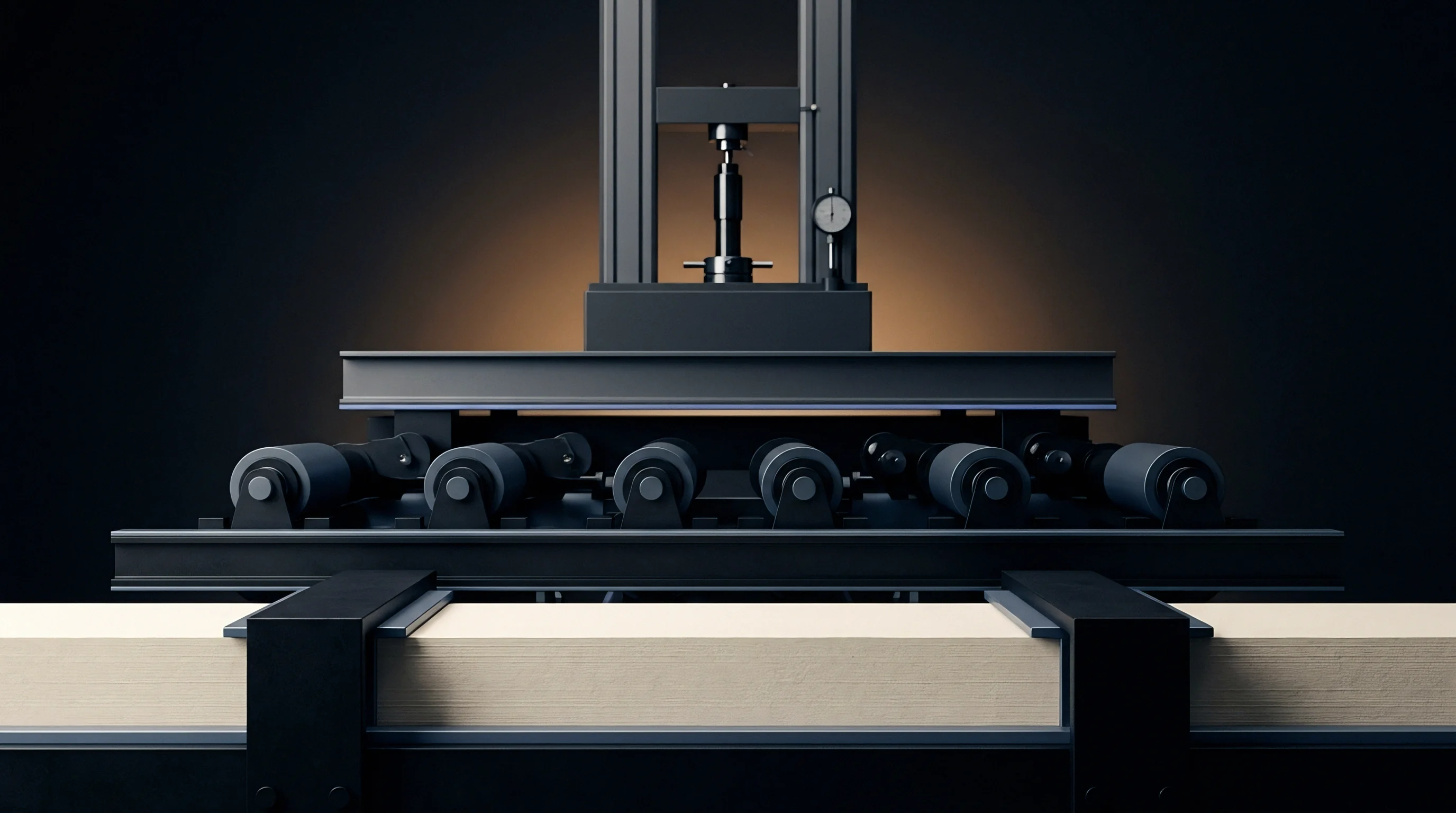
Mechanical scoring and creasing subject paperboard to concentrated compression and shear forces along predefined fold lines. The creasing rule pushes the coated board into a female matrix groove, forcing the sheet to bend and shear locally. This action deliberately breaks down internal fiber structure, creating controlled delaminations within the sheet core.
These micro-delaminations reduce bending stiffness along the score line, allowing the paperboard to fold cleanly into a three-dimensional box corner. However, the aqueous polymer barrier applied to the surface liner must withstand this localized deformation without tearing, flaking, or peeling from the fiber surface.
During the creasing stroke, the polymer barrier coating on the print side experiences intense tensile strain, while the reverse side undergoes heavy compression. Tensile strain on the outer surface of a ninety-degree crease can exceed fifteen percent, depending on sheet caliper and female matrix width. If the barrier layer lacks sufficient yield elongation at high strain rates, tensile stress exceeds the film’s ultimate tensile strength.
The coating ruptures, forming micro-cracks along the outer ridge of the fold line. These cracks compromise moisture and grease barrier properties, leaving raw paperboard fibers exposed to liquid penetration during storage.
Stress relaxation kinetics dictate how creased paperboard behaves immediately after the tool retracts. Cellulose fibers and synthetic polymer coatings display viscoelastic stress relaxation, continuously dissipating internal strain energy over time. When the creasing rule retracts, residual stresses in the compressed core and stretched polymer coating drive partial elastic recovery, causing the crease depth to bounce back slightly.
The rate and extent of this dissipation determine final score line geometry, folding resistance, and springback angle. Managing stress relaxation through proper creasing matrix selection is critical for producing score lines that fold smoothly on high-speed packaging lines.
Deformation Rates
High-speed conversion equipment applies mechanical stress within millisecond time windows. Rotary die-cutters and flatbed platen presses operate at rates where creasing tool contact times range from two to fifteen milliseconds. Under such rapid strain rates, the binder polymer exhibits elevated storage modulus values and reduced ultimate elongation.
Polymer chains simply lack the time to uncoil and slide past one another to accommodate the strain plastically. Consequently, a coating formulation that appears flexible during slow laboratory tensile tests at ten millimeters per minute may fracture brittlest on an industrial platen press running at seven thousand sheets per hour.
The strain-rate sensitivity of polymer binders follows the Time-Temperature Superposition Principle, modeled using the Williams-Landel-Ferry equation. Increasing strain rate by three orders of magnitude impacts storage modulus identically to dropping operating temperature by fifteen to twenty degrees Celsius. This shift effectively raises the dynamic glass transition temperature of the coating layer during high-speed converting.
A binder with an ambient static glass transition temperature of ten degrees Celsius can see its dynamic glass transition shift to thirty degrees Celsius under impact from a creasing tool. In that state, the binder acts like a brittle glass, dramatically raising the risk of surface cracking along score lines.
Optimizing creasing tool geometry helps reduce localized strain rates on the coating. Choosing wider female matrix channels reduces peak bending strain on the outer liner during the creasing stroke. Broadening the creasing rule profile spreads mechanical energy over a larger area, lowering stress concentration at the score line apex.
Expanding matrix width too far, however, increases score line bending resistance and causes the board to fold outside the intended groove. Converting engineers must balance matrix width and rule thickness to achieve proper internal delamination while keeping tensile strain on the coating below its failure threshold.
Can Dynamic Mechanical Analysis Predict Folding Flaws?
Laboratory rheological characterization using small-amplitude oscillatory shear shows how binder networks dissipate energy under strain. Dynamic Mechanical Analysis measures storage modulus E’, loss modulus E”, and loss factor tan δ across a range of temperatures and deformation frequencies. By running frequency sweeps from zero point one to one hundred hertz at various temperatures, technicians construct master curves using Time-Temperature Superposition principles.
These curves project viscoelastic behavior up to equivalent frequencies of ten thousand hertz, mirroring the high strain rates encountered on industrial converting machinery. Evaluating loss factor values at high strain rates reveals whether a given coating will behave elastically or yield plastically during creasing.
Comparing temperature-sweep loss factor curves across different barrier formulations highlights performance variations on converting lines. A broad loss factor peak centered near ambient converting temperatures indicates a binder network capable of dissipating strain energy over a wide frequency band. That broad range prevents severe stress concentrations from building up at the creasing tool contact point, reducing surface cracking.
Conversely, a sharp, narrow loss factor peak means small shifts in temperature or line speed can push the coating into a brittle regime, triggering sudden outbreaks of score line splitting during production.
Dynamic Mechanical Analysis also measures temperature-dependent creep relaxation rates under constant strain. Creep tests apply a step strain to a free coating film and monitor stress decay over time. Fast relaxation rates show that the binder dissipates internal strain energy rapidly, reducing residual stress within the fold line.
Coatings with slow relaxation rates retain high internal stress, driving springback that compromises carton squareness on automated folder-gluers. DMA testing during raw material qualification lets packaging engineers screen out brittle or high-springback formulations before committing to full mill runs.
Proper creasing matrix selection must achieve internal fiber delamination within the paperboard core while keeping tensile elongation of the surface coating below its critical fracture limit.
Uncontrolled stress relaxation within creased paperboard causes unpredictable carton springback during high-speed packaging operations. When fold lines retain high elastic strain energy, converted cartons resist folding flat and spring open after exiting folder-gluer compression belts. This springback forces automatic loading machines to exert excessive force to hold cartons open, leading to jams, crushed box corners, and line stoppages.
On packaging lines running at four hundred cartons per minute, even a small increase in springback angle can cut line efficiency by fifteen percent, driving up scrap rates and unit packaging costs.
Rupture
Tensile strain concentrations at the outer bend of a 180-degree crease frequently exceed the ultimate elongation limit of aqueous latex films. When paperboard folds, the outer liner undergoes severe stretching while the inner liner crumples into the fold axis. The applied aqueous barrier layer, bonded directly to the outer fiber surface, must stretch around this bend radius without fracturing.
If tensile strain exceeds the plastic deformation limit of the coating matrix, micro-voids form at structural weak points. These voids coalesce into linear micro-cracks running along the crease line axis. Once a continuous crack forms through the coating’s thickness, barrier continuity is destroyed, leaving the package vulnerable to liquid, oil, and gas migration.
The severity of coating rupture correlates strongly with interfacial bond strength between the paperboard top liner and the barrier layer. Strong interfacial adhesion forces the coating to deform in tandem with the underlying cellulose fibers. If the fiber matrix yields unevenly or fails in shear, that strong bond transfers non-uniform strain directly into the coating film, concentrating stress over individual fiber gaps.
Conversely, if interfacial adhesion is too weak, the coating layer delaminates cleanly from the paperboard liner during creasing. While delamination can prevent the coating film from stretching to its fracture point, it leaves loose, unbonded flaps that peel, flake, or wear off during handling.
Pigment volume concentration plays a decisive role in determining crack resistance under strain. High pigment loads using calcium carbonate, kaolin clay, or talc lower raw material costs and improve barrier tortuosity, but they also reduce film elongation. Mineral pigment particles act as stress concentration points within the continuous binder matrix.
When strain is applied, micro-cracks initiate at pigment-binder interfaces where stress builds up. Coatings formulated above their critical pigment volume concentration lack enough continuous binder matrix to bridge these micro-voids, resulting in brittle fracture along score lines at low deformation strains.
Interfacial Failure
Delamination between paperboard top liners and pigment-binder coatings stems from uneven stress distribution during bending. Shear forces generated during creasing tend to slide the coating horizontally across the top liner. If the surface energy of the paperboard liner is poorly matched to the wetting characteristics of the liquid dispersion during application, mechanical interlocking and thermodynamic adhesion suffer.
Weak interfacial adhesion allows the coating to detach from the fiber base under shear strain. Once detached, the unsupported film buckles, wrinkles, and ultimately fractures under light handling loads.
Paperboard surface properties ~ including Bendtsen roughness, pore size distribution, and Cobb water absorption ~ directly govern interfacial bond quality. Highly smooth, heavily calendered base sheets limit mechanical anchoring for wet latex binder, relying almost entirely on chemical bonding. Conversely, overly porous sheets absorb excess liquid binder, starving the surface layer of polymer and leaving pigment particles unbonded at the interface.
Optimizing surface sizing and pore structure ensures controlled penetration of the aqueous dispersion, building a robust fiber-polymer interphase zone that resists shear delamination during high-speed converting.
Barrier Integrity
Microscopic pinhole formation within aqueous latex layers destroys gas and moisture resistance across converted box corners. Pinholes occur when tensile strain ruptures thin polymer membranes spanning gaps between surface fibers. Even tiny pinholes, invisible to the naked eye, act as low-resistance channels for water vapor, oxygen, and grease.
Standard dye-penetration testing reveals linear arrays of pinholes following the score line path on converted cartons. These pinhole arrays compromise packaging barrier performance, shortening shelf life and risking package failure during distribution.
Water vapor transmission rate testing on flattened, creased board samples quantifies barrier loss caused by micro-rupture. Uncreased aqueous-coated board may exhibit a water vapor transmission rate of five grams per square meter per day at thirty-eight degrees Celsius and ninety percent relative humidity. After standard creasing and 180-degree folding under TAPPI T829 procedures, that same sample’s transmission rate can jump to more than one hundred grams per square meter per day if severe micro-cracking occurs.
This sharp loss of protection underscores the challenge of maintaining film integrity across creased box geometries, requiring careful optimization of coating chemistry and converting settings.
| Paperboard Caliper (mm) | Rule Thickness (pt) | Matrix Width (mm) | Matrix Depth (mm) | Crease Quality Index (1-5) | Pinhole Density (count/cm) | Creased WVTR (g/m²/day) |
|---|---|---|---|---|---|---|
| 0.45 (450 µm) | 2.0 | 1.2 | 0.50 | 2.1 (Under-creased) | 14.2 | 125.0 |
| 0.45 (450 µm) | 2.0 | 1.5 | 0.50 | 4.8 (Optimal) | 0.8 | 8.5 |
| 0.45 (450 µm) | 2.0 | 1.8 | 0.50 | 3.2 (Over-wide) | 3.5 | 28.0 |
| 0.60 (600 µm) | 3.0 | 1.6 | 0.70 | 1.8 (Under-creased) | 22.5 | 210.0 |
| 0.60 (600 µm) | 3.0 | 2.1 | 0.70 | 4.6 (Optimal) | 1.2 | 12.0 |
| 0.60 (600 µm) | 3.0 | 2.5 | 0.70 | 2.9 (Over-wide) | 6.8 | 54.0 |
Converting defects on coated paperboard can trace back to specific mechanical failure mechanisms:
- Tensile Matrix Splitting occurs when applied tensile strain exceeds the ultimate elongation limit of the binder, creating continuous linear cracks along the outer crease apex.
- Interfacial Shear Delamination involves the detachment of the coating layer from the top liner fibers due to excessive shear stress and weak interfacial bonding.
- Pigment Micro-Void Coalescence results when stress concentrates around mineral filler particles, initiating micro-cleavage sites that link together into visible cracks.
- Flaking and Dusting happens when brittle, binder-starved surface coatings shatter under creasing impact, producing fine loose debris that contaminates converting dies.
- Compressive Buckling occurs on the inner fold surface when low elastic modulus allows the coating layer to wrinkle, forming pinholes along compressive ridges.
Quality specifications in cross-border supply agreements often incorporate standardized performance thresholds to manage material compliance:
The delivered paperboard stock must maintain a water vapor transmission rate below twenty grams per square meter per day after standard creasing according to TAPPI T829, or the delivered lot is subject to full rejection at the seller’s expense.
Enforcing this standard clause changes how converting plants verify incoming shipments. Quality assurance teams must run creased barrier tests on sample sheets from every delivered pallet before releasing the lot to full production. If a batch fails post-crease barrier testing, the clause allows the buyer to reject the entire shipment, protecting downstream production from severe packaging failure risks.

Rheology
High-velocity converting lines deform paperboard packaging substrates at speeds exceeding several thousand reciprocal seconds. Modern folder-gluers process up to fifty thousand cartons per hour, forcing pre-creased box blanks through high-speed folding belts, glue applicators, and compression sections. At these speeds, time scales for mechanical deformation drop below five milliseconds per fold.
Under such rapid strain rates, the viscoelastic response of both paperboard fibers and coating layer shifts toward higher effective stiffness. The binder network loses its ability to dissipate stress through molecular reptation and chain uncoiling, causing dynamic yield stress to increase significantly compared to static testing conditions.
High deformation rates alter how strain energy distributes across the score line fold axis. At low line speeds, internal stress dissipates over a broader zone around the crease, reducing localized stress peaks. At high line speeds, mechanical energy concentrates tightly at the fold axis, generating high local stress concentrations.
If the barrier film lacks dynamic ductility, these stress peaks exceed the material’s dynamic fracture toughness, causing sudden coating rupture. Consequently, converting lines optimized for low speeds often experience unexpected flaking, corner cracking, and barrier failure when ramped up to maximum operating rates.
Managing dynamic converting rheology requires understanding how adhesive application interacts with the aqueous barrier surface. High-speed folder-gluers apply cold water-based or hot-melt adhesive dots directly onto coated glue laps. The surface energy, viscoelastic compliance, and water absorption rate of the coating dictate how rapidly the adhesive wets, sets, and develops green bond strength.
If the coating retains high internal elastic strain from recent creasing, that stored elastic energy can pull the glued seam apart before the adhesive sets, causing seam-popping defects on high-speed packing lines.
Velocity Dependent Yield
As folder-gluer belt speeds scale from 150 to 400 meters per minute, the elastic limit of the polymer layer shifts upward. The material requires more force to initiate plastic deformation, raising the bending resistance of the pre-creased score line. This velocity-dependent increase forces folding hooks and belts to exert greater mechanical force to execute folds.
Higher folding forces increase friction and shear stress at the coating surface, raising the risk of surface scuffing, loss of gloss, and coating pick-off on folding tools.
The relationship between converting velocity and dynamic yield stress follows non-linear strain-rate hardening. Dynamic mechanical measurements confirm that the effective yield stress of synthetic latex films scales logarithmically with applied strain rate. When converting speeds double, the initial force required to fold a crease can increase by twenty to thirty percent.
If the folder-gluer mechanism cannot deliver this added force cleanly, the blank hesitates or misaligns on transport belts, causing crooked folds, un-square cartons, and frequent line jams requiring operator intervention.
Commercial Yield Loss
Unintended carton springback causes machine jams, rejected pallets, and secondary gluing rework on packaging lines. When converted cartons exhibit variable springback angles due to inconsistent viscoelastic relaxation, automatic erection machinery in food and pharmaceutical plants fails to hold cartons square during product insertion. High springback angles increase force on side-seam glue joints, causing them to pop open inside shipping cases.
A single popped seam can ruin an entire pallet of cased goods, resulting in customer chargebacks, penalties, and lost business for the converter.
A practical worked example illustrates the commercial impact of viscoelastic failure during folder-gluer operations. Consider a converting plant running a high-volume folding boxboard order of two million cartons on a modern folder-gluer at three hundred and fifty meters per minute. The substrate is a three hundred and fifty gram per square meter folding boxboard coated with a functional styrene-acrylic water barrier.
The contract specifies an acceptable plant scrap allowance of one point five percent. Due to uncompensated strain-rate hardening and high springback stress, however, the line experiences intermittent glue seam popping and score line micro-cracking, driving the actual scrap rate up to four point eight percent.
The financial impact of this performance gap accumulates rapidly across several cost centers:
Raw Material Loss: The additional three point three percent scrap rate on a two-million-carton run generates sixty-six thousand wasted carton blanks. At a landed substrate cost of one thousand six hundred and fifty dollars per metric ton, where each carton weighs twenty-two grams, the wasted paperboard stock equals 1.452 metric tons, representing a direct material loss of two thousand three hundred and ninety-five dollars and eighty cents.
Machine Downtime Penalties: High springback causes twelve unexpected line stoppages per eight-hour shift to clear jammed blanks from the folding section. Each clearance cycle takes an average of eight minutes, totaling ninety-six minutes of lost production per shift. Rated machine operating cost is three hundred and twenty dollars per hour.
Across a six-shift production run, lost machine time equals nine point six hours, costing three thousand seventy-two dollars in unrecovered operational overhead.
Rework and Quality Sorting: To salvage the order, the plant must implement manual sorting to remove cartons with cracked corner barriers and weak glue joints. Manual inspection labor costs twenty-eight dollars per hour per operator. Utilizing a four-person sorting team over three eight-hour shifts adds two thousand six hundred and eighty-eight dollars in unbudgeted labor expenses.
Total Commercial Loss: Combining material waste, machine downtime, and manual sorting labor yields an unbudgeted loss of eight thousand one hundred and fifty-five dollars and eighty cents for the single production order. This financial drain reduces project operating margins from an expected eighteen percent down to less than nine percent, demonstrating how failure to manage viscoelastic properties directly hurts converting profitability.
To prevent these operational losses, converting plants use systematic qualification procedures before approving new aqueous barrier board stocks for high-speed production:
- Dynamic Surface Energy Verification verify that the aqueous coating’s surface energy remains above forty-two dynes per centimeter using dyne test pens to ensure reliable adhesive wetting.
- High-Speed Bending Resistance Audit measure score line bending resistance across a range of deformation speeds using a high-speed crease tester to confirm acceptable strain-rate sensitivity.
- Adhesive Compatibility Screening conduct fiber-tear adhesion tests across a range of open times and compression pressures using the plant’s standard cold-lap and hot-melt adhesives.
- Springback Angle Stabilization Check measure 180-degree fold springback angles after five seconds and after twenty-four hours of ambient relaxation to quantify elastic recovery potential.
- Crease Micro-Cracking Evaluation inspect creased score lines under fifty-times magnification using dye penetrants to confirm total absence of linear coating fractures.
How far can converting engineers push machine line speeds on aqueous barrier paperboard without crossing the critical strain-rate threshold that triggers micro-cracking and barrier loss?
Recovery
Following converting stress, paperboard packaging equilibrates moisture and thermal energy within tightly wrapped storage pallets. Mechanical stresses applied during slitting, creasing, folding, and embossing leave residual strain energy locked within both the cellulose fiber network and the synthetic coating matrix. Palletized cartons stacked on warehouse floors experience steady compressive loads while internal stresses gradually relax.
During this storage period, the polymer barrier film undergoes structural stabilization, re-equilibrating its free volume, moisture distribution, and mechanical properties over seventy-two hours.
Post-converting moisture migration plays a vital role in restoring viscoelastic balance. During heat-assisted drying and high-speed creasing, localized regions of the paperboard lose moisture unevenly. Once stacked on a pallet, moisture diffuses from higher-moisture sheet interiors toward drier surfaces and creased edges.
As moisture levels off across the sheet profile, localized stress gradients diminish. Cellulose fiber walls absorb water, regaining natural elasticity and lowering residual strain around fold lines. This redistribution helps stabilize carton dimensions, reducing warp and curl across stored pallets.
The time-dependent nature of post-converting recovery requires careful management of quality control testing schedules. Checks performed immediately off the folder-gluer catch gross mechanical defects, but they fail to capture final score line resistance, springback angles, and barrier performance. Testing board right after converting often yields misleading results, since the sheet has not completed its thermal, moisture, and structural relaxation cycles.
Establishing standard twenty-four-hour or forty-eight-hour hold periods before final release testing ensures that measured properties reflect how cartons will perform on automated filling lines.
Physical Aging
Amorphous polymer latex structures undergo gradual volumetric relaxation toward thermal equilibrium over extended storage. During rapid drying and cooling on converting lines, latex binder chains are trapped in non-equilibrium configurations with elevated free volume. Over time, subtle thermal motions cause polymer chains to pack together more tightly, gradually reducing free volume within the matrix.
This contraction, known as physical aging, increases storage modulus, tensile yield strength, and density of the binder film while reducing its elongation capacity and impact resistance.
Physical aging alters the long-term folding performance of aqueous coated cartons stored in unconditioned warehouses. As free volume contracts over weeks of storage, the coating becomes slightly stiffer and less extensible than it was right after converting. If the coating was initially formulated near its flexibility limit, physical aging can push the film into a brittle regime.
Consequently, cartons stored for long periods before filling can develop micro-cracks along fold lines during secondary erection, even if they passed creasing checks immediately after production.
Modulus Regain
Original storage stiffness returns as internal moisture gradients level off across the sheet profile. When moisture levels fall back to equilibrium around five percent by weight, polymer chains shed absorbed water molecules, allowing intermolecular hydrogen bonds to re-form. This re-bonding restores storage modulus E’ toward its initial dry baseline.
The increase in stiffness restores column strength and compression resistance, enabling converted boxes to withstand vertical stacking loads during transit and warehousing.
Modulus regain also stabilizes the bending resistance of creased score lines, fixing the final ratio between creased and uncreased board. As internal stresses dissipate and polymer chains re-establish stable network configurations, springback angles lock into equilibrium. The rate of regain depends on storage temperature, ambient relative humidity, and pallet wrapping practices.
Stretch-wrapping pallets with vapor-impermeable film slows moisture exchange with the warehouse atmosphere, creating a micro-climate that promotes uniform structural relaxation across the entire pallet load.
Palletized cartons held at twenty-three degrees Celsius and fifty percent relative humidity achieve ninety-five percent of their ultimate modulus recovery within forty-eight hours of converting.
Long-term modulus recovery kinetics of styrene-acrylic coated folding boxboard stored under standard climate conditions show that storage modulus values regain eighty-two percent of their initial un-plasticized baseline within the first twenty-four hours after exiting the converting line. Recovery reaches ninety-five percent at forty-eight hours and stabilizes completely at seventy-two hours, with no further measurable shifts in score line springback or crease stiffness beyond that point. Establishing a mandatory forty-eight-hour pallet conditioning hold prior to shipping guarantees consistent mechanical performance on high-speed customer packaging lines.
This stabilization phase marks the completion of the viscoelastic lifecycle in aqueous-coated paperboard converting. From initial water absorption and heat-driven softening through mechanical creasing, localized shear rupture, and physical aging, the coating layer undergoes continuous structural shifts. Managing these shifts through precise chemistry formulation, controlled drying profiles, optimized tool geometry, and adequate post-converting hold periods ensures that aqueous barrier paperboard meets demanding performance, sustainability, and efficiency standards across modern packaging supply chains.