Ethanol Plasticization and Polymer Matrix Swelling in Aqueous Barrier Coatings
Ethanol swells aqueous dispersion coatings by depressing glass transition temperature, demanding crosslinking and pigment tortuosity to hold barrier integrity.
Ethanol swells aqueous dispersion coatings by depressing glass transition temperature, demanding crosslinking and pigment tortuosity to hold barrier integrity.
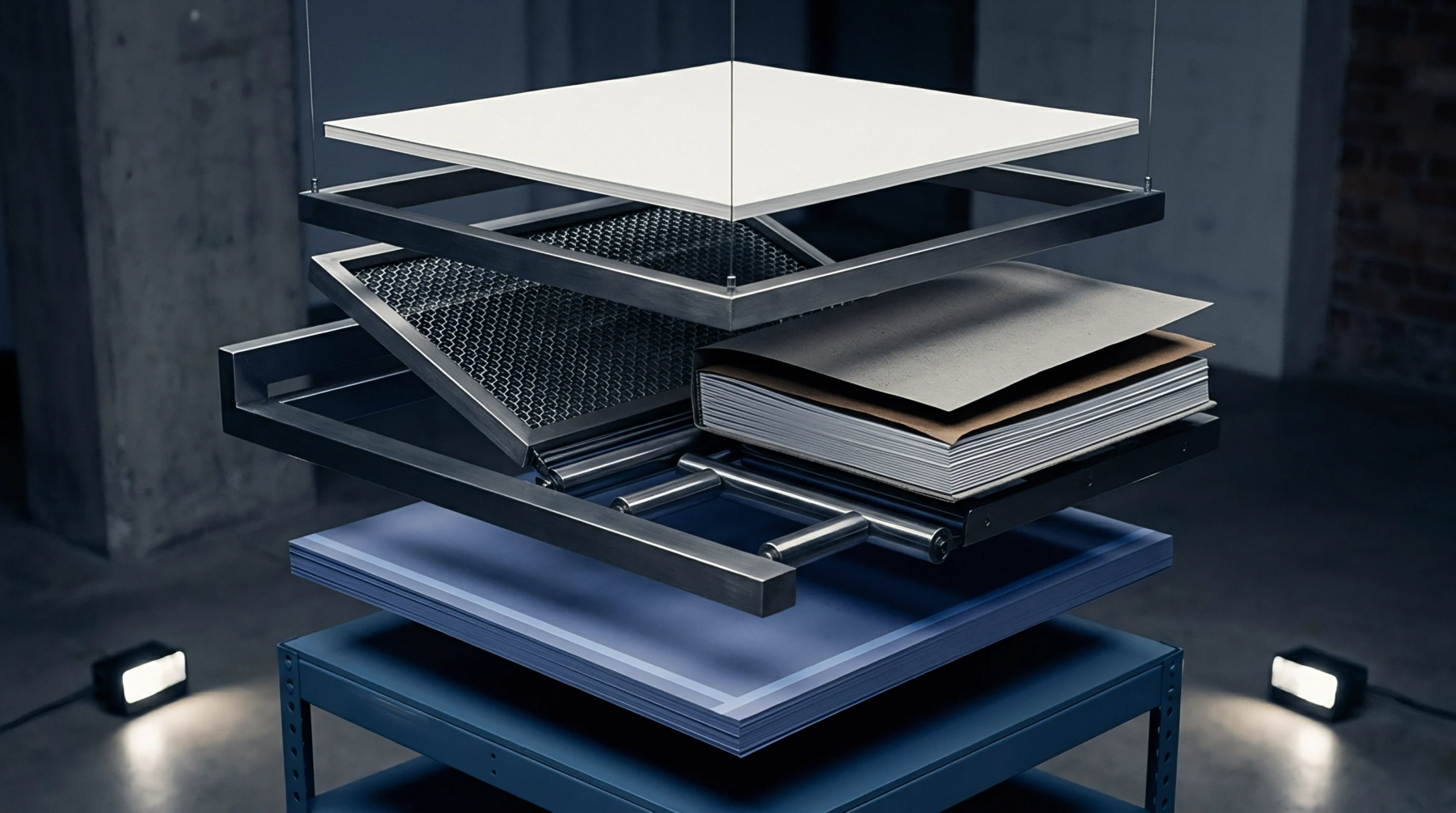
Crosslinked microfibril coatings qualify for paperboard moisture barriers by locking pore networks, balancing WVTR reduction against strict repulpability limits.
Water sorption depresses latex film glass transition temperatures, slashing barrier composite stiffness by up to 45% and requiring controlled crosslinking.
Microfibrillated cellulose moisture sorption degrades barrier performance at high humidity, requiring chemical cross-linking and verified compliance dossiers.
Crosslinked microfibril barrier qualification requires dynamic vapor sorption fitting to prove moisture resistance and verify regulatory compliance.
Moisture and thermal stress during converting plasticize aqueous latex coatings, reducing storage modulus and causing fold delamination unless web tension is optimized.

Water-based dispersion coatings achieve food barrier requirements while maintaining full fiber repulpability and standard mill recovery yields.
Optimizing carboxylated acrylic dispersion coatings enables complete mechanical pulp fiber liberation while keeping screen rejects below one percent.
Expertise is a utility, not a secret. sentiention™ publishes its working knowledge as open reference: intelligence layer covering the materials it sources, the markets it enters, and the reference that serves both.