
Stress Dependent Migration Mechanics in Compressed Coated Cartonboard Stacks
Compressive pallet pressure crushes cartonboard micro-roughness, multiplying contact area and forcing chemical migrants into reverse plies during storage.
Compressive pallet pressure crushes cartonboard micro-roughness, multiplying contact area and forcing chemical migrants into reverse plies during storage.
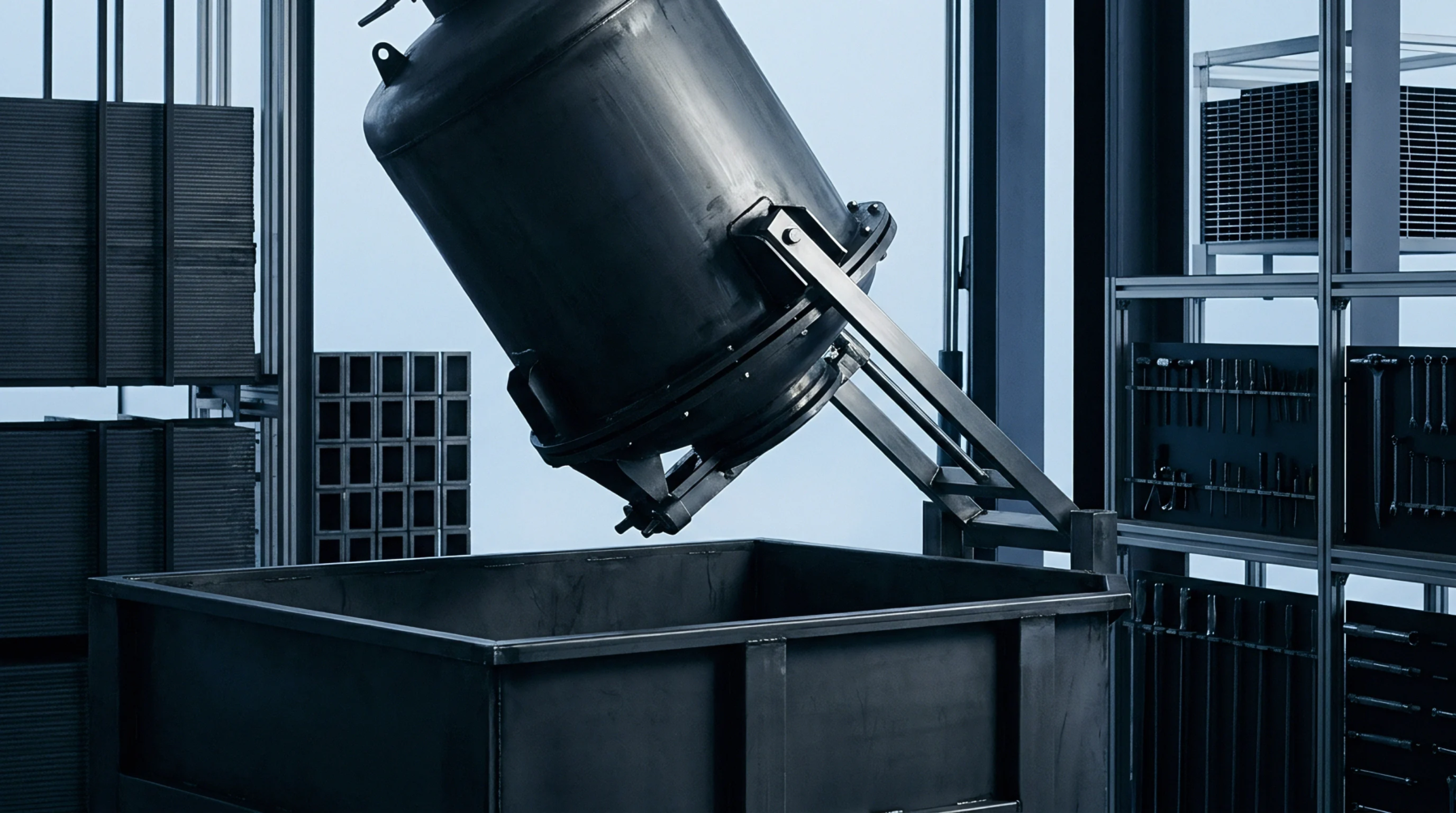
Calibrating solvolysis marker decay demands multi-stage analytical challenge tests and mass balance proofs to certify food-grade compliance and avoid border holds.

Balancing polyisocyanate addition at 3.5 to 4.5 percent solids maintains high-humidity barrier holdout while preserving the elongation needed to prevent score cracking.
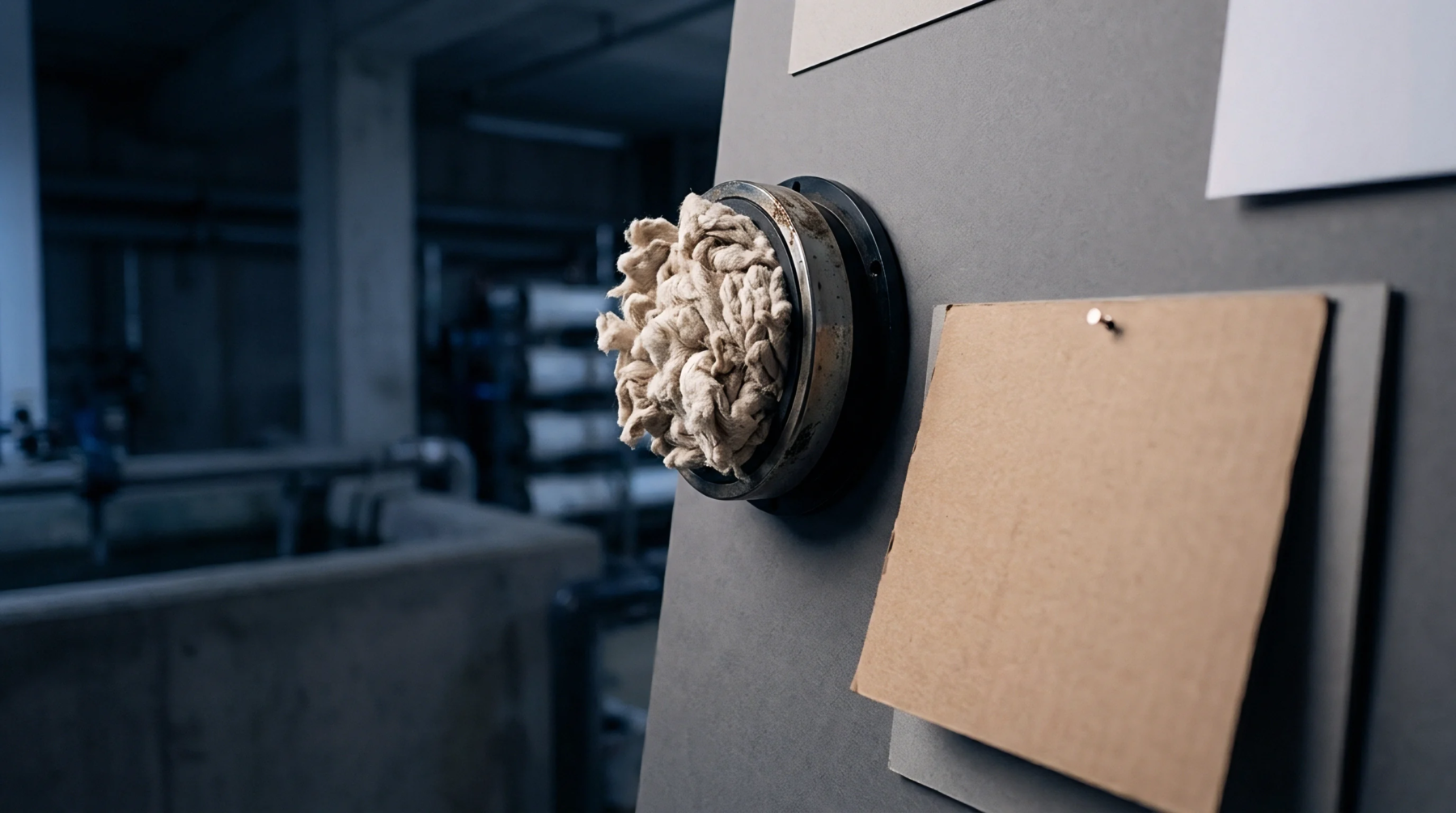
Paperboard mill certificate scopes govern packaging claims by strictly limiting authorized product groups, fiber credit allocations, and contact testing boundaries.

Process capability analysis for barrier laminates requires transforming non-normal permeation data before calculating Cpk to prevent latent containment failures.

Verify polymer barrier paperboard through creased Cobb testing, migration simulant suites, Cepi repulpability yields, and lot-matched Declarations of Compliance.
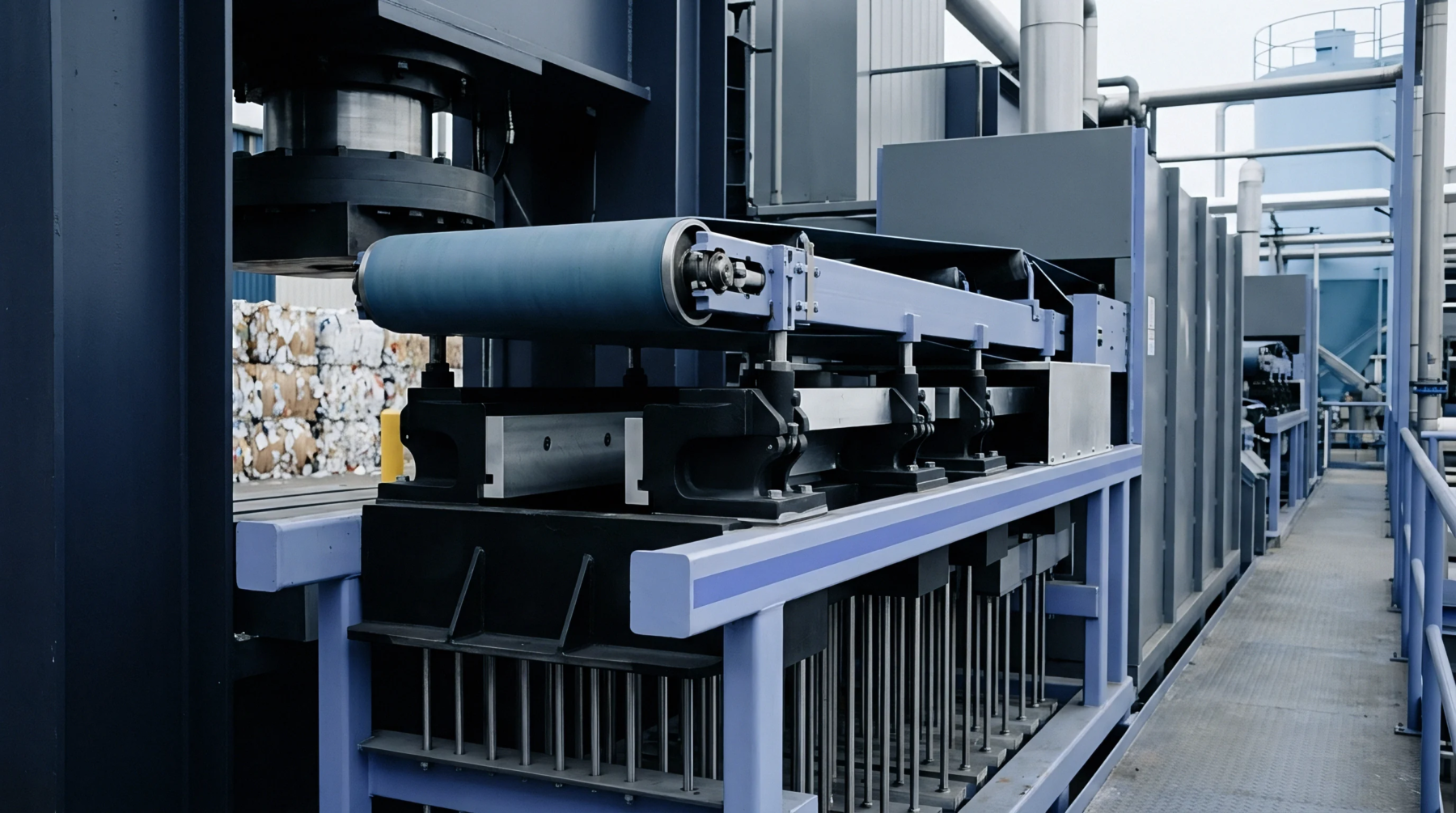
Statutory packaging mandates require explicit energetic yield deductions on chemical recycling mass balance claims to prevent non-compliance penalties.

Pass order determines surface energy, registration accuracy, recyclability, and unit scrap rates across multi-step print converting runs.

Crosslinked microfibril barrier qualification requires dynamic vapor sorption fitting to prove moisture resistance and verify regulatory compliance.

Matching migration simulant and thermal parameters to exact filling line mechanics prevents compliance invalidation during customs and market audit checks.

Regulatory enforcement detains unverified paper packaging at borders, placing absolute financial and chemical compliance liability directly on the importer of record.
Expertise is a utility, not a secret. sentiention™ publishes its working knowledge as open reference: intelligence layer covering the materials it sources, the markets it enters, and the reference that serves both.