Material Definition
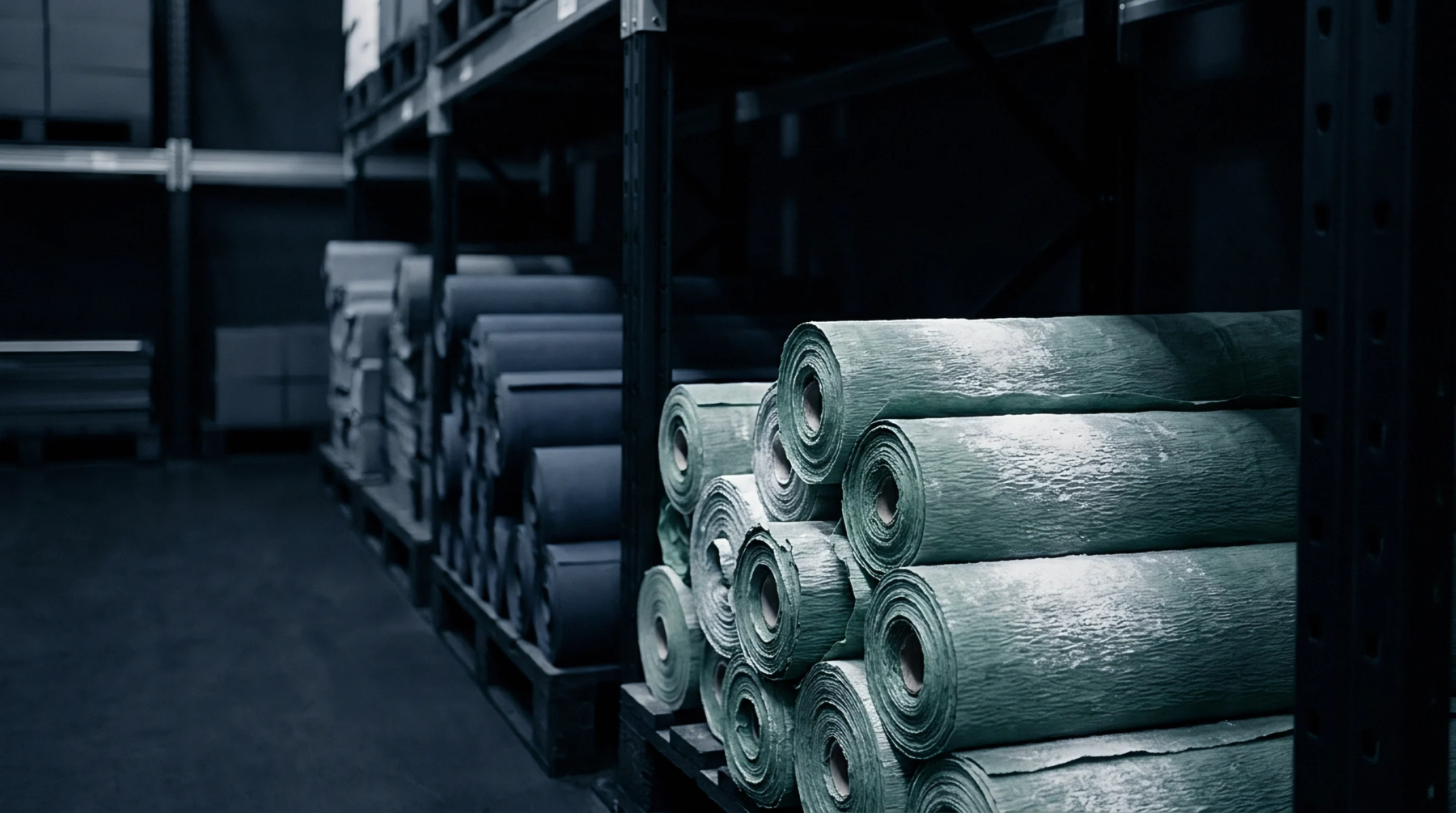
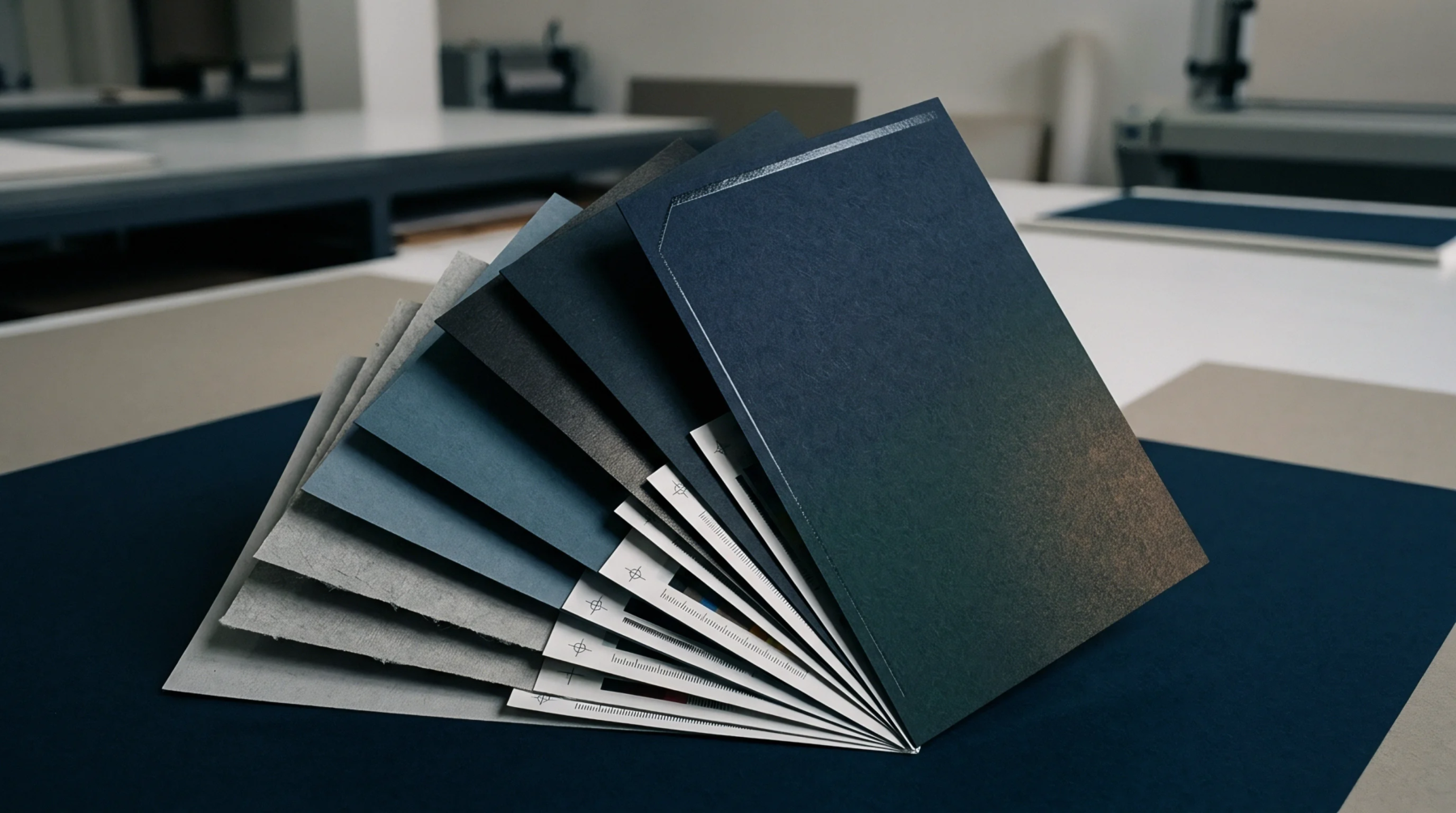
High-performance paper stock combines the structural integrity of natural brown wood pulp with a clay-based layer to provide a balanced surface for high-resolution graphics. Coated unbleached kraft maintains this dual composition to provide a cost-effective alternative for secondary packaging that requires both load-bearing capacity and visual branding. The manufacturing process involves applying a pigment coating to one side of the fibrous brown sheet to minimize ink absorption while preserving the raw aesthetic of the internal fibre structure on the reverse side.
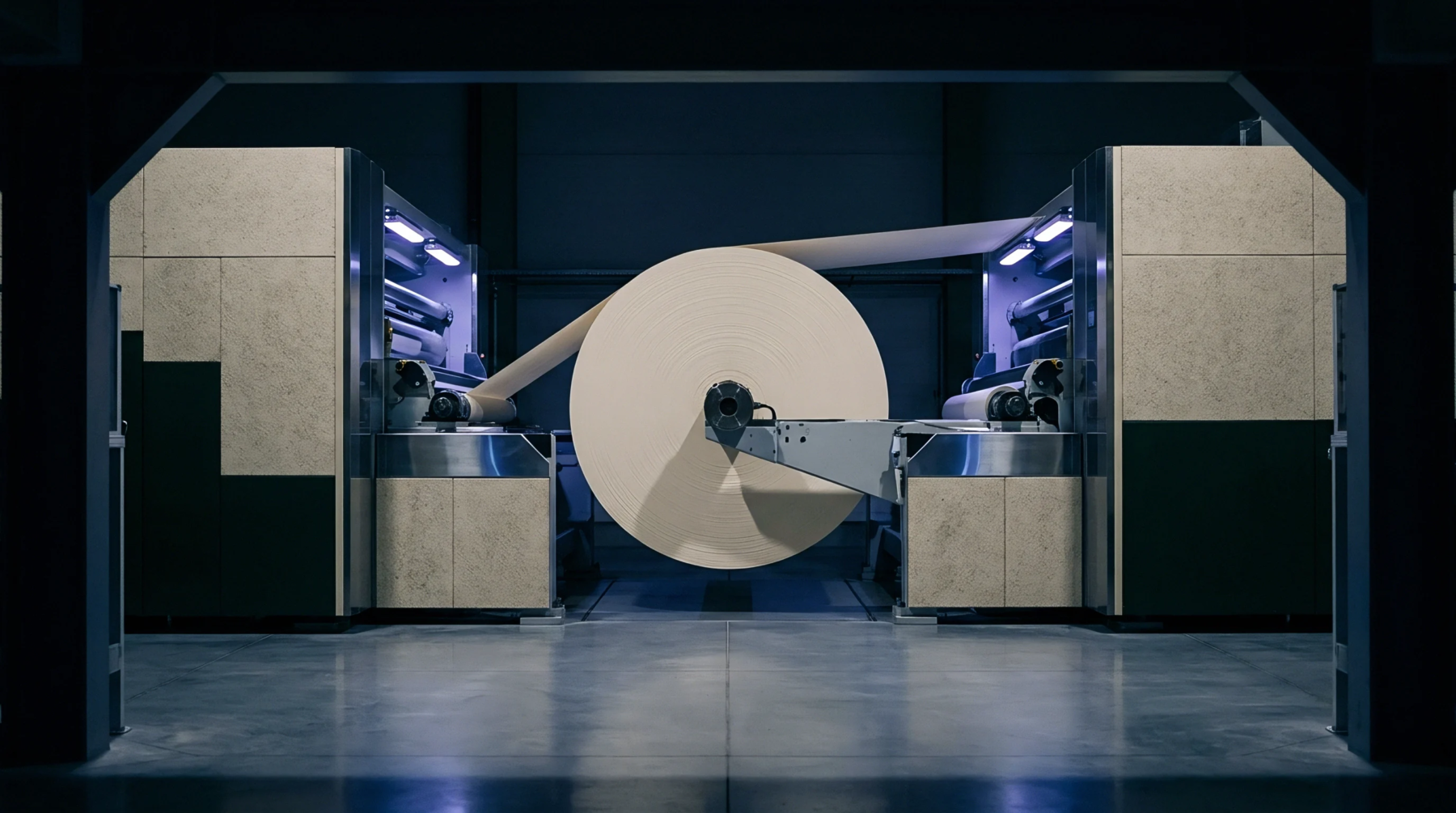
Dimensional stability remains consistent during high-speed printing operations because the base sheet resists moisture variation better than bleached alternatives. Manufacturers control the coat weight to balance the print surface requirements against the inherent surface roughness of the unbleached pulp.
Structural Performance
Converting lines depend on the caliper consistency of coated unbleached kraft to maintain registration during folding and gluing operations. Higher density fibres in the substrate contribute to superior tear resistance when compared to standard clay-coated boards of equivalent weight. Mechanical stresses during the formation of a carton frequently test the integrity of the clay bond at the fold line.
Cracking often occurs if the coating lacks the necessary flexibility to stretch around the crease profile under high-speed mechanical pressure. Engineers measure the degree of fibre interference by tracking the smoothness of the finished surface after the calendering stage at the mill. Accurate coating application prevents ink bleed into the base fibre matrix during the transfer process.
Rigid packaging demand drives the selection of this material because the board provides a stiff barrier that protects goods from crushing during transit and storage.
Market Application
Production specifications for retail cartons rely on the opacity of the pigmented layer to ensure brand colours print with fidelity on the dark substrate. Converters favor this material when the visual identity of a package necessitates an organic look without sacrificing the ability to print sharp images on the exterior face. High-speed filling machines tolerate the friction characteristics of the unbleached side when boards move through automated hopper mechanisms.
Packaging that incorporates this substrate provides a calculated trade-off between the premium feel of bright white boards and the raw texture of standard brown paper. This board grade creates a finished result that prioritizes structural reliability over the potential for high-gloss metallic or ultra-bright ink effects.