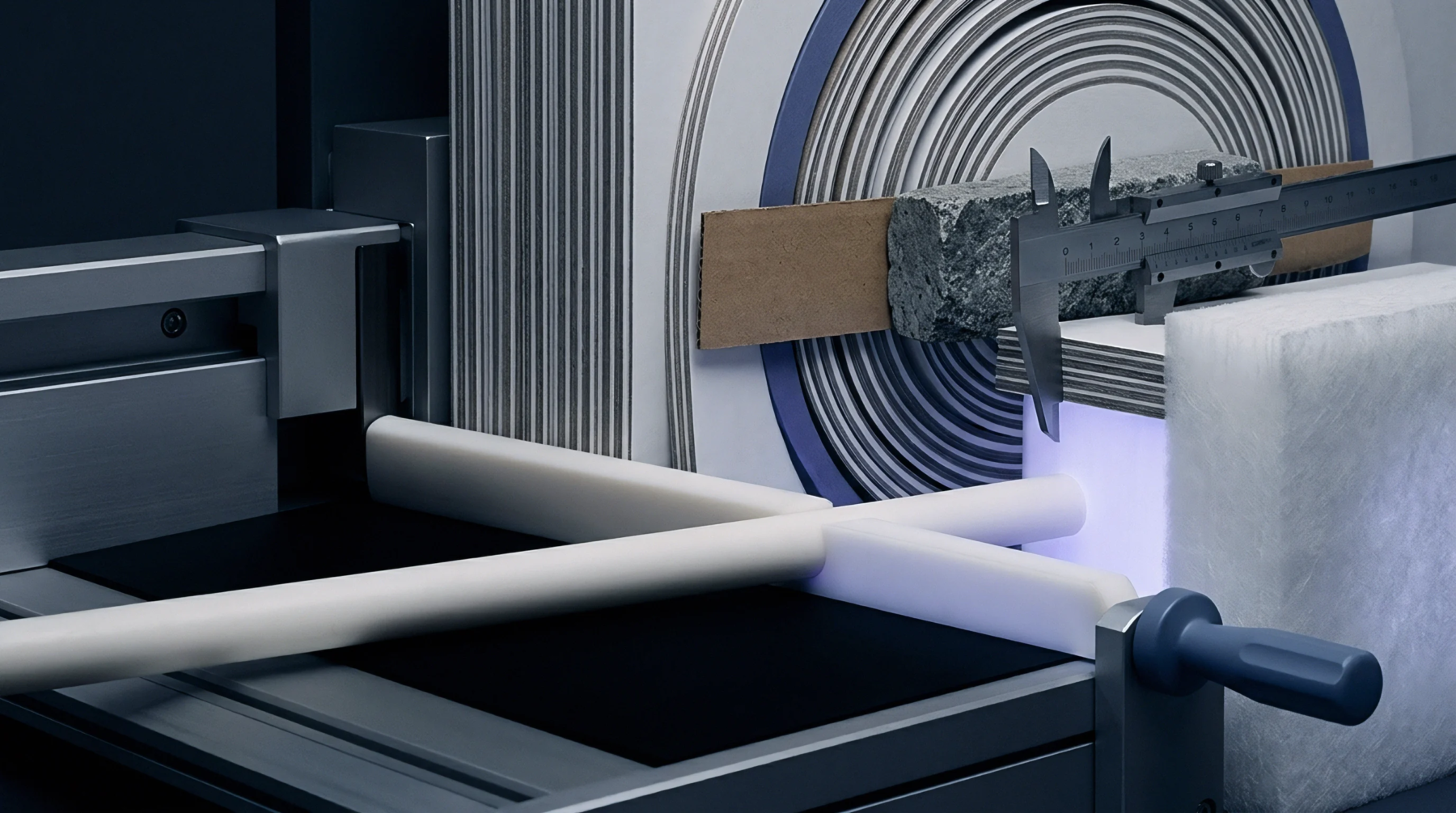
Dynamic Mechanical Analysis Yield Stress Calibration for Coated Paperboard Converting
Calibrating paperboard yield stress via oscillatory mechanics prevents score line cracking by matching die channel dimensions to dynamic coating strain limits.
Calibrating paperboard yield stress via oscillatory mechanics prevents score line cracking by matching die channel dimensions to dynamic coating strain limits.

Dynamic delamination in recycled board stems from hornified short fibers in middle plies, requiring balanced starch and scoring geometry to prevent conversion splits.

Creased aqueous barrier paperboard requires wider die channels and lower pigment volume to prevent coating rupture and massive water vapor transmission spikes.
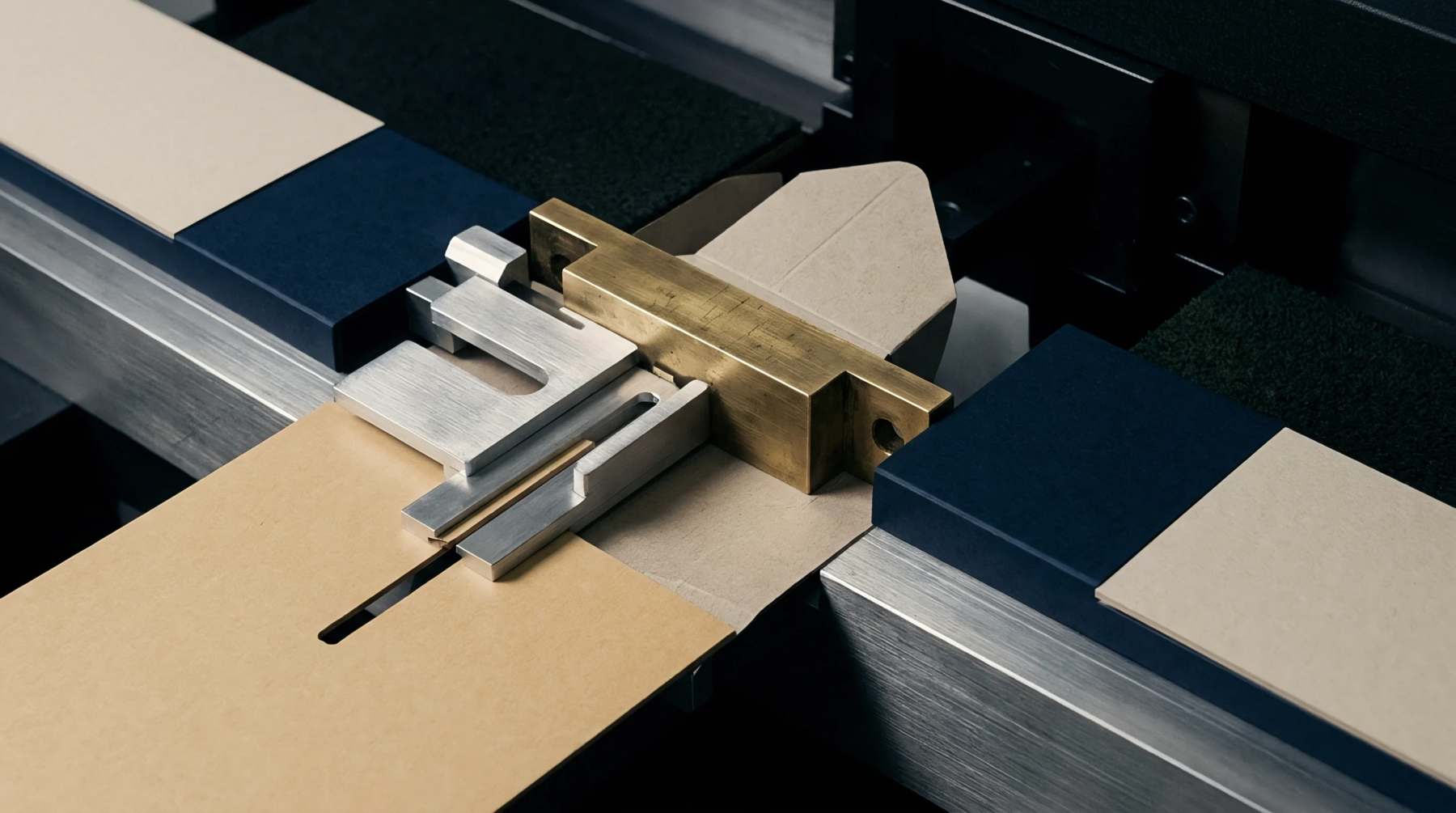
Match rule thickness to carton caliper using 2-point steel under 450 microns and 3-point above, sizing matrix width to rule plus 1.5 times caliper.

Optimize charge amplifier response during board scoring by coupling wideband Bessel filtering with ten-teraohm feedback to isolate true ply delamination.

Controlled multi-ply board creasing requires tuning rule penetration energy to exceed core shear strength without passing the outer liner tensile fracture limit.

Polymeric film cracking along folding boxboard scores ceases when rule clearance maintains localized tensile elongation below seven percent across the bead.
Crease integrity in recycled board demands targeted delamination within internal plies while preserving liner continuity under high strain rates.
Evaluate micro-pinholes using surfactant dye penetration or 12V conductivity tests while adjusting score matrix width to 1.8 times board caliper plus rule thickness.

Optimize SBS counter matrix width by setting channel clearance to rule thickness plus 1.40 to 1.50 times caliper to induce delamination without surface rupture.

Extrusion coatings resist humidity until creasing strain shears polymer-fiber bonds, opening edge-wicking pathways that inflate converting scrap.

Maintain crease depth penetration between 0.45 and 0.65 of board caliper with a 1.4 to 1.6 channel multiplier to promote internal shear and eliminate cracking.

Crease evaluation measures 15-degree sheet stiffness against 90-degree fold resistance, targeting a 30 to 50 percent ratio to prevent cartoning line jams.
Optimize counter-matrix width and rule penetration depth to induce internal core ply delamination while protecting outer extrusion barrier films from shearing.
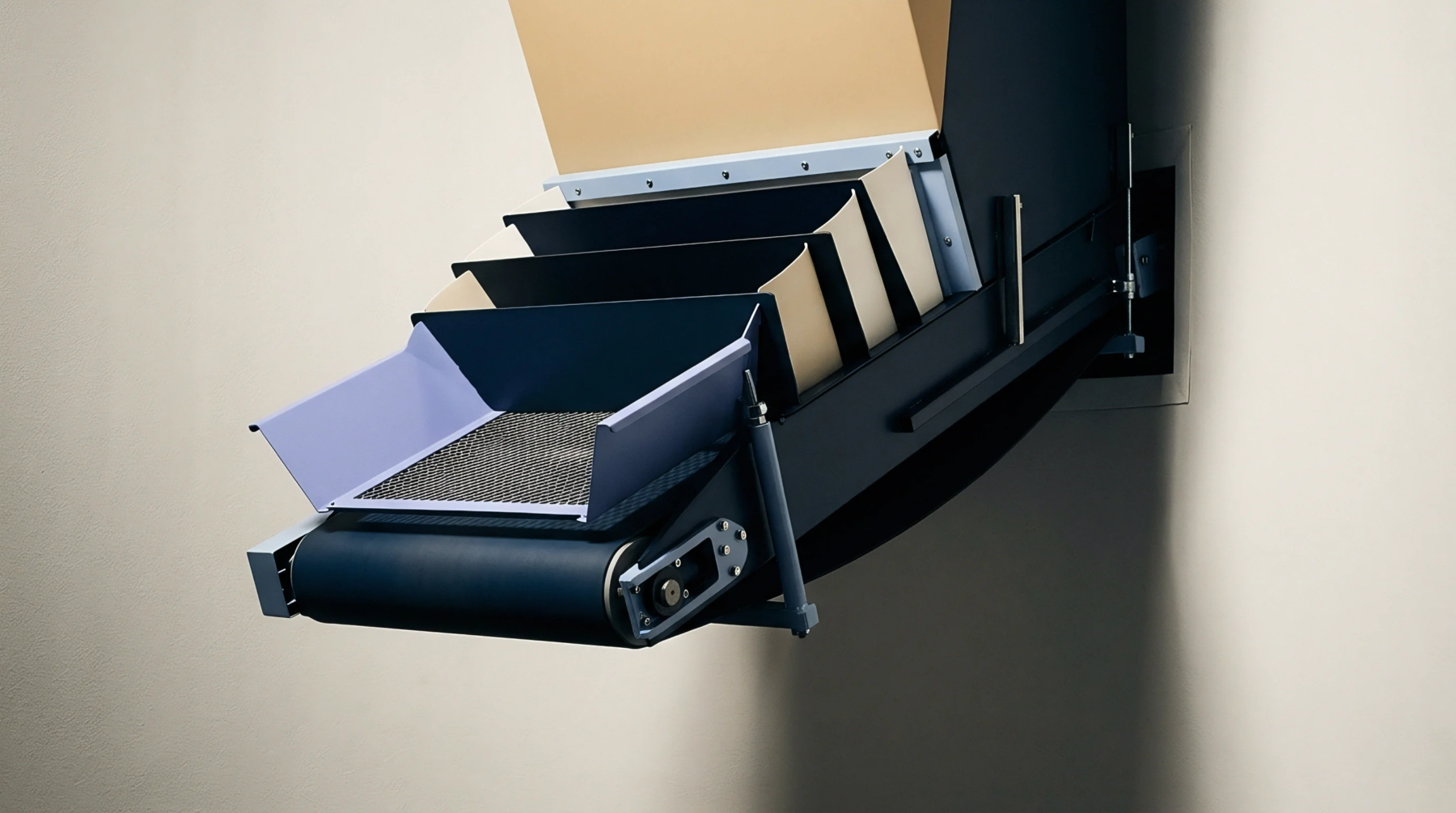
Dynamic platen converting above 7,500 sph degrades board core shear modulus by up to 60 percent, demanding calibrated matrix tooling to prevent carton collapse.

Matching counter matrix channel width to rule thickness plus 1.5 to 1.7 times board caliper prevents clay coating rupture and stabilizes carton score stiffness.

Optimize matrix channel clearance using board caliper and rule thickness formulas to guarantee internal ply delamination while preventing outer liner score cracking.
Expertise is a utility, not a secret. sentiention™ publishes its working knowledge as open reference: intelligence layer covering the materials it sources, the markets it enters, and the reference that serves both.