Evaluating Multi-Ply Recycled Board Crease Integrity in High-Speed Converting Lines
Crease integrity in recycled board demands targeted delamination within internal plies while preserving liner continuity under high strain rates.


Geometry
An anvil pushes board stock into a channel to shear middle plies without rupturing surface liners. When white lined chipboard or coated recycled board enters the creasing station of a flatbed or rotary die-cutter, mechanical scoring creates an internal delamination hinge. That hinge defines the converting performance of the blank.
The scoring rule depresses the top liner, driving the core furnish downward into the open counter-die channel. In recycled multi-ply board, where secondary furnish comprises mixed waste paper, mechanical pulp, and deinked fibers, fiber bonding strength is inherently lower than in solid bleached sulphate. The scoring operation forces adjacent internal layers to shear apart along horizontal planes.
This localized internal separation prevents excessive tensile elongation on the exterior liner. Virgin chemical pulp tolerates tensile strain up to six percent before rupture occurs. Secondary furnish, having passed through multiple re-pulping cycles, often fractures at tensile elongations below two percent under ISO 1924-3 testing at 100 millimeters per minute.
The internal delamination pocket absorbs the displacement volume of the folded board. Without that internal slip plane, the exterior coating and outer plies absorb all bending strain. Tension splits outer fibers.
A creasing channel functions by creating an internal delamination pocket within secondary fiber plies before bending moments reach outer tensile limits.
Controlled delamination determines whether a carton folds square at high processing rates. Packaging lines running between three hundred and five hundred cartons per minute subject each score line to angular acceleration rates exceeding 15,000 degrees per second. If the internal shear failure remains incomplete, bending stiffness stays elevated.
Folding resistance spikes, driving erecting failures and cartoner jam events. Crease depth governs the fold.
Caliper Ratios and Indentation Depth
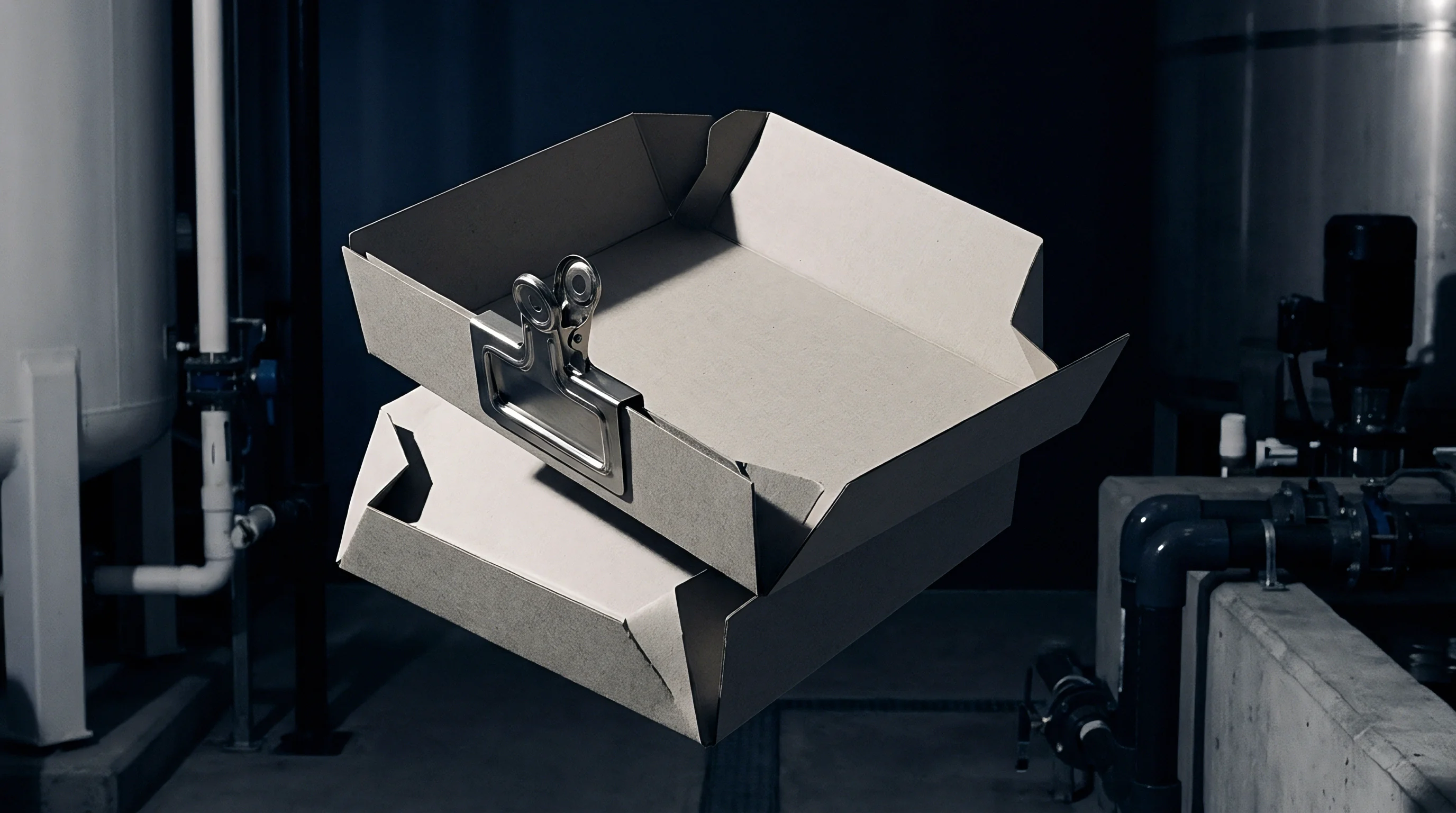
Board thickness dictates the mechanical penetration of steel into the counter-die. Scoring penetration depth commonly targets fifty to sixty percent of nominal board caliper for coated recycled grades. For a 450-micrometer, 350 grams per square meter coated duplex board (GD2), a rule penetration depth of 250 micrometers forces the internal plies to slip horizontally.
If the penetration depth remains shallow, below forty percent of board thickness, the internal plies remain bonded.
Excessive penetration breaks the back liner. When rule penetration exceeds sixty-five percent of total caliper, the tensile stress at the knife radius cuts the underlying bleached liner. Converting engineers measure this boundary using cross-sectional micro-tomography or digital optical micrometer inspection following TAPPI T 829 conditioning at 23 degrees Celsius and 50 percent relative humidity.
Internal Cleavage across Plies
Recycled furnish separates along weak fiber networks when vertical displacement forces shearing. White lined chipboard features distinct structural plies: a bleached chemical pulp top liner, a deinked pulp underliner, a thick grey recycled bulk core containing mixed unsorted waste, and a back liner of mechanical or semi-bleached fibers. The interface between the underliner and the mixed waste core represents the primary cleavage plane.
Starch spray applied at the wet end of multi-ply cylinder machines bonds these layers, yet starch distribution varies across the sheet web.
Inadequate ply bonding yields uncontrolled blister formation that spreads beyond the designated crease zone. Controlled internal cleavage confines shear failure to a width equal to the counter-matrix groove. When shear energy dissipates across a broader area, the folding bead loses lateral support.
The score line yields.
Mill technical service representatives routinely claim that score cracking stems from improper humidity conditioning inside converter storage rather than lower fiber bonding index values across recycled core plies.
Rule
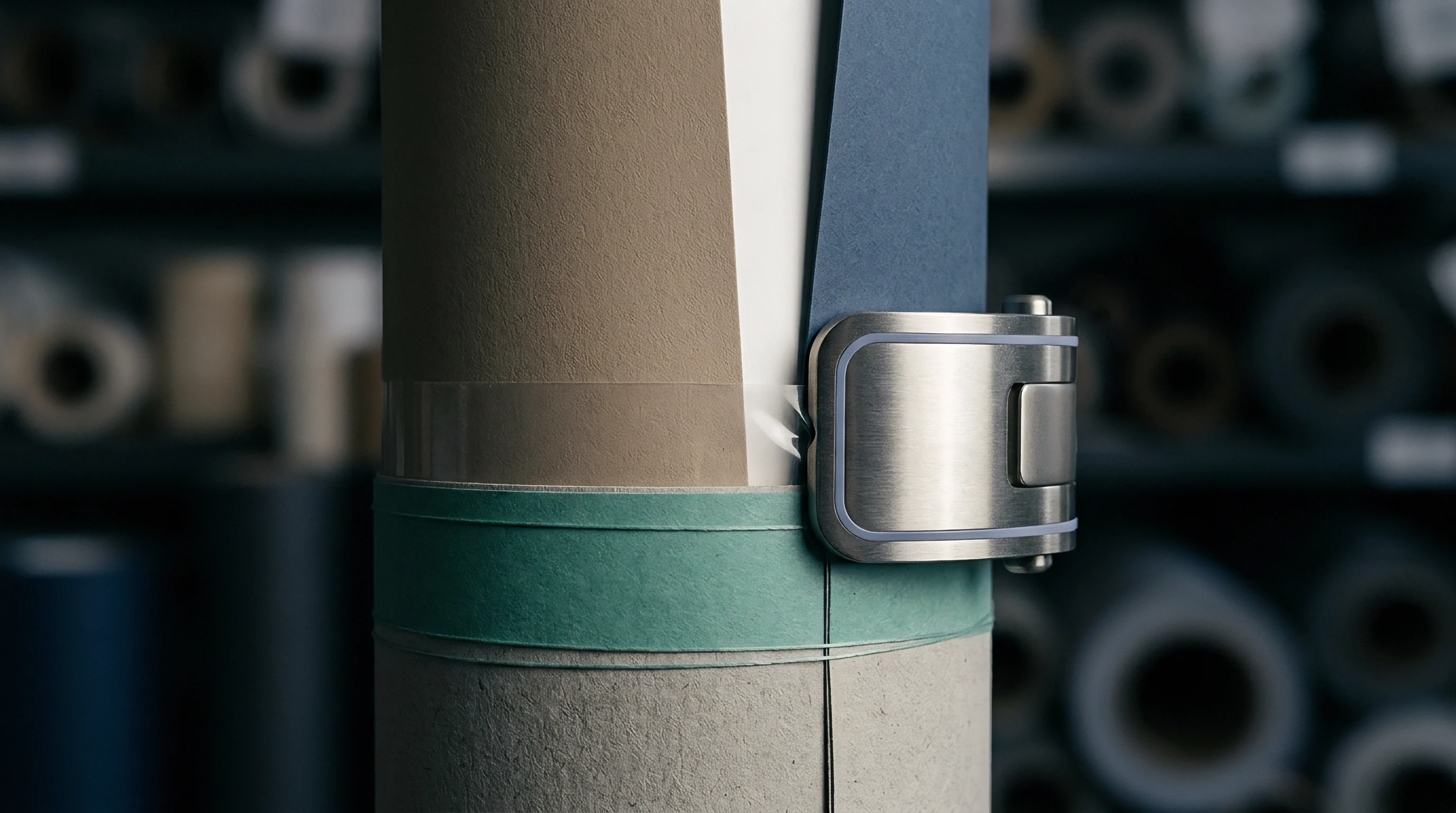
Creasing tools present either rounded or flat-faced working profiles against the counter-matrix. Steel creasing rule selection governs the initial mechanical impact against the top coating. A two-point rule measuring 0.71 millimeters in thickness suits boards ranging from 300 to 450 micrometers.
A three-point rule measuring 1.05 millimeters handles calipers between 450 and 650 micrometers. The radius on the rule edge determines stress concentration across the pigmented mineral coating layer. A sharp rule edge shears through the top chemical liner, creating immediate surface cracking along the score shoulder.
Flatbed cutting dies utilize steel rules seated in laser-cut birch plywood or composite backing plates. The counter-die consists of phenolic resin, pertinax, or steel counter plates milled with dedicated matrix grooves. Channel width calculations establish the clearance needed for the board to deform without excessive friction or compression.
Tool wear alters this relationship over production shifts.
A 450-micrometer recycled board running through a 1.4-millimeter channel under a 0.71-millimeter rule generates a 0.24-millimeter shear gap per side at 23 degrees Celsius and 50 percent relative humidity.
Friction drags the blank. The scoring rule drives the substrate into the channel against resisting sidewalls. When channel sidewalls lack smooth polished finishes, surface coatings rub away, leaving visible scuff marks on printed carton panels.
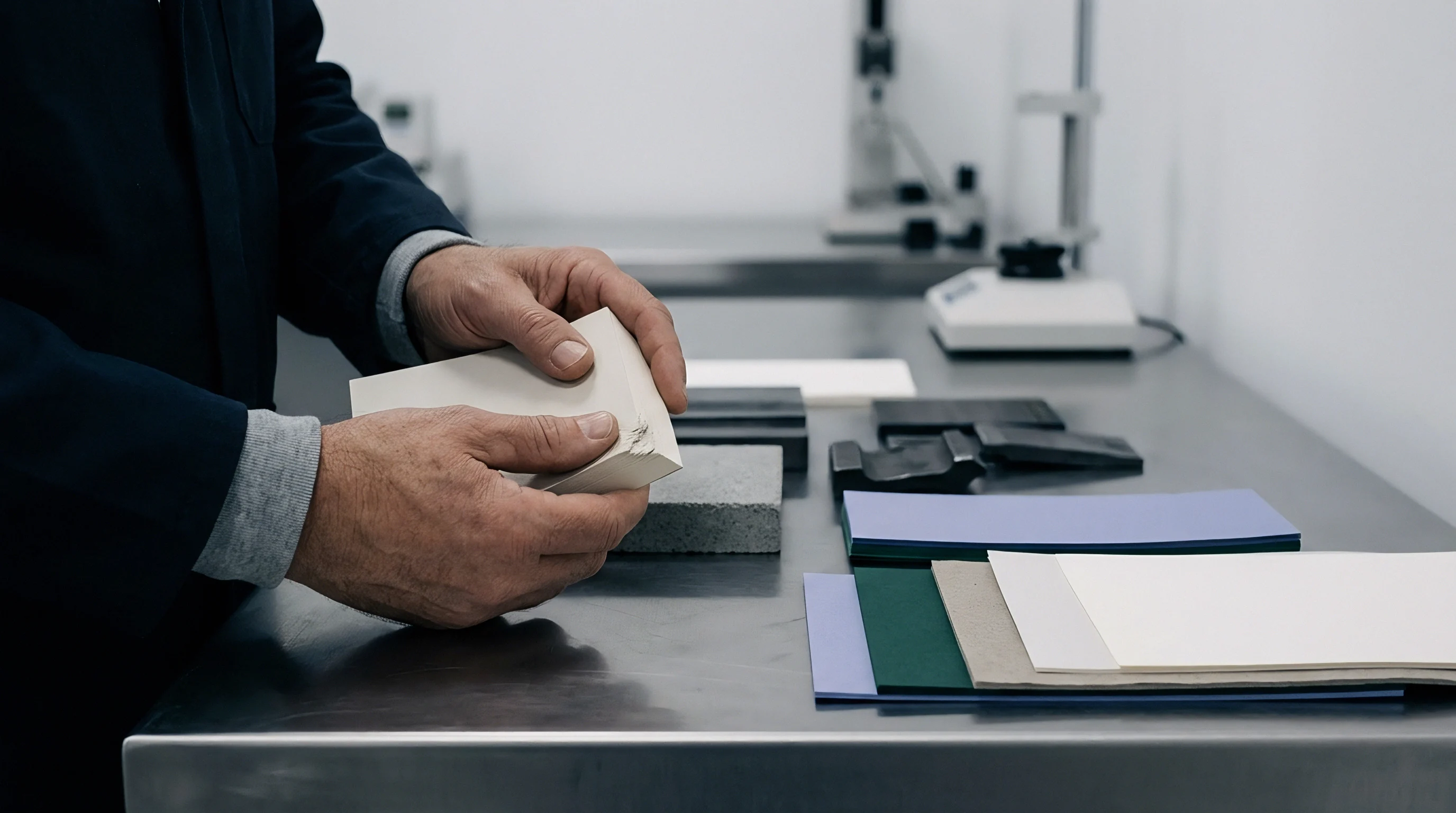
Counter Matrix Width Calculation
Standard channel clearance scales directly from caliper and tool thickness. Converting tooling engineers apply the standard empirical relationship where matrix channel width equals the creasing rule thickness plus 1.5 to 1.7 times the nominal board caliper for virgin solid bleached board. Coated recycled board demands a wider channel factor, running between 1.7 and 1.9 times board caliper.
Low-density recycled furnish swells during initial compression, requiring added lateral volume within the counter groove.
Matrix channel depth correlates directly with sheet thickness. The standard rule targets channel depth equal to board caliper for virgin fiber grades, while recycled grades require channel depths between 0.85 and 0.95 times caliper to prevent bottom-liner shearing over matrix edges. The physical gap between the rule edge and the matrix shoulder constitutes the shear zone.
| Board Caliper (microns) | Basis Weight (gsm) | Rule Thickness (pt / mm) | Channel Width Factor | Channel Width (mm) | Channel Depth (mm) |
|---|---|---|---|---|---|
| 350 | 280 | 2 pt (0.71 mm) | 1.75 | 1.32 | 0.32 |
| 400 | 320 | 2 pt (0.71 mm) | 1.80 | 1.43 | 0.36 |
| 450 | 350 | 2 pt (0.71 mm) | 1.80 | 1.52 | 0.40 |
| 500 | 390 | 3 pt (1.05 mm) | 1.85 | 1.98 | 0.45 |
| 550 | 425 | 3 pt (1.05 mm) | 3 pt (1.05 mm) | 2.07 | 0.48 |
| 600 | 460 | 3 pt (1.05 mm) | 1.90 | 2.19 | 0.52 |
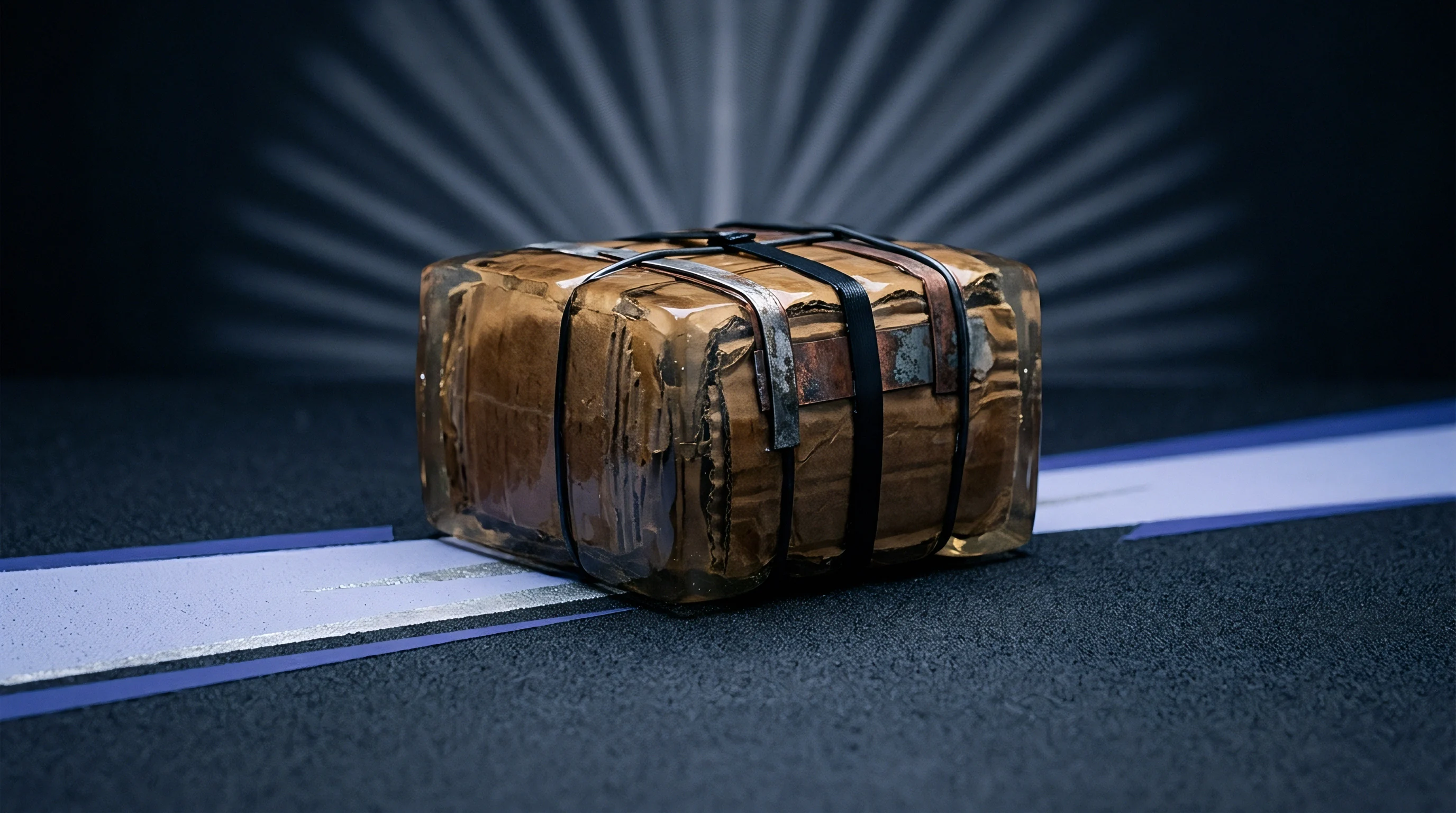
Penetration Profiles under Impact
High-speed platens compress the carton blank within twenty milliseconds. Rotary die-cutting stations reduce dwell time to less than five milliseconds. Under rotary converting, rule entry and exit follow an arc rather than perpendicular descent.
This angular entry imposes asymmetric shear on the leading edge of the score line. Asymmetric creasing shifts the delamination bubble toward one side of the crease centerline.
Shear planes separate cleanly. When tool positioning drifts off-center relative to the counter channel by more than 0.05 millimeters, unbalanced shear forces tear the underliner on the narrow side. Tool centering tolerances govern score symmetry across every die position.
The following mechanical failure modes develop when tool parameters deviate from substrate requirements:
- Coating Fractures Along Shoulders appear when rule radii drop below 0.35 millimeters, generating localized tensile strain concentrations that split brittle mineral pre-coats.
- Delamination Blowout Beyond Flanges develops when excessive penetration crushes the sheet core, forcing plies apart outside the targeted folding bead.
- Back Liner Shear Slits emerge where channel shoulders present sharp steel edges under insufficient matrix width settings.
- Double-Hinged Score Lines occur when excessive channel clearance allows the board to buckle irregularly instead of forming a distinct central bead.
Fibers snap under tension. Incorrect tool matching elevates scoring resistance and destroys carton squareness, yielding carton skew that triggers automated line stoppages across subsequent filling machinery.


Hysteresis
Bending a scored carton blank exhibits time-dependent energy dissipation during high-speed folding. When a folding lug or stationary curved rail rotates a carton panel through ninety degrees, the material resists deformation. The moment required to bend the score line diminishes as the board relaxes, following viscoelastic decay characteristics inherent to cellulose polymers and synthetic binders.
In recycled grades, the ratio of initial bending resistance to residual folded force deviates sharply from that observed in virgin chemical pulp.
Laboratory evaluation uses standard instruments operating under ISO 2493-1 and DIN 55437. A sample strip measuring 38 millimeters in width is clamped at one end, while a load cell deflects the scored panel through a specified angle, typically 15 degrees or 90 degrees, within a defined time frame. Crease recovery tests record the moment at peak deflection and the relaxed moment after fifteen seconds.
A compliant score line yields a low crease-to-board stiffness ratio while maintaining unbroken liner surfaces.
Bending stiffness drops sharply. If internal plies delaminate effectively during scoring, the ratio of crease bending resistance to uncreased board stiffness falls between fifteen and thirty percent. Values exceeding thirty-five percent indicate insufficient internal ply delamination.
Stiff cartons jam feed hoppers.
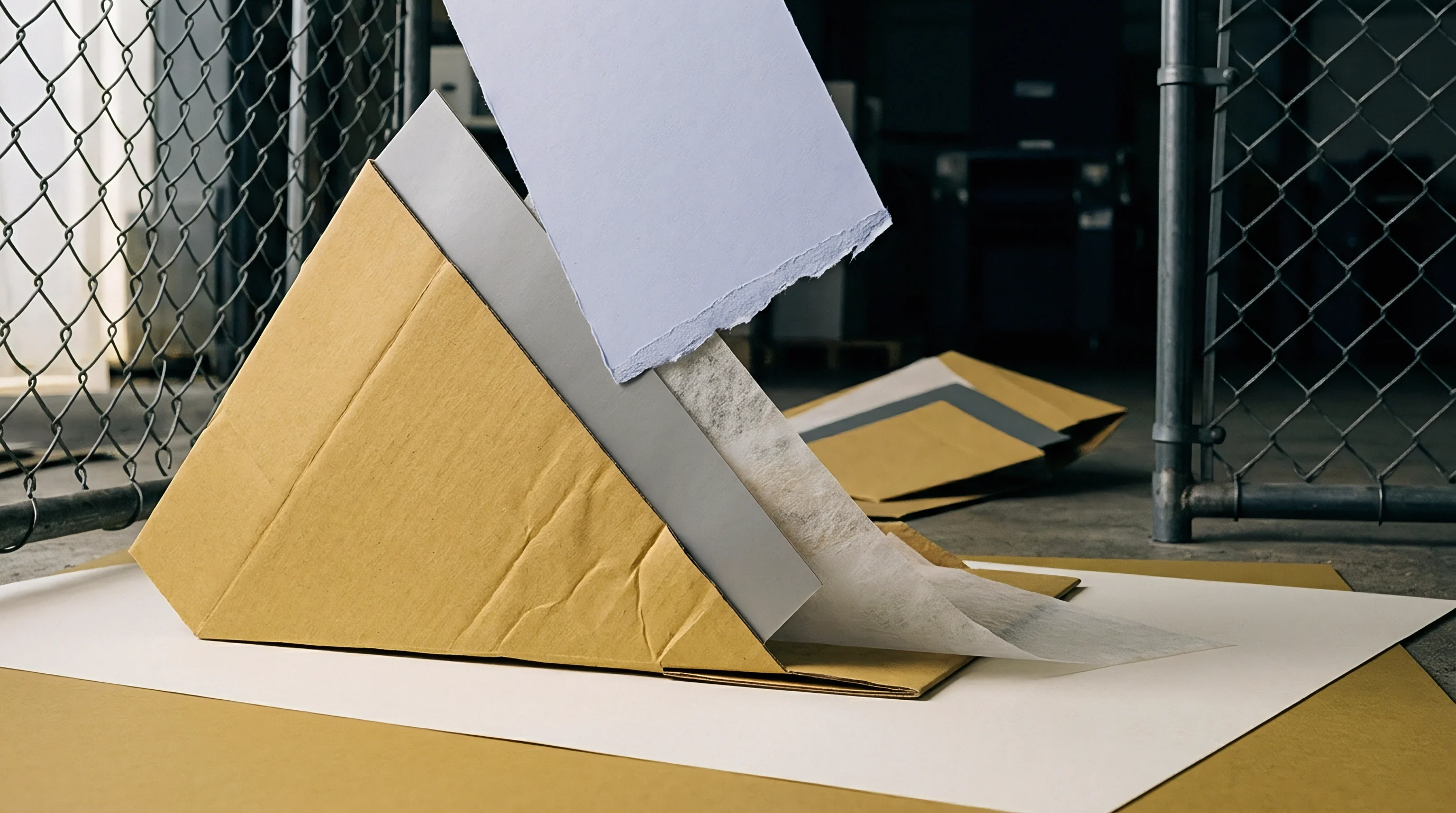
Can Delamination Energy Predict Folding Torque?
Laboratory instruments measure the resistance of a fold at standard angular velocity. The torque profile recorded during dynamic 90-degree folding provides direct insight into how the crease performs on high-speed gluers and packaging machines. An uncreased board strip bent across its machine direction displays an elastic torque curve until yield occurs.
A creased strip presents a low initial resistance peak followed by a flat plateau as the internal delaminated plies slide across each other.
Dynamic testing instruments sweep through 90 degrees in approximately 2.5 seconds, while packaging line folders complete that same angular rotation in under 20 milliseconds. The strain rate sensitivity of recycled board causes the measured folding resistance to rise by twenty to forty percent at operational converting speeds compared to static bench measurements. High lignin content in mechanical pulp fractions increases strain rate sensitivity.
| Substrate Type | Caliper (microns) | Board Stiffness MD (mN) | Crease Resistance 90 Deg (mN) | Crease-to-Board Ratio (%) | Crease Recovery Angle Deg |
|---|---|---|---|---|---|
| Virgin FBB (GC2) | 450 | 480 | 110 | 22.9 | 72 |
| Solid Bleached Board (GZ) | 400 | 410 | 85 | 20.7 | 76 |
| Recycled White Lined (GD2) | 450 | 390 | 135 | 34.6 | 61 |
| Recycled Greyback (GD3) | 500 | 420 | 160 | 38.1 | 58 |
| Kraft Back Recycled (GT4) | 450 | 440 | 125 | 28.4 | 66 |
| Testing performed according to DIN 55437 at 90-degree deflection using 38 mm sample width under ISO 187 conditioning. | |||||
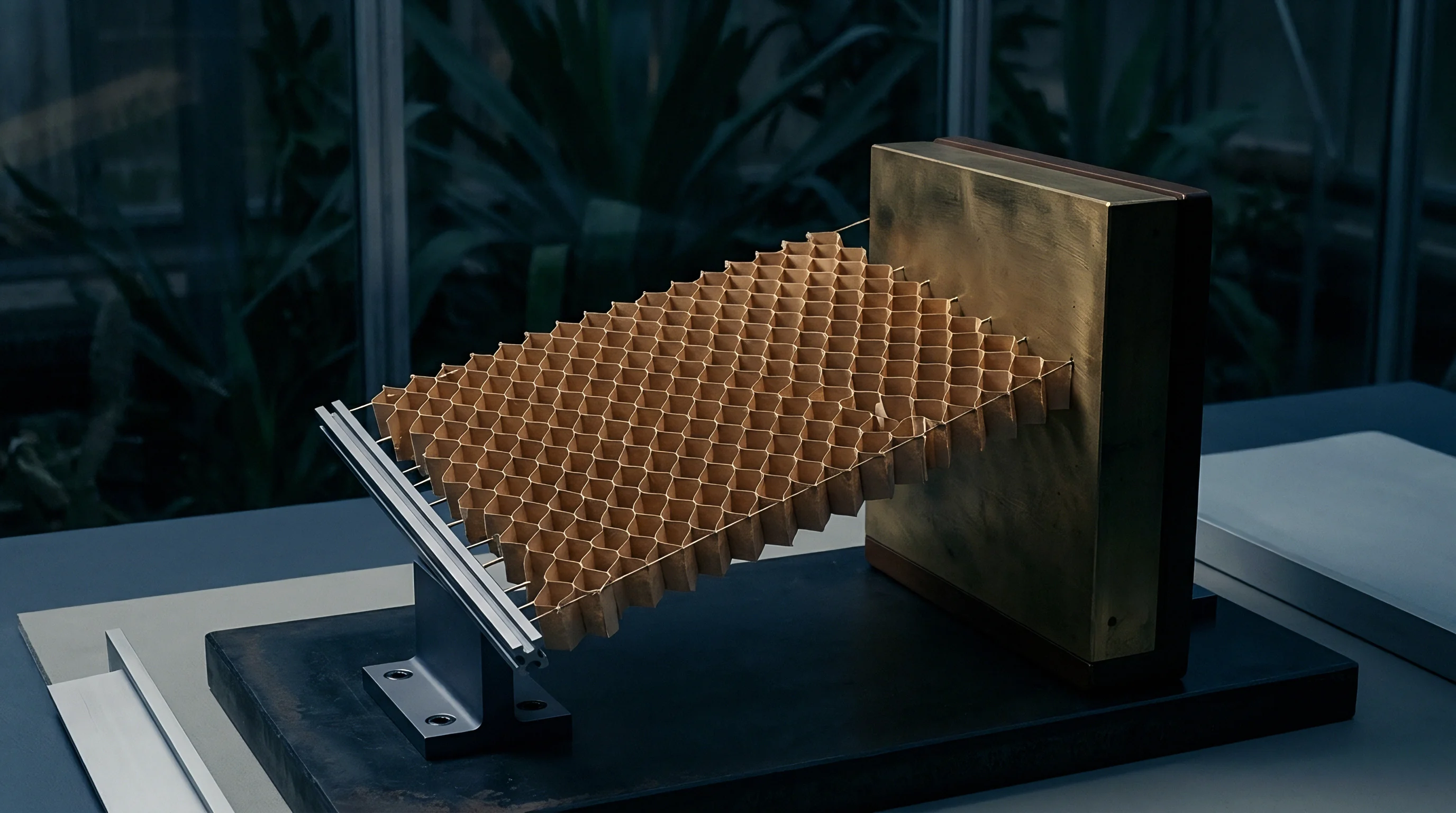
Springback Mechanics in Recycled Plies
Recovered fibers exert elastic restoring forces against side-seam adhesive bonds. When a blank is folded and glued into a flat sleeve on a folder-gluer, the fold lines store mechanical strain energy. Residual springback force attempts to push the flattened blank back open while traversing the compression apron.
If the adhesive seam has not developed green tack strength before exiting the compression section, the springback force pulls the glue line apart.
Springback stalls folder gluers. Recycled board displays lower overall elastic modulus than virgin chemical pulp, yet its internal plies compress and compact during scoring rather than shearing smoothly. This densification creates a thick, compressed bead that resists sharp 180-degree folding during initial pre-breaking operations.
Without thorough pre-breaking of scores one and three through 180 degrees, the carton sleeve remains too rigid for reliable suction feeding on cartoning lines.
Whether dynamic delamination analysis at mill laboratories can accurately simulate the exact viscoelastic strain field encountered at fifteen thousand cartons per hour remains an unresolved question in high-speed converting engineering.

Defect
Production lines running at four hundred cartons per minute amplify structural failures at carton scores. Score line degradation appears as visual cracks along exterior print surfaces or structural collapse during erect and fill sequences. Coated recycled board is sensitive to defects due to lower fiber length and higher mineral filler content in the furnish.
Waste paper furnishes undergo intensive refining to develop bonding strength, which shortens fibers and reduces tear resistance.
A typical recycled board furnish carries ash content between ten and twenty percent by weight. Calcium carbonate and clay fillers improve opacity and surface smoothness, but weaken inter-fiber bonding networks. When a score line bends, stress concentrates around filler agglomerates within the base sheet.
Outer liner coatings composed of styrene-butadiene latex and calcium carbonate pigment exhibit finite elongation properties. When the base sheet fails to distribute strain through internal slip, the coating snaps.
Glue seams pop open. Carton blanks with defective scores develop asymmetric panel folding, leading to diamond-shaped cartons rather than true rectangular boxes. Automatic closing stations fail when tuck flaps strike outer panel edges instead of sliding into receptor slots.
Liner Rupture under Tensile Stress
Surface fibers tear when outer elongation exceeds the strain limit of the bleached top plies. In high-speed packaging, visual inspection systems capture hairline cracks along dark printed scores. The white base coating shows through black or dark blue inks, ruining cosmetic appearance for consumer goods packaging.
Surface cracking also exposes the barrier layer in grease-resistant or moisture-barrier cartons, causing product contamination or carton softening.
Tear strength plummets in cross-direction. Scores oriented parallel to the machine direction encounter lower tensile elongation resistance, as the majority of fibers align along the web flow. Cross-direction scores fold across fiber axes, demanding greater shearing force.
When machine direction stiffness is double the cross direction stiffness, crease settings calibrated for cross-direction scores over-stress machine direction creases on the same sheet.
Roll-Over and Crow-Footing
Lateral displacement of the crease ridge yields skewed panels and jam events. Roll-over occurs when the score bead collapses diagonally instead of standing upright between panel shoulders. The fold wandering off the intended axis shifts carton dimensions by up to one millimeter.
In automated blister cartoning, a dimensional error of 0.8 millimeters jams pusher blades.
Crow-footing describes branched micro-cracks radiating from corner intersections where horizontal and vertical scores meet. Three crease lines converge at carton corners, multiplying compressive stress by three. In multi-ply recycled grades, this local stress concentration crushes the internal core into powder, generating loose fiber dust that contaminates optical sensors on cartoning lines.
Operators resolve creasing setup errors by applying a systematic mechanical sequence:
- Verify that board moisture content registers between 6.5 and 7.5 percent using a calibrated dielectric surface probe.
- Check platen parallelism using pressure-sensitive film across all four corners of the cutting chase.
- Inspect creasing rules for burrs, flattened radii, or nicking using a 40x optical shop microscope.
- Measure matrix channel dimensions against nominal specifications using a depth micrometer and optical comparator.
- Execute test scores and fold the blanks through ninety degrees by hand to observe whether internal plies separate cleanly without exterior cracking.
- Adjust overall platen pressure in ten-micron increments until the crease-to-board stiffness ratio falls within target ranges.
Die wear increases folding resistance. A dull creasing rule crushes the sheet core without shearing the plies, destroying converting reliability.


Cartoning
Modern packing lines feed, erect, load, and seal blanks at speeds exceeding seventy meters per minute. High-speed cartoning machines rely on predictable mechanical responses from pre-broken carton scores. When carton blanks sit stacked in a feeder magazine, suction cups grip the bottom panel and pull the sleeve downward against an erecting blade.
The force required to pop the flat sleeve into an open square depends directly on the residual crease recovery resistance.
Carton sleeves skew on belts. If scores one and three display high bending resistance while scores two and four are over-creased and weak, the carton erects into a parallelogram. Closing pushers then crush the side flaps.
In rotary erecting systems, planetary vacuum heads pull panels outward against opposing mechanical stops. An over-stiff crease prevents full opening, causing the carton to rebound into a semi-collapsed state before the loading bucket introduces product.
A contract clause specifying score stiffness under DIN 55437 protects buyers by establishing rejection limits for blanks exceeding 140 millinewtons of crease resistance.
Unopened cartons shut down lines. Cartoning machines shut down when vacuum sensors detect that a blank failed to erect within the machine cycle window. A downtime event of sixty seconds at four hundred packs per minute loses four hundred units of line throughput.
Does Residual Moisture Shift Channel Geometry?
Water content within fiber walls alters the effective clearance needed between steel dies. Fiber networks plasticize under elevated ambient humidity, lowering tensile strength while increasing elongation capacity. When delivered board moisture drops below six percent, recycled fibers turn brittle.
Brittle fibers shatter under scoring impact instead of shearing into delaminated lamellae.
Winter warehouse conditions routinely drop raw board moisture to 4.5 percent if pallets sit uncovered near heating units. Converting such stock on standard matrix channels produces severe coating fractures. Mill specifications establish ideal board moisture between 6.5 and 8.0 percent under ISO 287 testing.
Maintaining an equilibrium relative humidity of 50 percent inside converting plants avoids brittle sheet fracture.
| Score Crease Ratio (%) | Board Moisture (%) | Line Speed (Cartons/min) | Erecting Failure Rate (%) | Jam Frequency (per 10k) | Yield Loss per Shift ($) |
|---|---|---|---|---|---|
| 22 | 7.2 | 420 | 0.08 | 0.8 | 45 |
| 28 | 6.8 | 420 | 0.21 | 2.1 | 120 |
| 34 | 6.4 | 420 | 0.85 | 8.5 | 480 |
| 41 | 5.5 | 420 | 2.90 | 29.0 | 1,640 |
| 48 | 4.8 | 350 | 6.40 | 64.0 | 3,950 |

High-Speed Erecting Resistance
Suction cups apply localized opening pull to transform flat-glued blanks into squared sleeves. The peak dynamic erecting force occurs within the first ten degrees of angular opening. If the crease pre-breaking operation on the folder-gluer was skipped or set below ninety degrees, the carton blank retains nearly eighty percent of its initial uncreased bending stiffness.
Rotary opening arms must exert high suction force to overcome this threshold.
Suction cups lose grip on dusty recycled surfaces. Elevated mineral filler loads and surface lint shed from secondary fibers accumulate on rubber vacuum tips. As vacuum seal degrades, the cups drop cartons midway through the opening arc.
The incoming product pusher strikes the dropped sleeve, crushing the carton and tripping line safety circuits.
The following setup checks confirm carton readiness for high-speed cartoning machines:
- Pre-Break Verification Angle confirms that scores one and three underwent 180-degree folding during side-seaming operations.
- Squareness Tolerance Under Load ensures carton sleeves do not deviate beyond 0.5 degrees from ninety degrees when erected under nominal vacuum.
- Opening Force Threshold verifies that initial panel separation requires less than 1.2 newtons across a 38-millimeter panel width.
- Closure Flap Resistance establishes that dust flaps bend smoothly through ninety degrees without exerting excessive back-pressure on adhesive seals.
Waste accumulates at the ejector. Sourcing agreements that include ISO 2493-1 testing protocols hold converters accountable for crease stiffness tolerances, shifting financial liability when out-of-spec scores halt packaging operations.

Variance
Mill rolls of white lined chipboard display cross-web basis weight shifts that destabilize score performance. On multi-cylinder or multi-Fourdrinier board machines, pulp slurry distribution variations cause localized thickness swings across the reel width. A nominal 450-micrometer board may fluctuate between 430 and 475 micrometers from drive side to operator side.
Because creasing clearance depends directly on substrate thickness, a fixed steel counter plate experiences varying compression across different nesting positions in a large multi-up cutting chase.
Cavities positioned near the deckle edges experience loose creasing if the caliper runs thin, yielding poorly defined hinges with elevated folding resistance. Dies situated where caliper runs heavy suffer over-compression, cutting bottom liners and cracking top coatings. Converted cartons from a single production run may perform inconsistently on filling lines due to sheet placement on the parent die-cutting layout.

Cross Direction Grammage Drift
Fourdrinier forming sections deposit recovered pulp across the wire with localized thickness deviations. Web profile scanners regulate dilution headboxes to minimize basis weight variance, but recycled furnish drainage characteristics complicate cross-web uniformity. Recycled pulp freeness, measured in Schopper-Riegler degrees, swings across batch pulpers depending on incoming paper bales.
Fine fiber particles and residual mineral coatings slow drainage on forming wires, creating wet streaks.
Wet streaks compress unevenly in press sections, leading to localized density swings. Dense zones resist rule penetration, forcing the creasing rule to crush surface layers without generating necessary internal shear cleavage. Sourcing engineers require mills to submit automated scanning logs demonstrating cross-direction grammage variance below plus or minus three percent.

Pulp Furnish Inconsistencies
Secondary fibers arrive with varied lignin content and shortened structural lengths. European standard EN 643 establishes grades for recovered paper, distinguishing sorted graphic paper, corrugated cuttings, and mixed paper. White lined chipboard mills blend multiple recovered grades to balance cost against strength.
The resulting core furnish contains an unpredictable combination of hardwood chemical fibers, softwood mechanical pulp, and unbleached kraft residues.
Lignin-rich mechanical fibers lack flexibility. Under scoring loads, stiff mechanical fibers fracture rather than slip past each other. This structural shattering weakens the internal hinge, causing the crease line to tear completely through when the carton undergoes high-speed filling.
Chemical softwood fibers provide long bonding networks that support internal delamination. Shifts in the softwood-to-groundwood ratio alter the optimal scoring depth.
Consider a sourcing scenario involving a 40-tonne order of 450-micrometer GD2 board converted across 1.2 million cartons. Assume a baseline production setup running at 400 cartons per minute. When web caliper drifts by six percent across the die layout, twenty percent of carton cavities operate outside the optimal penetration tolerance band.
Those cavities produce carton blanks with crease ratios exceeding 36 percent. On filling lines, cartons from these layout positions experience an erecting failure rate of 2.5 percent, compared to 0.1 percent for balanced blanks.
The resulting commercial impact includes 6,000 jammed cartons, 25 hours of line stoppage across a multi-day packing campaign, and associated sorting labor costs. Caliper uniformity guarantees crease consistency. Testing goods-in pallets across five random sheets using a digital micrometer reveals cross-web caliper spreads before sheets enter die-cutting feeds, allowing tooling specialists to compensate using zoned makeready patch tape under the counter plates.