Board Specification
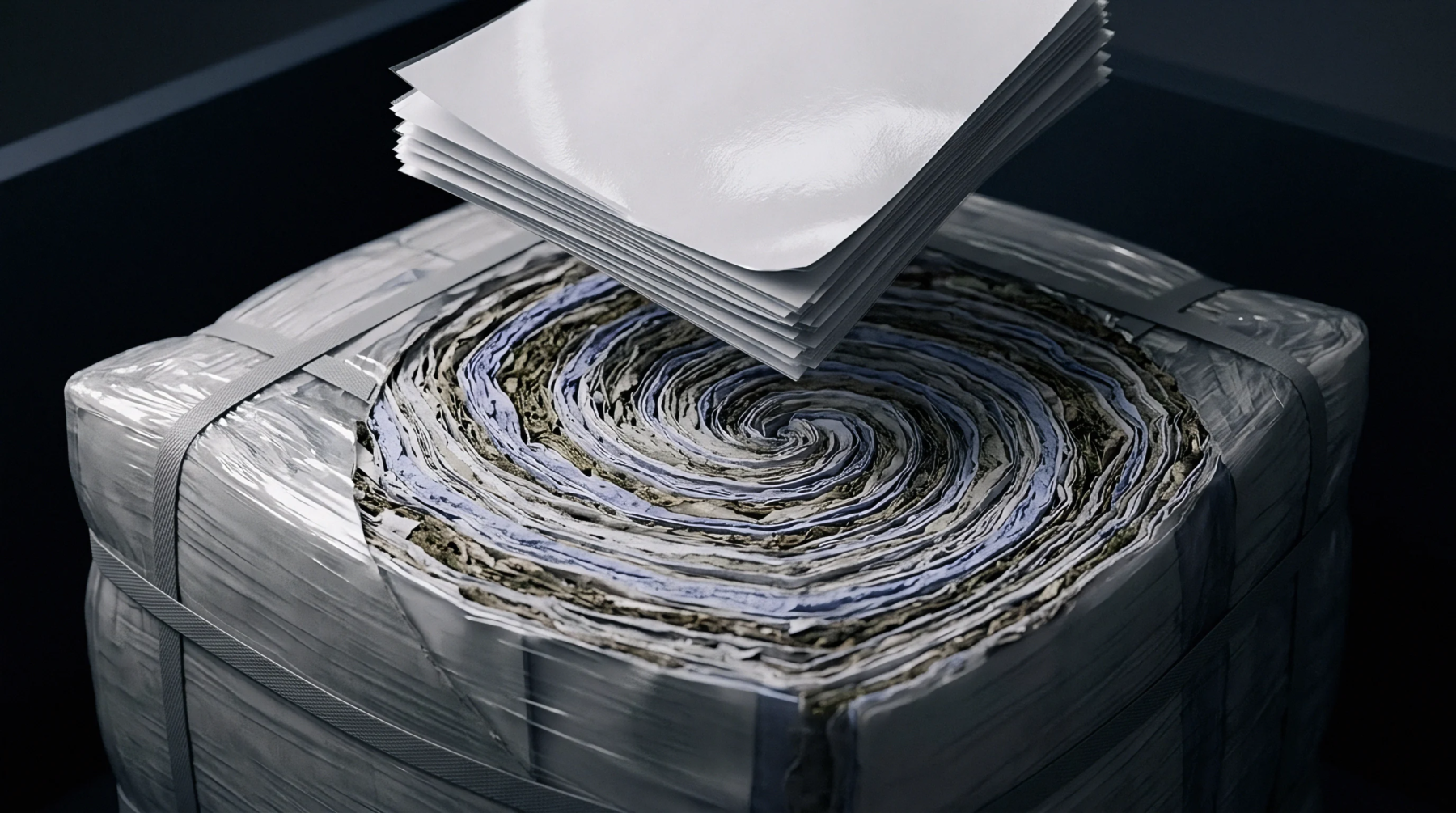
Coated recycled paperboard known commercially as gd2 carries a multi-ply construction featuring a grey back derived from recovered waste fibers. Outer surfaces receive a double pigment coating on the top side and a single layer on the reverse, which establishes adequate print smoothness for offset lithography and rotary gravure printing presses. Folding boxboard demands strict compliance with bending stiffness values and surface strength limits to withstand high-speed carton converting lines without cracking along crease lines.
Recycled carton stock typically ranges in grammage from two hundred to four hundred grams per square metre, providing sufficient caliper for packaging dry goods, pharmaceuticals, and household appliances. Lower raw material costs attract brand owners seeking economic carton solutions, but reduced tear resistance compared to virgin fiber substrates limits usage in heavy load applications.
Surface Uniformity
Smoothness parameters dictate ink transfer efficiency during halftone reproduction, requiring controlled roughness across the coated printable face. Laboratory testing measures gloss and brightness values against standardized white tiles to verify optical consistency within acceptable manufacturing tolerances. Surface absorption rates govern drying times for conventional offset inks, preventing set-off defects during high-speed production runs.
Pigment layer thickness influences varnish adhesion and foil stamping performance, establishing visual quality standards for retail packaging displays.
Converting Performance
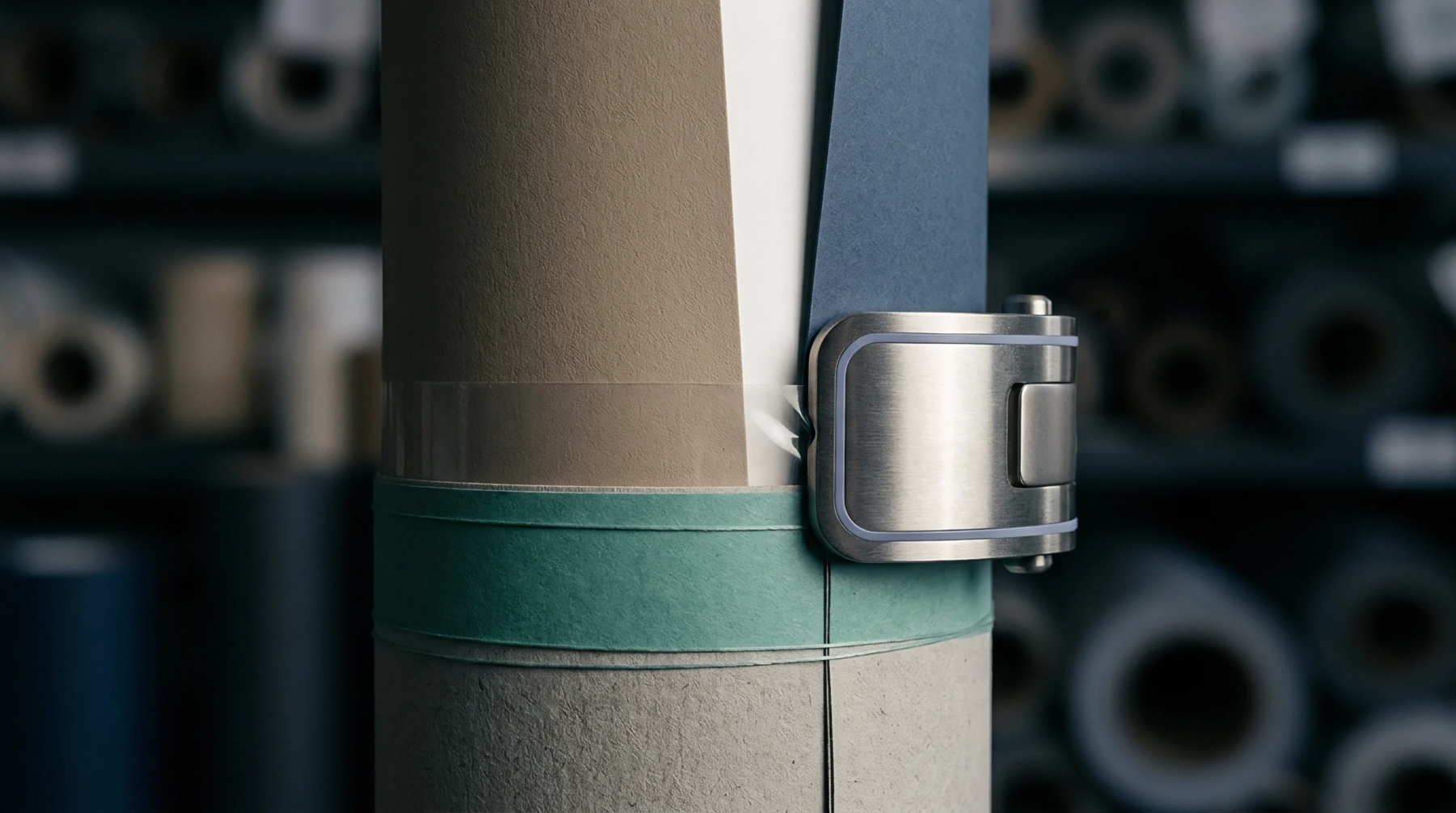
Crease recovery angles determine carton squareness after glue-line sealing on high-speed packaging machinery, affecting filling line efficiency. Die-cutting stations require precise knife penetration depths to achieve clean separation of individual carton blanks without delaminating the internal recycled layers. Moisture content fluctuations alter dimensional stability, causing curl defects that jam automatic carton feeders.
Final converting yield depends directly on uniform caliper distribution across the entire jumbo reel width during continuous manufacturing operations.