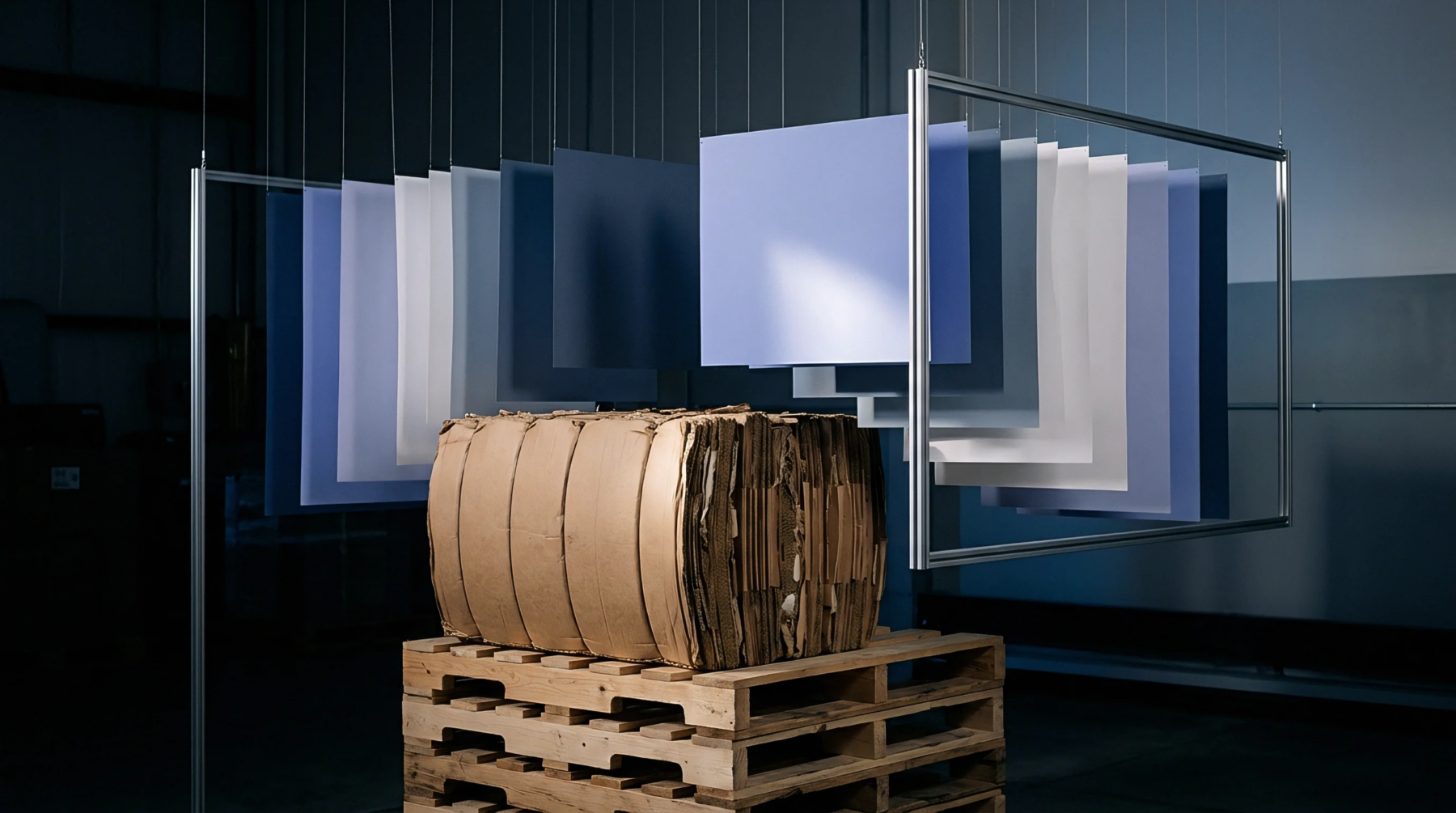
Selecting Food Simulants for Recycled Paperboard Specific Migration Limit Compliance
Recycled paperboard specific migration testing demands solid simulant Tenax or validated substitute media to prevent fiber breakdown and false analytical results.
Recycled paperboard specific migration testing demands solid simulant Tenax or validated substitute media to prevent fiber breakdown and false analytical results.
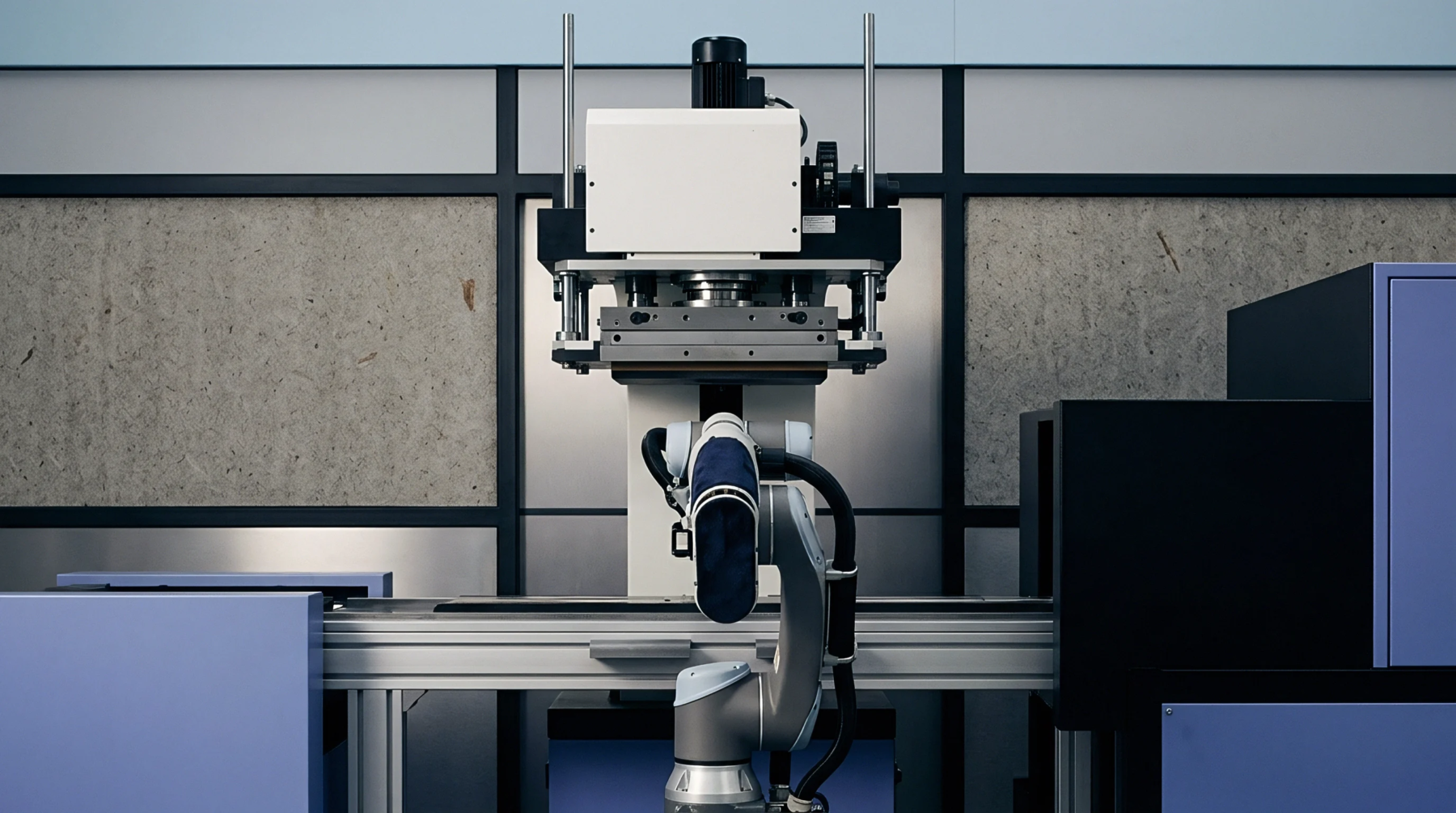
Line temperature spikes and fluid shear accelerate migrant transfer beyond static test limits, requiring exact profile validation in compliance files.

Mathematical diffusion models quantify NIAS transfer through polyolefins, enabling rapid, low-cost compliance validation for flexographic food packaging.

Untargeted mass spectrometry screening isolates photoinitiator degradation products and unreacted acrylates in food packaging overprint coatings at 10 ppb.

Paperboard chemical migration testing requires matching food simulants to substrate porosity, using Tenax for dry media and certified barrier qualification.

Gas chromatography verification requires static headspace extraction at 100 degrees Celsius to quantify residual ink solvents down to zero point five milligrams.
Paperboard fiber ratio auditing requires pairing ISO 9184 Graff C microscopic stain counts with EN 16995 chemical marker testing and mass-balance credit ledgers

Paperboard chemical retention and migration compliance requires verifying wet-end additive fixation, simulant extractions, and mass transfer kinetic barriers.
Expertise is a utility, not a secret. sentiention™ publishes its working knowledge as open reference: intelligence layer covering the materials it sources, the markets it enters, and the reference that serves both.