Recycled Board Feedstock Chemical Characterization and Migration Risks
Recycled board releases volatile mineral oils via gas-phase migration, demanding LC-GC-FID screening and functional barrier layers to satisfy food safety law.


Bale
Recovered paper streams arrive at processing mills categorized under EN 643 standard grades, carrying heterogeneous chemical residues from prior print cycles, conversion processes, adhesives, and consumer handling. Grade 1.02 mixed paper and board contains up to forty percent unsorted domestic packaging, newsprint, and discarded periodicals. These inputs deposit high concentrations of post-consumer chemical residues into the hydrapulper.
In contrast, Grade 3.02 white woodfree shavings and Grade 4.01 new shavings of corrugated board provide cleaner fiber furnish with lower baseline contaminant loads. Mechanical cleaning, washing, and de-inking flotation stages remove gross particulates, waxes, and pigments. Low molecular weight synthetic compounds remain adsorbed onto cellulose fibrils or trapped within the fines fraction.
The recycled slurry enters the forming section of the board machine with an established inventory of volatile and semi-volatile substances.
Mineral oil hydrocarbons represent the largest mass fraction of chemical migrants identified in recycled folding boxboard and corrugated fluting. Historical newspaper inks formulated with petroleum distillates deposit mineral oil saturated hydrocarbons, abbreviated as MOSH, alongside mineral oil aromatic hydrocarbons, designated as MOAH. While European newspaper printers shifted toward vegetable-oil-based inks, commercial flyers, regional offset prints, and overseas imports maintain petroleum solvent formulations.
Offset printing inks contribute diisopropylnaphthalenes, commonly applied as solvents in carbonless copy paper, which persist through multiple recycling loops due to thermal stability. Converting processes introduce secondary contaminants. Hot-melt glues supply synthetic polyolefin oligomers and phthalate plasticizers.
Water-based dispersion varnishes introduce glycol ethers and residual acrylates.
Paper absorbs liquid quickly.
Mill pulpers wash away clays and starches while leaving low-polarity synthetic hydrocarbons bound to recycled cellulose.
Feedstock sourcing choices govern the incoming chemical contamination profile long before board reaches the converting plant:
- Supermarket corrugated packaging carries elevated diisobutyl phthalate levels originating from hot-melt adhesives applied to case flaps during initial packing. Adhesives remain active within recycled pulp loops.
- De-inked domestic graphic paper introduces photoinitiators including benzophenone, 4-methylbenzophenone, and ethyl-4-dimethylaminobenzoate from ultraviolet cured overprint varnishes. These chemistries resist standard flotation de-inking.
- Sorted office waste exhibits high concentrations of fluorescent whitening agents and residual alkylphenol ethoxylates originating from de-inking surfactants. These residues persist in water treatment circuits.
- Industrial corrugated trimmings yield minimal printing solvent contamination while retaining synthetic sizing agents like alkyl ketene dimer and alkenyl succinic anhydride. Residues hydrolyze into volatile ketones during drying.
Chemical screening of incoming furnish requires tracing the fiber balance across multi-ply board construction. Coated recycled board, designated as white lined chipboard or WLC, distributes recycled furnish through the middle filler and back plies. The top ply often uses virgin chemical pulp to support printability and visual brightness.
This physical stratification does not eliminate chemical migration risks. Volatile migrants migrate through the thickness of the sheet during reel storage and palletized transit, equilibrating across all plies. Mill certificates declaring virgin top liners provide no assurance against gas-phase migration originating from internal recycled chipboard layers.
Paper mills frequently explain elevated hydrocarbon levels by stating that collective paper collection streams make exact chemical exclusion impossible under prevailing commodity pricing.


Extract
Chromatographic analysis of paperboard matrices isolates migrant species through targeted solvent extraction paired with high-resolution separation techniques. Standard EN 15519 defines procedures for preparing water extracts to quantify cold and hot water soluble substances, yet organic contaminants with low water solubility require organic solvent extractions. Ethanol ninety-five percent, hexane, and dichloromethane serve as primary extraction media to quantify total extractable content under standardized contact times.
Gas chromatography coupled with flame ionization detection, configured as online liquid chromatography-gas chromatography with flame ionization detection, isolates and quantifies MOSH and MOAH fractions. Pre-separation via high-performance liquid chromatography separates the saturated hydrocarbons from the aromatic ring systems on a silica column before direct transfer into two separate gas chromatography channels.
Hexane dissolves mineral oils.
Gas chromatography with flame ionization detection isolates mineral oil saturated hydrocarbons between n-C10 and n-C50 at a limit of quantification of 0.5 milligrams per kilogram of board.
Integration of the chromatogram profiles distinguishes mineral oil hydrocarbons from naturally occurring plant-based biogenic substances. Plant waxes present in virgin wood furnish contain n-alkanes with odd carbon numbers, predominantly C27, C29, and C31, displaying sharp discrete peaks. Synthetic MOSH generates an unresolved complex mixture presenting as a broad hump beneath the chromatographic baseline between the retention times of n-C10 and n-C50.
Quantification of MOAH requires auxiliary clean-up steps. Epoxidation using meta-chloroperbenzoic acid removes interfering natural olefins, such as squalene and terpene derivatives, which otherwise produce false-positive aromatic hydrocarbon signals.
| Chemical Compound Class | Representative Substance | Molecular Weight (g/mol) | Analytical Method | Quantification Limit (mg/kg board) |
|---|---|---|---|---|
| Saturated Hydrocarbons (MOSH) | Branched and cyclic alkanes (C10 to C50) | 140 to 700 | LC-GC-FID | 0.50 |
| Aromatic Hydrocarbons (MOAH) | Alkylated polycyclic aromatics (1 to 3 rings) | 130 to 500 | LC-GC-FID with Epoxidation | 0.50 |
| Phthalate Esters | Diisobutyl phthalate (DIBP) | 278.35 | GC-MS | 0.10 |
| Photoinitiators | Benzophenone | 182.22 | GC-MS / LC-MS-MS | 0.05 |
| Thermal Paper Stabilizers | Bisphenol S (BPS) | 250.27 | LC-MS-MS | 0.01 |
| Specialty Solvents | Diisopropylnaphthalene (DIPN) | 212.33 | GC-MS | 0.10 |
| Values reflect accredited laboratory quantification limits for dry food contact paperboard under solvent extraction protocols. | ||||

Non-Intentionally Added Substances Detection
Targeted quantification screens for known additives while non-intentionally added substances, termed NIAS, demand non-target screening using high-resolution mass spectrometry. Time-of-flight mass spectrometry coupled with gas chromatography identifies volatile degradation compounds generated during thermal drying cycles on the paper machine. Cellulose degradation, thermal breakdown of starch sizes, and pyrolytic decomposition of polymer adhesives generate furans, alkylated aldehydes, and cyclic ketones.
Liquid chromatography coupled to quadrupole time-of-flight mass spectrometry characterizes non-volatile polar compounds. A primary challenge concerns the toxicological evaluation of unknown chromatographic peaks lacking reference analytical standards. Threshold of Toxicological Concern principles establish that uncharacterized compounds lacking genotoxicity alerts require migration limits below 0.01 milligrams per kilogram of food simulant.
The analytical laboratory confronts the question of whether detected oligomeric fractions between C16 and C25 originate from pulp additives or external post-consumer contamination sources.
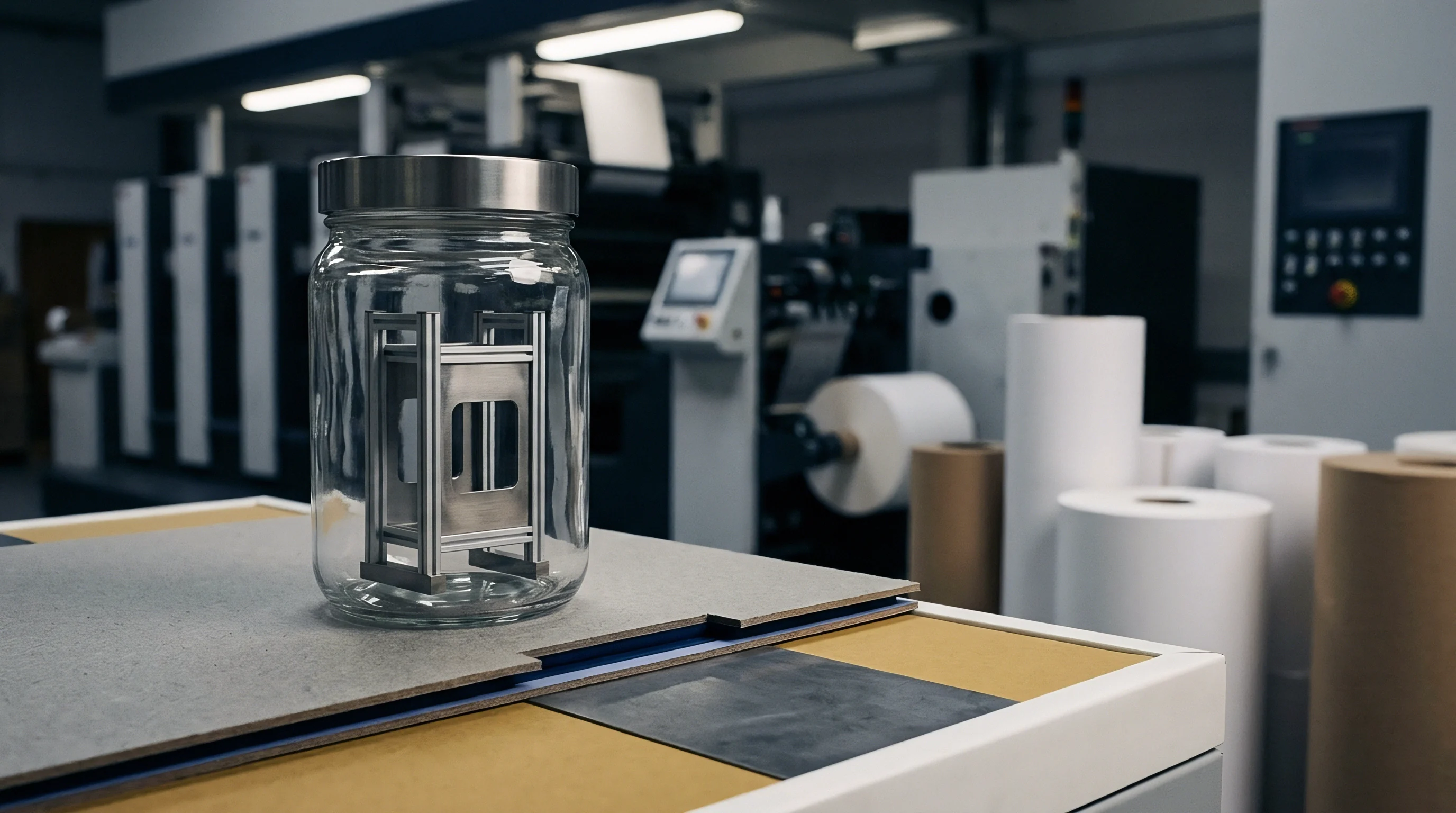

Ingress
Mass transfer from recycled paperboard packaging into dry foods occurs through vapor-phase evaporation and subsequent gas adsorption. Direct physical contact represents only one migration pathway. Cellulose packaging consists of an open, highly porous network of interconnected fibers with void fractions ranging from forty to seventy percent.
Molecules with molecular weights below three hundred daltons and boiling points beneath three hundred and fifty degrees Celsius exhibit significant vapor pressures at ambient room temperatures. These compounds volatilize from the inner fiber surfaces into the pore air space. Internal gas diffusion moves molecules across the paper matrix toward the board surface.
The packaging airspace acts as a transfer conduit, conveying volatile compounds directly onto dry foodstuffs such as flour, rice, cereals, and pasta.
Tenax simulates dry food.
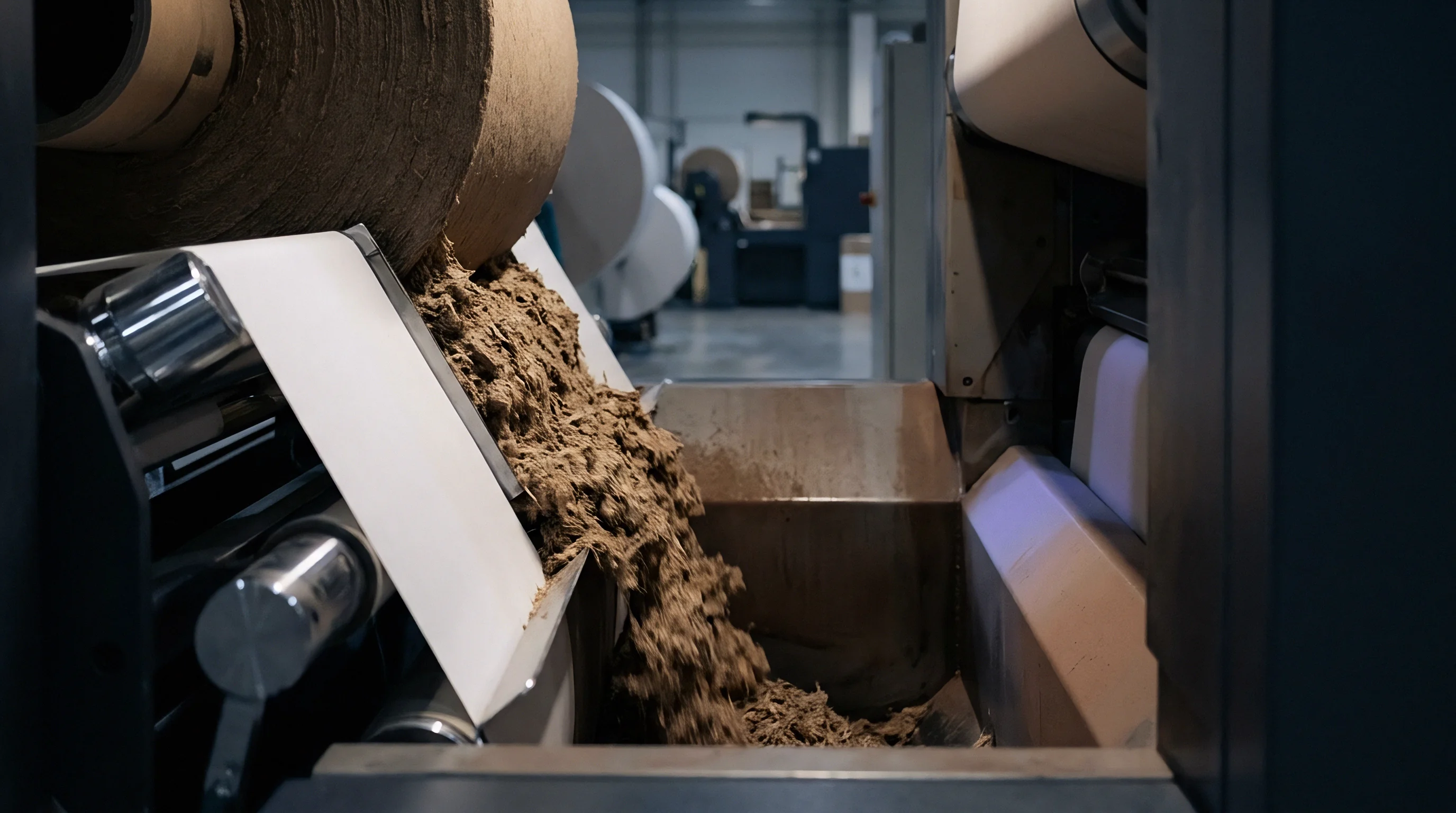
What Governs Molecular Transport through Board Fibers?
Thermodynamic partition coefficients determine the concentration balance between the cellulosic fibers, the interstitial air, and the receiving foodstuff. Kinetic migration follows modified Fickian diffusion mathematics. Piringer diffusion models calculate migrant release rates using the packaging diffusion coefficient, the partition coefficient between packaging and food, the packaging thickness, and contact temperature.
Unlike non-porous synthetic plastics, paperboard exhibits rapid initial migration because volatile migrants sit loosely adsorbed on fiber surfaces without polymer crystalline entrapment.
Vapor pressure dictates paperboard migration rates more aggressively than molecular weight alone.
The mathematical evaluation of migration requires establishing boundary parameters for packaging thickness and internal concentration. Assume a folding box carton made from recycled board with a basis weight of 350 grams per square meter, possessing a density of 0.70 grams per cubic centimeter and a thickness of 0.50 millimeters. The package contains 500 grams of dry cereal within an inner volume of 1,200 cubic centimeters, wrapped directly by the carton walls presenting a surface area of 600 square centimeters.
The board carries a baseline MOSH concentration in the range C16 to C24 of 250 milligrams per kilogram of board. Total MOSH mass within the 21-gram carton equals 5.25 milligrams. Under ambient storage conditions at twenty degrees Celsius, the partition coefficient favors significant transfer to dry food containing surface lipids.
Migration calculations indicate that approximately thirty percent of volatile MOSH fractions below C24 evaporate and enter the foodstuff across a twelve-month shelf life. This transfer deposits 1.575 milligrams of mineral oil hydrocarbons into the 500 grams of packaged food. The resulting concentration in the food reaches 3.15 milligrams per kilogram, exceeding target food safety thresholds.
Elevated storage temperatures at thirty-five or forty degrees Celsius accelerate diffusion coefficients exponentially, shortening migrant breakthrough times from months to days.
| Hydrocarbon Carbon Number | Vapor Pressure at 20°C (Pa) | Diffusion Coefficient in Air (cm²/s) | Breakthrough Time 300 g/m² (Days) | Breakthrough Time 450 g/m² (Days) |
|---|---|---|---|---|
| n-C12 (Dodecane) | 18.0 | 0.052 | < 1 | 1 |
| n-C16 (Hexadecane) | 0.14 | 0.041 | 4 | 7 |
| n-C20 (Eicosane) | 1.2 × 10⁻³ | 0.033 | 28 | 45 |
| n-C24 (Tetracosane) | 8.5 × 10⁻⁶ | 0.027 | 160 | 240 |
| n-C28 (Octacosane) | 4.1 × 10⁻⁸ | 0.022 | > 500 | > 500 |
Thinner boards accelerate vapor breakthrough.
Higher board moisture content accelerates the mass transfer of volatile hydrophilic compounds while retarding non-polar hydrocarbons. Water molecules occupy active hydrogen-bonding sites on cellulose chains, displacing polar compounds like residual solvents into the vapor phase. Non-polar mineral oils remain largely unaffected by matrix moisture, persisting in steady vapor migration towards lipid-rich food matrices.
Volatile migrants move uninterrupted until a physical barrier imposes complete molecular resistance.
Barrier
Interposing functional barrier materials between recycled fiberboard and food prevents volatile migrant transmission. Conventional extrusion coatings like low-density polyethylene provide water-tight liquid containment while failing to halt non-polar hydrocarbon gas transmission. Polyethylene features a loose amorphous polymer structure through which mineral oil vapors diffuse within weeks at ambient temperatures.
Effective barrier layers require high polymer polarity, high chain packing density, or inorganic crystal structures that eliminate free volume for migrant passage.
Polyethylene fails as a barrier.
Aqueous dispersion coatings utilizing ethylene vinyl alcohol copolymers, polyvinyl alcohol, or dense acrylate lattices provide substantial hydrocarbon resistance. Water-based barrier coatings deposit film layers between five and fifteen micrometers thick directly onto the paper machine or offline coater. Coating consistency remains difficult to control over rough recycled board surfaces.
Fiber peaks protruding through the coating layer create microscopic pinholes, resulting in localized gas channeling. Extruded biopolymers such as polylactic acid or polyhydroxyalkanoates exhibit moderate barrier capabilities against grease while allowing mineral oil vapor transmission at rates unsuitable for extended shelf-life dry goods.
Barrier systems divide into distinct functional classifications based on performance mechanisms and converting characteristics:
- Inorganic foil laminations utilize aluminum layers beneath nine micrometers thick, producing absolute physical seals against all gas, moisture, and chemical migration species. Laminations alter package repulpability during recycling recovery.
- High-polarity synthetic extrusions incorporate ethylene vinyl alcohol or polyamide resins into co-extruded tie-layer films, delivering high barrier resistance against MOSH and MOAH at minimal film calipers. Processing costs exceed standard polyolefin coating lines.
- Adsorptive mineral coatings apply activated carbon or synthetic zeolites into internal board plies, trapping migrating hydrocarbons within porous physical caches before vapors reach food contact surfaces. Adsorption capacities saturate over extended storage periods.
- Cross-linked aqueous dispersions spread waterborne barrier polymers across the base sheet, offering repulpable barriers that break down in standard hydropulpers during circular fiber processing. Pinholing over uncalendered board limits absolute barrier efficacy.
Recycled fibers shorten after pulping.
Functional barrier qualification requires standardized challenge testing under defined conditions. Standard EN 14338 governs testing of migration from paper and board using modified polyphenylene oxide, commercialized as Tenax, as a dry food simulant. Accelerated testing models require exposure at forty degrees Celsius for ten days, simulating ambient storage exceeding six months, or sixty degrees Celsius for ten days to simulate extended shelf stability.
Gas chromatography of the Tenax simulant extract determines whether the barrier restricts MOSH and MOAH ingress below detection thresholds.
Article 3 of Framework Regulation 1935/2004 classifies any measurable organoleptic shift or transfer of toxicologically unassessed substances as an automatic compliance failure.
Standard supply contracts governing coated food packaging establish that functional barrier layers must maintain structural integrity across creasing lines, scoring channels, and fold seams without micro-cracking under commercial converting tolerances.
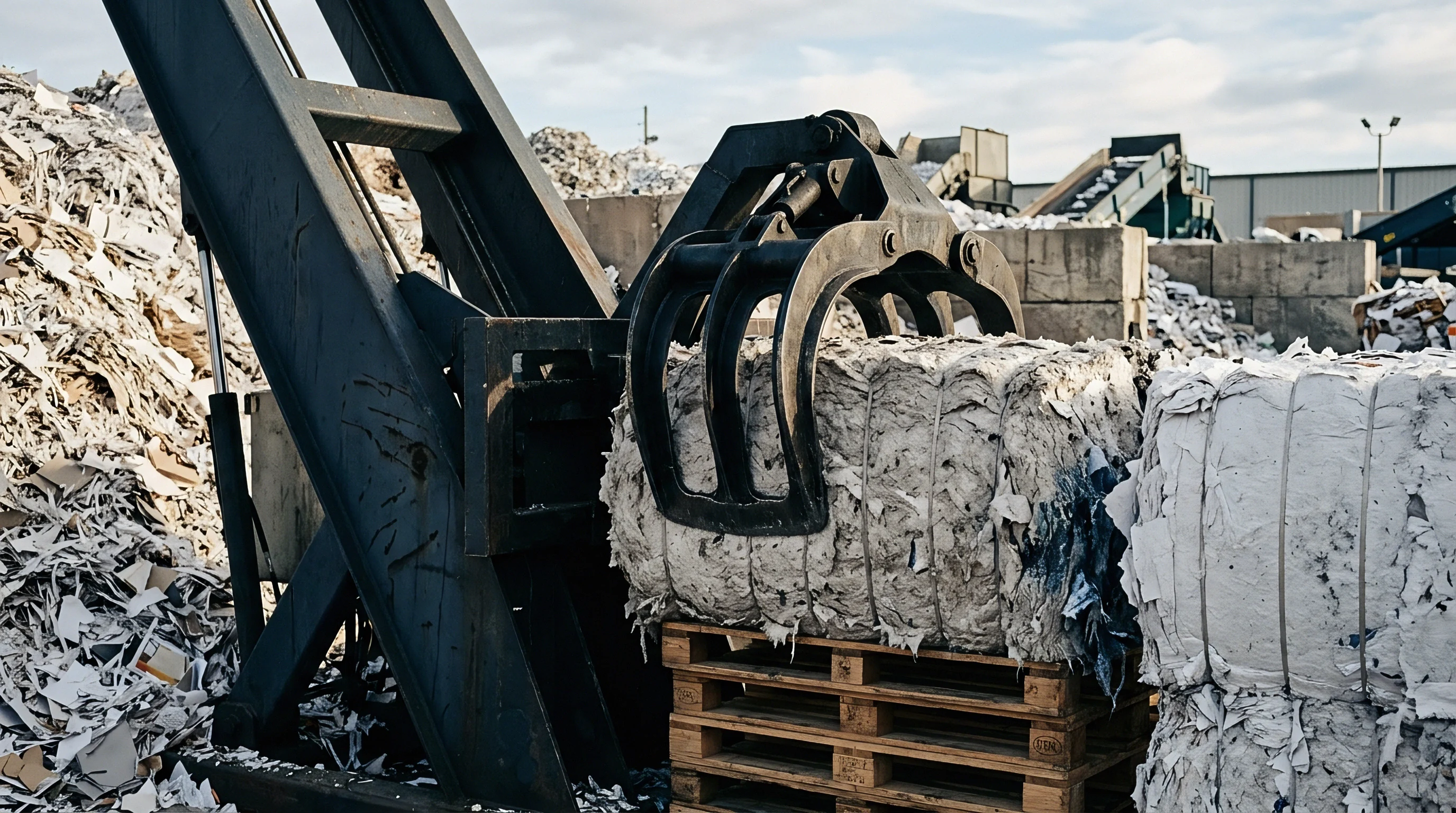
Recourse
Compliance documentation for food contact packaging made with recycled fiber demands comprehensive analytical substantiation to satisfy border control authorities and market surveillance inspectors. Article 3 of Regulation (EC) No 1935/2004 establishes the baseline requirement that materials must not transfer constituents to food in quantities that endanger human health, bring about unacceptable changes in food composition, or cause organoleptic deterioration. Good Manufacturing Practice Regulation (EC) No 2023/2004 obligates converters to maintain auditable manufacturing control records, batch tracking systems, and documented raw material qualification dossiers.
Virgin pulp costs more.
National jurisdictions impose specific limits where harmonized European Union rules lack detailed material measures for paper and board. The German Federal Ministry of Food and Agriculture drafted amendments to the German Foodstuffs and Animal Feed Code, commonly cited as the German Mineral Oil Ordinance. The ordinance mandates functional barriers for food packaging utilizing recycled board stock unless analytical evidence demonstrates that MOAH migration into food remains undetectable at a limit of quantification of 0.50 milligrams per kilogram of food, alongside a limit of 0.15 milligrams per kilogram for the sum of MOAH from C10 to C50.
The European Packaging and Packaging Waste Regulation, designated as PPWR, establishes recyclability performance grades while placing strict contamination ceilings on substances of concern entering packaging valorization streams.
Assembling a defensible compliance file requires technical verification steps executed sequentially across the supply chain:
- Confirm the primary certificate scope issued under accredited bodies, ensuring the specific board grade and machine line match the shipping delivery documentation precisely without relying on general converter-level credentials.
- Review migration test reports to verify that laboratory testing utilized appropriate simulants, correct exposure temperatures, and valid surface-to-volume ratio calculations matching the intended packaging format.
- Cross-check chromatographic extraction logs to verify that MOAH quantification included chemical epoxidation to eliminate false positives generated by biogenic terpene derivatives.
- Audit converter declarations of compliance to verify unambiguous liability allocation for functional barrier integrity across scored and folded carton blanks.
A packaging declaration of compliance functions as a legal exposure transfer instrument. Converters issuing generic compliance certificates stating compliance with Framework Regulation 1935/2004 without detailing migration test reports, simulant selections, and barrier qualification data leave the brand owner and importer of record carrying full regulatory liability. Retail audits routinely pull food products from shelves for independent laboratory analysis.
When commercial labs identify MOSH or MOAH concentrations exceeding market guidance levels, market surveillance authorities initiate rapid alert notifications, mandate product recalls, and impose commercial penalties.
The financial consequence of defective migration testing lands on the importer of record through seized consignments, retailer delisting fines, and destruction costs for contaminated finished inventory.