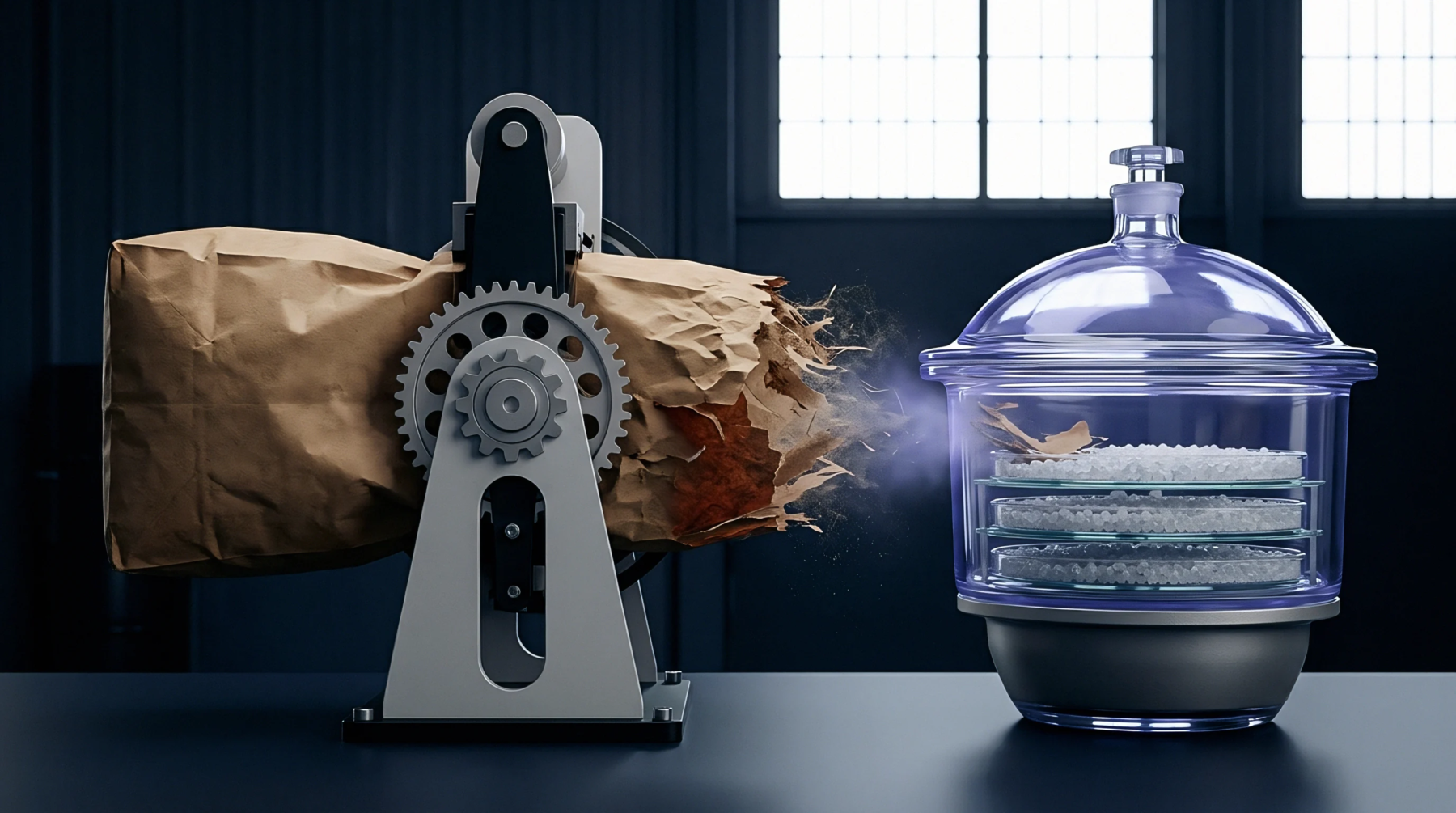
Laboratory Testing Protocols for Recycled Paperboard Chemical Compliance
Recycled paperboard chemical compliance demands specific migration testing via Tenax and LC-GC-FID to quantify MOSH MOAH transfer before signing declarations.
Recycled paperboard chemical compliance demands specific migration testing via Tenax and LC-GC-FID to quantify MOSH MOAH transfer before signing declarations.

Tenax TA vapor capture combined with LC-GC-FID and chemical epoxidation provides defensible separation of volatile MOSH and MOAH fractions in paperboard.

Verification of recycled paperboard food contact compliance requires LC-GC-FID testing for MOSH and MOAH migration alongside verified functional barriers.
Paperboard LC-GC-FID testing requires ethanol swelling, mCPBA epoxidation, and accurate UCM baseline integration to verify MOSH and MOAH migration compliance.
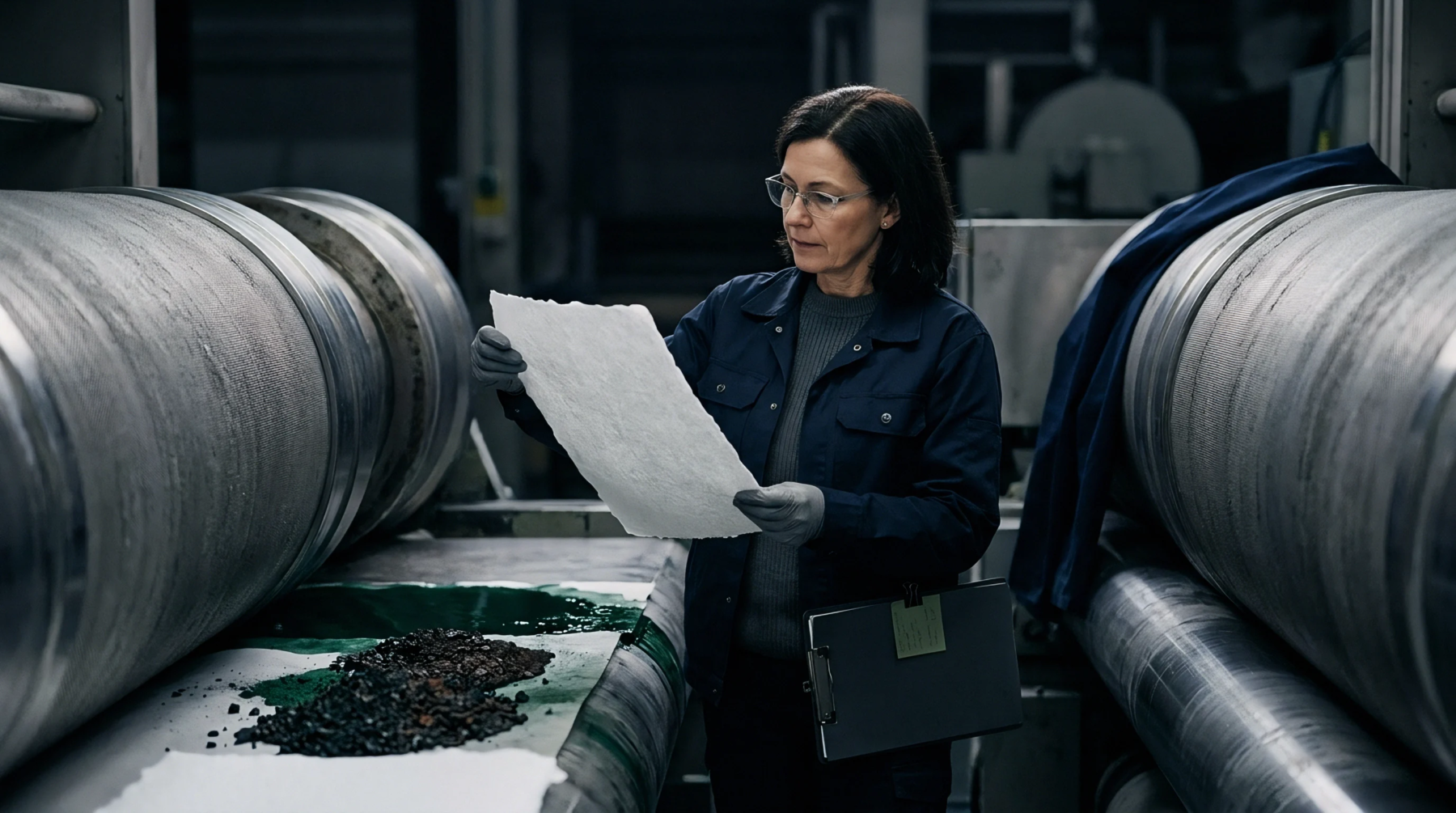
European post-consumer recycled claims depend on matching certified mill scope lines directly to batch delivery notes and mass balance allocation ledgers.
Analytical testing verifies physical furnish markers and migration safety, while administrative chain records prove legal recycled content claims.
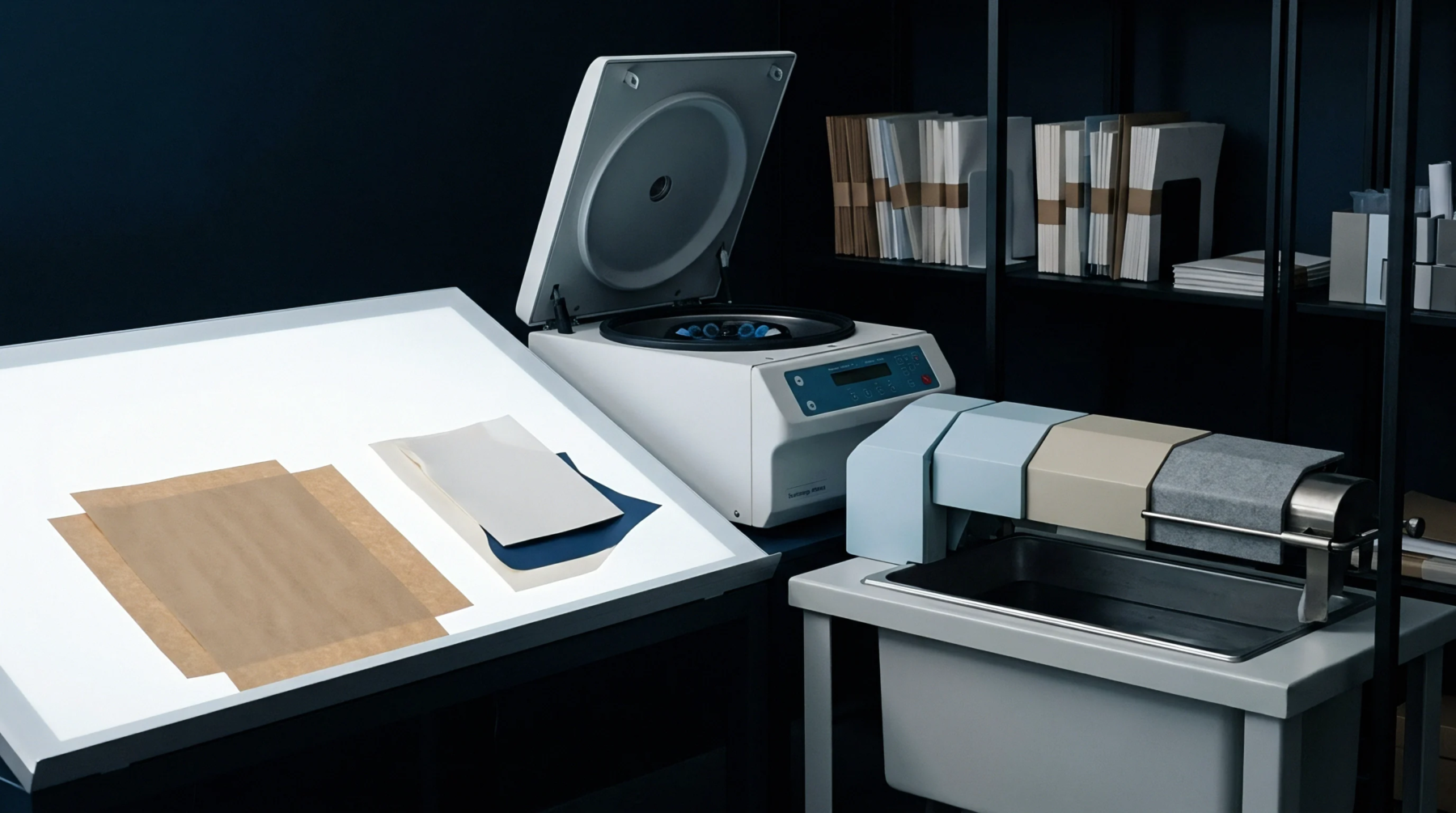
Polymeric coatings block recycled board NIAS migration when layer thickness, crosslinking density, and pinhole frequency meet specific mass transfer criteria.
Modified solid simulant Tenax TA testing under EN 14338 verifies gas-phase MOSH and MOAH migration from recycled paperboard without false-positive wax interference.

Verify hydrocarbon barrier integrity in recycled cartons through LC-GC-FID testing under EN 16995 with Tenax migration simulant to prove MOAH limits under 0.15 mg/kg.
Expertise is a utility, not a secret. sentiention™ publishes its working knowledge as open reference: intelligence layer covering the materials it sources, the markets it enters, and the reference that serves both.