
Non-Intentionally Added Substances Screening Protocols for Aqueous Barrier Treated Packaging
Non-targeted high-resolution screening isolates unknown migrants from aqueous paper coatings to guarantee toxicological compliance below threshold limits.
Non-targeted high-resolution screening isolates unknown migrants from aqueous paper coatings to guarantee toxicological compliance below threshold limits.
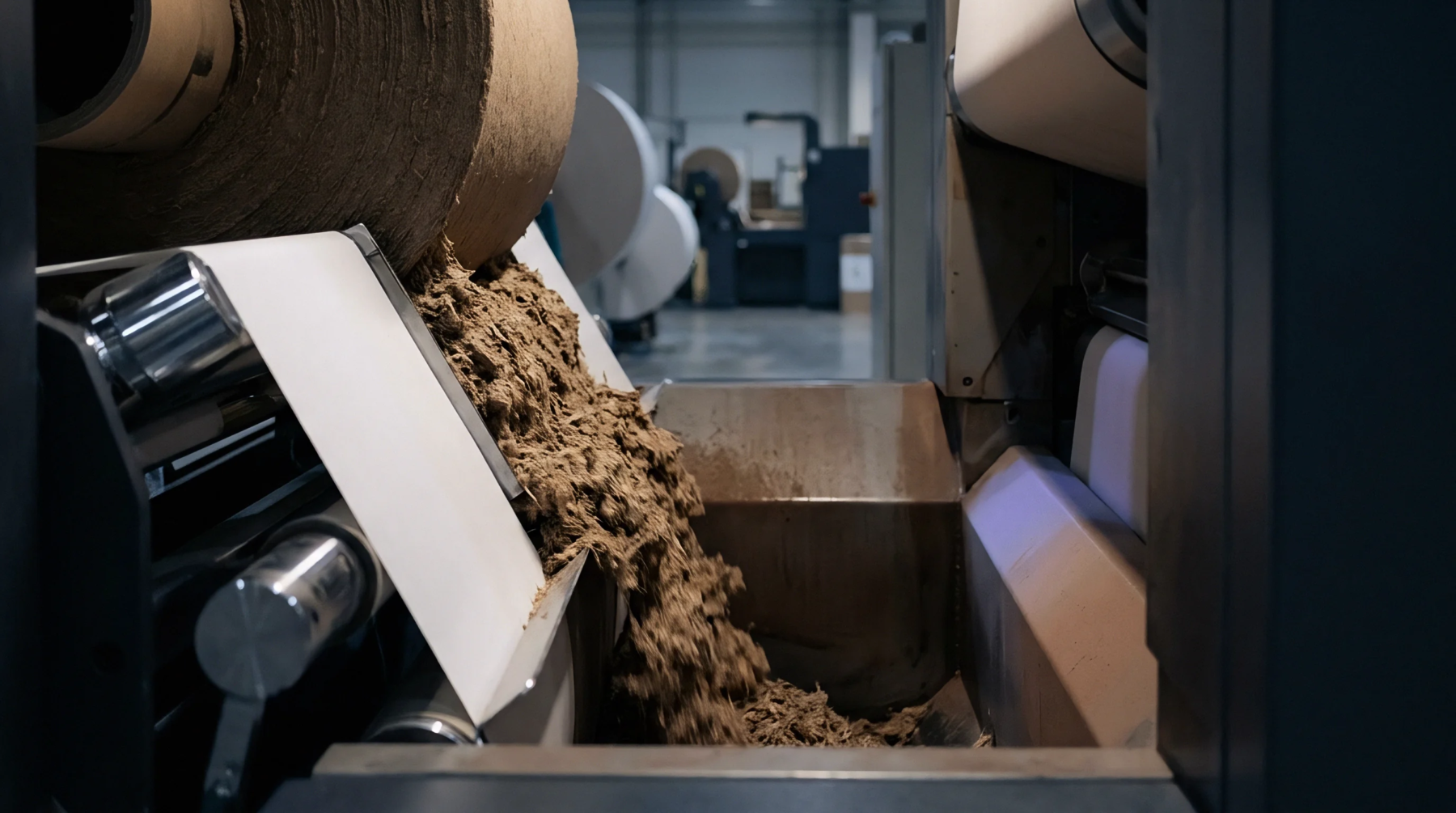
Packaging dossiers for recycled paperboard require LC-GC-FID and HRMS testing verifying MOAH below 0.5 mg/kg and uncharacterized NIAS below 0.01 mg/kg.

Resolving dispersion coating NIAS migration liabilities requires paired chromatography, Cramer class toxicity screening, and strict set-off control.

Polymer component screening identifies residual monomers, mobile additives, and degradation products in aqueous food packaging coatings before line conversion.

Polymeric barrier compliance requires verifying Fickian diffusion math and toxicological thresholds against scored, converted geometry under worst-case simulants.

Recycled board releases volatile mineral oils via gas-phase migration, demanding LC-GC-FID screening and functional barrier layers to satisfy food safety law.

Quantifying NIAS in bio-based coatings requires single-side solvent extraction paired with high-resolution GC/LC-QTOF screening calibrated to toxicological concern thresholds.

Auditing paperboard compliance certificates requires verifying accredited laboratory migration data against regional chemical limits and matching mill batch codes.
Paperboard food contact compliance requires verified migration testing using specific simulants and GC-MS or LC-GC-FID analytics to enforce migration safety limits.

Chromatographic identification couples GC-MS and LC-HRMS screening with Cramer classification to clear unidentified non intentionally added substances below 0.01 mg/kg.

Untargeted mass spectrometry screening isolates photoinitiator degradation products and unreacted acrylates in food packaging overprint coatings at 10 ppb.

Chemical characterization of varnish raw material changes demands spectroscopic conversion tracking and chromatographic migration screening to prevent food contact failures.
Expertise is a utility, not a secret. sentiention™ publishes its working knowledge as open reference: intelligence layer covering the materials it sources, the markets it enters, and the reference that serves both.