Chemical Migration
Equilibrium concentration ratio dictates how lipophilic additives distribute across dissimilar contiguous layers during conversion. The partition coefficient defines this thermodynamic preference for partitioning between an aqueous phase and an organic solvent phase at constant temperature. Converting plants apply this metric to forecast how printing ink plasticizers, defoamers, and paper coating surfactants will transfer from recycled paperboard packaging into dry food simulants over extended storage periods.
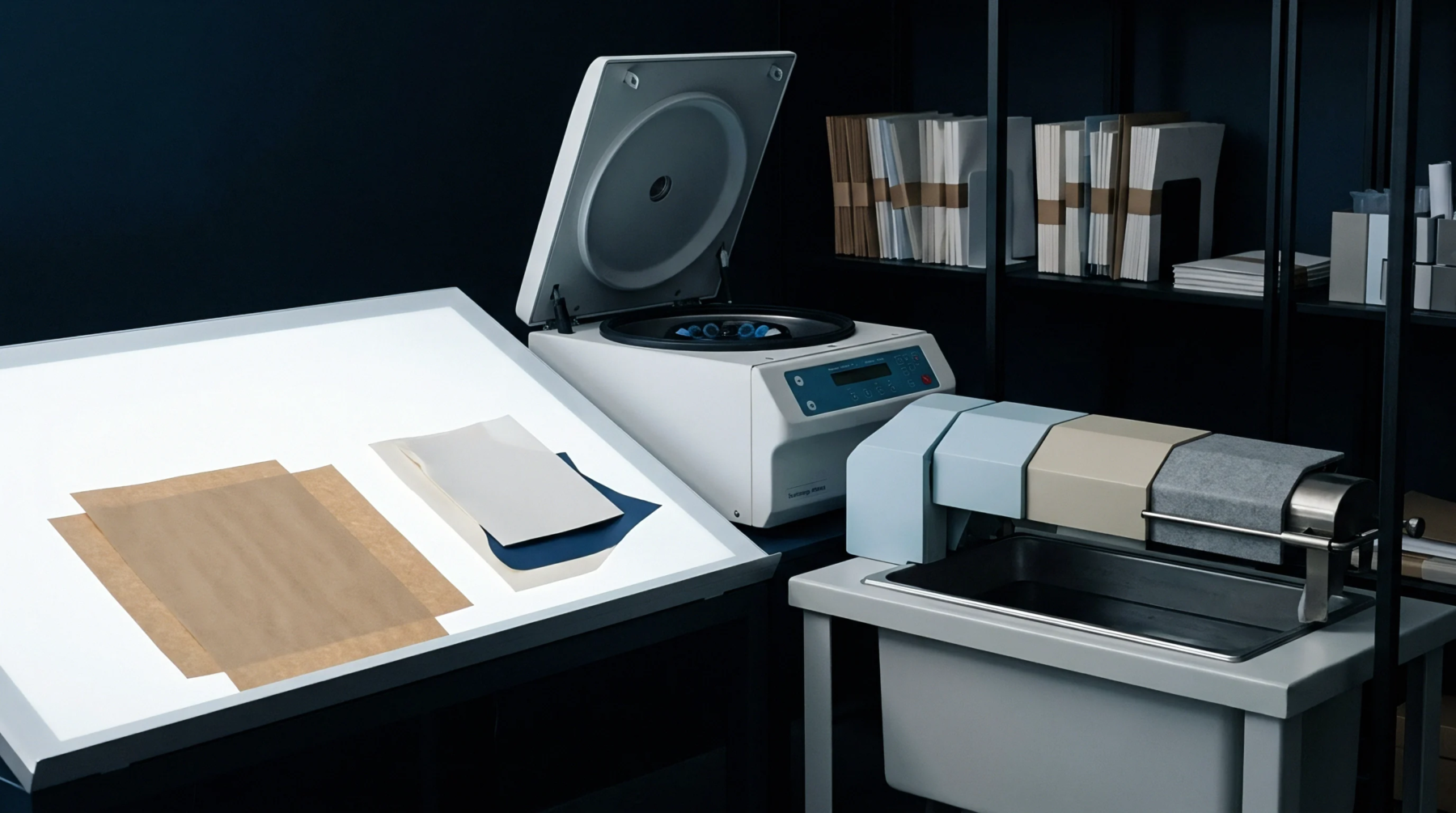
Laboratory testing measures the solute mass fraction in octanol relative to water under standardized agitation protocols, yielding a logarithmic value that categorizes potential contaminant bleed. The partition coefficient applies exclusively to uncharged molecular species dissolved in dilute binary or ternary liquid systems, failing entirely when ionic dissociation occurs or when micellar solubilization alters phase boundaries. High lipophilicity values trigger strict regulatory migration limits for folding carton manufacturers using mineral oil saturated hydrocarbons in food contact applications.
Retention Dynamics
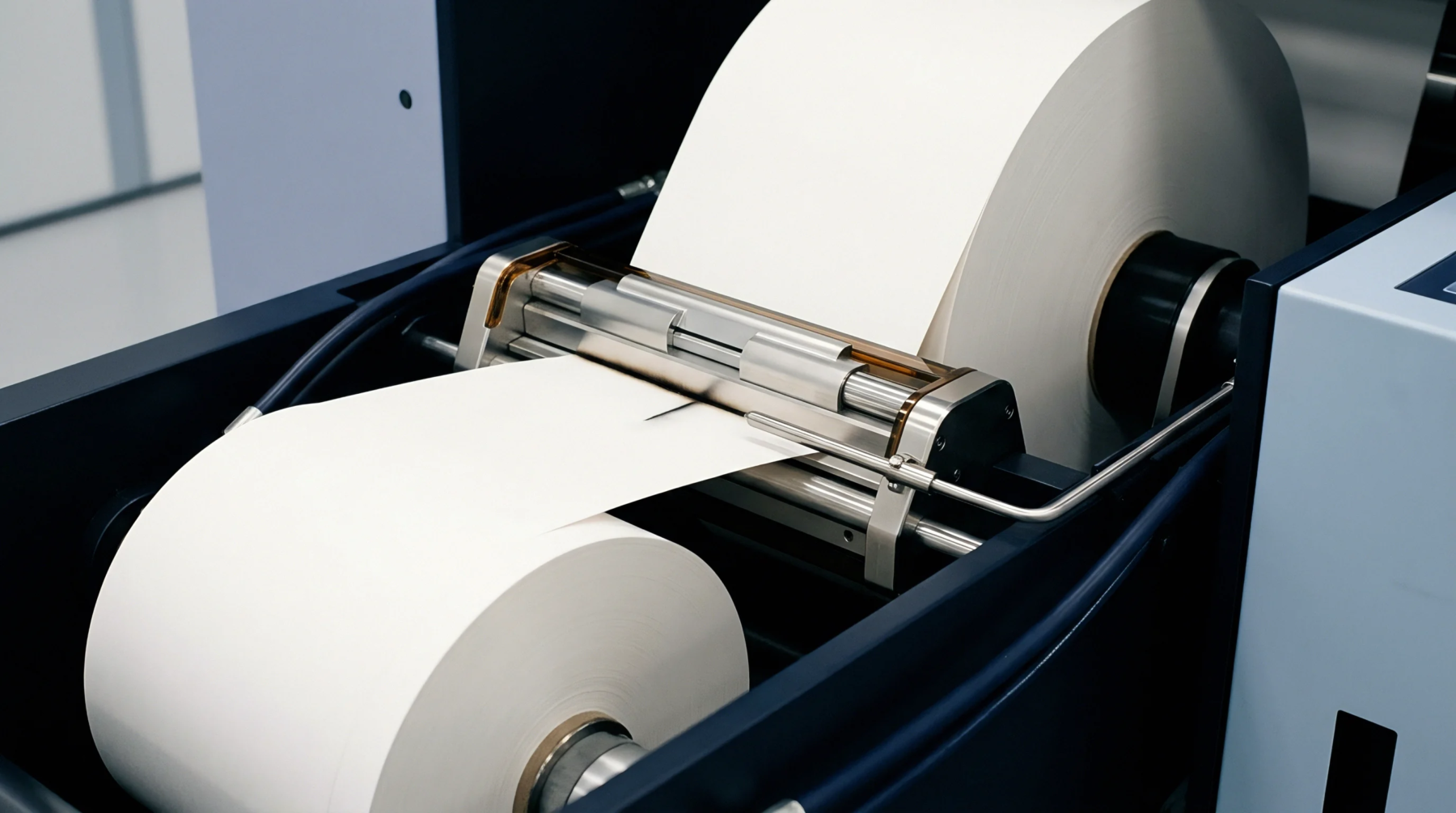
Fibre matrix binding strength determines whether surface sizing agents remain bound to cellulose hydroxyl groups or migrate freely through capillary pores. Measuring the partition coefficient helps wet end chemists predict retention efficiency during sheet formation on high speed Fourdrinier paper machines. Cationic starch polymers and fluorochemical oil repellents exhibit specific distribution tendencies between the cellulosic solid phase and the circulating white water loop.
Process water closure concentrates dissolved organic compounds when internal sizing agents possess low affinity for virgin wood fibres, leading to sheet discoloration and reduced dry strength properties.
Coatings Formulation
Surfactant distribution equilibrium controls the surface energy balance necessary for uniform aqueous dispersion wetting on hydrophobic plastic film substrates. Solvent retention in gravure printing inks depends heavily on how resin binders partition between the wet coating layer and the drying air tunnel environment. Formulators adjust resin molecular weight distribution and co-solvent ratios to optimize this thermodynamic equilibrium, preventing pinhole defects and orange peel texture anomalies on high gloss paper stocks.
Excessive lipophilicity traps residual solvents within multilayer barrier laminates, causing unpleasant odors and adhesive delamination during subsequent pouch conversion steps.