Headspace Gas Chromatography Analysis of Unreacted Acrylate Monomers
Residual acrylate monomer testing via static headspace gas chromatography quantifies unreacted species to verify food contact safety compliance.
Vial
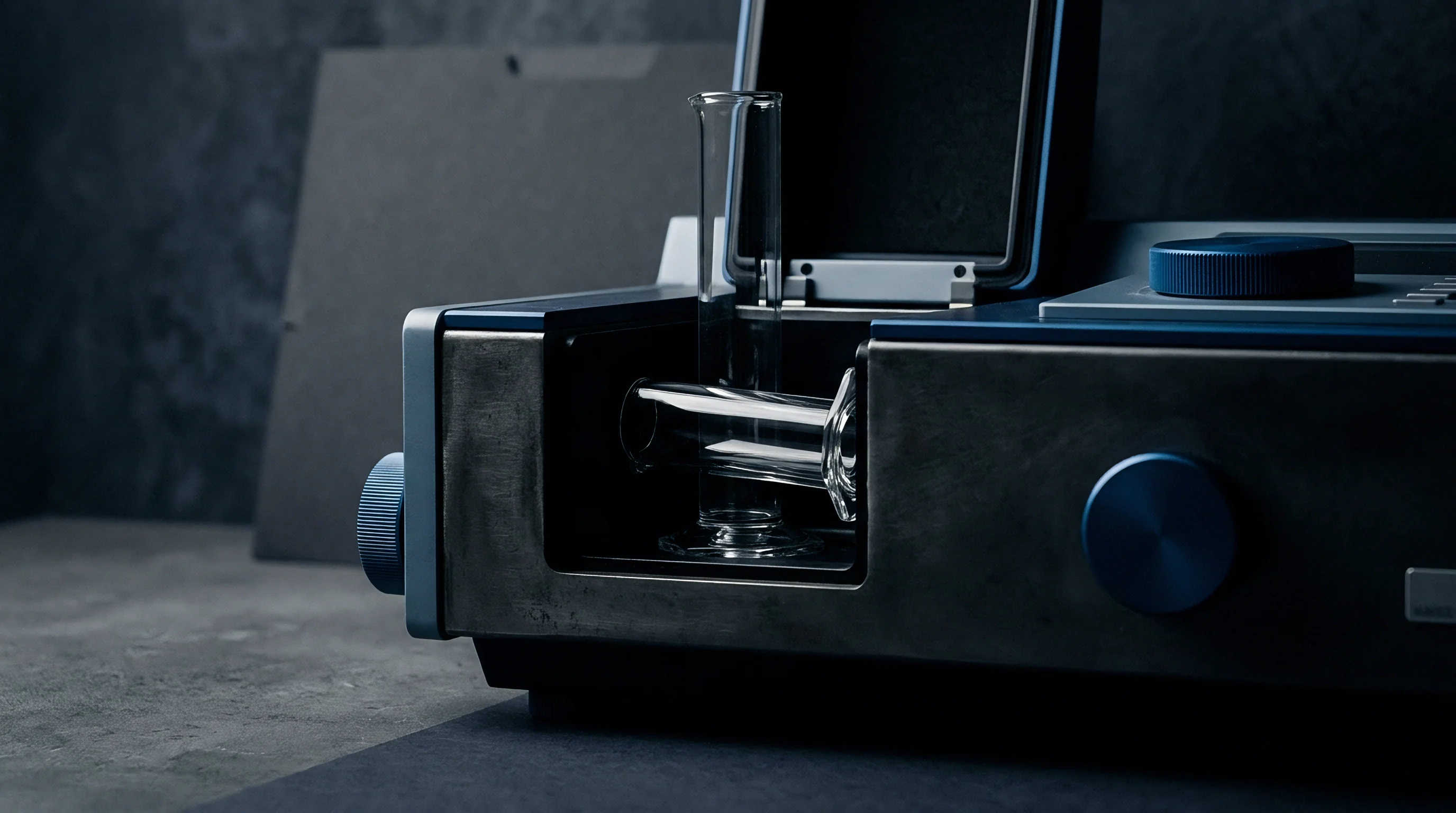
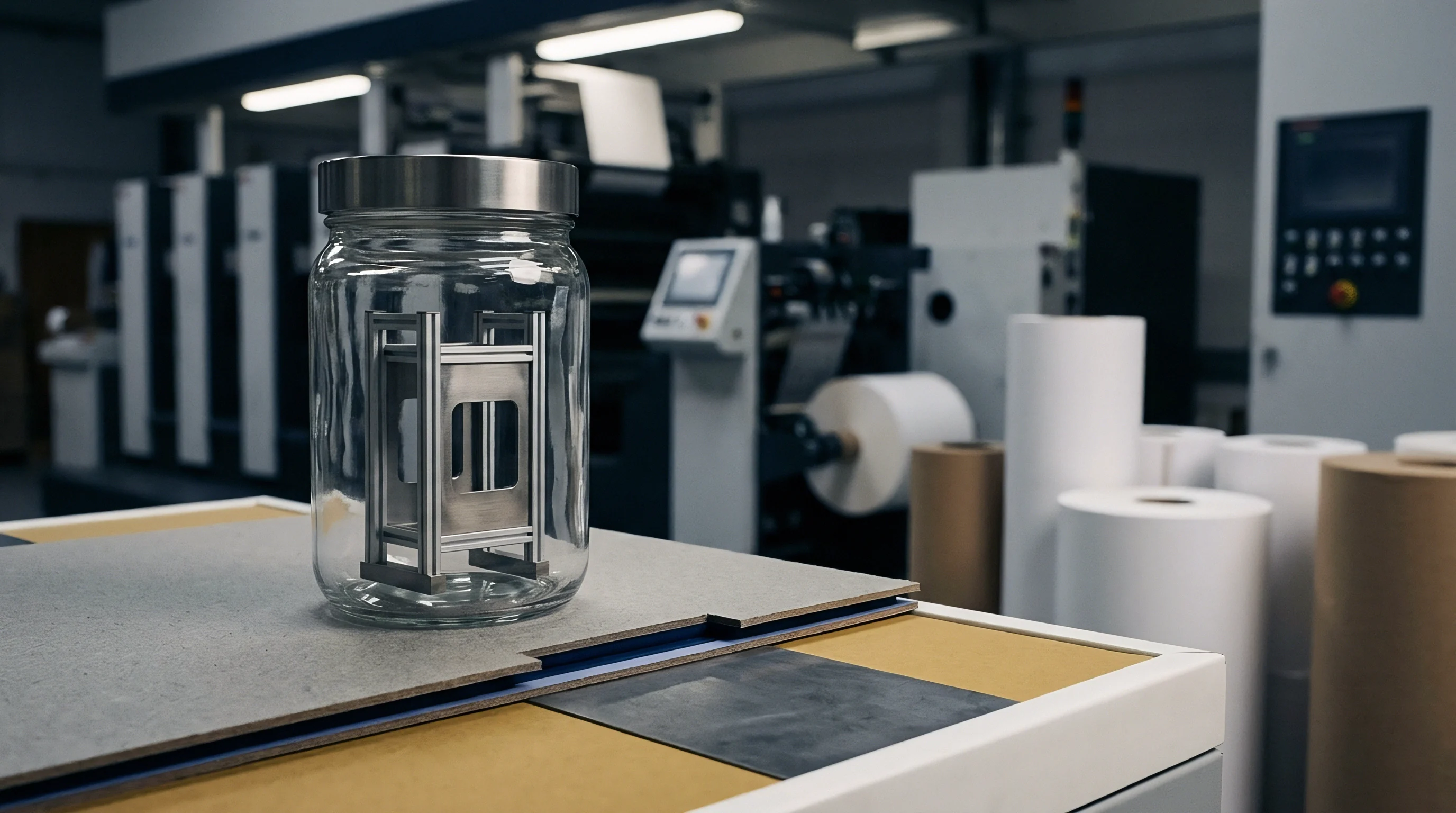
A crimp-top glass vessel sealed with a fluoropolymer septum forms the baseline containment enclosure where unreacted monomers volatilize into the gas phase. Inside this closed micro-environment, thermal energy drives volatile and semi-volatile compounds out of the cured acrylic polymer lattice into the overhead headspace. The efficiency of this thermodynamic transfer depends on sample mass, surface area exposed, equilibration temperature, and heating duration.
Packaging converters running ultraviolet or electron-beam cured overprint varnishes rely on this headspace extraction step to isolate free acrylate monomers without physically injecting non-volatile crosslinked polymer resins into the capillary column of the gas chromatograph.
The seal holds. Gas phase pressure rises. Acrylate volatility remains low.
Multifunctional acrylates like trimethylolpropane triacrylate and tripropylene glycol diacrylate possess elevated boiling points exceeding two hundred degrees Celsius alongside low vapor pressures at ambient temperatures. Reaching equilibrium concentration in the headspace volume demands elevated conditioning temperatures inside the autosampler heating block. Overheating the sample generates thermal degradation products that distort chromatographic results, while underheating leaves target monomers trapped within the cured film matrix.

Static Headspace Sampling Mechanics
Equilibration time inside the heated block governs the concentration gradient between the solid polymer network and the enclosed overhead atmosphere. The distribution of monomer molecules between the condensed sample phase and the gaseous headspace follows the thermodynamic partition coefficient, defined as the ratio of monomer concentration in the sample phase to monomer concentration in the gas phase. Minimizing this partition coefficient maximizes analytical sensitivity.
Adjusting the phase ratio, which represents the relative volume of gas phase to sample phase inside the glass container, allows laboratories to optimize detection limits for trace monofunctional and difunctional acrylates.
Pressurized gas injection transfers a precise aliquot of the equilibrated headspace into the chromatographic sample pathway. Gas tight needles or balanced-pressure valve systems transport the volatile sample loop volume directly into the heated split/splitless inlet. Loose crimp caps, damaged septa, or mismatched septum materials allow volatile acrylates to leak during the heating cycle, destroying sample repeatability across analytical batches.
Curing energy density directly dictates the mass of residual volatile monomer remaining within the crosslinked film.
Thermal Degradation Risks during Extraction
Excessive oven temperatures alter the chemical composition of cured overprint varnishes through thermal cleavage of the main chain acrylic backbone. Heating cured packaging board samples above one hundred twenty degrees Celsius initiates retro-Michael reactions and unzips oligomeric fragments, producing artificial monomer peaks that never existed in the original print run. Laboratories maintain static heating temperatures between ninety degrees Celsius and one hundred ten degrees Celsius to extract residual monomers safely.
Sample preparation procedures require strict standardized execution to yield consistent headspace concentration profiles:
- Substrate Surface Area cutting printed paperboard into uniform strips measuring five millimeters by twenty millimeters exposes cut edges while preventing sample overlap inside the heating zone.
- Sample Mass Calibration weighing exactly one hundred milligrams of cured film substrate prevents saturation of the gas headspace and maintains a constant phase ratio.
- Crimp Cap Torque applying a calibrated pneumatic crimping tool secures the aluminum cap over the PTFE-lined butyl rubber septum with uniform sealing pressure.
- Equilibration Duration maintaining thirty to forty-five minutes of continuous thermal exposure ensures thermodynamic equilibrium between the coating matrix and the gas phase.
The UV ink supplier routinely asserts that elevated residual acrylate peaks stem entirely from ambient atmospheric contamination in the converting hall rather than incomplete photo-polymerization beneath the LED lamps.
Matrix
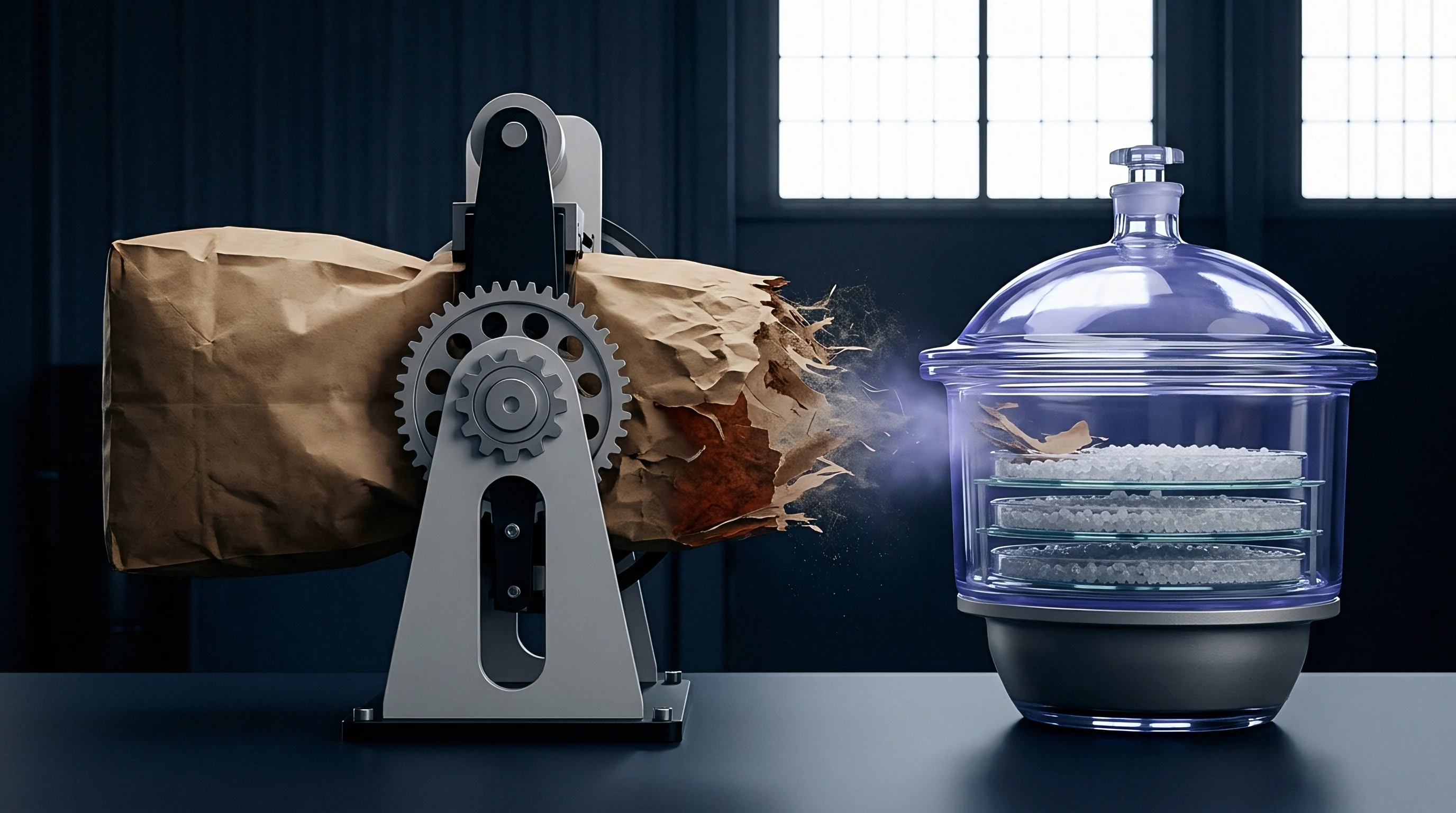
Direct thermal desorption from dry paperboard substrates frequently produces incomplete release of multifunctional acrylates trapped within dense crosslinked networks. High-density acrylic polymer networks formed during high-speed ultraviolet curing encapsulate residual unreacted monomers behind strong steric barriers. Solid sample static headspace extraction without a matrix modifier relies entirely on solid-to-gas diffusion, yielding poor extraction kinetics for high molecular weight compounds like dipentaerythritol hexaacrylate.
Adding a high-boiling polar organic solvent dissolves or swells the cured polymer film, releasing entrapped monomer molecules into solution where they transfer freely into the gas phase.
Solvent purity alters background. Polarity dictates extraction speed. Select matrix modifiers must display high thermal stability and zero chromatographic interference across the retention time windows of interest.
Dimethylformamide, dimethyl sulfoxide, and N,N-dimethylacetamide serve as primary dissolution media due to their exceptional solvency for acrylic polymers and high boiling points above one hundred fifty degrees Celsius.

Solvent Selection and Swelling Efficiency
High-boiling organic polar liquids expand the crosslinked acrylic polymer lattice without degrading the capillary stationary phase upon vapor injection. Dimethylformamide penetrates the cured varnish layer, causing the three-dimensional acrylic matrix to swell rapidly. This swelling phenomenon lowers the activation energy required for residual monomers to diffuse out of the solid phase.
The solvent matrix also shifts the thermodynamic partition coefficient in favor of the gas phase for polar acrylate species.
| Solvent Name | Boiling Point (°C) | Swelling Index | Capillary Bleed Risk | Maximum Heating Temperature (°C) |
|---|---|---|---|---|
| Dimethylformamide (DMF) | 153 | High | Low | 110 |
| Dimethyl Sulfoxide (DMSO) | 189 | Moderate | Low | 120 |
| N,N-Dimethylacetamide (DMAc) | 165 | High | Very Low | 115 |
| Water (Matrix Modified with Salt) | 100 | Zero | None | 85 |
Water-based matrix modifications using inorganic salts such as sodium sulfate or ammonium sulfate increase the ionic strength of the liquid phase. This salting-out technique forces polar acrylate monomers out of the aqueous phase and into the overhead vapor space. Pure water without dissolved salts fails to swell hydrophobic acrylic coatings, resulting in under-reporting of residual monomer content by up to seventy percent compared to organic solvent swelling methods.
A sample mass of 100 milligrams fully immersed in 2 milliliters of dimethylformamide achieves extraction equilibrium within 45 minutes at 90 degrees Celsius.
Phase Ratio Manipulation
Decreasing the liquid sample volume inside the heated vessel increases the phase ratio, directly affecting detector signal output. The mathematical relationship governing headspace concentration demonstrates that for compounds with small partition coefficients, changing the phase ratio alters analytical sensitivity dramatically. When analyzing low-boiling monofunctional acrylates like ethyl acrylate or butyl acrylate, minimizing the solvent volume yields maximum peak heights in the chromatogram.
Excessive solvent volumes reduce the available gas volume, generating hazardous pressure spikes during thermal equilibration. Laboratory protocols limit liquid matrix volume to two milliliters within a standard twenty-milliliter containment vessel, preserving an eighteen-milliliter gas volume for safe vapor expansion.
When selecting a dissolution solvent for UV-cured acrylic coatings, a solvent that fully swells the cured polymer matrix without degrading the capillary column stationary phase provides the most reproducible monomer extraction.
Column
High-resolution capillary separation channels coated with polar stationary phases resolve complex acrylate mixtures from volatile printing ink solvents. Free acrylic acid and its monomeric esters contain active carbonyl and hydroxyl functional groups capable of forming strong hydrogen bonds with silanol sites on inner capillary tube walls. Unmodified non-polar fused silica surfaces cause severe peak tailing, retention drift, and irreversible monomer adsorption.
Selecting proper stationary phase chemistry and column dimensions guarantees sharp symmetrical peaks essential for accurate quantitative integration.
Peak symmetry degrades quickly. The carrier gas flows. Polarity dictates retention time.
Polyethylene glycol stationary phases, commonly designated as WAX phases, provide superior selectivity for polar acrylate compounds. The ether linkages along the polyethylene glycol backbone interact with the polar acrylate ester groups, delaying their elution and separating individual monomers based on chemical structure, double-bond density, and molecular mass.

Stationary Phase Selection for Polar Acrylates
Polyethylene glycol capillary coatings offer strong dipolar interaction with carboxyl and ester functional groups present in acrylic acid derivatives. Non-polar methylpolysiloxane columns separate compounds primarily by boiling point, causing low-boiling acrylic acid to co-elute with common converting solvents like ethyl acetate or ethanol. High-polarity polyethylene glycol columns retard acrylic acid elution, moving it past solvent fronts into clear baseline regions of the chromatogram.
| Monomer Name | CAS Number | Polar WAX Retention (min) | Non-Polar 5-MS Retention (min) | Quantification Ion (m/z) |
|---|---|---|---|---|
| Acrylic Acid | 79-10-7 | 6.42 | 2.15 | 72 |
| 1,6-Hexanediol Diacrylate (HDDA) | 13048-33-4 | 14.85 | 11.30 | 55 |
| Tripropylene Glycol Diacrylate (TPGDA) | 42978-66-5 | 18.20 | 15.40 | 119 |
| Trimethylolpropane Triacrylate (TMPTA) | 15625-89-5 | 22.10 | 19.85 | 55 |
| Isobornyl Acrylate (IBOA) | 5888-33-5 | 11.15 | 10.05 | 95 |
Column dimensions directly influence separation efficiency and carrier gas linear velocity. Capillary channels featuring an internal diameter of 0.25 millimeters and a stationary phase film thickness of 0.25 micrometers deliver optimal theoretical plate counts for volatile monomer analysis. Thicker films measuring 0.50 micrometers increase retention for low-boiling species but require extended bake-out cycles at high temperatures to clear heavy oligomeric residues.
European Standard EN 13628-2 stipulates that analytical dossiers for food-contact materials include baseline resolution values above 1.5 for all target acrylate peaks.

Thermal Ramp Profiles and Peak Symmetry
Multi-stage oven temperature programming accelerates the elution of heavy polyfunctional acrylates while resolving volatile light fractions. A typical temperature program begins with an initial hold at forty degrees Celsius for two minutes to focus volatile compounds at the head of the capillary channel. The oven then ramps at ten degrees Celsius per minute to two hundred thirty degrees Celsius, holding for ten minutes to clear high-boiling residues from the system.
Systematic troubleshooting resolves baseline drift and asymmetrical peak shape across extended testing sequences:
- Inlet Liner Deactivation installing wool-packed split liners deactivated with dimethylchlorosilane prevents thermal breakdown of sensitive acrylate esters inside the hot injection zone.
- Split Ratio Optimization adjusting split flow rates between 10:1 and 20:1 prevents capillary column overload and maintains gaussian peak symmetry.
- Carrier Gas Purity delivering 99.999 percent pure helium or hydrogen through oxygen and moisture traps prevents oxidative degradation of the polar stationary phase.
- Column Cut Routine trimming thirty centimeters from the inlet side of the capillary tubing removes accumulated non-volatile varnish residues that cause peak tailing.
European Standard EN 13628-2 stipulates that residual monomer determinations on food-contact flexible packaging incorporate stationary phase thermal stability limits and injection port bleed thresholds before analytical results enter the compliance dossier.
Detector
Quantitative measurement relies on flame ionization output proportional to carbon mass or mass spectrometric fragment identification. Flame Ionization Detection offers exceptional linear response over six orders of magnitude, making it ideal for routine quality control on cured print samples. Mass Spectrometry operating in Selected Ion Monitoring mode provides unambiguous compound identification and ultra-trace detection limits below ten parts per billion, necessary when verifying compliance with stringent packaging migration caps.
Thermal cleavage yields interference. The baseline remains stable. Quantitation demands high selectivity.
Cured overprint varnishes contain photoinitiators, amine synergists, defoamers, and wetting agents that decompose under thermal stress. The resulting volatile degradation products elute alongside target acrylate monomers, producing false positive signals on non-selective flame ionization detectors.
How Do Photoinitiator Degradation Products Interfere with Monomer Quantitation?
Thermal decomposition during the headspace heating cycle produces volatile aromatic fragments that elute within the retention window of acrylic acid and monofunctional esters. Popular photoinitiators like 1-hydroxycyclohexyl phenyl ketone and 2-hydroxy-2-methyl-1-phenyl-propan-1-one undergo norrish type cleavage when exposed to elevated temperatures. The resulting benzaldehyde, cyclohexanone, and benzene derivatives generate detector response peaks that overlap directly with hexanediol diacrylate and isobornyl acrylate signals.
Mass spectrometric detection resolves these co-eluting interferences by monitoring distinct mass-to-charge fragments unique to the acrylate double bond structure. The fragment ion at m/z 55, corresponding to the acryloyl cation, serves as a primary quantifier ion for unsubstituted acrylates. Monitoring specific qualifier ions such as m/z 85 or m/z 95 confirms compound identity even when matrix breakdown products co-elute on the chromatographic column.
Using selective ion monitoring mode eliminates background spectral interference generated by residual photoinitiator decomposition products.

Mass Spectrometry and Flame Ionization Modes
Selected ion monitoring isolates specific mass-to-charge ratios belonging uniquely to acrylate ester fragmentation pathways. While full-scan mass spectrometry records all ions across a spectrum from m/z 35 to m/z 350, selected ion monitoring dwells exclusively on three or four characteristic target ions per compound. This targeted focus increases signal-to-noise ratios by two orders of magnitude compared to full-scan acquisition modes.
Flame ionization quantitation requires accurate empirical response factors calibrated against internal standards. Deuterated internal standards or structurally similar esters like methyl benzoate account for volume variations during automatic headspace sampling injections. Calculating relative response factors for each acrylate compound corrects for differences in carbon ion yield inside the hydrogen-air flame.
Whether low-molecular-weight fragments generated by electron-impact ionization of photoinitiators can be cleanly resolved from trace monofunctional acrylate peaks without tandem mass spectrometry remains actively disputed across analytical laboratories.

Compliance
Regulatory limits governing food-contact paperboard packaging enforce strict specific migration caps on unreacted monomeric species. Uncured acrylates present in overprint varnishes migrate through paperboard fibers or transfer via set-off onto the food-contact surface during reel storage. European Regulation 10/2011 and the Swiss Ordinance on Materials and Articles define legally binding Specific Migration Limits for individual acrylate monomers used in packaging inks and varnishes.
The line stops immediately. Reel acceptance demands proof. Curing speed governs conversion.
Converting operations running high-speed lamination and cartoning lines must confirm residual monomer levels before releasing printed inventory to food packaging customers. A failure to detect residual monomers leads to off-odor complaints, chemical contamination, costly product recalls, and severe brand damage.
Specific Migration Thresholds in Packaging Films
European food safety regulations classify residual acrylate monomers as potential migrants capable of passing through paperboard fiber networks into food contact media. The specific migration limit represents the maximum allowable amount of a substance that can transfer from finished packaging into food. Multifunctional acrylates carry extremely low specific migration limits due to their skin sensitization potential and chemical reactivity.
| Monomer Name | Abbreviation | CAS Number | Specific Migration Limit (mg/kg) | Swiss Ordinance Status |
|---|---|---|---|---|
| Trimethylolpropane Triacrylate | TMPTA | 15625-89-5 | 0.05 | Part A Listed |
| 1,6-Hexanediol Diacrylate | HDDA | 13048-33-4 | 0.05 | Part A Listed |
| Tripropylene Glycol Diacrylate | TPGDA | 42978-66-5 | 0.05 | Part A Listed |
| Dipentaerythritol Hexaacrylate | DPHA | 60506-81-2 | 0.05 | Part B Listed |
| Acrylic Acid | AA | 79-10-7 | 6.00 | Part A Listed |
Swiss Ordinance SR 817.023.21 divides permitted packaging ink substances into Part A evaluate components and Part B non-evaluated substances. Non-evaluated monomers listed in Part B carry a default non-detectable migration limit set at 0.01 milligrams per kilogram of food simulant. Verification via static headspace gas chromatography confirms whether total residual monomer levels in cured films fall safely below these analytical thresholds.
Converting plants running high-speed UV lines require certified residual monomer levels below 0.1 milligrams per square meter to pass commercial quality release gates.

Analytical Lot Release Sequence
Quality control procedures on the converting floor require immediate analytical clearance before printed reels transfer to slitting and pouch making. The following sequential testing workflow governs analytical lot approval for high-risk food contact packaging materials:
- Sampling team pulls three full-width web retain samples immediately following UV curing lamp exposure.
- Lab technician cuts exactly one hundred square centimeters of printed substrate into test strips.
- Strips enter a twenty-milliliter headspace vial containing two milliliters of dimethylformamide solution.
- Automated static headspace sampler incubates the vessel at ninety degrees Celsius for forty-five minutes.
- Gas chromatograph injects gas phase aliquot onto a polyethylene glycol capillary column.
- Mass spectrometer in selected ion monitoring mode quantifies residual monomer concentrations against calibrated curves.
- Quality control manager compares calculated residual mass against specific migration threshold caps.
- Material release authorization posts to the enterprise resource planning system upon verified compliance.
Failing to verify unreacted acrylate levels below regulatory migration thresholds prior to reel converting exposes the packager to immediate batch recall, product destruction costs, and severe regulatory fines under food-contact safety compliance mandates.