Predicting Set off Migration in Stacked Packaging Board
Set-off migration prediction requires calculating pressure-dependent contact areas and temperature-driven diffusion rates across stacked cartonboard sheets.
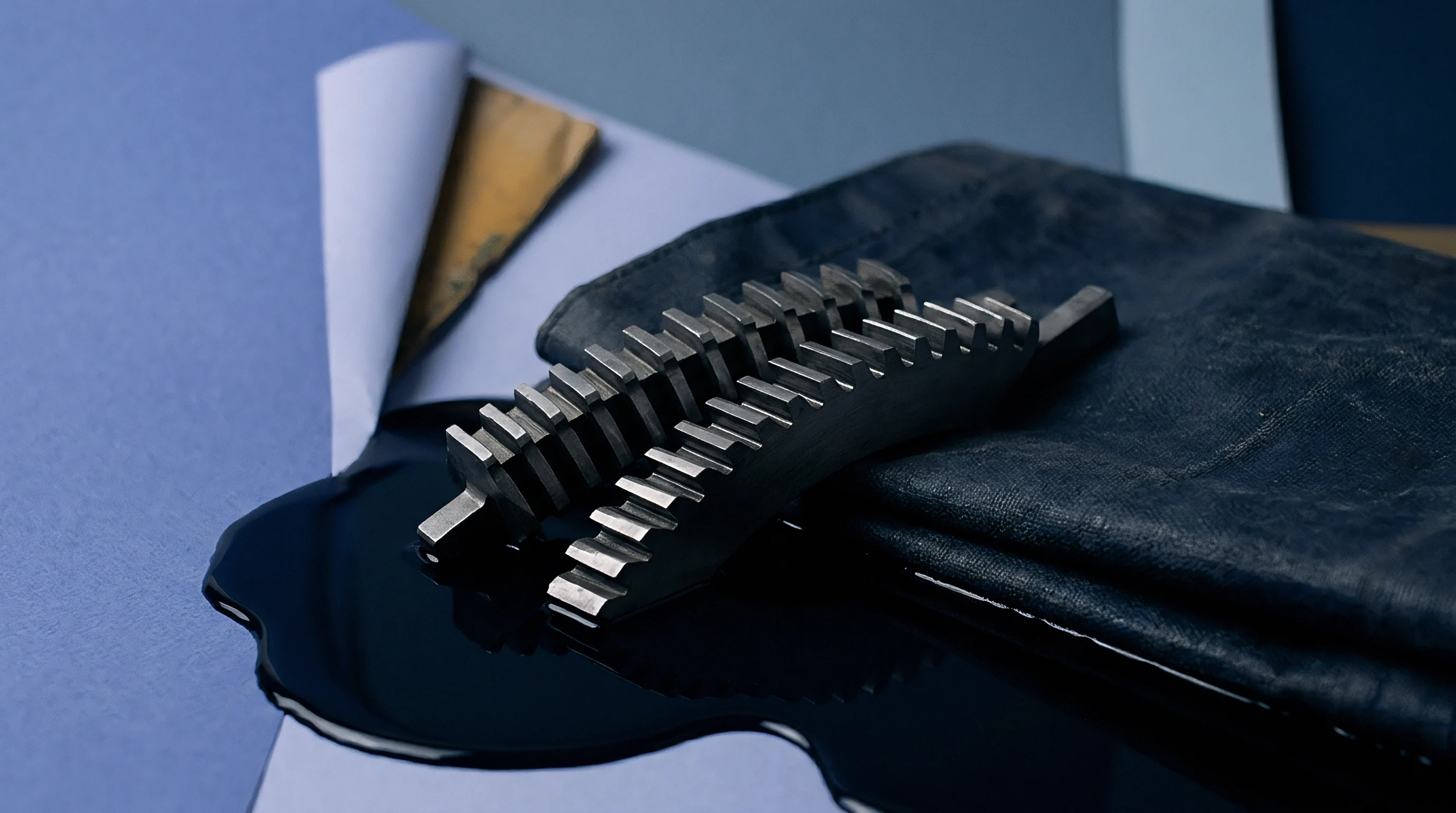

Physics
Ink films trapped against virgin fiber inside a tight delivery pile behave according to contact mechanics and thermodynamic equilibrium. In sheet-fed offset and gravure converting lines, printed cartonboard sheets collect on pallets under pressures reaching 20 to 50 kilopascals at the pallet base. The printed ink layer rests directly against the unprinted reverse side of the adjacent sheet.
Set-off occurs across this forced boundary. The phenomenon divides into two distinct physical regimes: physical ink transfer during the initial stacking phase, and volatile compound partitioning through vapor sorption over hours or weeks of storage.
Physical transfer dominates while the ink vehicle retains low viscosity before complete crosslinking or oxidative setting. Pressure forces wet vehicle components, low-molecular-weight resins, and free photoinitiator fragments into the open pore network of the adjacent board reverse. Capillary uptake governs this fluid motion.
The Washburn equation models the penetration depth of the fluid into the porous cellulose substrate:
L = ((r gamma cos(theta) t) / (2 eta))^(1/2)
Here, L represents the liquid penetration distance, r defines the effective pore radius of the board fibers, gamma denotes the ink liquid surface tension, theta is the dynamic contact angle, t indicates contact time under pressure, and eta is dynamic viscosity. As the varnish sets or radiation crosslinking completes, viscosity escalates exponentially, halting physical liquid displacement. When offset spray powder fails to maintain an air gap, or UV lamps deliver insufficient dose, liquid phase transfer completes before the stack cools.
Stack pressure at pallet bottoms forces ink vehicle liquids directly into the open fiber capillary network.
Gas-phase partitioning begins once physical displacement ceases. Volatile organic compounds and unreacted monomers possess measurable vapor pressures at pallet temperatures between 20 and 45 degrees Celsius. These molecules desorb from the ink film, traverse the microscopic air gaps between sheet roughness asperities, and adsorb onto the cellulose fibers, mineral coatings, or sizing agents on the reverse side.
The equilibrium distribution follows the partition coefficient K, defined as the ratio of migrant concentration in the donor printed layer to the concentration inside the recipient board matrix at chemical equilibrium. Because a pallet functions as a closed thermodynamic system, equilibrium conditions establish over extended transit or storage cycles.
The primary ink components driving set-off migration fall into predictable molecular weight brackets. Photoinitiators from UV-curable systems, including 2-hydroxy-2-methylpropiophenone and 1-hydroxycyclohexyl phenyl ketone, have molecular weights below 300 Daltons. These species migrate rapidly.
Mineral oil saturated hydrocarbons (MOSH) and mineral oil aromatic hydrocarbons (MOAH) present in conventional paste inks contain aliphatic and alkylated aromatic chains spanning C10 to C35. Plasticizers, including diisononyl phthalate and acetyl tributyl citrate, exhibit slow, continuous partitioning governed by plasticizer vapor pressures and board sorption isotherms. Thinner ink films dry faster, reducing contact-phase migration risk, yet gas-phase partitioning persists as long as volatile migrants remain unreacted within the dry film network.
Failure to predict these contact transfer phenomena leads to batch rejections when finished food cartons exhibit non-compliant migration limits during regulatory extraction testing.


Kinetics
Predicting migration over holding periods requires solving mass transfer equations for transient diffusion across two touching, heterogeneous solid slabs. Fick’s second law describes the concentration gradient profile of a migrant compound across the thickness of the printed layer and the receiving board substrate:
dC/dt = D (d^2C / dx^2)
The variable C represents migrant concentration, t is elapsed time, x defines the spatial coordinate through the sheet thickness, and D denotes the diffusion coefficient of the migrant in the respective material phase. The diffusion coefficient varies drastically between the crosslinked polymer matrix of an ink or overprint varnish and the porous fibrous network of solid bleached sulfate (SBS) or folding boxboard (FBB).

Diffusion Parameter Estimation
Piringer developed semi-empirical relationships to estimate diffusion coefficients of packaging migrants within functional polymers. Applying these models to overprint varnishes and barrier coatings yields the formulation:
D = D_0 exp(A_p – alpha M_r^(2/3))
In this relationship, D_0 is a reference diffusion factor, A_p characterizes polymer chain mobility, M_r represents the migrant relative molecular mass, and alpha correlates with absolute temperature through activation energy constraints. For water-based dispersion varnishes, A_p typically ranges from 0 to 2, indicating modest resistance to small molecule migration. Solvent-based and UV-cured matrices exhibit lower A_p values between minus 2 and zero when properly crosslinked, slowing migrant transport by orders of magnitude.
| Migrant Compound | Molecular Mass (Da) | Varnish Matrix D (m2/s) | Cellulose Board D (m2/s) | Partition Factor K |
|---|---|---|---|---|
| 4-Methylbenzophenone | 196.25 | 3.8 x 10^-17 | 1.2 x 10^-13 | 0.45 |
| Tripropylene glycol diacrylate | 300.35 | 8.5 x 10^-18 | 4.1 x 10^-14 | 0.62 |
| Diphenyl-2,4,6-trimethylbenzoylphosphinoxid | 348.37 | 2.1 x 10^-18 | 1.8 x 10^-14 | 0.78 |
| Bis(2-ethylhexyl) adipate | 370.57 | 1.1 x 10^-18 | 9.5 x 10^-15 | 1.15 |
| Mineral Oil C16-C20 (MOSH) | 226 – 282 | 5.4 x 10^-17 | 8.7 x 10^-13 | 0.31 |
Board fibrous networks do not behave as homogeneous solid polymers. Transport through cartonboard combines Fickian solid-state diffusion through individual cellulose fibrils with rapid Knudsen diffusion and viscous flow through the air-filled pore volume. Porosity, tortuosity, and internal sizing dictate migrant capture rates.
High internal sizing using alkyl ketene dimer (AKD) imparts hydrophobicity, increasing the partition coefficient for non-polar migrants like mineral oil fractions, which causes the board to strip volatile hydrocarbons out of ink films faster than unsized papers.
Mathematical modeling tools, including finite element methods (FEM) and analytical solutions based on Crank equations for plane sheets in contact, permit virtual simulation of stack storage. Numerical integration models concentration profiles across the sheet boundary over intervals up to 180 days. A dry UV varnish layer measuring 1.5 micrometers, when pressed against a 350 micrometer folding boxboard layer at 30 kilopascals, reaches 80 percent of its equilibrium migrant transfer value within 72 hours under warm pressroom environments.
Crank solutions for contact diffusion reveal eighty percent equilibrium transfer within seventy-two hours of pallet rest.
Mathematical models provide conservative upper-bound figures, but predictive accuracy fails when coating micro-cracks open under rule scoring or when ink polymerization achieves less than ninety percent monomer conversion across the run.


Stack
Pallet dynamics convert theoretical diffusion equations into physical defect distributions across commercial production runs. A pallet loaded with 15,000 sheets of 300 gram per square meter folding boxboard produces extreme pressure and temperature differentials. Mechanical loads vary directly with vertical position in the pile.
Hydrostatic pile pressures escalate toward the skid deck. A sheet positioned ten centimeters above the wooden pallet deck experiences continuous compression between 25 and 45 kilopascals, depending on board caliper and moisture content. The top five hundred sheets sit under less than 3 kilopascals.
This pressure disparity alters the true interfacial contact area between the ink layer and the board reverse. Paper surfaces possess microscopic roughness profiles described by ISO 8791-4 Parker Print-Surf values, typically between 1.2 and 3.5 micrometers for coated cartonboard.

Mechanical Contact Expansion
Under low pressure, real contact occurs strictly at isolated surface asperities, restricting physical and vapor migration pathways to tiny contact junctions. As stack weight increases, paper fibers and mineral pigments deform elastically and plastically. The true microscopic contact area expands from roughly 5 percent of nominal sheet surface at the pile summit to over 40 percent near the pallet base.
This eightfold expansion of effective interfacial area multiplies the rate of direct compound migration. Testing top sheets from an incoming pallet never reflects base conditions.
- Stack Weight Compression generates 35 kilopascals of static load, flattening surface asperities and increasing true boundary contact area.
- Thermal Retention Traps residual heat up to 42 degrees Celsius in the pile core for 48 hours following delivery.
- Vapor Equilibrium Drives volatile organic molecules outward from donor inks into recipient cellulose voids.
- Mechanical Shear Forces during pallet transit rupture delicate overprint varnish films, exposing uncured sub-layers to adjacent fibers.
Pile thermodynamics compound the pressure effect. Sheet-fed presses with infrared drying units or UV curing lamps deposit heat directly into each sheet. Stacked cartonboard acts as an effective thermal insulator with thermal conductivities around 0.12 Watts per meter-Kelvin.
The core of a dense paperboard stack retains temperatures between 35 and 45 degrees Celsius for two to five days after printing. Arrhenius kinetics govern migrant diffusion through varnishes and inks:
D(T) = D_ref exp((-E_a / R) ((1 / T) – (1 / T_ref)))
With typical activation energies (E_a) between 40 and 80 kilojoules per mole for photoinitiators and plasticizers, a core temperature elevation from 20 to 40 degrees Celsius accelerates diffusion rates by factors between 3 and 8. The bottom-center zone of a pallet represents the critical migration failure zone, combining maximum contact pressure with extended thermal exposure.
Printers frequently state that stacks cooled to room temperature on the floor within three hours of leaving the delivery pile, yet internal thermal logging probes consistently contradict this claim.


Coatings
Barrier coatings, mineral pre-coats, and overprint varnishes control the migrant exchange rate across the board boundary. Aqueous acrylic dispersions applied via anilox coater units represent the primary defense mechanism against ink offset and migrant vapor transfer on standard packaging lines. The chemical composition of the coating determines its physical barrier integrity.
Water-based barrier varnishes rely on styrene-acrylic emulsion polymers blended with wax emulsions and crosslinking agents. When applied at wet coat weights between 3 and 6 grams per square meter, they yield dry film thicknesses between 1.2 and 2.5 micrometers. These films seal surface pores and reduce the board roughness, minimizing the penetration depth of liquid ink vehicles.
The glass transition temperature (Tg) of the emulsion polymer dictates blocking and barrier traits. Emulsions formulated with low Tg values (below 5 degrees Celsius) form flexible, continuous films at press speeds exceeding 12,000 sheets per hour. These polymers remain soft under pallet pressure, allowing small organic molecules to dissolve and diffuse across the film via classic rubbery polymer transport mechanisms.
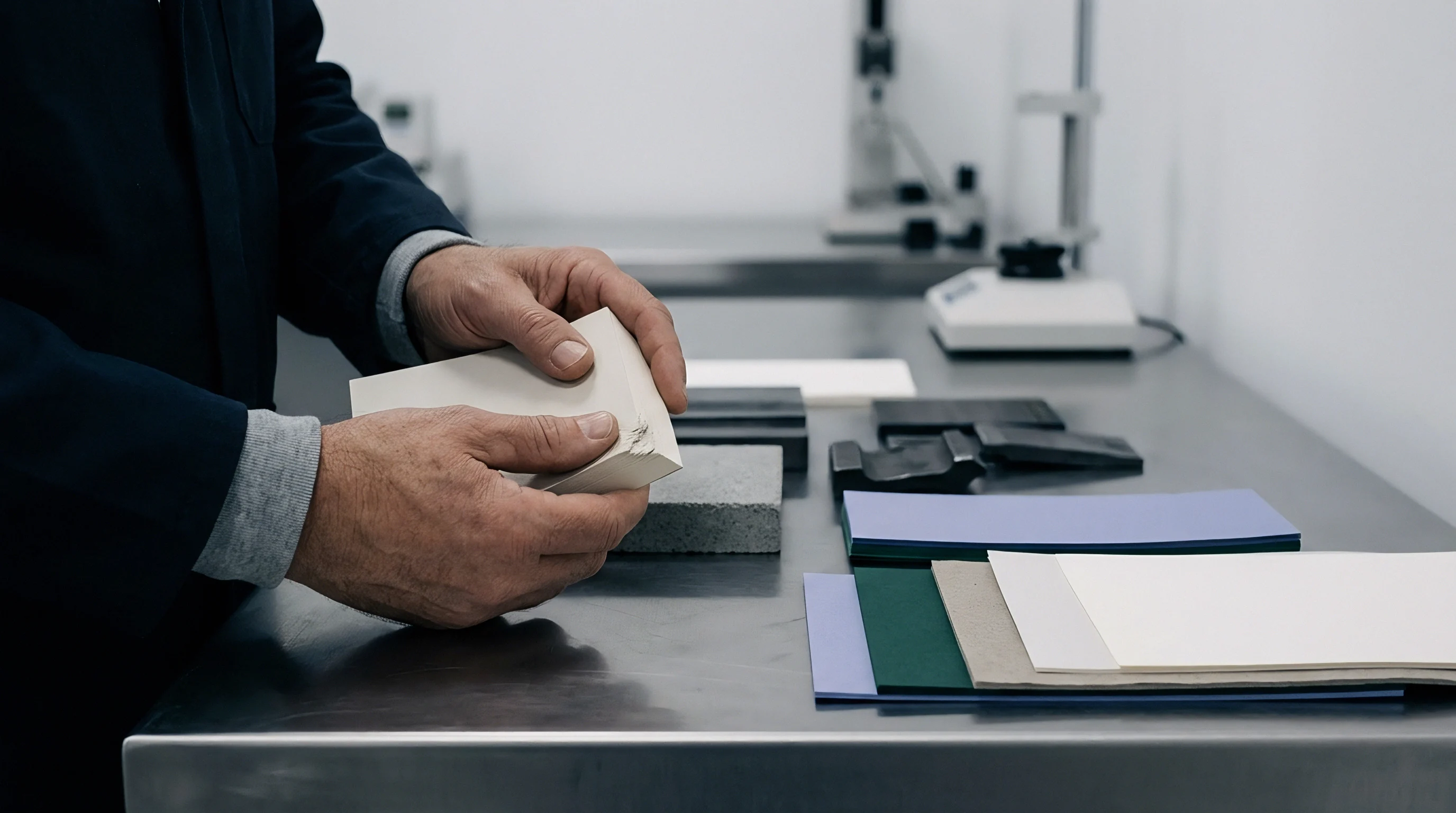
Polymer Film Structure
High Tg polymers (above 35 degrees Celsius) form rigid glassy networks that resist migrant sorption. These hard formulations require film-forming aids or coalescing solvents that slowly evaporate during hot-air drying. Residual coalescing agents can themselves act as volatile migrants, complicating mass spectrometry profiles during compliance testing.
Formulations blending high-Tg hard phases with flexible core-shell particle architectures balance press flexibility against migrant barrier resistance.
| Coating System | Dry Weight (g/m2) | Film Polymer Chemistry | Pin-Hole Density (ct/dm2) | MOSH Reduction (%) |
|---|---|---|---|---|
| Standard Acrylic Emulsion | 1.8 | Styrene-Acrylate (Tg 12 C) | 14 | 38 % |
| High-Density Barrier Varnish | 4.2 | Crosslinked Acrylic (Tg 42 C) | 2 | 84 % |
| Bio-Based Aqueous Polymer | 3.5 | Modified Starch / PLA blend | 9 | 62 % |
| Extrusion Coating (PE) | 15.0 | Low-Density Polyethylene | 0 | 22 % |
| Waterborne PVOH Dispersion | 3.0 | Polyvinyl Alcohol (Saponified) | 0 | 96 % |
Polyvinyl alcohol (PVOH) formulations deliver exceptional resistance against non-polar migrants like MOSH, MOAH, and offset ink photoinitiators. Pure PVOH displays a crystalline morphology through which hydrocarbon molecules cannot pass. Humidity degrades this barrier performance.
At ambient relative humidities above 70 percent, moisture plasticizes the hydrophilic PVOH chains, expanding free volume and accelerating migrant diffusion rates. Low-density polyethylene (LDPE) extrusion coatings provide an absolute barrier against liquid water, yet allow rapid passage of non-polar mineral oils and photoinitiators, which dissolve directly into the non-polar polyethylene matrix.
Polyvinyl alcohol layers stop non-polar hydrocarbons completely until ambient humidity levels exceed seventy percent.
Substrate selection shifts these barrier dynamics. Solid Bleached Sulfate (SBS) boards feature smooth, clay-coated top surfaces over pure chemical pulp. Their uniform pore structure provides stable support for thin barrier coatings.
Folding Boxboard (FBB) pairs chemical pulp skins with mechanical pulp centers, creating thicker bulk with variable compressibility. White Lined Chipboard (WLC) incorporates recycled newsprint fibers laden with residual inks, diisopropylnaphthalenes, and plasticizers. When stacking WLC, the board substrate acts as an active migrant donor rather than a passive recipient, sending internal fiber contaminants into adjacent sheets regardless of top-side ink curing.
The buyer writes an explicit gas-phase pinhole density threshold into the technical supply agreement to prevent porous coating lots from reaching the packaging facility.


Testing
Verification protocols must separate ink components transferred via mechanical contact set-off from compounds that migrate through vapor phase desorptions during storage. European standard EN 14338 establishes the baseline procedure for evaluating migration from paper and board using modified polyphenylene oxide (MPPO, commercially designated as Tenax) as a solid food simulant. Applying Tenax to stacked cartonboard samples requires careful adaptation to mimic real pallet pressure and temperature variables.

Simulated Contact Extraction
Standard migration testing cells place the food simulant on the food-contact side of the board without applying vertical load. This practice underestimates set-off migration generated under pallet pressure. A compliant test design incorporates mechanical clamping frames that exert calibrated loads from 20 to 50 kilopascals across the sample stack during thermal incubation.
The test assembly sandwiches the printed surface against the reverse face of an identical board sample, placing the Tenax simulant behind the reverse surface to evaluate total migration breakthrough.
Incubation conditions rely on accelerated testing protocols. Storage under 40 degrees Celsius for 10 days simulates ambient long-term storage exceeding six months according to European Commission Regulation 10/2011 conventions. Testing at 60 degrees Celsius for 10 days tests accelerated shelf lives, but risks melting low-melting wax components in inks, generating unrepresentative migration pathways.
Stack testing must be conducted at or below 40 degrees Celsius to maintain natural polymer phase morphology.
Gas chromatography paired with mass spectrometry (GC-MS) or flame ionization detection (GC-FID) serves as the primary analytical tool for quantifying transferred species. Extracting the unprinted board reverse after stack incubation isolates set-off migrants. Quantification involves solvent extraction using high-purity ethanol or acetone, followed by clean-up steps to remove native wood extractives, terpenes, and fatty acids that naturally occur in mechanical pulps.
Testing labs calculate overall set-off migration levels and screen for specific target migrants against legal thresholds:
- Photoinitiator Residues are quantified to a limit of 0.01 milligrams per kilogram for unlisted compounds, confirming complete UV polymerization.
- Primary Aromatic Amines derived from azo pigments require non-detectable status under a limit of detection of 0.002 milligrams per kilogram of food.
- Mineral Oil Hydrocarbons undergo coupled LC-GC-FID analysis, separating saturated hydrocarbons (MOSH) from aromatic fractions (MOAH) with chain lengths up to C35.
- Acrylate Monomer Residues such as TMPTA and HDDA undergo rapid screening to ensure stack levels remain below five parts per billion.
The analytical challenge centers on background subtraction. Virgin wood pulps naturally release pinene, camphene, and phytosterols during solvent extraction. Distinguishing these native compounds from ink-derived volatiles requires high-resolution mass spectral databases and baseline runs on unprinted substrate controls conditioned identically under identical physical stack pressures.
Commission Regulation (EC) No 2023/2006 on good manufacturing practice mandates that manufacturers must control processes so set-off substances do not transfer to the food-contact surface in quantities exceeding legal safety limits.
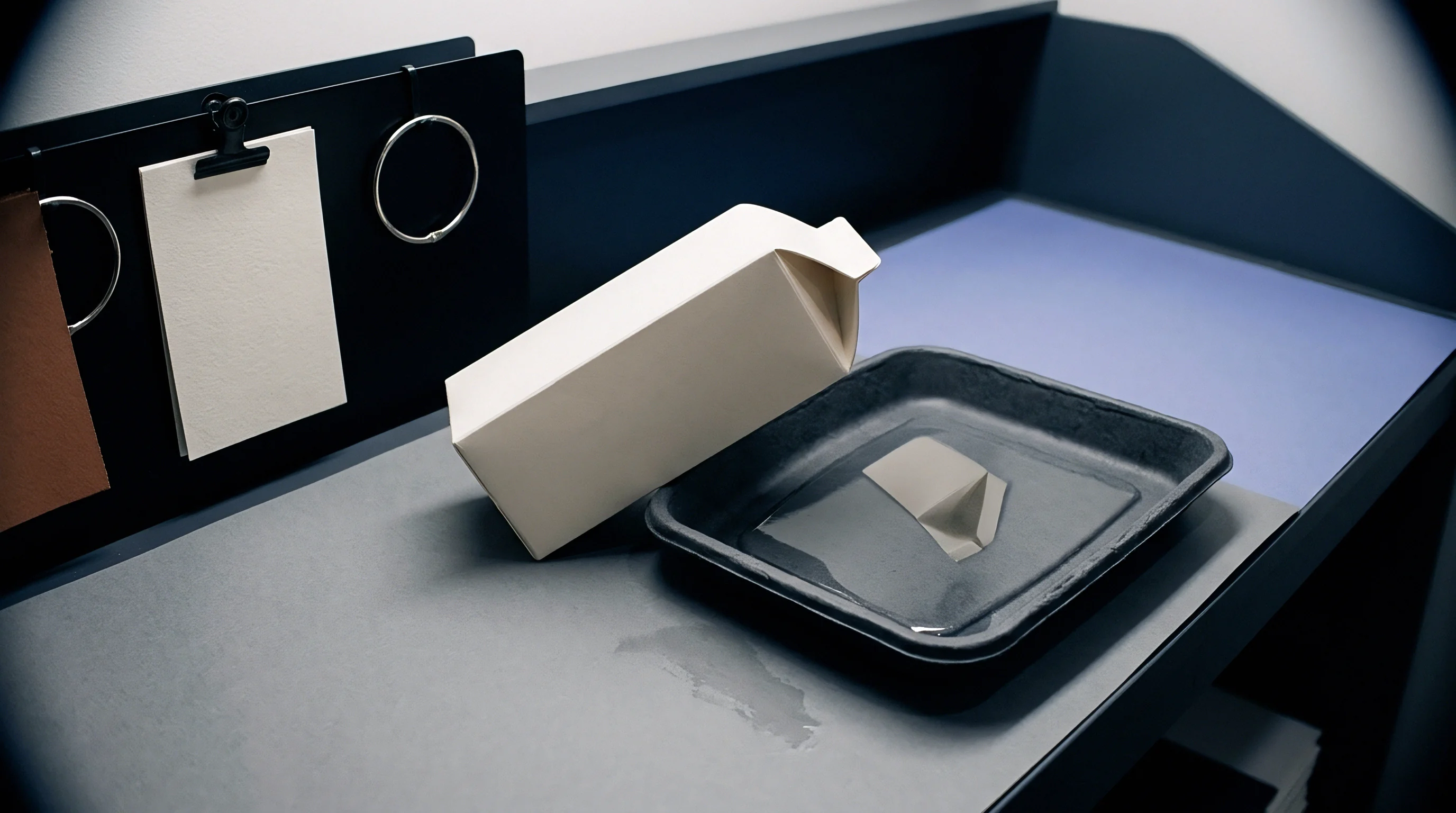
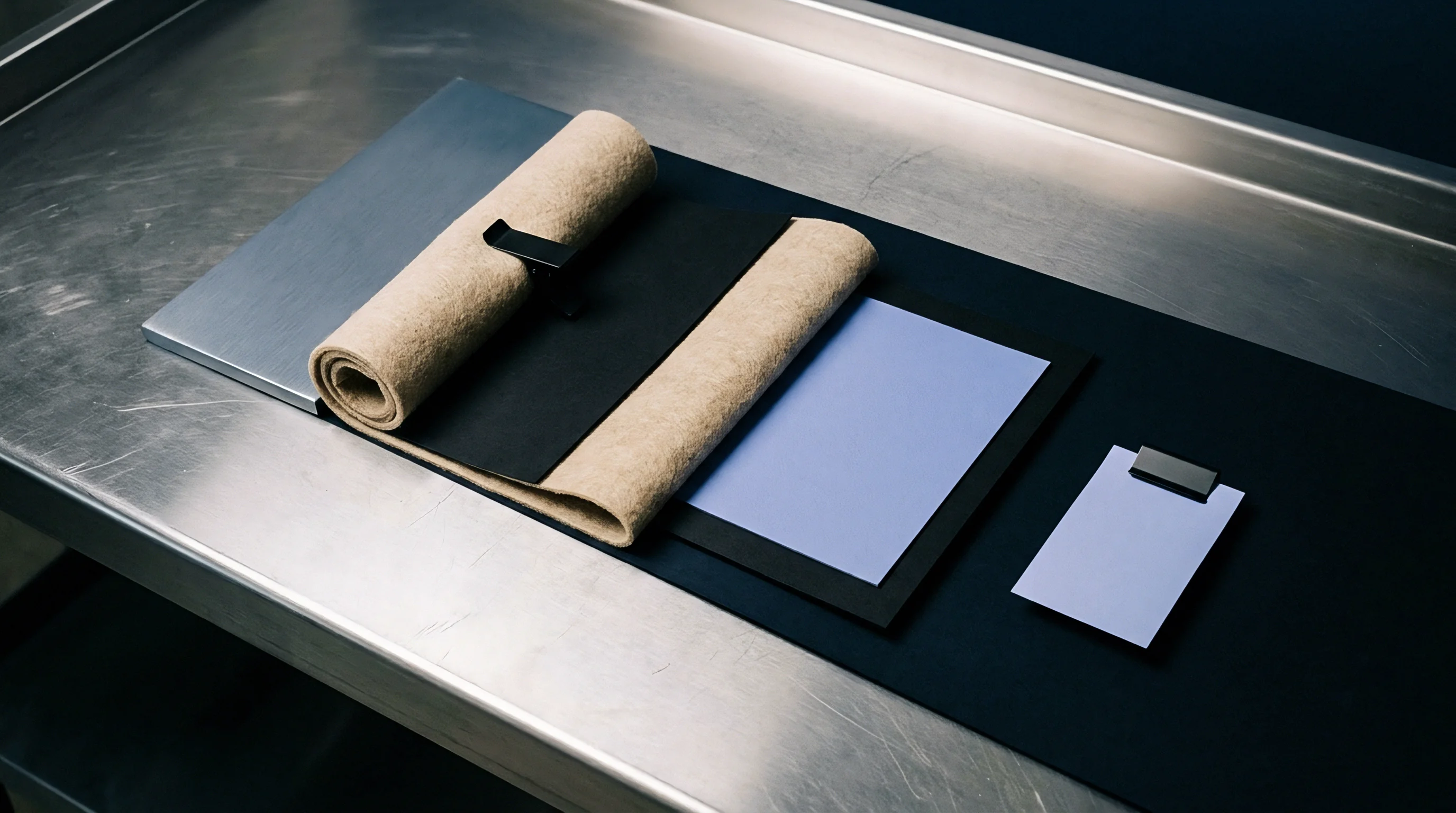
Remedy
Eliminating set-off migration on the production floor demands integrated mechanical, operational, and ink formulation adjustments. When stack pressures and run speeds threaten migration limits, converters implement physical barriers and chemical controls to isolate reactive materials.
Low-migration ink formulations represent the baseline engineering control for sensitive packaging. These systems replace low-molecular-weight photoinitiators with polymeric or multifunctional derivatives. Polymeric photoinitiators possess molecular weights exceeding 1,000 Daltons, lowering their diffusion coefficients in cured films by three to five orders of magnitude.
Their chemical structures integrate reactive acrylate anchors that chemically graft into the developing polymer network during UV or electron-beam exposure. In offset paste inks, mineral oils are completely replaced by vegetable oil fatty acid esters, including soybean or rapeseed methyl esters, which crosslink directly via oxidative polymerization.
Offset Spray Optimization
Physical separation inside the delivery pile relies on calibrated offset powder delivery. Starch-based anti-setoff powders, derived from corn, potato, or wheat, introduce micron-scale spacers between the wet ink surface and the reverse fiber face. Particle sizing must match the board roughness and ink film thickness:
| Board Caliper (microns) | Parker Print-Surf (microns) | Powder Nominal Size (microns) | Application Density (g/m2) | Stack Clearance Air Gap (microns) |
|---|---|---|---|---|
| 200 – 300 | 1.0 – 1.5 | 15 – 20 | 0.08 – 0.12 | 8 – 12 |
| 300 – 450 | 1.5 – 2.5 | 22 – 30 | 0.12 – 0.18 | 14 – 20 |
| 450 – 650 | 2.5 – 3.8 | 32 – 45 | 0.18 – 0.25 | 22 – 32 |
| Recycled WLC (400+) | 3.5 – 5.0 | 45 – 65 | 0.25 – 0.35 | 28 – 40 |
Excessive powder application damages downstream surface finishes, degrading cold-foil adhesion, causing pinholes during overprint varnishing, and creating abrasive wear on stamping dies. Insufficient spray density permits direct fiber contact under stack weight, triggering set-off failures. Electronically controlled electrostatic spray bars synchronize powder dispersion with sheet arrival, maintaining uniform spatial coverage without localized dusting piles.

Operational Stack Management
Process controls during and immediately following the print run limit set-off risks before diffusion equilibria establish. Mechanical aerators and pile turners strip residual process heat and replace solvent-rich stack air with fresh pressroom air. Turning and jogging pallets 90 minutes after printing interrupts early physical bonding between the ink and unprinted fiber interfaces.
Stack height restrictions limit static load on bottom sheets. For high-coverage cartonboard runs, capping pallet height at 800 to 1,000 millimeters prevents core pressures from crossing the 20-kilopascal threshold. Inserting intermediate wooden spacer boards divides heavy pallets into independent mechanical zones.
The trade-off appears directly in plant logistics: intermediate spacer boards reduce pallet packing density by 30 percent, multiplying pallet handling cycles, staging floor footprint, and domestic transport cube costs.
Electron-beam (EB) curing systems circumvent photoinitiator set-off risks. High-energy electron beams break carbon-carbon double bonds directly, achieving monomer conversion levels above 99.5 percent without photoinitiator catalysts. EB curing equipment carries capital costs exceeding 700,000 euros per press line, restricting deployment to high-volume cartonboard specialists.
Conventional UV lines rely instead on calibrated radiometer checks and lamp maintenance schedules, replacing mercury vapor tubes once UV-A and UV-V output drops below 80 percent of original design flux.
The single greatest operational challenge remains verifying that short-run spot-color inks contain the same low-migration photoinitiator chemistries as the process set without pausing press bring-up.