
Finite Element Modeling of Transient Moisture Gradients in Stacked Recycled Cartonboard
Finite element modeling of transient moisture gradients predicts stack edge distortion and guides pre-conditioning timing to prevent press downtime and waste.
Finite element modeling of transient moisture gradients predicts stack edge distortion and guides pre-conditioning timing to prevent press downtime and waste.

Hygral edge waving in recycled paperboard skids results from perimeter moisture absorption driving compressive buckling against a dry, rigid core.

Asymmetric hygroexpansion across recycled boxboard plies induces internal shear stresses and curl, demanding strict moisture control to avoid converting scrap.

Boundary lubricant depletion during high-speed packaging stems from mechanical wiping exceeding diffusion replenishment, demanding non-migratory slip selection.

Thermal gradients across stretch-wrapped pallets drive internal vapor to cold perimeters, causing condensation that cuts box strength by over forty percent.

Accelerated static laboratory migration data underestimates dynamic food contact mass transfer on high-speed filling lines unless corrected for strain cracking and fluid shear.
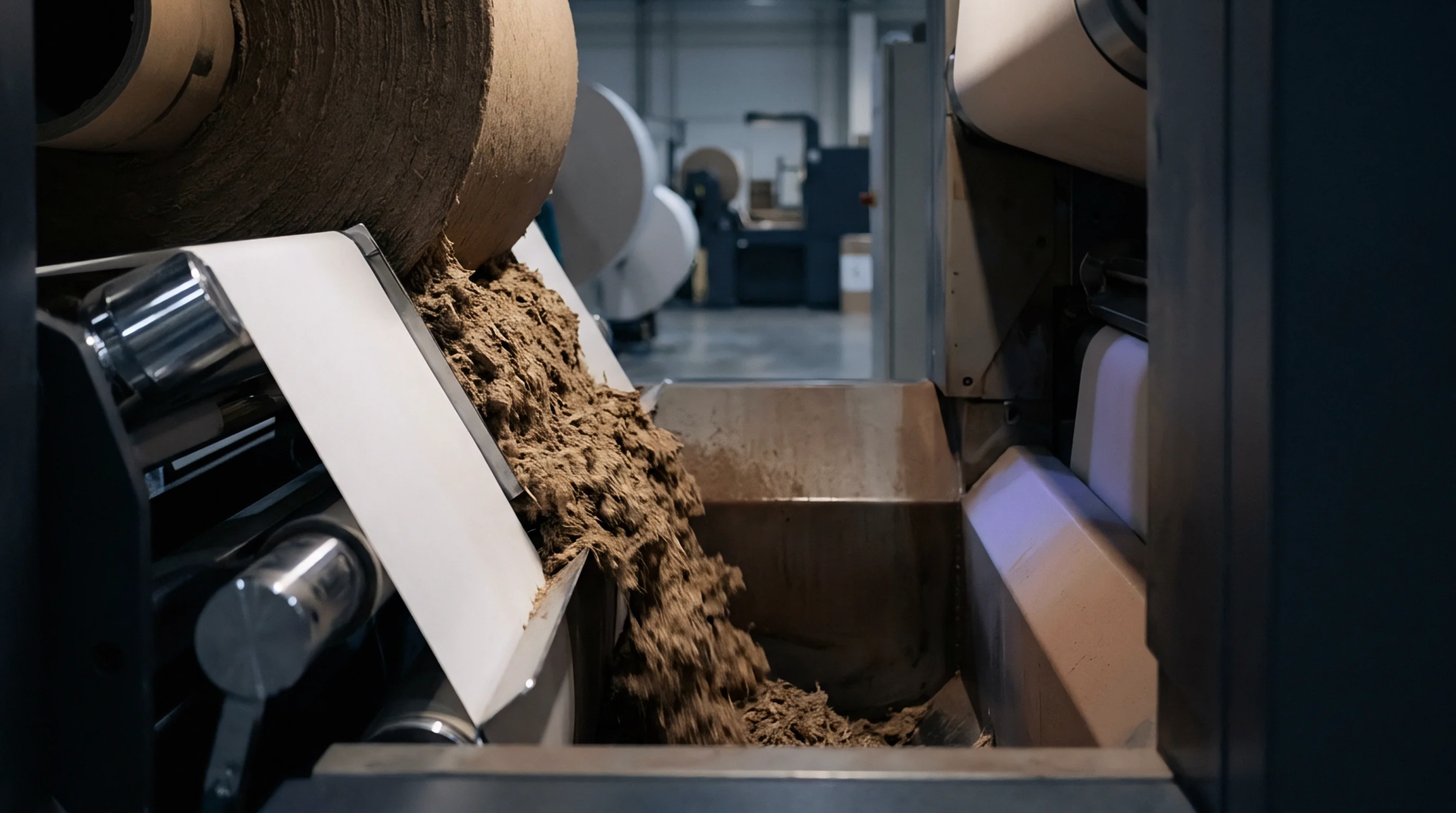
Recycled packaging substrates exhibit non-Fickian moisture uptake and severe hysteresis, reducing compressive strength by over 20 percent under cyclic humidity.

Dynamic tropical moisture cycling accelerates fiber matrix creep deformation through mechano-sorptive coupling across multilayer paperboard plies.

Mathematical diffusion models quantify NIAS transfer through polyolefins, enabling rapid, low-cost compliance validation for flexographic food packaging.

Polyolefin surface treatment decays via polar group reorientation and slip agent bloom, requiring controlled additive specifications and inline bump corona.

Poly-coated vapor transport follows Fickian diffusion governed by polymer density and coat weight until score line fractures shift mechanism to pore flow.

Coupling non-linear moisture diffusivity with GAB sorption models provides accurate microfibril barrier shelf-life qualification under humid transport conditions.
Crosslinked microfibril barrier qualification requires dynamic vapor sorption fitting to prove moisture resistance and verify regulatory compliance.

Paperboard moisture sorption and vapor permeability govern pack structural integrity and shelf life through fiber swelling, stiffness loss, and mass flux.
Chemical migration testing for dispersion coated board requires single-sided extraction cells and post-crease migration proofs to account for score-line breaks.
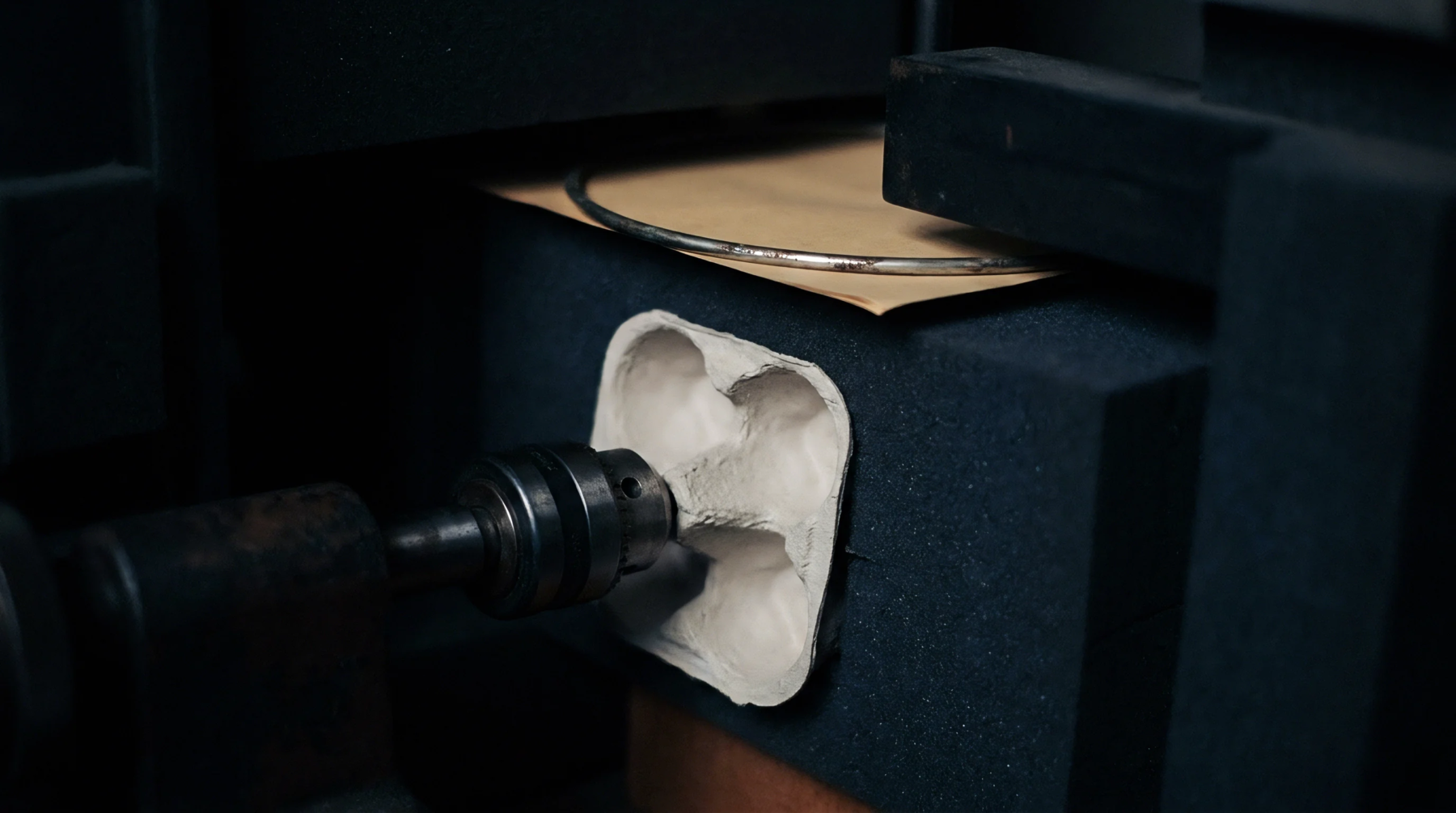
Dynamic vapor sorption in recycled barrier substrates triggers localized interfibrillar swelling stresses that disrupt coating integrity under humidity transients.

GAB isotherm modeling parameterizes microfibril monolayer saturation, identifying plasticization thresholds to qualify moisture barrier paperboard under PPWR and food contact rules.

Microfibril moisture binding follows GAB sorption kinetics where mesopore condensation above M0 plasticizes fiber networks, requiring crosslinking to preserve barriers.

Polymeric paperboard barrier integrity depends on kinetic diffusion rates and mechanical crease limits verified through certified mass transfer modeling.

Polyethylene film wraps trap moisture desorbed by paperboard during thermal swings, elevating internal relative humidity and triggering mechanosorptive failure.

Cold warehouse paperboard equilibrates at rates four times slower than ambient standards, requiring staged thermal reconditioning to prevent moisture edge defects.
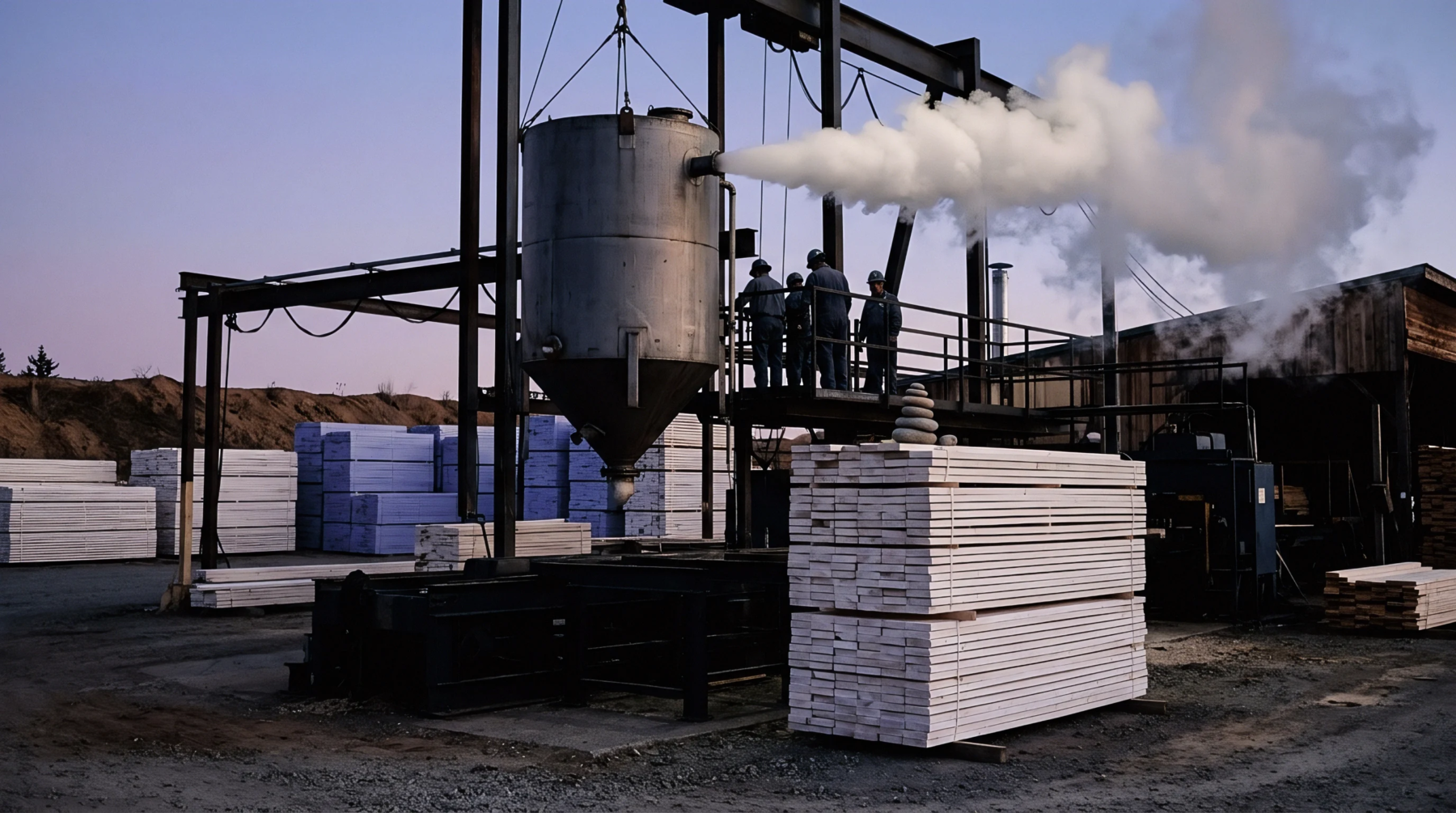
Unheated storage drives moisture ingress along sheet edges via psychrometric gradients, requiring sealed barrier wraps and strict thermal acclimation before press run.

Paperboard chemical retention and migration compliance requires verifying wet-end additive fixation, simulant extractions, and mass transfer kinetic barriers.
Expertise is a utility, not a secret. sentiention™ publishes its working knowledge as open reference: intelligence layer covering the materials it sources, the markets it enters, and the reference that serves both.