
Mass Transfer Dynamics of Mineral Oil Migration in Recycled Fibre Board
Recycled fibre board releases volatile mineral hydrocarbons that migrate into dry food through vapor phase transport unless functional barriers halt diffusion.
Recycled fibre board releases volatile mineral hydrocarbons that migrate into dry food through vapor phase transport unless functional barriers halt diffusion.
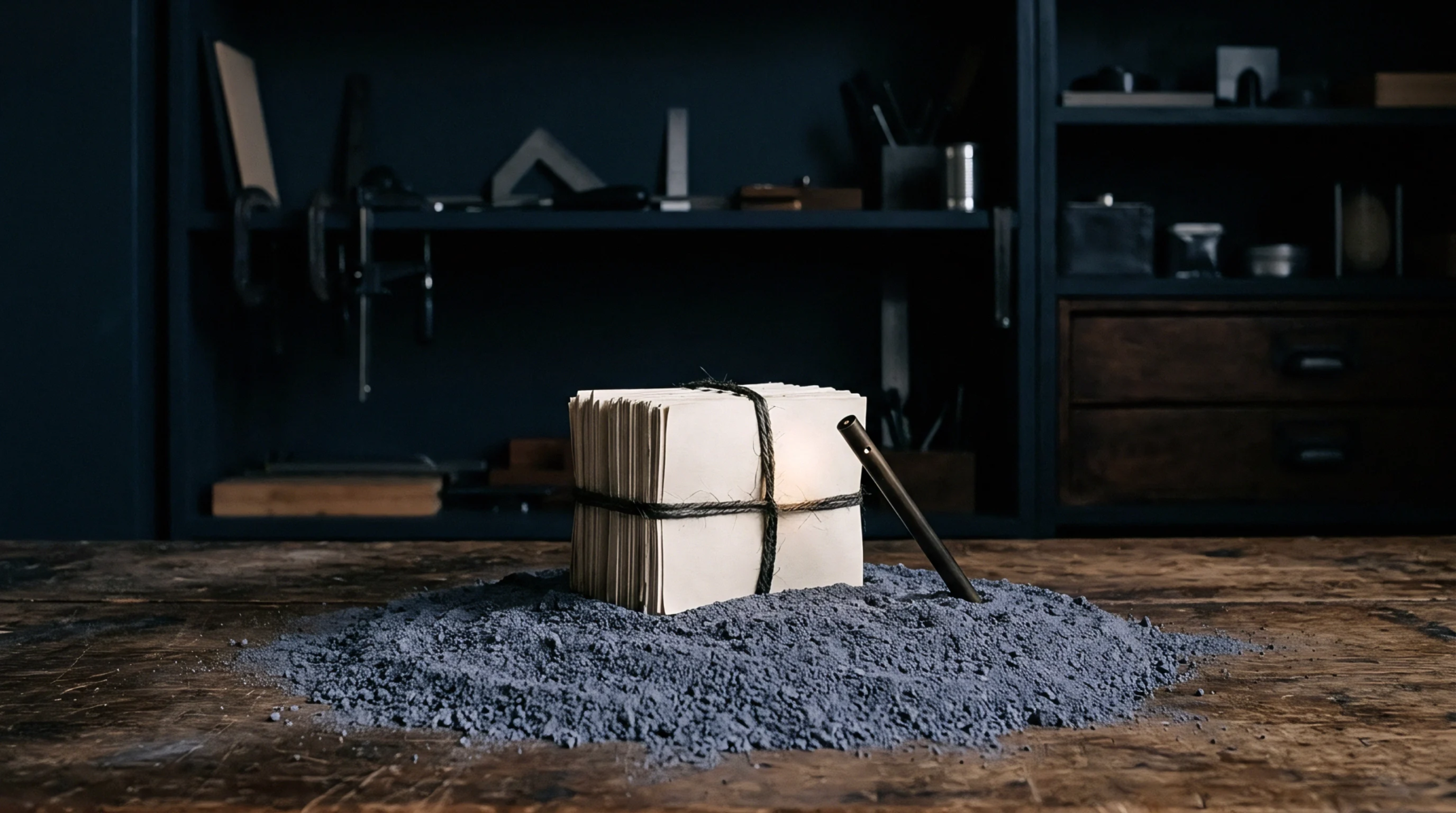
Gas phase hydrocarbon migration across recycled board demands rigorous Tenax adsorption verification to prevent false-negative compliance reports.
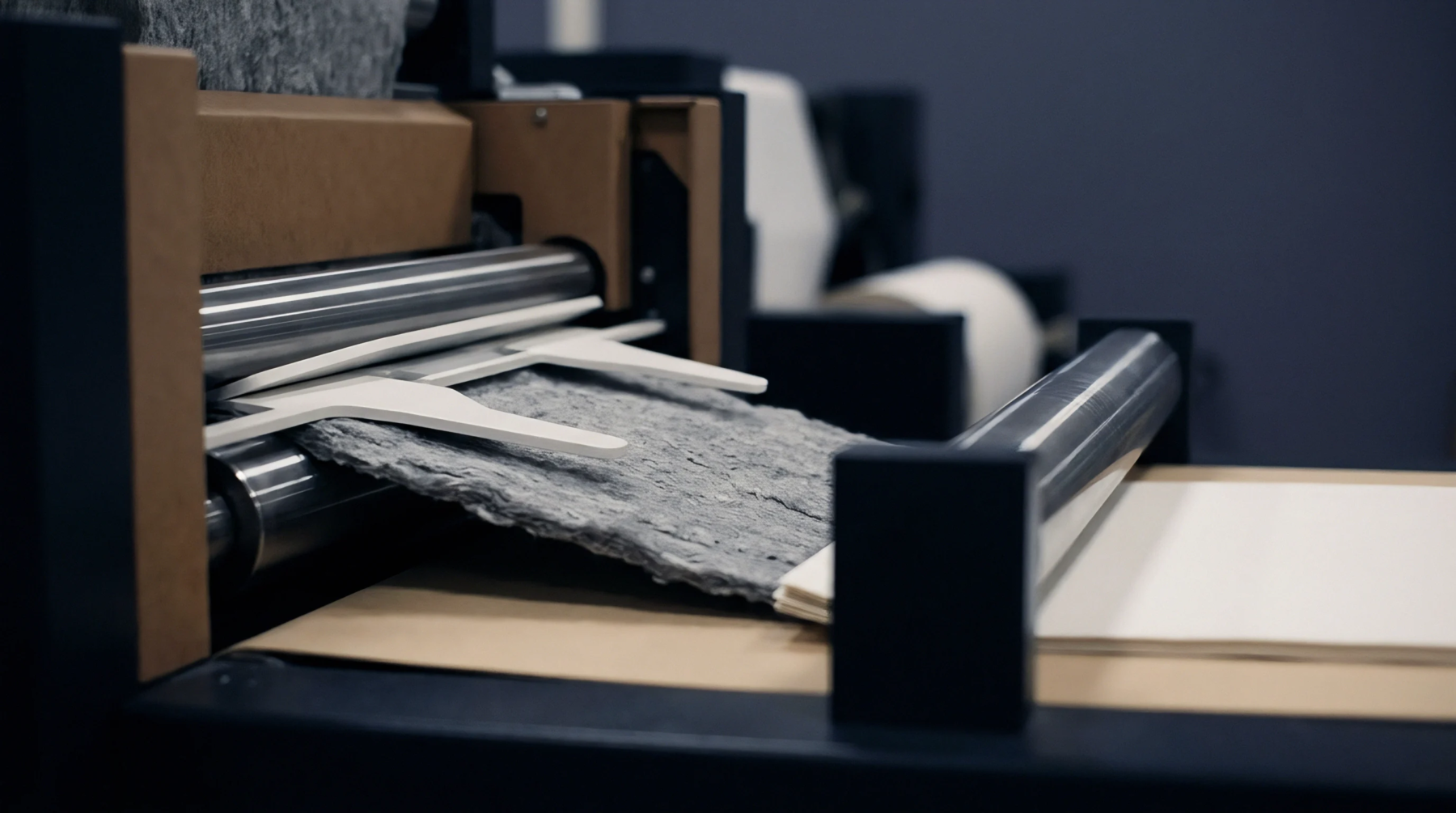
Recycled fibers exhibit steep cross-direction hygro-expansion due to hornification; contracts must bind dimensional strain across relative humidity bands.

Hornification in recycled cellulose drives non-Fickian moisture diffusion and reduces binding enthalpy, lowering box compression under cyclic humidity.

Fold-crazed barrier board accelerates mineral oil migration; specify ductile co-extruded polymer layers and calibrated creasing matrices to prevent leaks.

Automated high-temperature epoxidation selectively transforms interfering olefins into polar derivatives, enabling accurate MOSH/MOAH quantification for recycled fiber compliance.

Online HPLC-GC-FID separation isolates MOSH and MOAH fractions from packaging extracts to verify migration limits below target compliance thresholds.

Online LC-GC-FID isolates mineral oil from polyolefin oligomers to deliver precise, defensible food contact migration data for packaging compliance files.

Crease groove depth controls barrier strain limits; precise female matrix sizing prevents coating micro-cracking and maintains regulatory migration resistance.

Predictive thermal models fail for folded cartons because die creasing causes physical microcracking that replaces solid diffusion with rapid gas permeation.

Verify functional barrier continuity on creased board corners using DIN EN 13676 and Tenax GC-FID to eliminate chemical migration risks and customs detention.
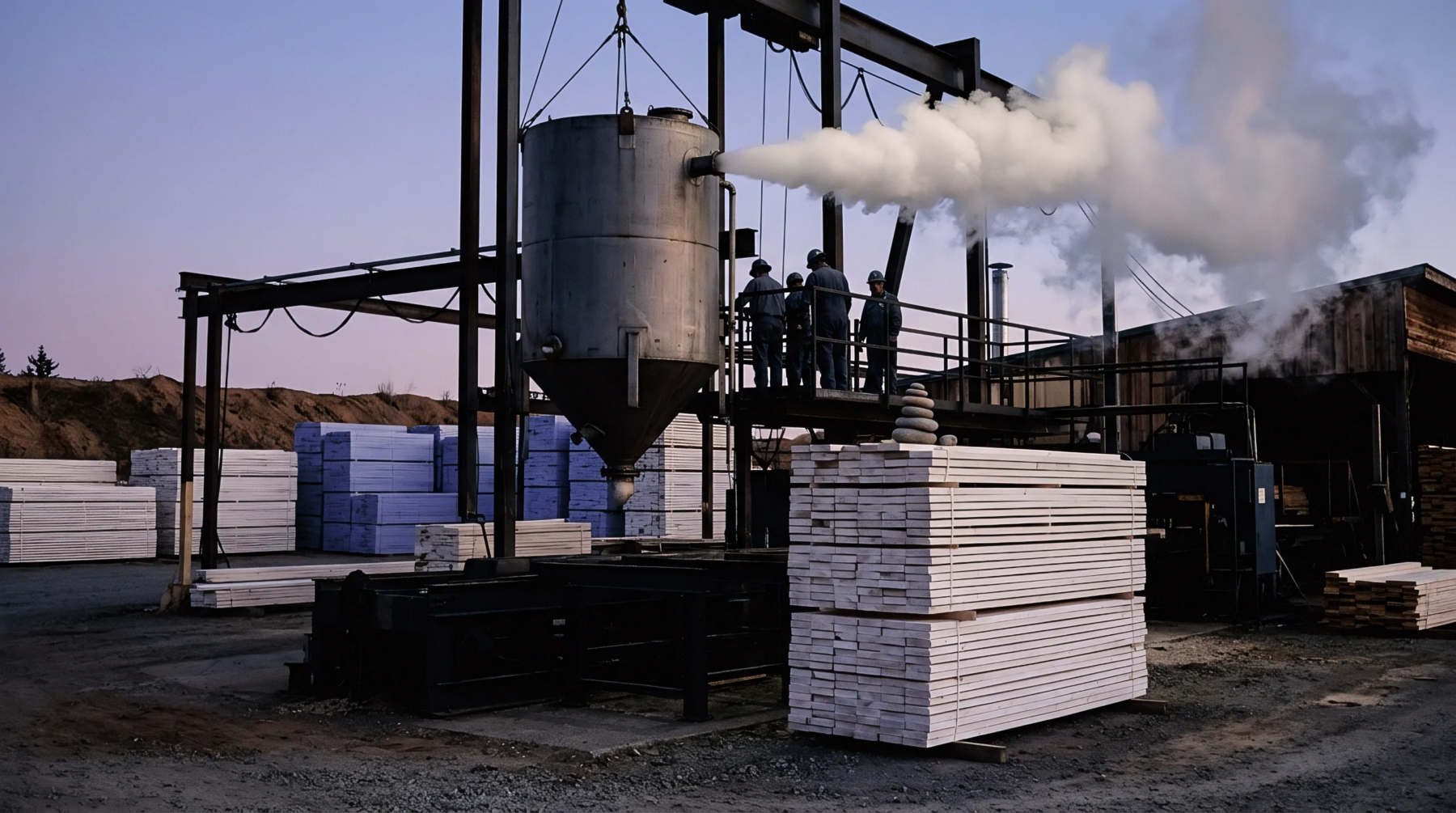
Recycled packaging substrates exhibit non-Fickian moisture uptake and severe hysteresis, reducing compressive strength by over 20 percent under cyclic humidity.
Subtractive baseline harmonization removes biogenic hydrocarbon noise, preventing false MOAH failures in recycled paper food packaging compliance.
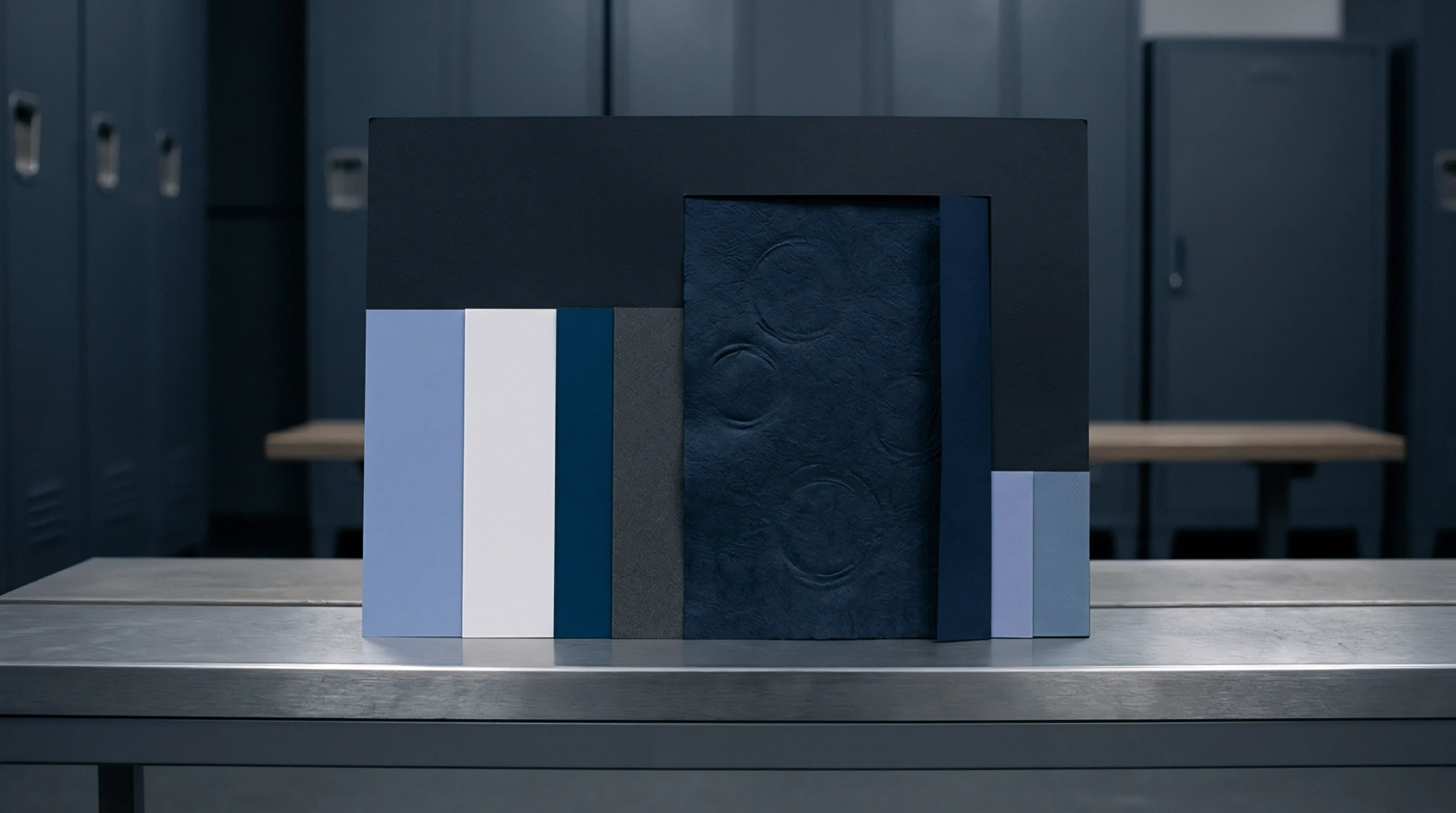
Inline blade coating and soft-nip calendering establish surface uniformity, while targeted finishing passes balance visual embellishment against repulpability.
Public scope schedule verification requires matching board product categories and claim systems on official registers to downstream delivery notes.
Expertise is a utility, not a secret. sentiention™ publishes its working knowledge as open reference: intelligence layer covering the materials it sources, the markets it enters, and the reference that serves both.