
Auditing Chemical Recycling Mass Balance Credit Allocation Ledgers for Packaging Converters
Auditing chemical recycling ledgers demands reconciling raw resin intake declarations against scrap yields and physical dispatches to verify circular claims.
Auditing chemical recycling ledgers demands reconciling raw resin intake declarations against scrap yields and physical dispatches to verify circular claims.

Applying uncorrected gross weights or inflated yield factors into mass balance ledgers creates over-allocated credit accounts that trigger customs seizures.

Calibrating process marker attenuation requires site-specific mass loss factors to defend mass balance credits across multi-site chemical recycling chains.

Verify paper chain of custody codes on public scheme registers, match invoice line-item claims to product group scopes, and audit site schedules to prevent import holds.

Public scope schedule verification requires matching board product categories and claim systems on official registers to downstream delivery notes.
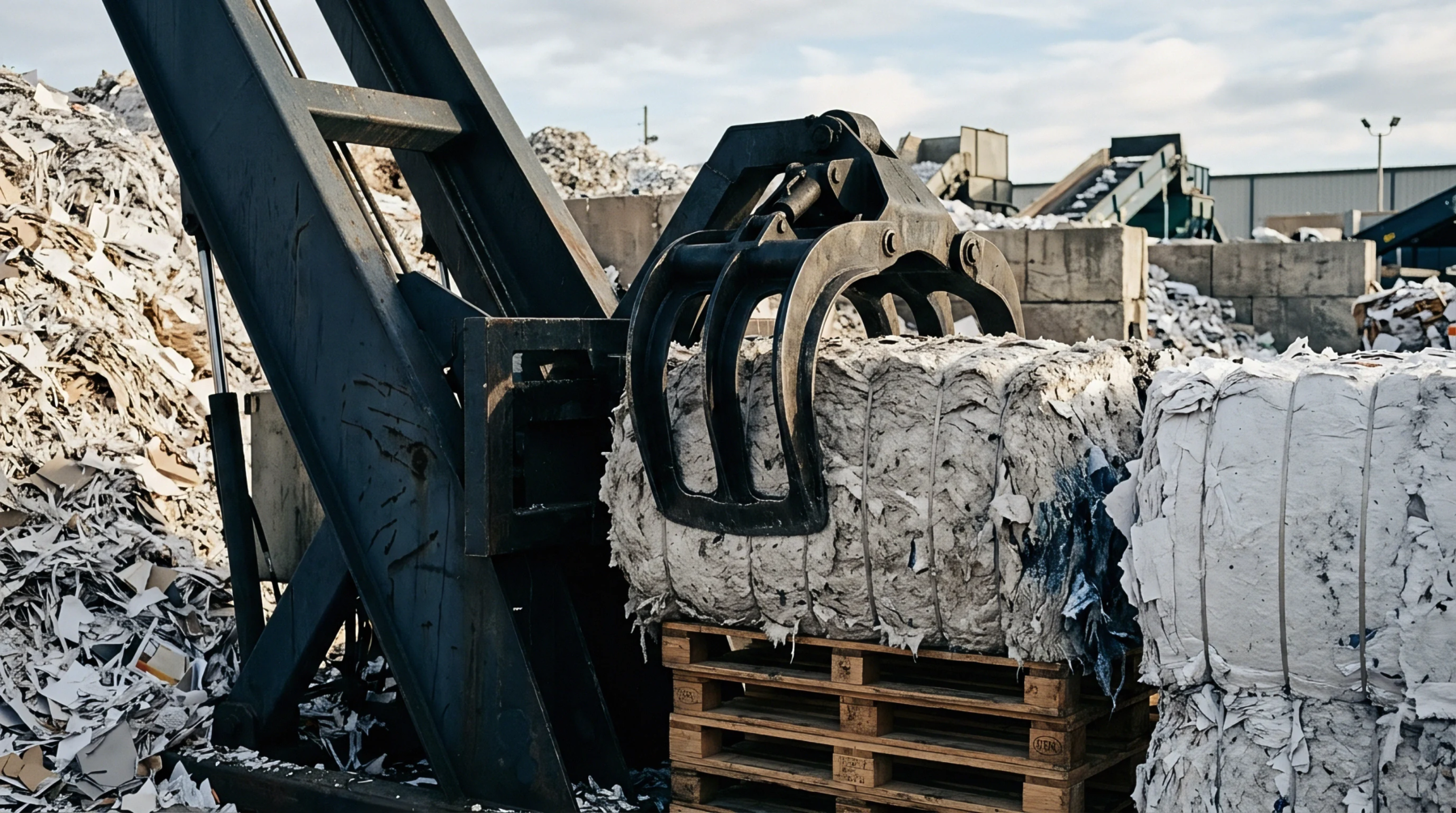
Verifying mass balance recycled content in packaging requires auditing weighbridge logs, process yields, scope certificates, and credit ledgers across logistics files.

Finished packaging claims demand independent home compostability certification because industrial resin testing excludes ambient degradation and converting inks.

Reconciling mass balance credit accounting requires deducting non-polymer fuel outputs and maintaining localized plant ledgers to meet statutory enforcement laws.
Expertise is a utility, not a secret. sentiention™ publishes its working knowledge as open reference: intelligence layer covering the materials it sources, the markets it enters, and the reference that serves both.