
Quantifying Synthetic Marker Partitioning in Multi Site Chemical Recycling Yield Accounting
Physical synthetic markers quantify true chemical recycling yields across cracking sites, exposing paper mass balance credits that inflate recycled content.
Physical synthetic markers quantify true chemical recycling yields across cracking sites, exposing paper mass balance credits that inflate recycled content.

Polymeric barrier compliance requires verifying Fickian diffusion math and toxicological thresholds against scored, converted geometry under worst-case simulants.

Steady-state cup tests understate cellulosic moisture ingress; modeling requires concentration-dependent diffusivity and isotherms to prevent cargo collapse.

High velocity contact loading softens polyolefin matte asperities through adiabatic shear heating, accelerating surface glazing and interfacial peel failure.
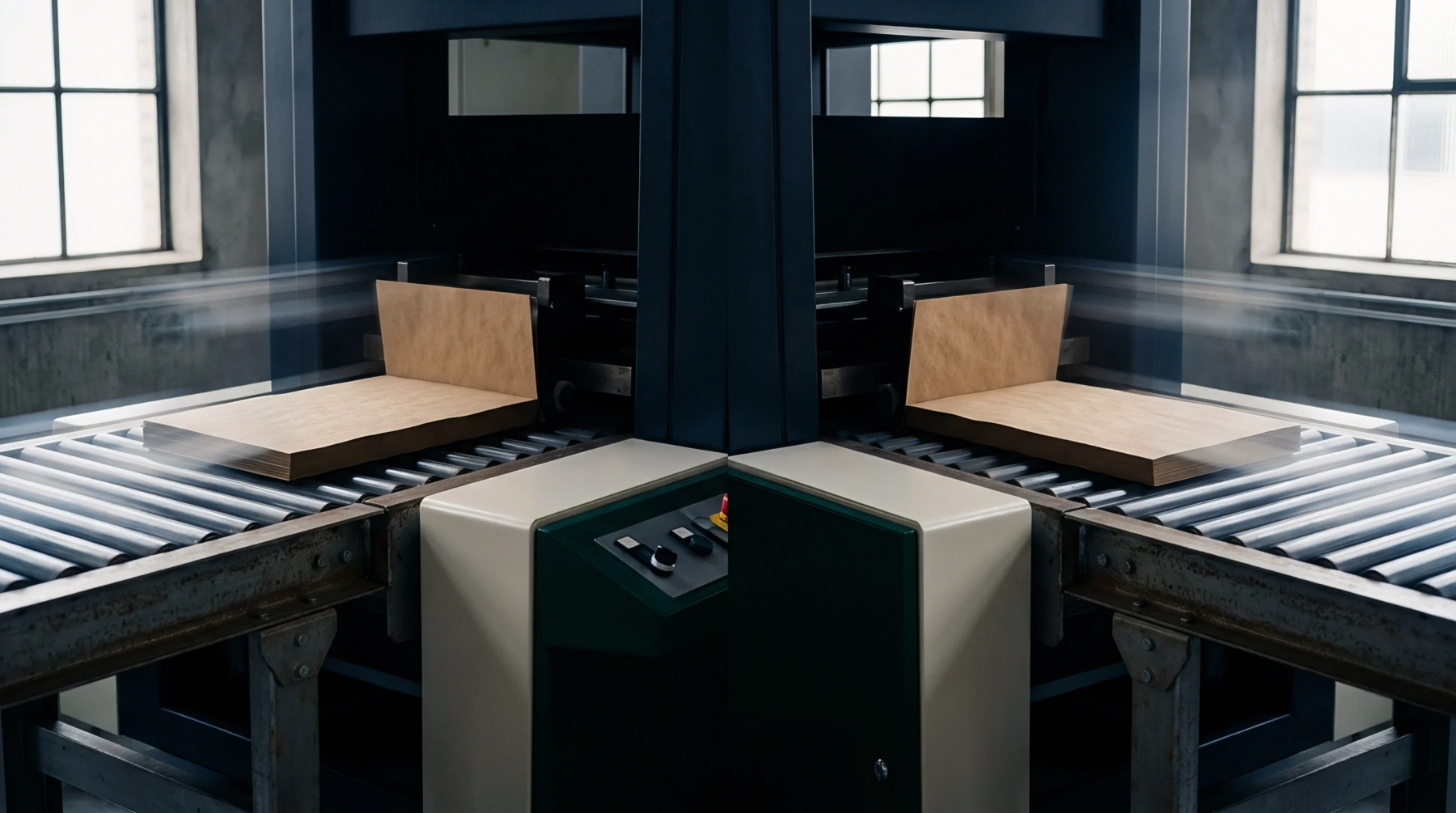
FSC credit accounting converts dry reclaimed furnish into claimable product by subtracting ash, moisture, and pulping rejects through dynamic yield factors.

Paperboard recycled claims require matching chain of custody certificates, mass balance ledger reconciliation, and certified converter invoices.
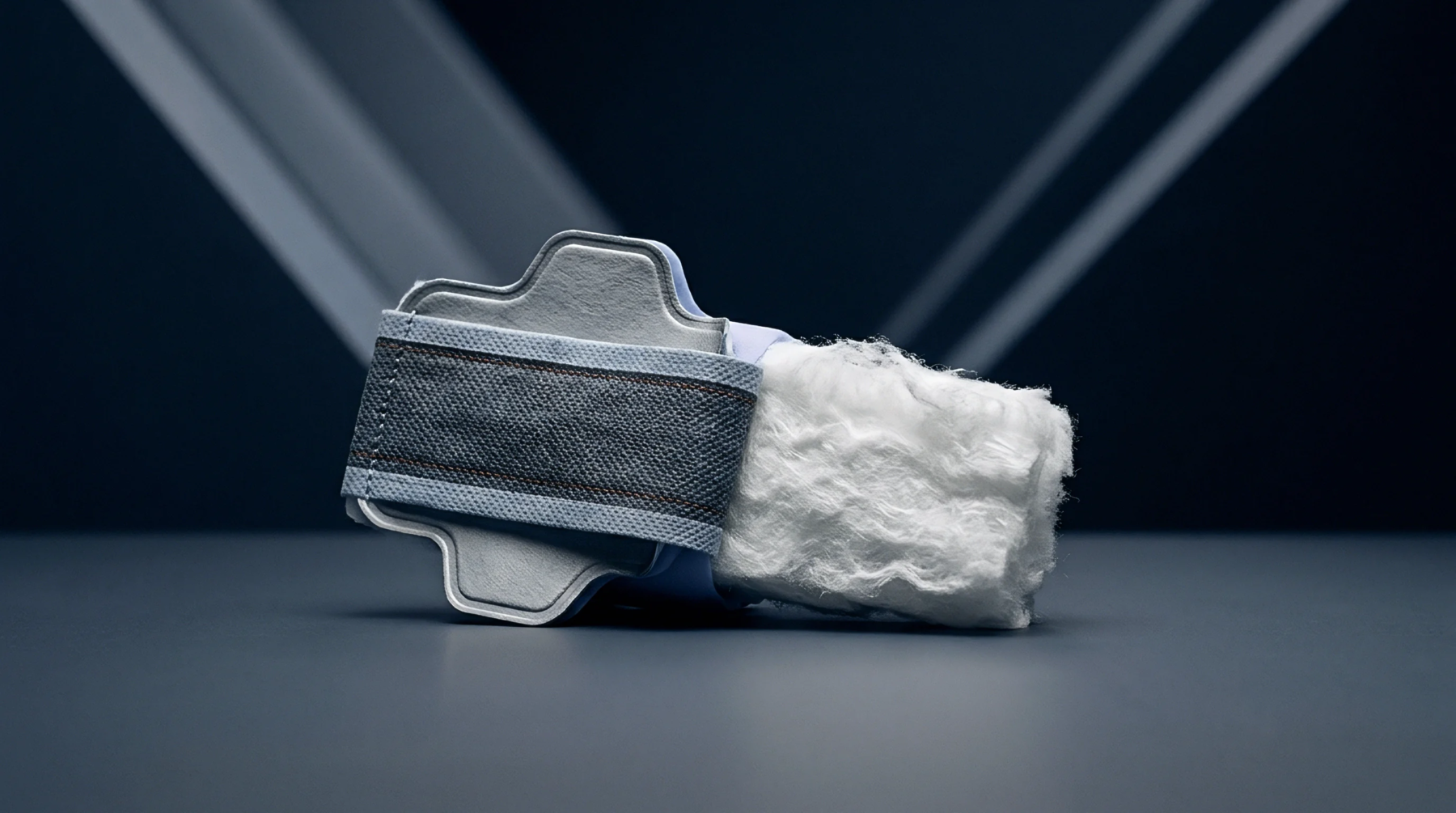
Microfibrillated cellulose moisture sorption degrades barrier performance at high humidity, requiring chemical cross-linking and verified compliance dossiers.
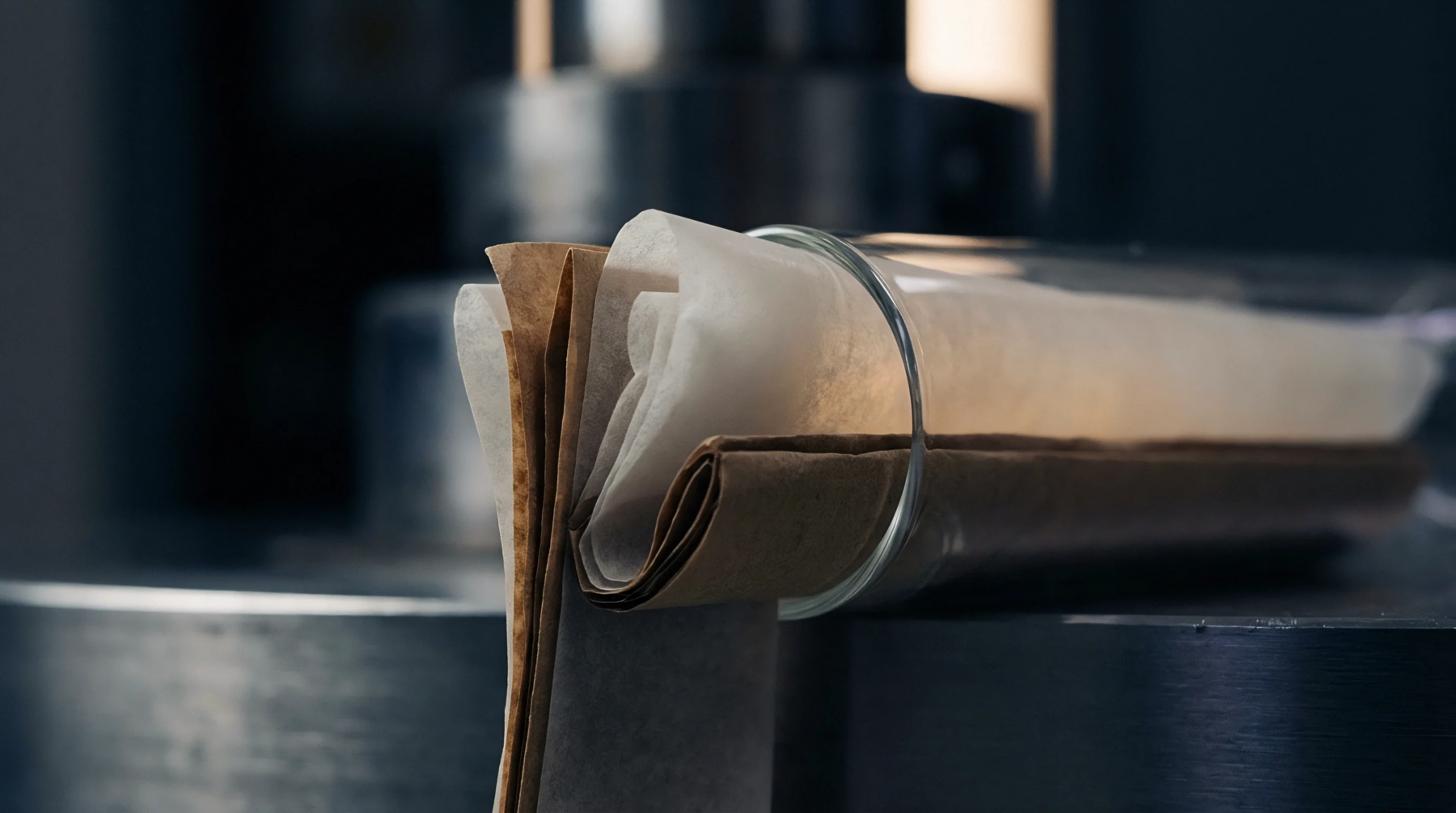
ATR-FTIR cure kinetics tracking links acrylate double bond conversion percentages directly to monomer migration safety and substrate blocking performance.

Verifying imported packaging compliance requires auditing chemical migration reports, chain-of-custody scopes, and declarations of conformity before customs clearance.

Alkali-detachable ink selection prevents plastic flake contamination during caustic washing, avoiding eco-fee maluses up to 450 Euros per metric tonne.

The domestic importer of record bears strict legal liability for printed packaging claims and absorbs all customs fines when declarations lack supporting technical files.

Core shear stiffness governs folding boxboard creasing performance; correct values enable middle ply delamination while preventing outer coated liner failure.
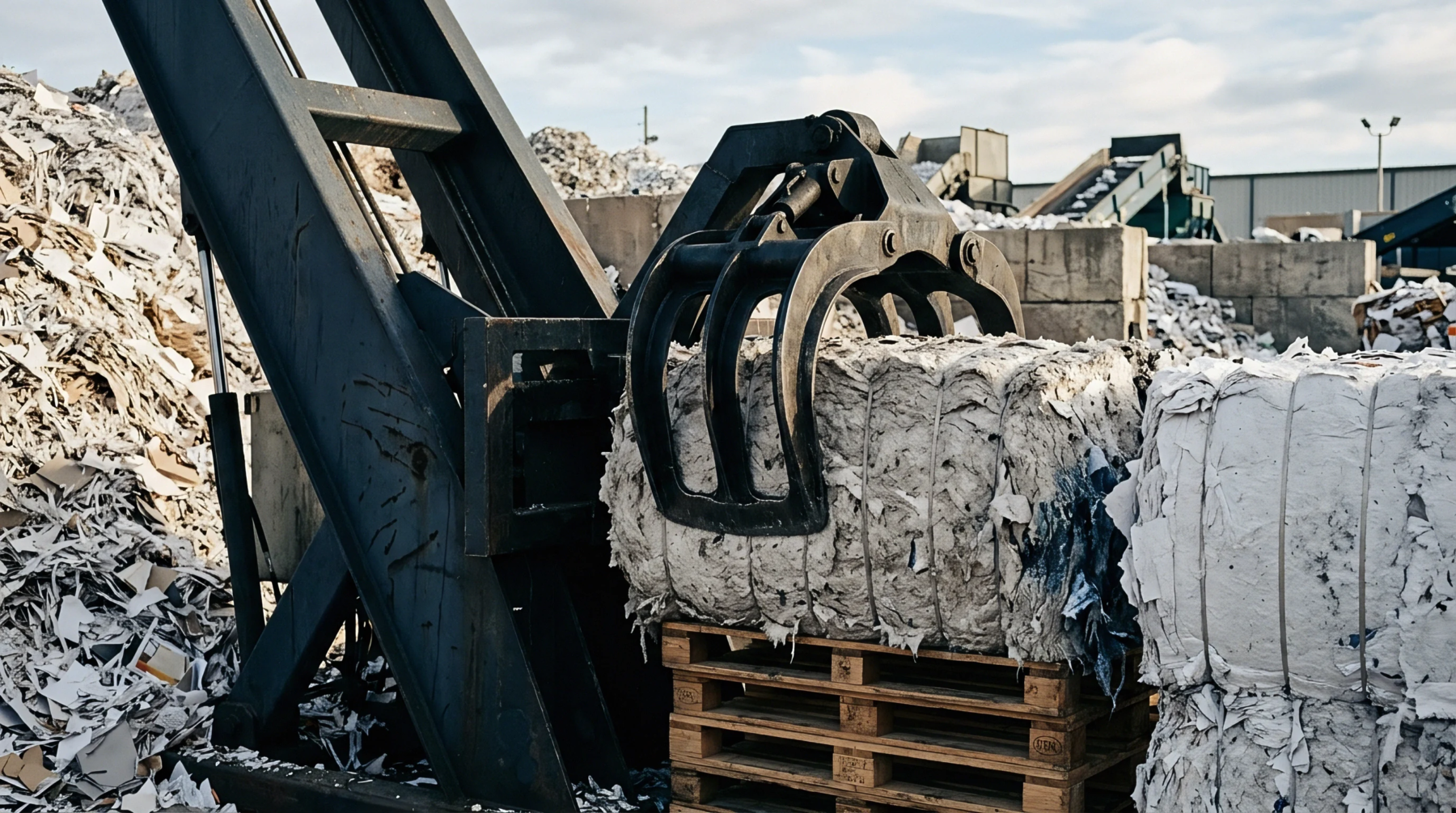
Verifying mass balance recycled content in packaging requires auditing weighbridge logs, process yields, scope certificates, and credit ledgers across logistics files.

Polyurethane tactile films trade high material costs for self-healing elastomeric scuff resistance, requiring precise thermal nip control and high dyne levels.
Dynamic ambient humidity accelerates creep failure in recycled containerboard, requiring increased structural safety factors and dynamic testing to prevent stack collapse.
Expertise is a utility, not a secret. sentiention™ publishes its working knowledge as open reference: intelligence layer covering the materials it sources, the markets it enters, and the reference that serves both.