Calculating Reclaimed Fiber Mass Balance under FSC Credit System Accounting
FSC credit accounting converts dry reclaimed furnish into claimable product by subtracting ash, moisture, and pulping rejects through dynamic yield factors.


Yield
Mass balance accounting under FSC-STD-40-004 Clause 5 demands strict isolation between input volumes, process shrinkage, and credit outputs. A mill introducing recovered paper furnish converts weight receipts into claimable credit units only after deducting non-cellulose fractions, outthrows, and pulping rejects. Recovered fiber lines processing sorted graphic paper or old corrugated containers encounter reject rates between 8% and 24% depending on contamination levels.
Raw ticket tonnages cannot enter the credit ledger directly.
Input mass calculations begin with oven-dry metric tons rather than gross bale weight. Standard commercial bales arrive at moisture contents between 10% and 15%, measured via core sampling under ISO 287 or TAPPI T 412. Unadjusted mass numbers overstate the recoverable cellulose balance, creating immediate non-conformances during surveillance audits.
A mill calculating credit claims on air-dry bale receipts overstates sellable volume by precisely the incoming furnish moisture fraction.
The operational conversion factor represents the ratio between dry finished output and dry furnish input. Mills verify this conversion factor through monthly mass reconciliations across the pulping line. Processing 1,000 bone-dry metric tons of EN 643 Grade 1.05 (old corrugated containers) through standard hydrapulpers yields approximately 820 dry metric tons of usable pulp, alongside 180 metric tons of contraries, coarse screening rejects, and flotation deinking waste.

Fiber Recovery Calculations across Recovered Grades
Virgin pulp additions inside the credit account maintain independent mass balances. When a mill runs a furnish containing 60% post-consumer reclaimed pulp and 40% FSC 100% virgin kraft pulp, the credit ledger accounts for each stream separately using stream-specific conversion factors. The conversion factor for virgin chemical pulp exceeds 96%, whereas mechanical deinking operations run between 78% and 86% net yield.
| Furnish Grade | Feedstock Classification | Typical Shrinkage Rate | Standard Conversion Factor | Claimable Output per 100t Input |
|---|---|---|---|---|
| EN 643 Grade 1.02 (Mixed Paper) | Post-Consumer Reclaimed | 22.5% | 0.775 | 77.5 metric tons |
| EN 643 Grade 1.05 (Old Corrugated Containers) | Post-Consumer Reclaimed | 17.0% | 0.830 | 83.0 metric tons |
| EN 643 Grade 2.05 (Sorted Office Paper) | Post-Consumer Reclaimed | 19.5% | 0.805 | 80.5 metric tons |
| EN 643 Grade 3.18.01 (White Shavings) | Pre-Consumer Reclaimed | 4.5% | 0.955 | 95.5 metric tons |
| Bleached Softwood Kraft Pulp | FSC Mix Credit Virgin | 3.0% | 0.970 | 97.0 metric tons |
Auditors verify the mathematical integrity of these conversion factors against real factory production logs. Discrepancies between theoretical yields and physical pulp chest inventories reveal unaccounted fiber losses down the sewer line. Calculating credit inputs requires ongoing adjustments to these conversion factors as furnish lots shift between seasonal suppliers.


Vat
Deinking facilities and stock preparation vats concentrate the largest source of physical mass loss. Water content variations along the wire and press section alter the finished basis weight without changing total dry fiber content. Accurate credit calculations track dry substance mass from the pulper dump chest through the reel spool.

What Governs Wet End Mass Corrections?
Ash content from inorganic fillers distorts mass balance equations if left unmeasured. Clay, calcium carbonate, and titanium dioxide contribute to sheet grammage but cannot generate FSC Recycled credits. European Standard EN ISO 2144 governs the testing of ash content through incineration at 525 degrees Celsius.
Converting plants purchasing finished board must verify whether the supplier deducted ash loadings prior to depositing reclaimed credits into their account.
- Furnish gross input arrives at the weighbridge and enters the raw material staging yard under continuous automated moisture sensor logging.
- Oven dry correction eliminates the water mass component based on grab samples tested under ISO 287 protocols.
- Ash subtraction removes non-combustible inorganic fillers determined by ISO 2144 incineration testing.
- Pulping reject exclusion isolates coarse junk, plastic films, and unpulped fiber flakes removed during high-density cleaning.
- Net credit deposit enters the FSC credit ledger as verified bone-dry cellulose metric tons available for claim allocation.
Fiber degradation over repeated recycling loops shortens individual cellulose strands. Fine fractions pass straight through forming wires into the white water loop. Save-all dissolved air flotation units recover a portion of these fines, while remaining fibers discharge into effluent treatment plants.
Under FSC-STD-40-004 Clause 5.2, non-wood fillers and chemical additives are excluded from credit balance calculations.
Overlooking ash and moisture adjustments in high-grammage coated recycled boards produces systematic ledger inflation, leading to mandatory certificate suspensions when annual physical audits reveal paper stock that exceeds certified inputs.
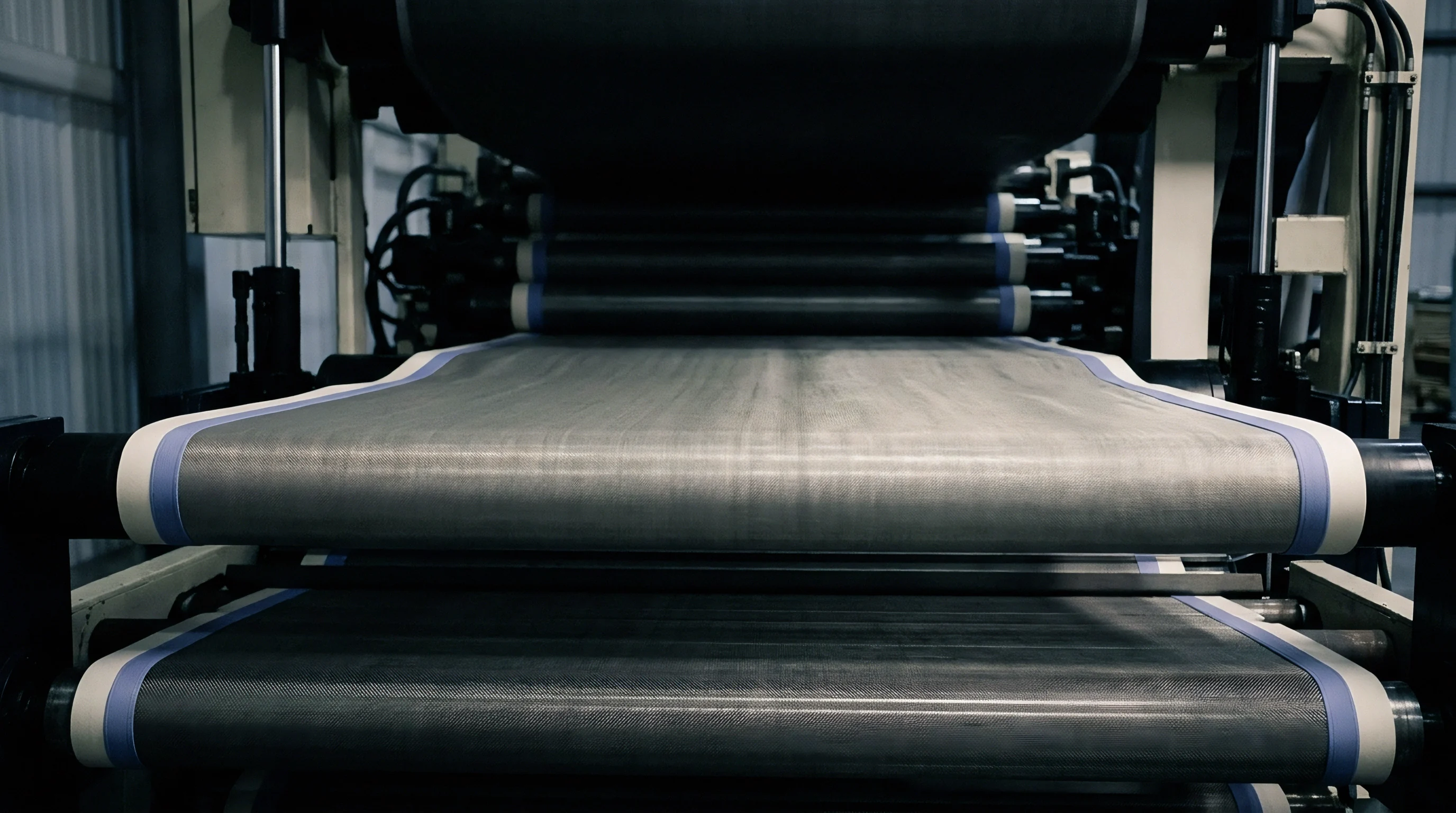
Ratio
Credit deduction mechanics operate under exact stoichiometric ratios between input volume and outgoing packaging units. A manufacturer cannot issue an FSC Mix Credit or FSC Recycled Credit invoice without debiting an equivalent quantity of verified fiber credits. Converting lines generating trimming waste must apply converting conversion factors to outgoing sales orders.
A corrugated box plant cutting master rolls into folding cartons incurs sheet trimming losses. Processing 50 metric tons of certified linerboard through a die-cutter generates approximately 4 metric tons of edge trim and skeleton waste. Delivering 46 metric tons of finished boxes requires the complete debit of the original 50 metric tons of input credits.
| Manufacturing Stage | Physical Mass In | Physical Waste Out | Net Physical Product | Credit Balance Debited |
|---|---|---|---|---|
| Reel Slitting | 100.0 t | 1.5 t | 98.5 t | 100.0 t |
| Sheet Sheeting | 98.5 t | 2.0 t | 96.5 t | 98.5 t |
| Die Cutting | 96.5 t | 5.5 t | 91.0 t | 96.5 t |
| Gluing and Packing | 91.0 t | 0.8 t | 90.2 t | 91.0 t |
| Cumulative Conversion | 100.0 t | 9.8 t | 90.2 t | 100.0 t |
Pre-consumer and post-consumer reclaimed inputs maintain distinct status values in credit calculations. FSC rules permit the blending of pre-consumer and post-consumer fiber within the credit pool, but post-consumer fiber carries specific regulatory value under European packaging directives. Traceability dossiers must separate EN 643 industrial trim receipts from municipal collection tallies.
Credit debits follow physical shipments in linear proportion.

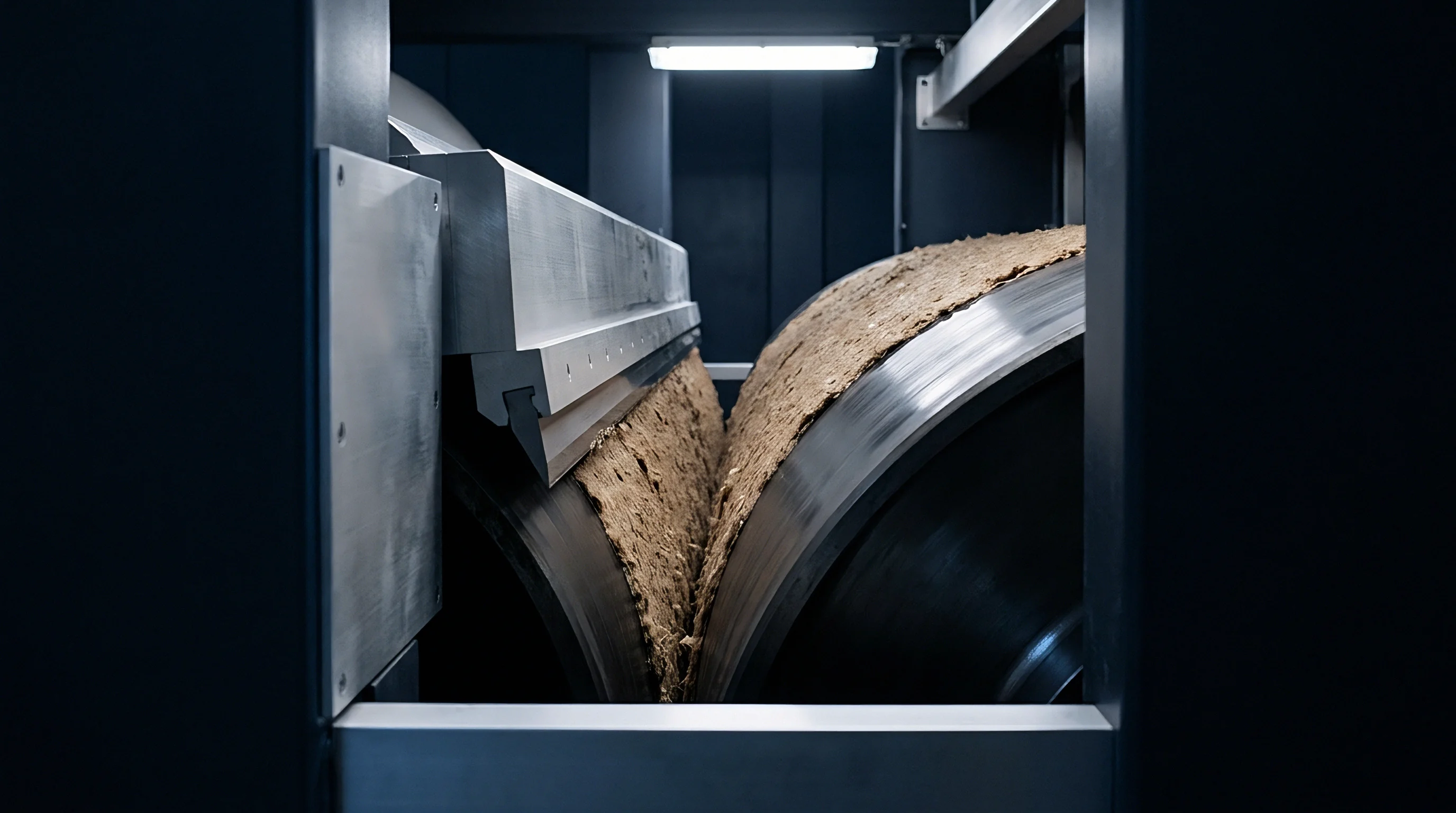
Account
Credit accounts maintain rolling ledger balances bounded by rigid time constraints. Under FSC-STD-40-004 Clause 5.5, credits entered into the balance remain valid for a maximum duration of 24 months. The system operates on a first-in, first-out accounting method.
Credits unallocated to finished product sales at the end of the 24-month lifespan expire permanently from the company balance sheet.

When Do Expired Credits Leave Accounts?
Deduction occurs automatically on the final day of the twenty-fourth calendar month following input entry. An input recorded on March 15, 2024, expires on March 31, 2026. Credit account balances cannot show a negative value at any point.
Running a negative ledger balance constitutes a major non-conformity that halts the right to issue certified commercial invoices.
A negative balance on an FSC credit ledger triggers an immediate suspension of claim-making rights across all operational sites.
Multi-site operations manage distinct sub-accounts for separate product groups. Credits cannot transfer between unrelated product groups possessing dissimilar physical properties. A credit generated from reclaimed fluting medium cannot support an FSC Recycled claim on solid bleached sulfate board.
- Product group boundary definition establishes the specific physical and functional constraints governing which paper products can draw from a common credit bank.
- Centralized credit consolidation tracks multi-mill balances across distinct manufacturing sites under a unified multisite certification scope.
- Maximum credit cap limits the total accumulated credit balance to the sum of all certified inputs received during the previous 24 rolling months.
- Invoice reconciliation timing matches physical dispatch dates with instantaneous automated debiting of the central credit register.
Trading entities purchasing master reels without taking physical possession maintain desk-level credit ledgers. These trade ledgers reconcile purchase invoices containing certified supplier claims against corresponding customer sales documents. Every ton sold as FSC Mix Credit cancels exactly one ton of incoming FSC Mix Credit receipts.
Clause 5.5.4 of FSC-STD-40-004 states that credit accounts must undergo full physical reconciliation every twelve months, forcing the immediate forfeiture of any accumulated credits exceeding the documented annual manufacturing capacity of the facility.

Settlement
Reconciliation files form the final evidentiary chain presented during certification audits and customs scrutiny. Cross-border shipments entering jurisdictions with strict anti-greenwashing enforcement face physical sample testing. Port authorities verify declarations of recycled content against technical construction files.
Discrepancies between physical laboratory testing and paper credit allocations highlight the nature of mass balance systems. A box labeled FSC Mix Credit may physically contain 100% virgin fiber or 100% reclaimed fiber, provided the enterprise holds sufficient credits in its ledger. Customs declarations under European packaging rules require explicit distinction between physical recycled content and credit-accounted allocations.
A completed compliance file contains the supplier delivery note, moisture testing logs, yield calculation spreadsheets, and outward invoice debits. The numbers align across every link in the custody chain. A failure in dry weight documentation invalidates the invoice claim downstream, leaving the commercial importer exposed to trade penalties.
The regulatory shift toward mandatory physical recycled content thresholds leaves open whether administrative mass balance allocations will retain full legal equivalence under emerging packaging waste laws.