Moisture Mass Reconciliation Protocols in Recycled Paper Mill Furnish Audits
Auditing recycled furnish requires converting weighbridge gross mass to bone-dry fiber to prevent water inflation in CoC ledgers and commercial settlements.

Scale
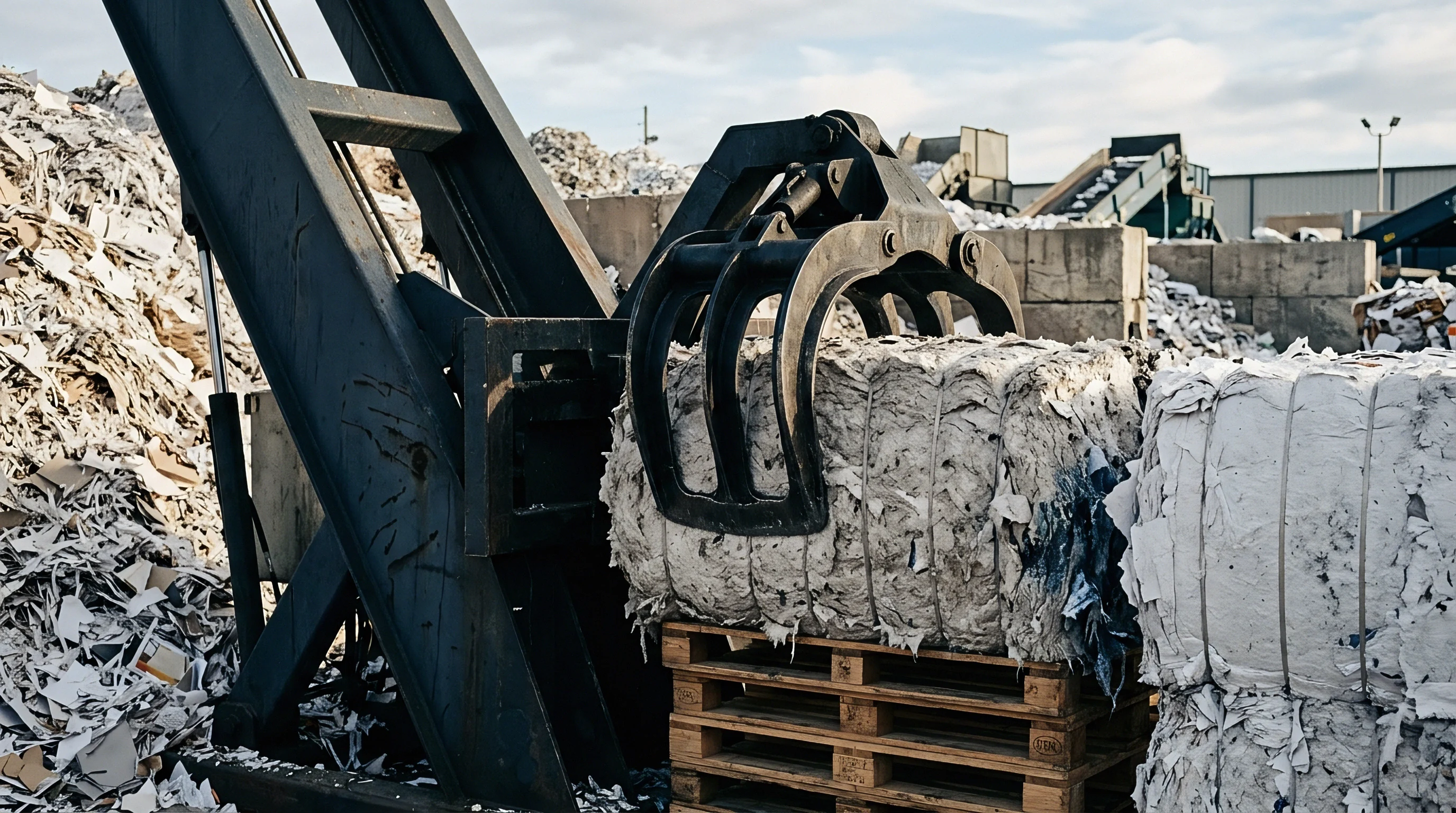
Deliveries of compressed recovered paper bales arrive at mill reception yards carrying unverified amounts of absorbed atmospheric moisture. Sourcing relies on gross weighbridge weights ~ total vehicle mass minus tare weight ~ to set billing tonnage. When paper absorbs rain during transit or collection, those scale figures bill water as papermaking fibre, overstating raw material assets on the balance sheet.

Water Mass Distortion at the Weighbridge
Gross weighbridge receipts record delivered tonnage without separating dry paper substance from water content. Recovered corrugated containers like EN 643 grade 1.05 or double-sorted medium grade 1.04 take on ambient moisture quickly through the porous flutes in the medium. A trailer delivering twenty-two metric tonnes of paper at eighteen percent moisture actually contains only eighteen metric tonnes of bone-dry fibre.
Paying full invoice prices on unadjusted scale weights hands capital to suppliers for water while throwing off consistency controls in the pulper.
When raw weighbridge receipts feed directly into inventory ledgers, this weight error spreads through internal accounting. Uncorrected wet mass inflates physical fibre stock on paper, creating ledger surpluses that disappear as soon as the material enters stock preparation. Papermaking operations rely on accurate dry mass figures to set chemical additive doses, starch application rates, and fiber recovery targets.
Water carries zero commercial fibre value, and unverified weight tickets create tax liabilities.
Gross weighbridge figures reflect total tonnage presented at the gate rather than dry fibre delivered to the pulper.
Storage Exposure and Seasonal Moisture Variations
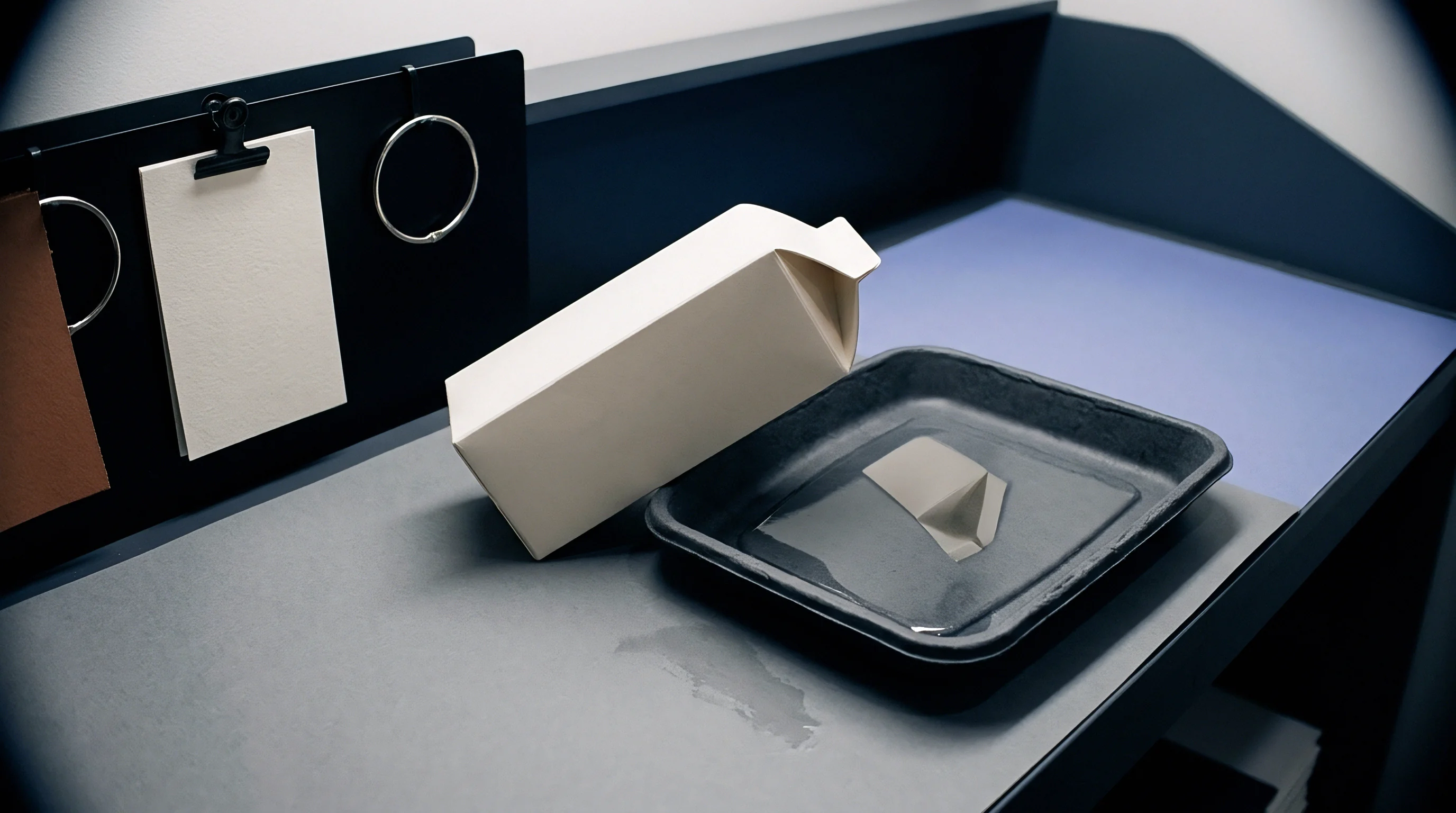
Staging bales in open yards exposes them to rain, fog, and damp ground throughout the winter. Stacking four high on bare dirt or gravel lets bottom tiers wick moisture upward while top bales absorb rain directly. Moisture uptake changes with the weather ~ winter shipments routinely test two to six percent higher in water content than summer loads from the same regional suppliers.
This exposure creates severe gradients within a single shipment, where outer shells reach twenty-four percent water content while the cores remain at nine percent.
Bale density determines how deeply moisture penetrates. High-density export bales compressed above four hundred kilograms per cubic metre resist water penetration, keeping dampness within the outer five centimeters of the shell. Low-density regional bales compressed below two hundred fifty kilograms per cubic metre allow water to channel deep into the core through loose binding wires and structural gaps.
Surface dampness often stems from brief transport condensation rather than systematic mass padding.

Probe
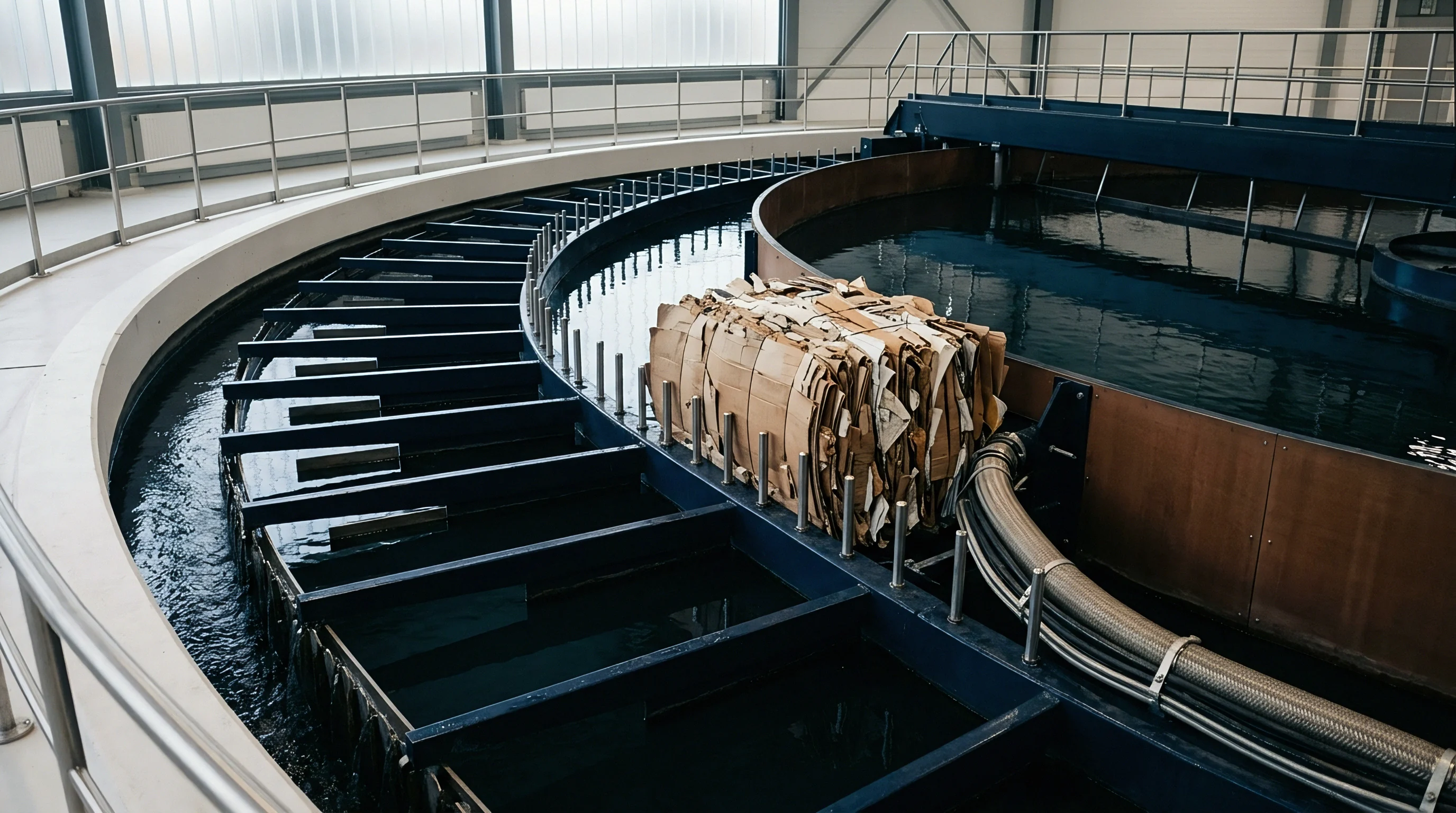
Determining real dry mass requires sampling tools that reach deep into dense packaging blocks. Surface devices using shallow capacitive fields miss internal wet pockets formed during high-pressure baling. Microwave probes measure the core dielectric response instead.
Standardized testing protocols set the sample frequencies, insertion depths, and thermal drying conditions required for defensible moisture figures.
Standard Test Methods for Recovered Paper Water Content
Laboratory oven drying under ISO 287 relies on thermal evaporation at 105 degrees Celsius until mass stabilizes. As the referee method for commercial disputes, ISO 287 requires pulling physical core samples, sealing them immediately in moisture-proof containers, and running repeated weighing cycles until successive readings differ by less than 0.1 percent. European standard EN 20638 establishes corresponding bench procedures for wet pulp and recovered paper to confirm bone-dry solids fractions in quality control labs.
Field verification demands fast, non-destructive or semi-destructive tools at the dock to avoid unloading bottlenecks. Handheld microwave resonance probes measure attenuation and frequency shift as electromagnetic waves pass through bales, penetrating up to five hundred millimetres into the core. Calibration curves map these dielectric properties to specific EN 643 paper grades, accounting for density and inorganic fillers.
High-frequency capacitive spears measure impedance across twin prongs, giving instant readings across ten to twelve insertion points per trailer.
| Measurement Technique | Governing Standard | Penetration Depth | Test Duration | Accuracy Tolerance |
|---|---|---|---|---|
| Thermal Oven Drying | ISO 287 / EN 20638 | Complete core sample | 4 to 12 hours | ± 0.1 percent water |
| Microwave Resonance Probe | EN 643 Annex B | 300 to 500 mm | 15 to 30 seconds | ± 0.8 percent water |
| Capacitive Impedance Spear | Industry Benchmark | 150 to 300 mm | 5 to 10 seconds | ± 1.5 percent water |
| Infrared Surface Scanner | TAPPI T 550 | 1 to 3 mm shell | Instantaneous | ± 2.5 percent water |

Sampling Density and Core Penetration Failure Modes
Superficial surface testing misses wet pockets trapped deep inside double-strapped bales. Technicians who insert short probes only into accessible outer faces get artificially low moisture averages when bales have dried on the outside while remaining saturated at the core. Reliable sampling protocols require random selection across top, middle, and bottom tiers of loaded trailers, mandating penetration depths of at least three hundred millimetres.
Core sample weight loss measured after four hours at 105 degrees Celsius establishes the definitive moisture percentage under ISO 287.
Sampling procedures produce unreliable mass reconciliation figures when executed without strict controls over sample exposure times and equipment operation.
- Thermal Sample Loss occurs when high-speed mechanical core drills generate friction heat that vaporizes moisture prior to initial container weighing.
- Container Vapor Evaporation happens when extracted paper samples remain in unsealed plastic bags on the receiving dock before laboratory tare weighing.
- Superficial Core Probe Calibration Errors surface when electronic meters calibrated for clean corrugated medium test mixed waste containing conductive inks or metal contaminants.
- Tier Sampling Bias emerges when dock inspectors test only easily reached rear trailer bales, ignoring center and forward loader tiers exposed to roof leaks.
Sensors calibrated against clean virgin pulp always underestimate water content in dense, contaminated recycled bales.
Contract
Procurement specifications establish the financial terms governing water weight in secondary raw material purchases. Commercial agreements set baseline moisture limits that define acceptable delivery conditions, price adjustment triggers, and rejection thresholds. Clear contractual language prevents disputes between paper mills and recovered paper brokers.
Commercial Thresholds and Mass Allowance Standards
European trading guidelines under EN 643 set a ten percent baseline for secondary paper transactions. Deliveries with ten to twelve percent water fall within standard trade tolerances and incur no price adjustment. Once average moisture exceeds twelve percent, contracts trigger deduction schedules that scale payable tonnage back to air-dry mass standards.
Moisture levels above fifteen percent give the mill the right to reject the load outright or charge re-handling fees.
Does Ambient Humidity Justify Moisture Clause Variations?
Seasonal changes in atmospheric vapor pressure alter surface moisture along extended transit routes. Maritime container shipments crossing high-humidity tropical lanes suffer from internal condensation, known as container rain. Contracts for international trade adjust the baseline from ten percent air-dry standard to twelve percent arrived baseline when transit exceeds twenty-one days, assuming seals remain intact.
Land transport contracts hold to a strict ten percent baseline regardless of weather, putting transit weather risk squarely on the supplier.
Commercial purchase terms adopting EN 643 section five allow immediate load rejection when average bale moisture exceeds twelve percent across sampled lots.
Deduction Formulas for Excess Water Weight
Financial adjustments adjust payable tonnage by deducting non-conforming water weight from gross weighbridge figures. The math normalizes delivered tonnage back to the contractual baseline, keeping the mill from paying paper prices for water. Applying these deductions requires following a set sequence as soon as weighbridge tickets and test reports arrive.
- Record gross delivered vehicle mass and subtract vehicle tare weight to derive gross raw material tonnage.
- Extract core moisture samples across mandatory load locations according to ISO 287 or calibrated microwave probing routines.
- Calculate average load moisture percentage from laboratory test results or verified electronic core meter logs.
- Compare measured load moisture percentage against the contractual baseline limit of ten percent air-dry moisture.
- Apply the net dry mass calculation formula: Adjusted Tonnage = Gross Tonnage × (100 – Measured Moisture %) ÷ (100 – Contract Baseline %).
- Subtract Adjusted Tonnage from Gross Tonnage to determine the exact invoice deduction mass in metric tonnes.
Incorporating CEPI EN 643 guidelines directly into procurement agreements shifts sampling costs to the vendor whenever delivered moisture exceeds twelve percent.

Credit
Secondary fibre accounting schemes monitor certified volume claims at the gate to prevent credit inflation. Chain-of-custody rules under FSC-STD-40-004 V3-1 and PEFC ST 2002:2020 require physical mass reconciliation on a dry-mass basis ~ assuming standard ten percent moisture ~ to support claims printed on packaging products.
Chain of Custody Accounting for Wet Furnish
Certification frameworks like FSC-STD-40-004 evaluate mass balance ledgers against physical raw material inputs. Credit systems allow certified mills to generate output credits based on incoming post-consumer or pre-consumer secondary fibre. If a mill logs one thousand gross metric tonnes of recovered paper at sixteen percent moisture into its credit ledger without adjustment, it creates sixty-six metric tonnes of non-existent dry fibre credits.
Chain-of-custody auditors review weight tickets, moisture logs, and pulp ledgers during annual surveillance checks. Entering unadjusted wet weights into credit accounts results in major non-conformities during audit sampling. Auditors mandate that ledgers convert all incoming stock into air-dry metric tonnes, defined internationally as ninety percent bone-dry fibre and ten percent equilibrium moisture.
| Delivered Mass (t) | Measured Moisture (%) | Bone Dry Mass (t) | Air Dry Equivalent (t) | Ledger Credit Factor |
|---|---|---|---|---|
| 100.00 | 8.0 | 92.00 | 102.22 | 1.0222 |
| 100.00 | 10.0 | 90.00 | 100.00 | 1.0000 |
| 100.00 | 12.0 | 88.00 | 97.78 | 0.9778 |
| 100.00 | 15.0 | 85.00 | 94.44 | 0.9444 |
| 100.00 | 18.0 | 82.00 | 91.11 | 0.9111 |

Conversion to Air Dry Tonnage Balances
Standardizing raw material mass to a ten percent baseline aligns physical receipts with certification registry entries. Certified mills maintain credit accounts in air-dry metric tonnes so that claims printed on outbound board match the dry fibre fed into the pulper. A shipment of eighty-two bone-dry tonnes equals ninety-one point one-one air-dry tonnes; leaving scale records unadjusted dilutes claims downstream.
Documentary audit trails require specific source verification records to substantiate every credit entry made in certified inventory ledgers.
- Weighbridge Gross Tonnage Tickets verified by stamped scale calibration certificates and driver sign-off documents.
- Laboratory Moisture Logs detailing ISO 287 oven drying records or calibrated core probe reading prints tied to specific load numbers.
- Air Dry Mass Calculation Worksheets converting raw incoming scale weight to standard ten percent credit equivalents.
- Pulper Charging Records tracking physical batch additions against inventory ledger withdrawals on a dry-fibre basis.
Certification bodies remain unsettled on whether continuous online infrared scanning can replace manual core sampling for credit balance verification.


Pulper
Stock slushing systems convert paper bales into aqueous slurries at targeted solids concentrations. Accurate moisture figures dictate how much dilution water is needed to reach target pulper consistency, typically four to six percent solids. Stock preparation algorithms that rely on inaccurate dry mass inputs suffer from shifting slurry consistency, causing motor overloads or inefficient slushing.
Stock Preparation Mass Balance Protocols
Consistency control algorithms adjust dilution water based on estimated dry fibre entry rates. If a conveyor charges five metric tonnes of unadjusted paper at eighteen percent moisture into a pulper set for ten percent moisture, the system under-doses dilution water. The slurry runs thick, increasing mechanical shear load on rotor drives, driving up energy consumption per tonne, and accelerating impeller wear.
Contaminant removal systems need stable hydraulic consistency to separate outthrows from usable fibre. Heavy rejects like wire, plastic film, sand, and wet-strength packaging fragments separate efficiently only within narrow consistency windows. Incorrect moisture assumptions skew yield calculations by confusing water loss with heavy reject disposal weight.
Calculating furnish input solely from scale tickets guarantees an overestimation of actual paper machine yield.
Worked Example of Furnish Moisture Reconciliation
Consider a mill batch of five hundred gross metric tonnes delivered to the dock. Testing under ISO 287 shows average delivered moisture of 14.5 percent against a contractual standard of 10.0 percent air-dry moisture. A stock preparation audit evaluates yield performance and net dry fibre recovery after accounting for non-usable contraries.
Assumptions set a four percent dry-basis heavy reject rate for non-papermaking contraries removed during coarse screening. Gross delivered weight of 500.00 metric tonnes at 14.5 percent moisture yields 427.50 bone-dry metric tonnes of fibre. Converting 427.50 bone-dry tonnes to a ten percent air-dry equivalent gives 475.00 air-dry metric tonnes.
This represents a 25.00 air-dry tonne loss relative to unadjusted gate weight due entirely to excess water.
| Process Stage | Gross Tonnage (t) | Moisture Content (%) | Bone Dry Mass (t) | Air Dry Equivalent (t) |
|---|---|---|---|---|
| Dock Gate Weighbridge Receipt | 500.00 | 14.50 | 427.50 | 475.00 |
| Contractual Baseline Standard | 475.00 | 10.00 | 427.50 | 475.00 |
| Excess Water Mass Deduction | 25.00 | 100.00 | 0.00 | 0.00 |
| Coarse Screening Heavy Rejects | 17.10 | 0.00 | 17.10 | 19.00 |
| Net Usable Pulper Output | 457.90 | 10.00 | 410.40 | 456.00 |
| Assumptions: 500 t gross furnish batch; 14.5 percent measured moisture; 10.0 percent contractual air-dry baseline; 4.0 percent dry basis heavy reject rate. | ||||
Mill auditors establish structured verification checklists to audit moisture reconciliation protocols across stock preparation lines.
- Weighbridge Meter Calibration Verification validating scale accuracy against certified test weights every ninety days.
- Core Probe Sensor Calibration Checks cross-referencing electronic spear readings against weekly ISO 287 laboratory oven tests.
- Pulper Dilution Water Meter Audit checking magnetic flowmeter accuracy on primary pulper fill lines to verify consistency calculations.
- Reject Mass Moisture Adjustment drying heavy screening rejects to establish bone-dry reject losses independently from water content.
Failing to reconcile water weight prior to stock slushing produces inaccurate machine yield calculations and distorts chemical additive costs per net tonne.

Valuation
Cross-border shipments of recovered paper encounter inspection regimes enforcing strict customs classifications. Tariff calculations under Harmonized System code 4707 apply duty rates directly to imported mass measurements. Customs audits demand verified test reports, making accurate mass reconciliation essential for avoiding border delays.

Customs Duty Adjustments for Water Weight
Customs authorities inspect waste paper imports to verify declared transaction values against physical weights at border crossings. Excess moisture inflates net import weight, leading to overpaid duties or miscalculated value-added tax thresholds. Importers who submit official ISO 287 moisture adjustment certificates at customs control points secure legally binding valuation reductions that reflect net dry fibre mass.
Clearance disputes arise when customs officers reject moisture deductions that lack accredited laboratory test reports. Regulations require sampling to be conducted by accredited third-party agencies immediately upon unsealing containers. Unverified moisture claims on import declarations risk reclassification as deliberate undervaluation, exposing importers to fines and shipment holds.
Regulatory Compliance File Requirements
Packaging waste directives require verified calculations showing actual recycled fibre percentages in finished products. Under the EU Packaging and Packaging Waste Regulation, packaging manufacturers must maintain technical dossiers detailing the exact mass fractions of post-consumer recycled content in finished board. Calculating recycled percentages from unadjusted wet furnish weights distorts these metrics, invalidating legal declarations submitted to enforcement authorities.
A defensible compliance dossier links weighbridge tickets, third-party moisture test certificates, certified credit account balances, and pulper logs into an unbroken audit chain. Paper buyers and converters auditing mill suppliers verify that recycled content claims rest on bone-dry mass calculations rather than water-padded gate receipts.
Border authorities inspect import paperwork to verify that declared waste paper mass reflects dry material baselines rather than water accumulated during maritime transit.