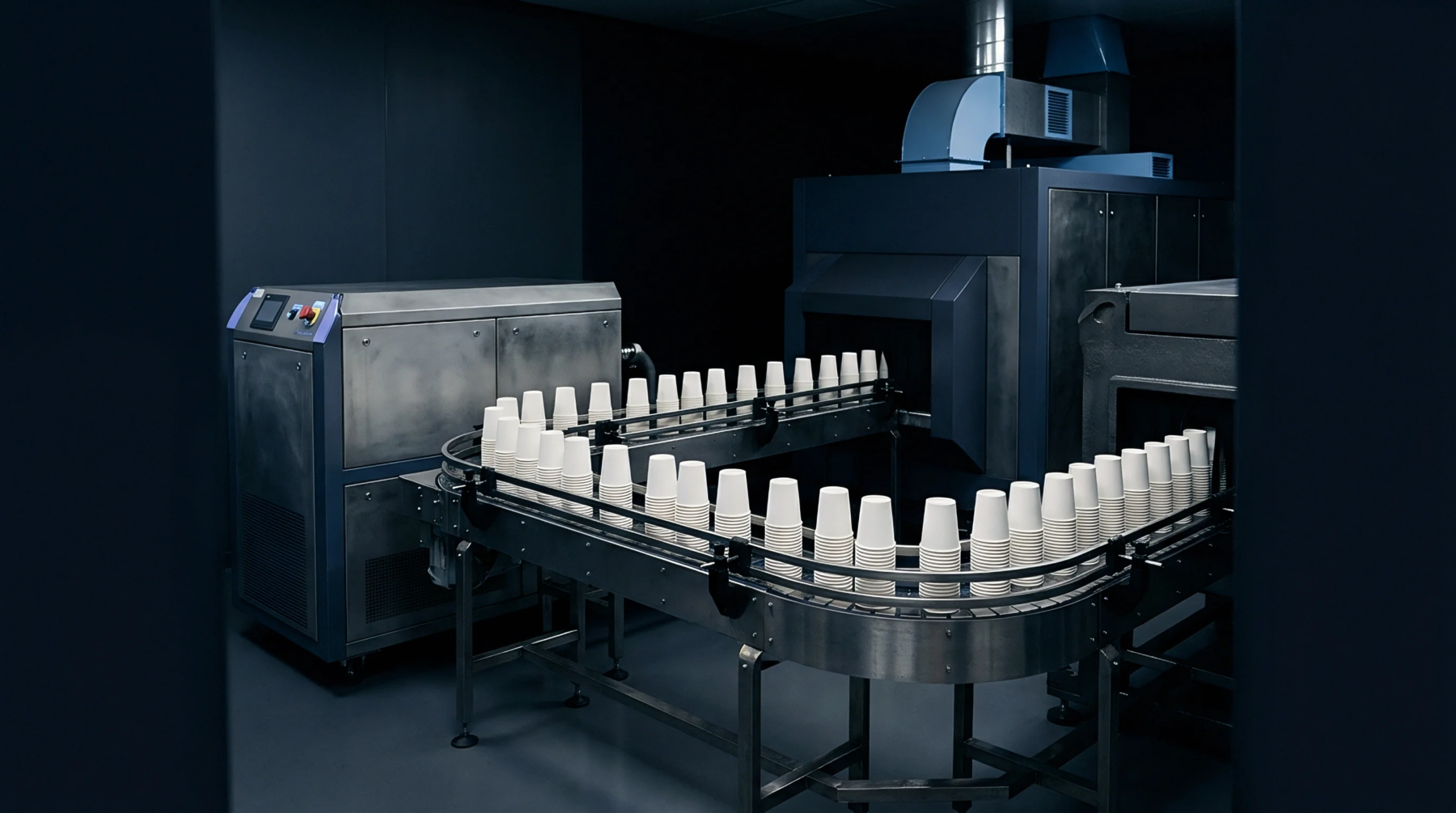
Quantifying Photoinitiator Cleavage Products in Printed Packaging Boards
Quantifying photoinitiator cleavage products requires targeted LC-MS/MS or GC-MS extraction protocols to verify migration remains below specific legal limits.
Quantifying photoinitiator cleavage products requires targeted LC-MS/MS or GC-MS extraction protocols to verify migration remains below specific legal limits.

Non-intentionally added substances in printed packaging require high-resolution chromatography screening against the ten parts per billion qualification threshold.
Total photoinitiator extraction relies on solvent selection matching substrate swelling mechanics without degrading crosslinked acrylate polymer networks.

Set-off migration prediction requires calculating pressure-dependent contact areas and temperature-driven diffusion rates across stacked cartonboard sheets.

Quantifying specular gloss drift in silica finishes requires 85-degree grazing geometry to detect micro-roughness variations before binder leveling elevates sheen.
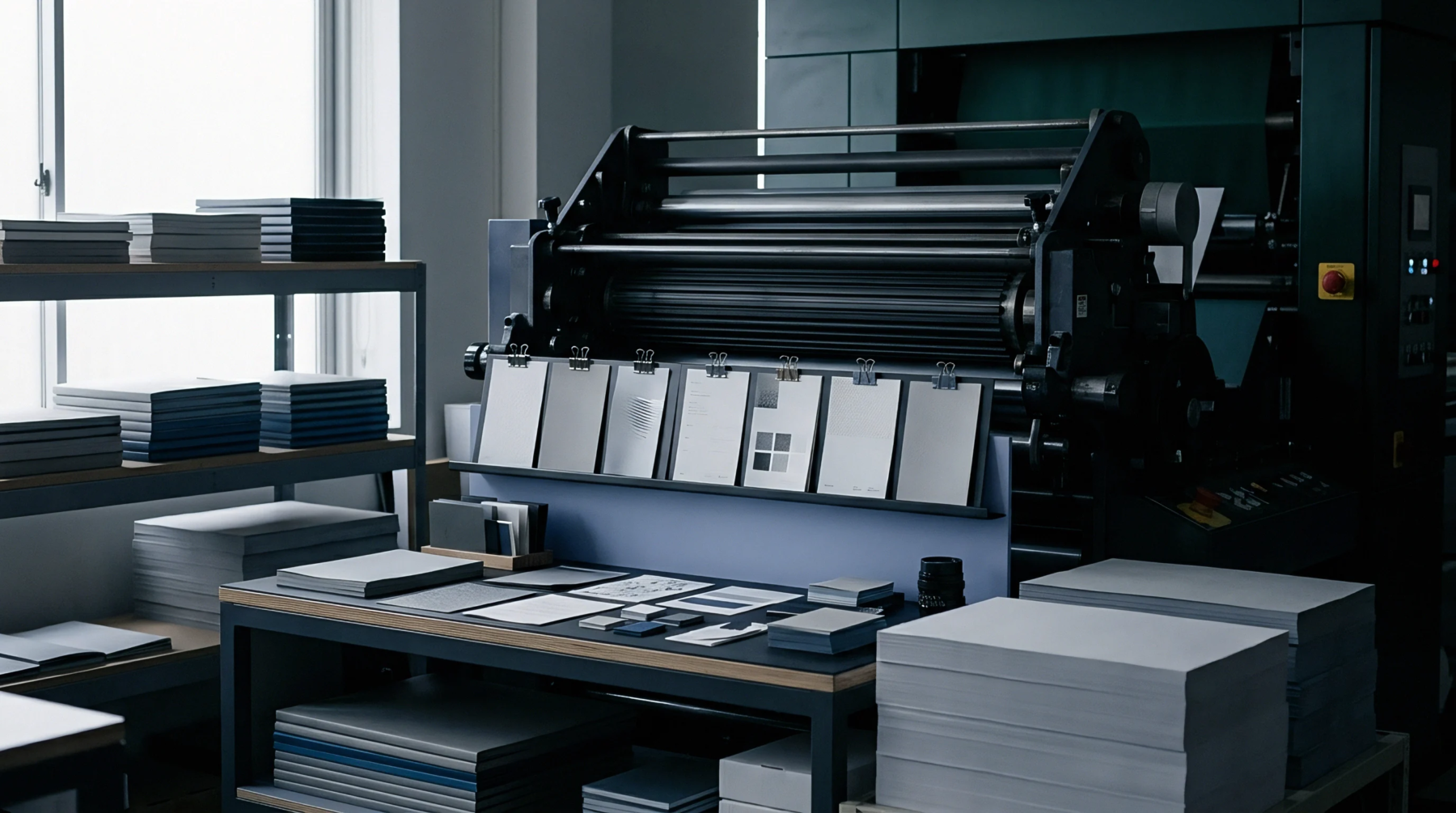
Quantitation of hydroxycyclohexyl phenyl ketone breakdown products requires HS-GC-MS targeting cyclohexanone below 0.01 mg/kg to prevent set-off food contact breaches.
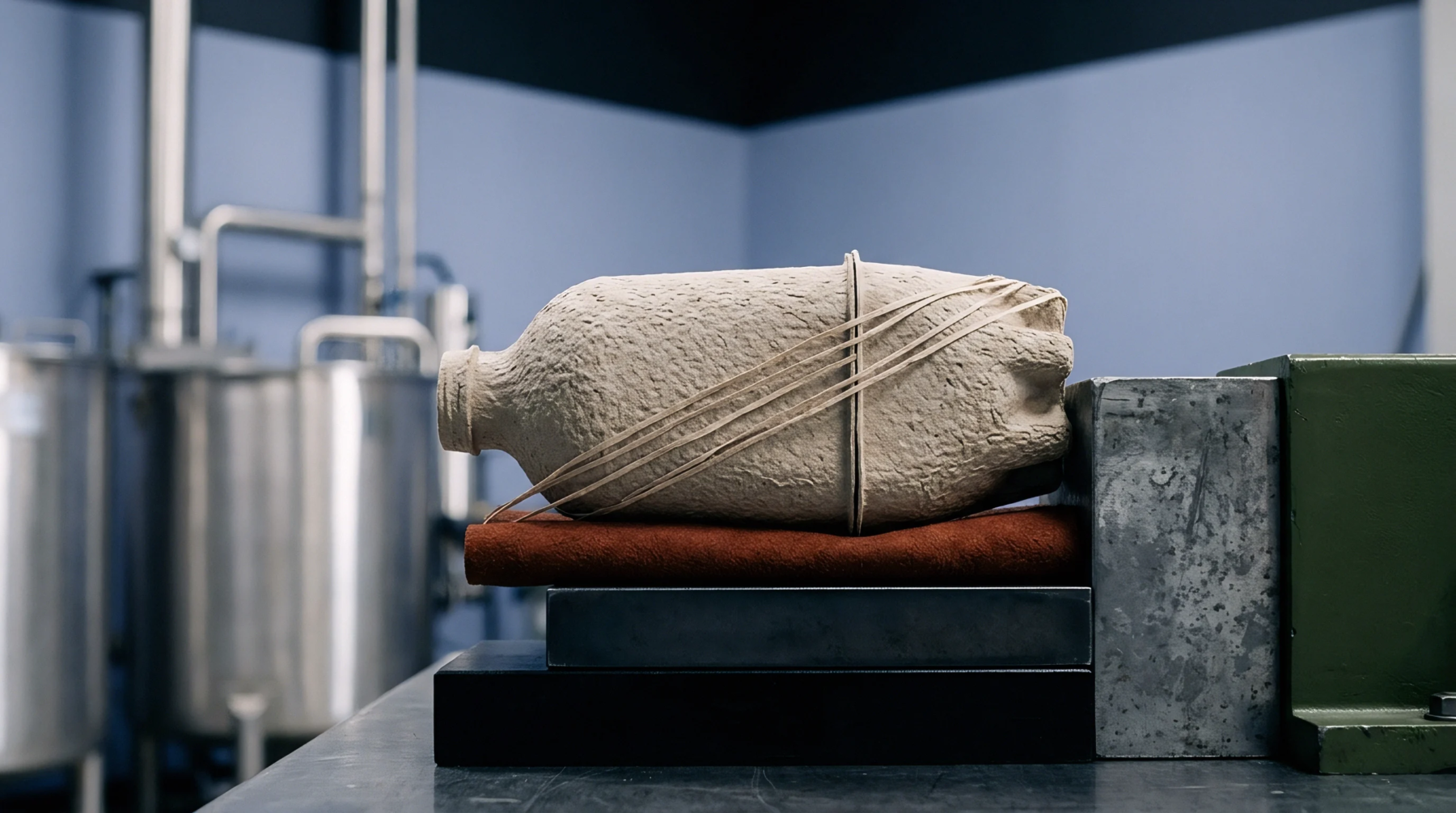
Chromatographic testing via LC-MS/MS verifies photoinitiator specific migration limits in printed barrier packaging to maintain compliance.
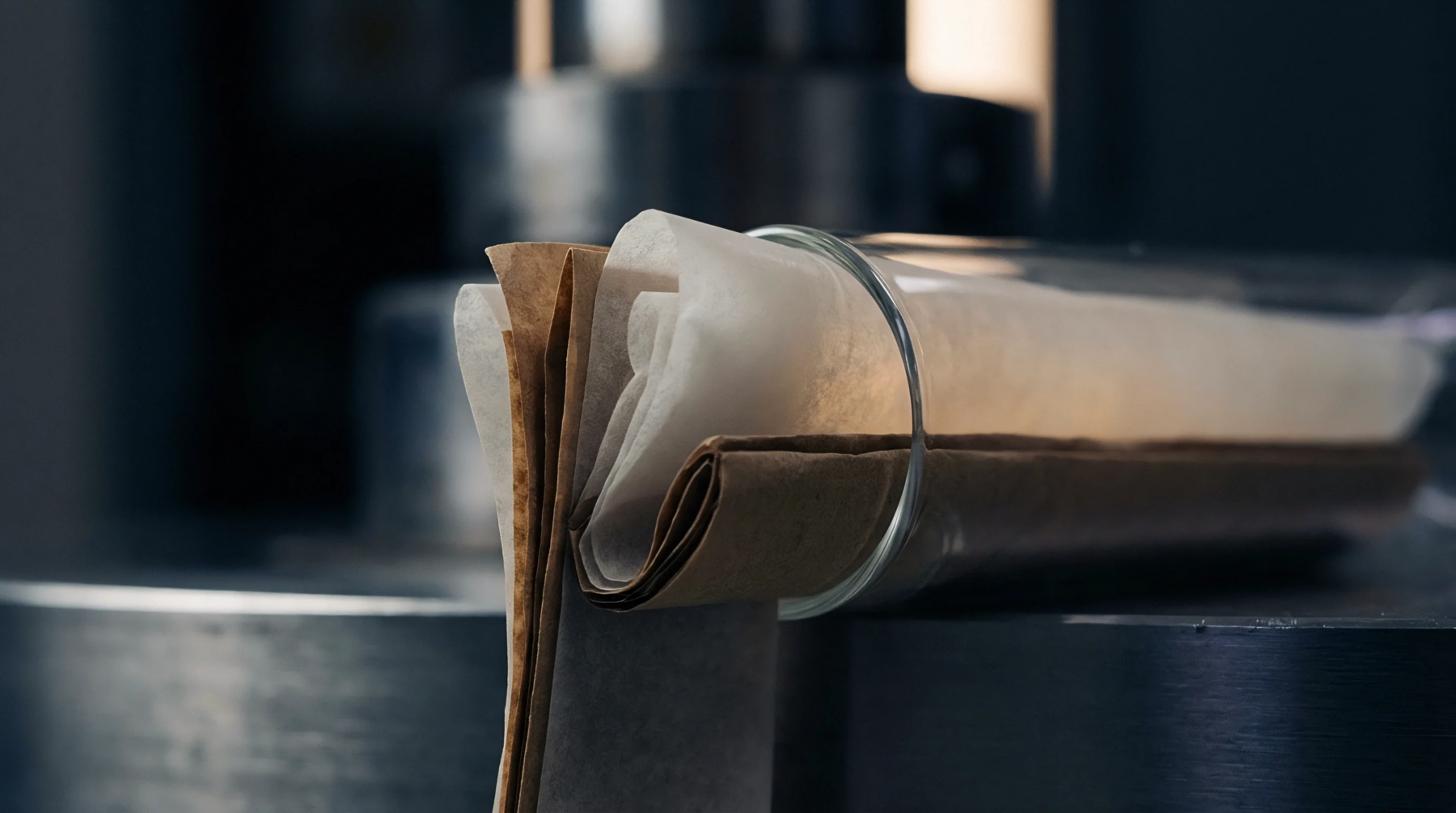
ATR-FTIR cure kinetics tracking links acrylate double bond conversion percentages directly to monomer migration safety and substrate blocking performance.
Photoinitiator migration limits demand complete photopolymer conversion or functional containment to keep extractable residues below 10 parts per billion.
Expertise is a utility, not a secret. sentiention™ publishes its working knowledge as open reference: intelligence layer covering the materials it sources, the markets it enters, and the reference that serves both.