
Standard Chemical Migration Testing Protocols for Paperboard Food Packaging
Paperboard food contact compliance requires verified migration testing using specific simulants and GC-MS or LC-GC-FID analytics to enforce migration safety limits.
Paperboard food contact compliance requires verified migration testing using specific simulants and GC-MS or LC-GC-FID analytics to enforce migration safety limits.
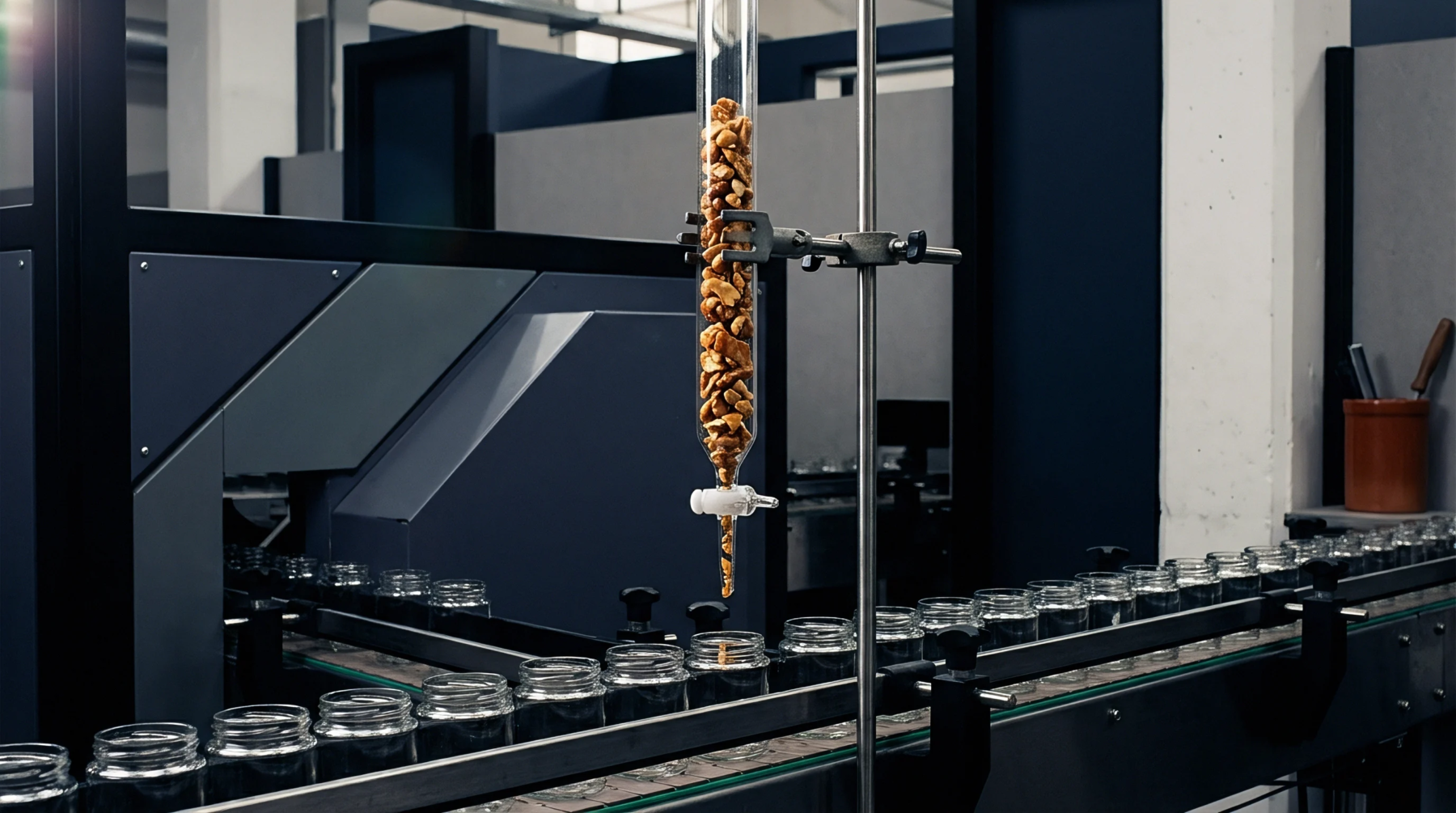
Accelerated static laboratory migration data underestimates dynamic food contact mass transfer on high-speed filling lines unless corrected for strain cracking and fluid shear.
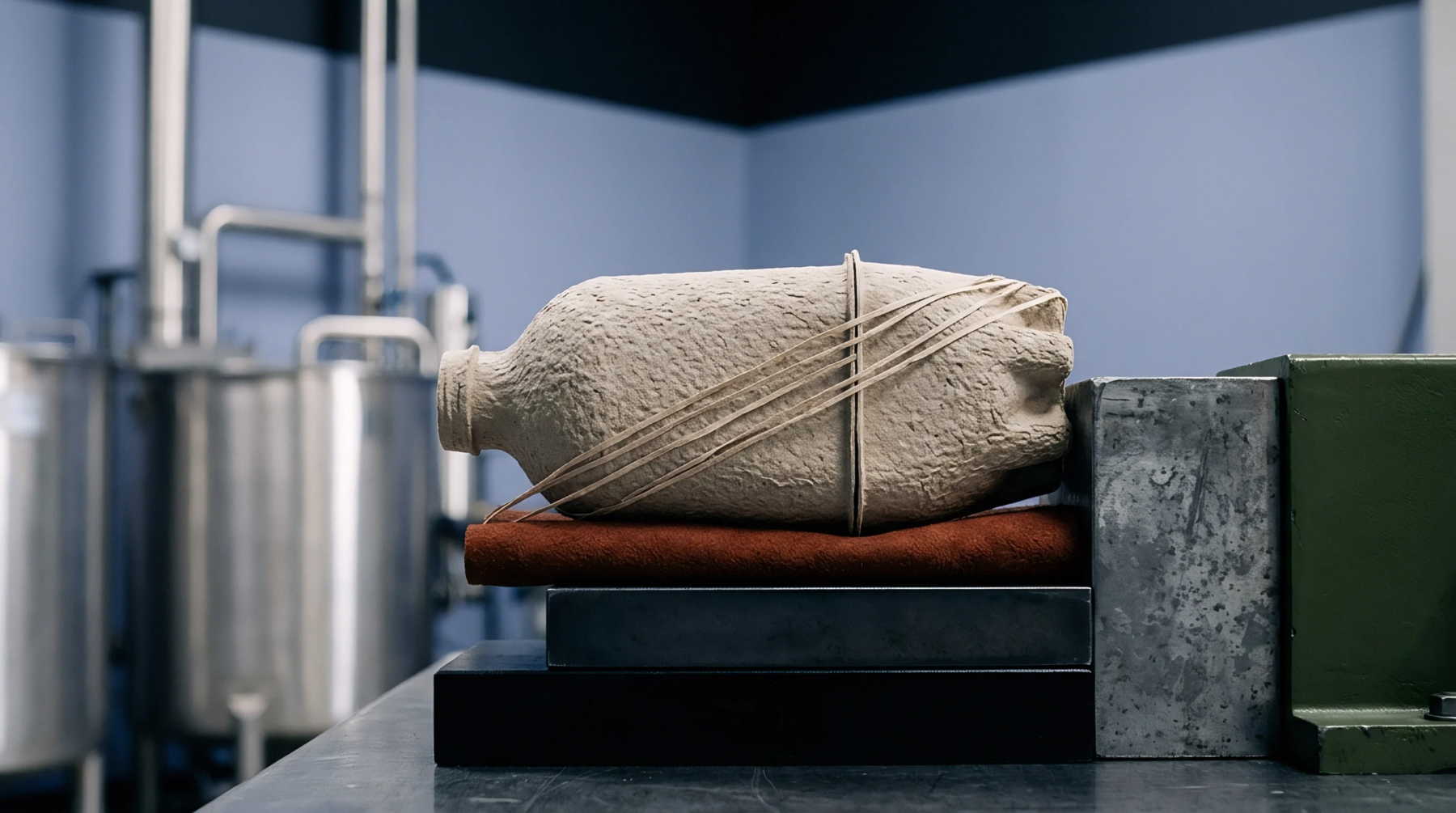
Chromatographic testing via LC-MS/MS verifies photoinitiator specific migration limits in printed barrier packaging to maintain compliance.

Verifying post-consumer recycled claims in folding boxboard requires cross-referencing FSC/PEFC credit accounts with deinking yield losses and MOSH/MOAH markers.

Evaluating paperboard barrier food contact declarations requires verifying specific migration limits, functional barrier continuity, and total NIAS disclosures.

Resolving multi layer migration liability requires linking batch trace numbers to accredited specific migration reports and contract indemnity clauses.
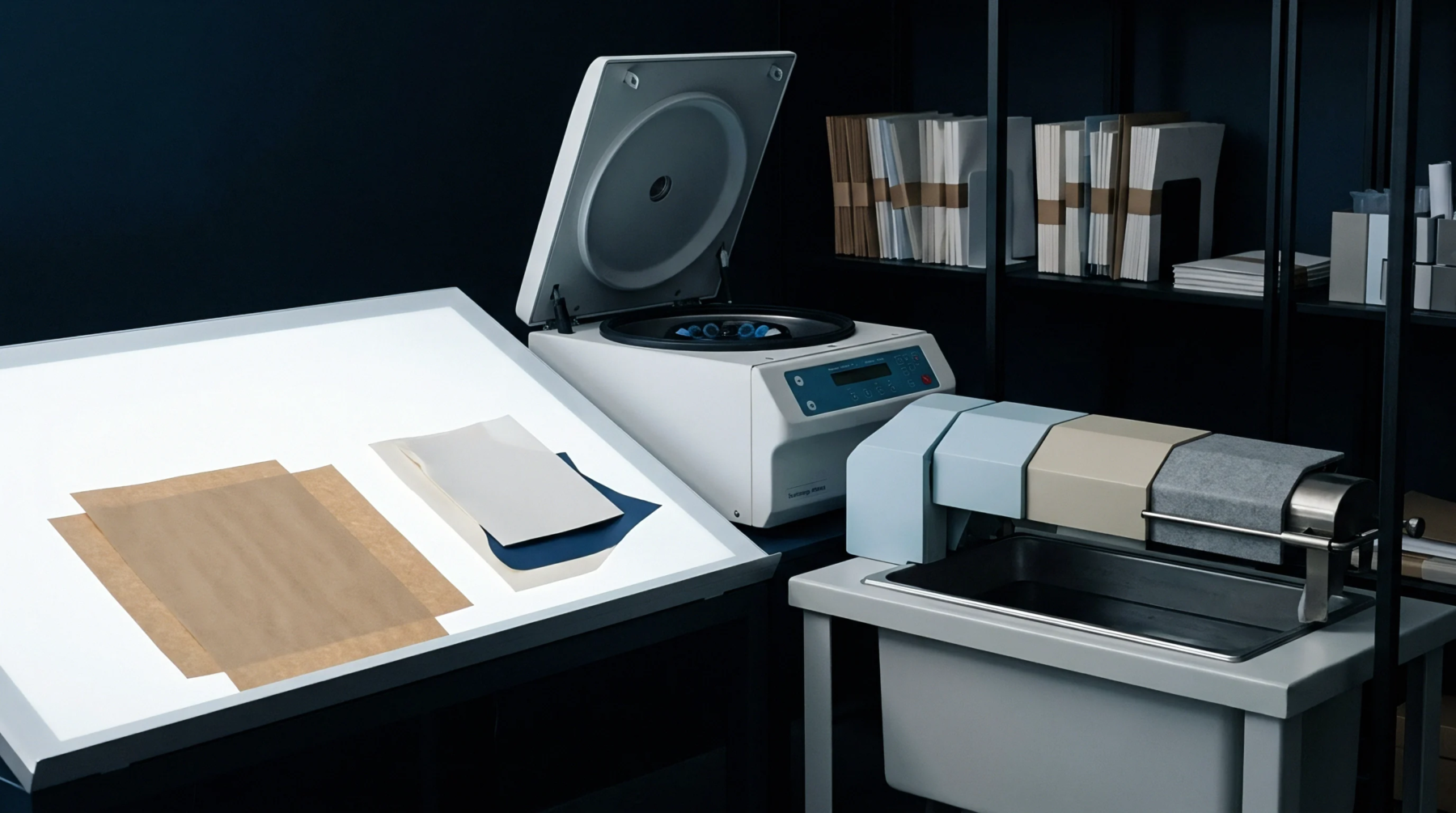
Polymeric coatings block recycled board NIAS migration when layer thickness, crosslinking density, and pinhole frequency meet specific mass transfer criteria.

Auditing food contact board certificates requires verifying laboratory test simulants, thermal parameters, and surface ratios against real package converting limits.
Expertise is a utility, not a secret. sentiention™ publishes its working knowledge as open reference: intelligence layer covering the materials it sources, the markets it enters, and the reference that serves both.