Optimizing Aqueous Dispersion Coatings for Standard Paperboard Repulping Operations
Aqueous dispersion coatings require high carboxyl content and precise Tg control to fragment into screenable flakes rather than tacky micro-stickies during pulping.
Aqueous dispersion coatings require high carboxyl content and precise Tg control to fragment into screenable flakes rather than tacky micro-stickies during pulping.
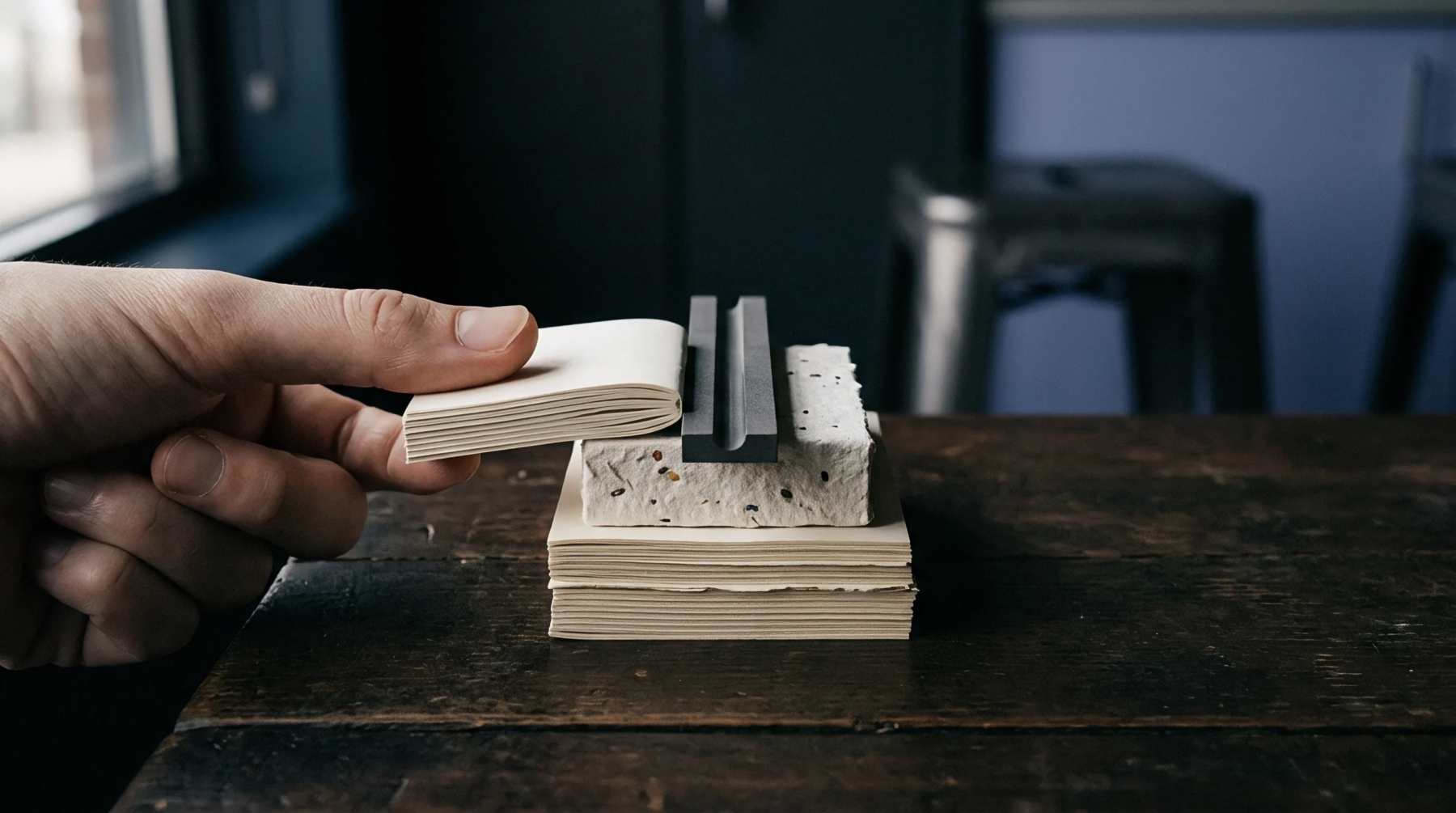
Aqueous dispersion barrier performance depends on wet coat weight uniformity, film drying coalescence, and creasing matrix geometry that prevents score line cracking.
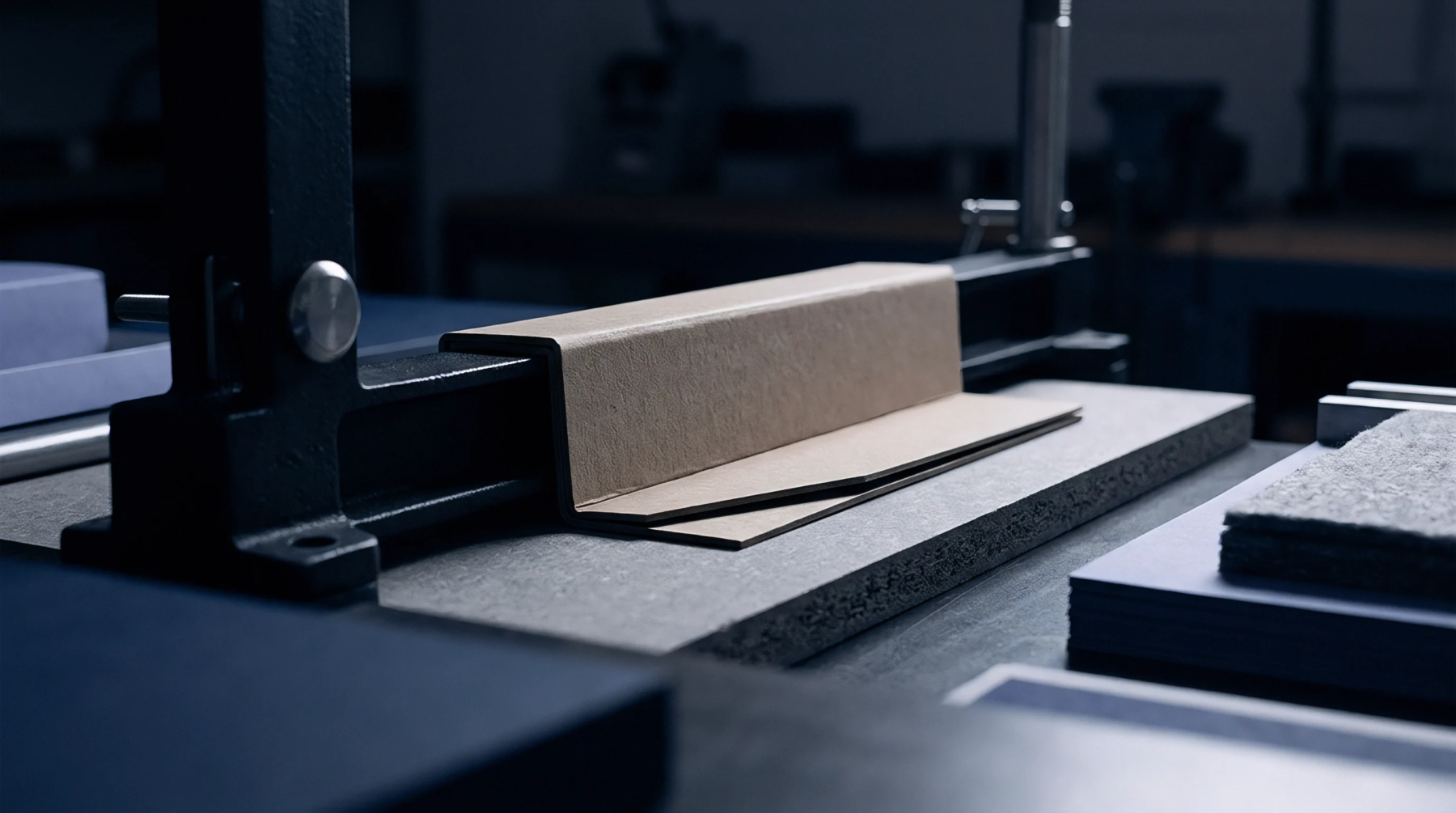
Aligning packaging redesign schedules with European recyclability deadlines requires twenty-four months to pass repulpability tests, tool lines, and secure EPR compliance.
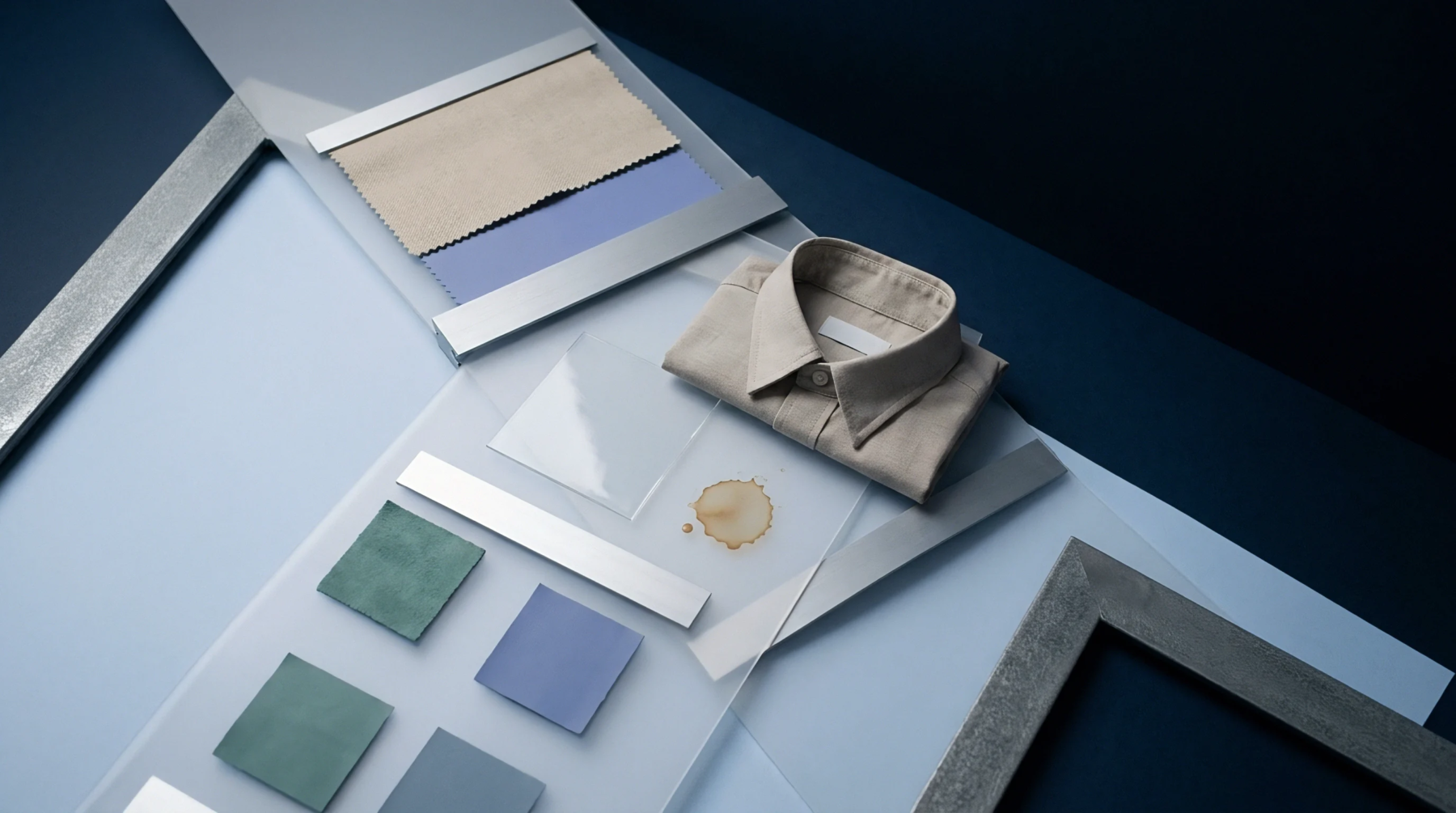
Evaluating paperboard barrier food contact declarations requires verifying specific migration limits, functional barrier continuity, and total NIAS disclosures.

Polypropylene film lamination delivers absolute water vapor barrier and fold integrity, whereas aqueous dispersions eliminate secondary passes but crack at creases.
Dynamic vapor sorption in recycled barrier substrates triggers localized interfibrillar swelling stresses that disrupt coating integrity under humidity transients.
Low relative humidity elevates dispersion binder Tg, converting viscoelastic flow into brittle fracture during millisecond creasing and breaching barrier performance.
A raw material shift in barrier coatings alters chemical migration profiles, instantly invalidating food contact declarations and risking complete job quarantine.
Expertise is a utility, not a secret. sentiention™ publishes its working knowledge as open reference: intelligence layer covering the materials it sources, the markets it enters, and the reference that serves both.