Plastic Compliance
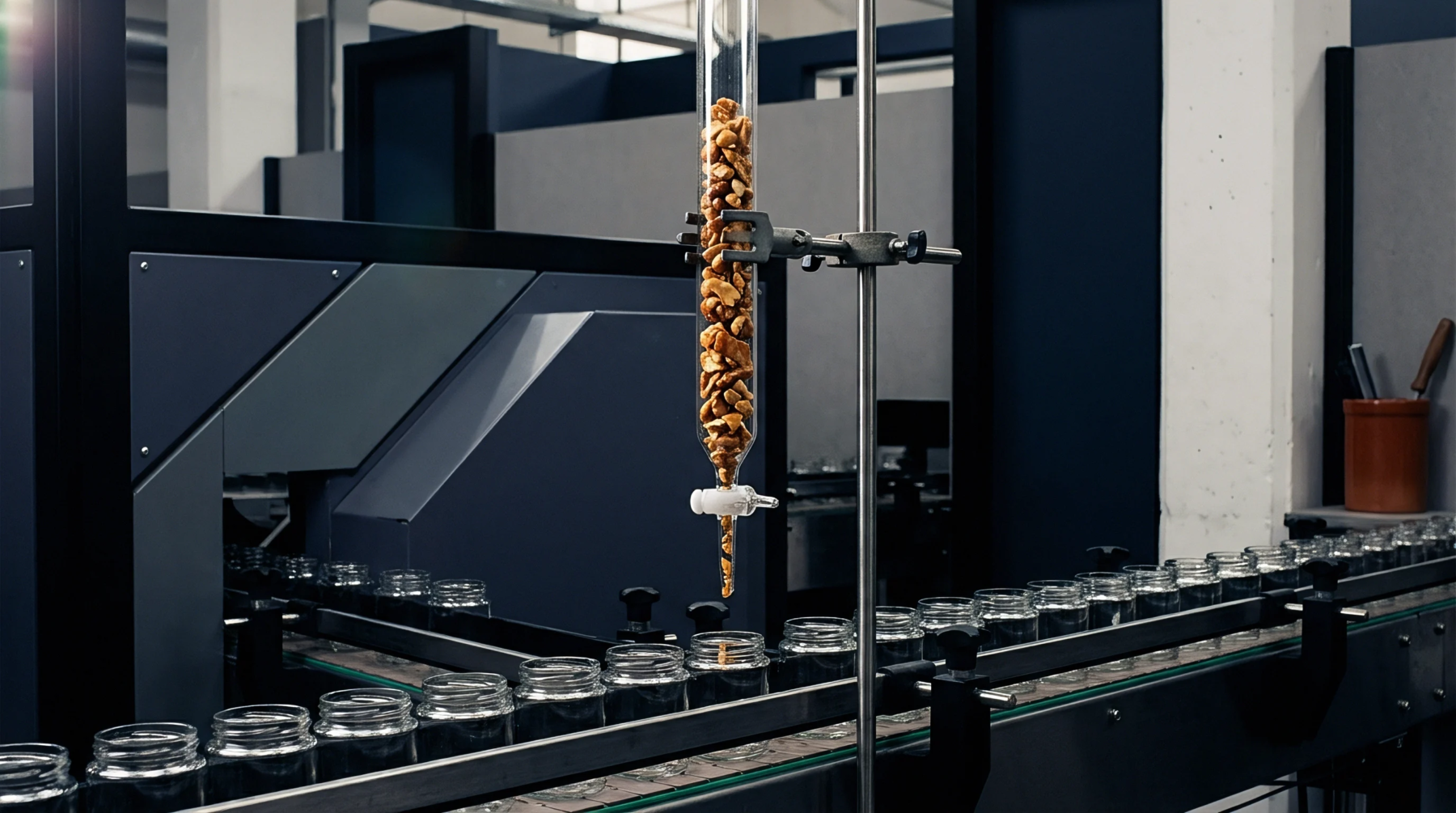
Polymer migration limits define this framework for food contact materials. Regulation eu 10/2011 specifies the maximum quantity of individual substances allowed to transfer from plastic packaging into aqueous or fatty food stimulants. It establishes a positive list of monomers and additives permitted for use in manufacturing.
Each authorized substance carries a specific migration limit based on toxicological data. Compliance relies on analytical testing with food stimulants to verify that chemical release remains below defined thresholds. This regulation applies to final packaging structures including multilayer films and laminates used for dairy, dry goods or liquid contents.
Its mandate covers finished plastic articles, intermediate materials and the raw chemical components intended for food storage environments.
Verification Protocol
Production facilities conduct migration testing using controlled contact conditions to satisfy the legal requirements of regulation eu 10/2011. Laboratories immerse sample materials in food stimulants for a set period and temperature. The testing process involves measuring the mass of substances transferred into the liquid phase after exposure.
Conversion plants submit technical documentation detailing the composition of inks and adhesives to verify that all ingredients reside on the authorized list. This documentation accounts for potential degradation products formed during the extrusion or lamination process. Manufacturers verify the overall migration limit for total non-volatile substances released by the packaging.
If the measured transfer exceeds the legal threshold, the material fails the audit and requires reformulation of the chemical blend. The audit trail creates accountability for the safety of food packaging by tracing individual components back to raw material suppliers through certified declarations of conformity.
Substrate Integrity
Fiber based packaging relies on this legislative structure when plastic coatings or functional barriers modify the board surface. Regulation eu 10/2011 dictates the safety boundaries for any synthetic layer applied to paper stock intended for food contact applications. Paper mills ensure that chemical additives within the barrier resin remain below the migration limit to prevent contamination of the packaged contents during distribution.
These limits protect the food supply from chemical leaching when moisture or grease from the contents interacts with the packaging surface. Compliance with these chemical standards demonstrates the safety of the treated substrate for direct contact with food products.