
Interfacial Chemistry of Carboxylated Latexes on Lignin Rich Mechanical Fiber Surfaces
Tailoring latex carboxylation density and Tg to mechanical surface lignin maximizes interfacial adhesion while cutting binder demand by two dry parts per hundred.
Tailoring latex carboxylation density and Tg to mechanical surface lignin maximizes interfacial adhesion while cutting binder demand by two dry parts per hundred.

Mechano-sorptive creep compliance equations quantify box compression decay under moisture cycling, driving substrate selection for recycled containerboard.

Interfacial bond strength testing validates multi-ply containerboard ply adhesion to prevent delamination during corrugation and transport.

Cyclic relative humidity accelerates corrugated stack creep by breaking transient hydrogen bonds, demanding derated safety factors to prevent warehouse collapse.
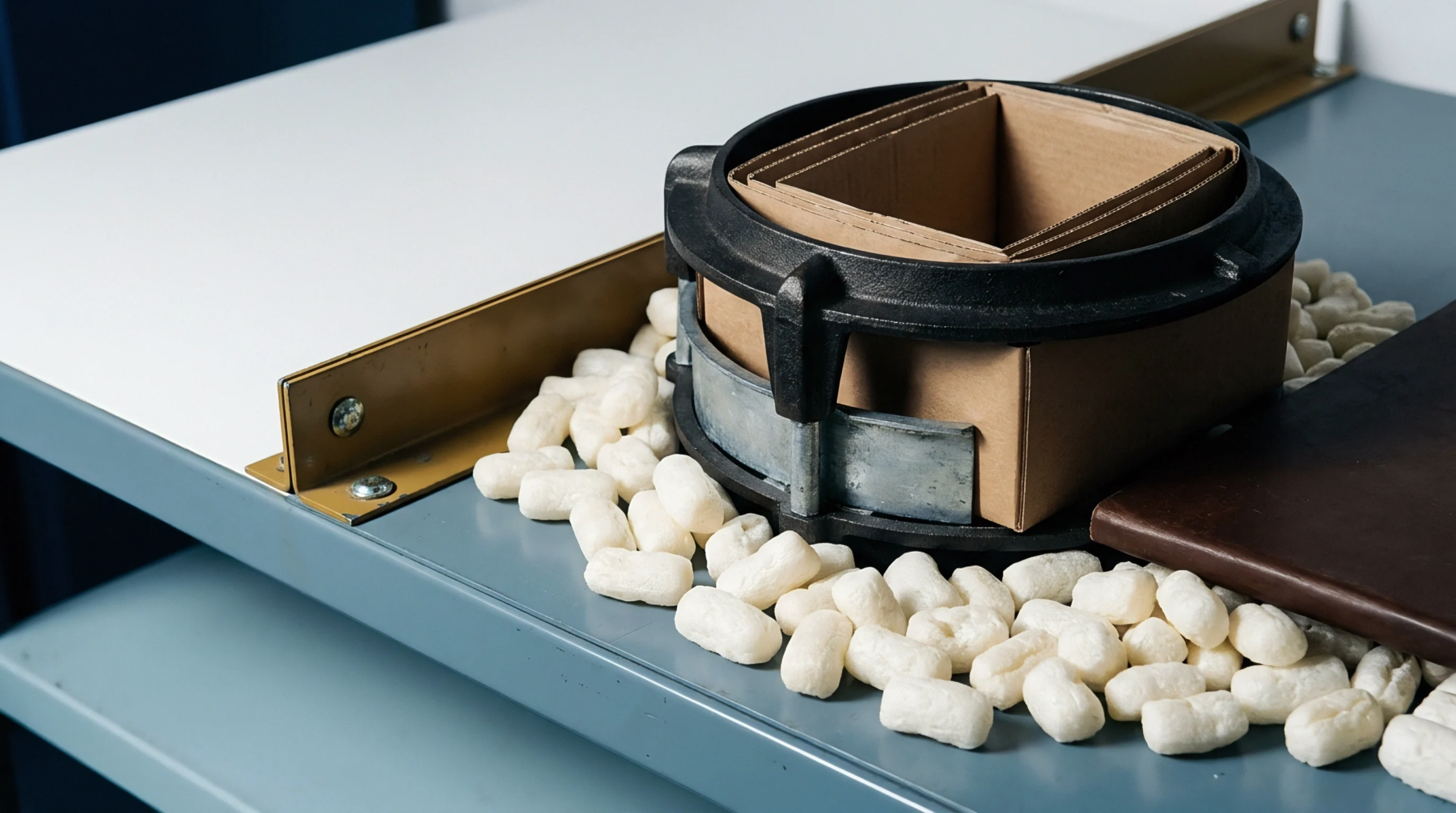
Controlled ply separation during cartonboard creasing prevents liner cracking, requiring precise matrix channel sizing and verified inter-ply bond strength.

Z-directional tensile variance in multi-ply recycled board stems from uneven wet consolidation, high ash, and poor starch cooking, causing severe converting failure.

Secondary fiber furnishes lose up to 45 percent of compressive strength under high humidity due to hornification and moisture-induced inter-fiber bond cleavage.

Viscoelastic creep in cellulosic matrices accelerates under humidity cycling, reducing long-term compression strength and requiring calibrated safety margins.

Dynamic relative humidity accelerates corrugated compression creep via mechano-sorptive softening, requiring environmental safety factor multipliers up to 2.5.

Microfibrillated cellulose moisture sorption degrades barrier performance at high humidity, requiring chemical cross-linking and verified compliance dossiers.
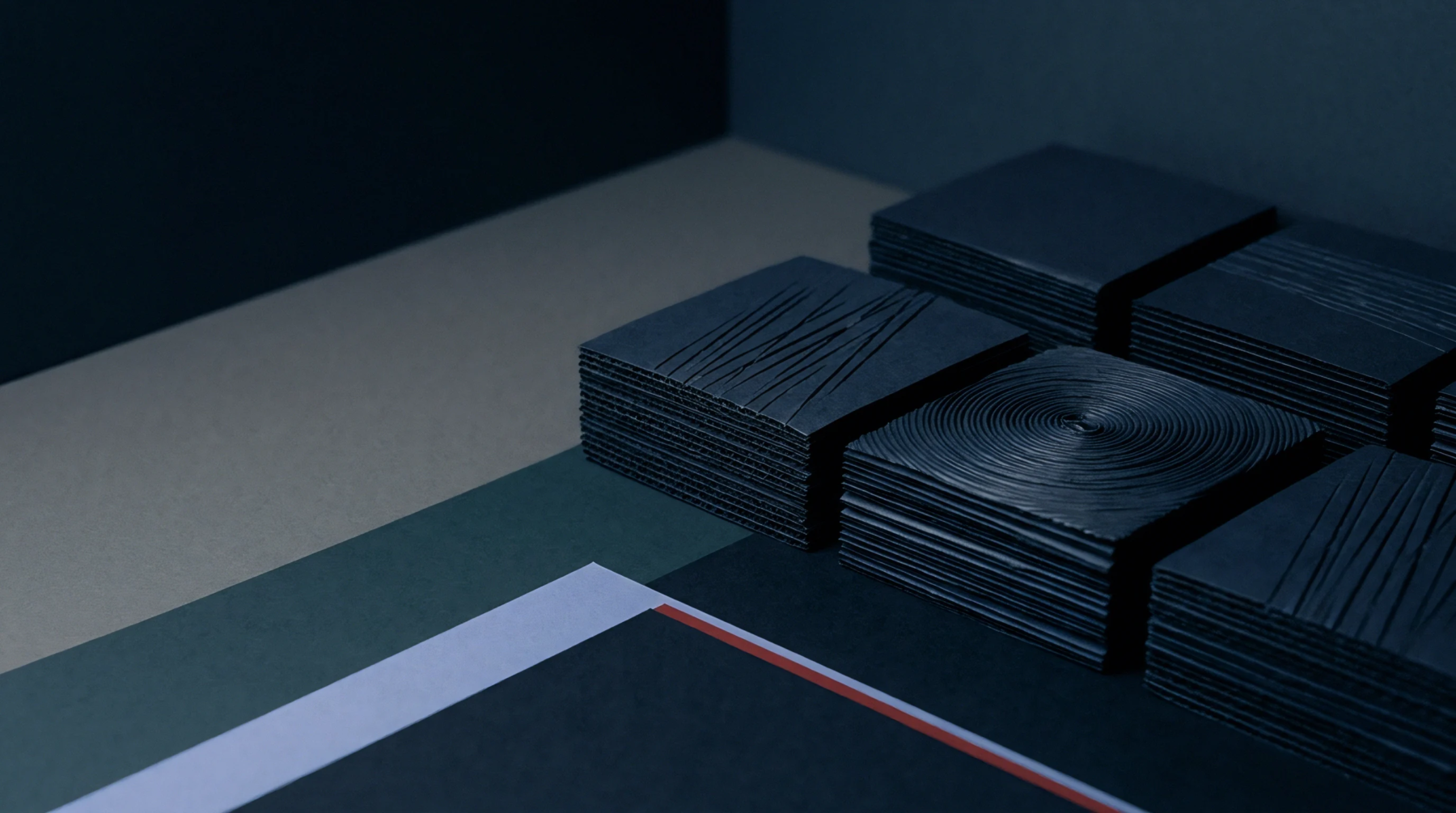
Heat embossing above lignin glass transition temperature locks paperboard relief depth, while controlled dwell time minimizes post-press viscoelastic creep.
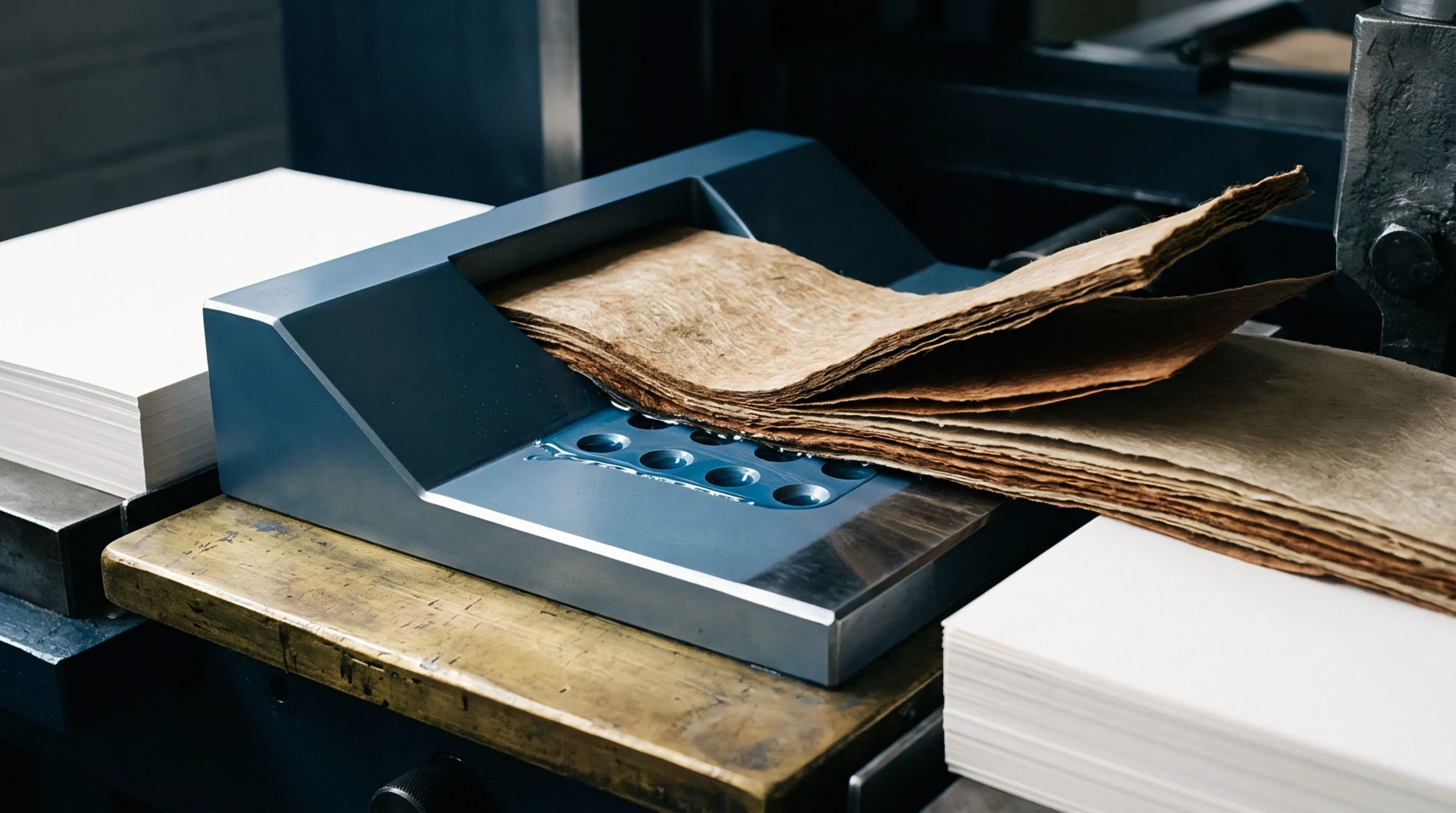
Virgin hardwood sizing requires balancing high surface hydroxyl density against AKD and ASA steric interference to maintain internal bond and Cobb holdout.
Expertise is a utility, not a secret. sentiention™ publishes its working knowledge as open reference: intelligence layer covering the materials it sources, the markets it enters, and the reference that serves both.