Application Method
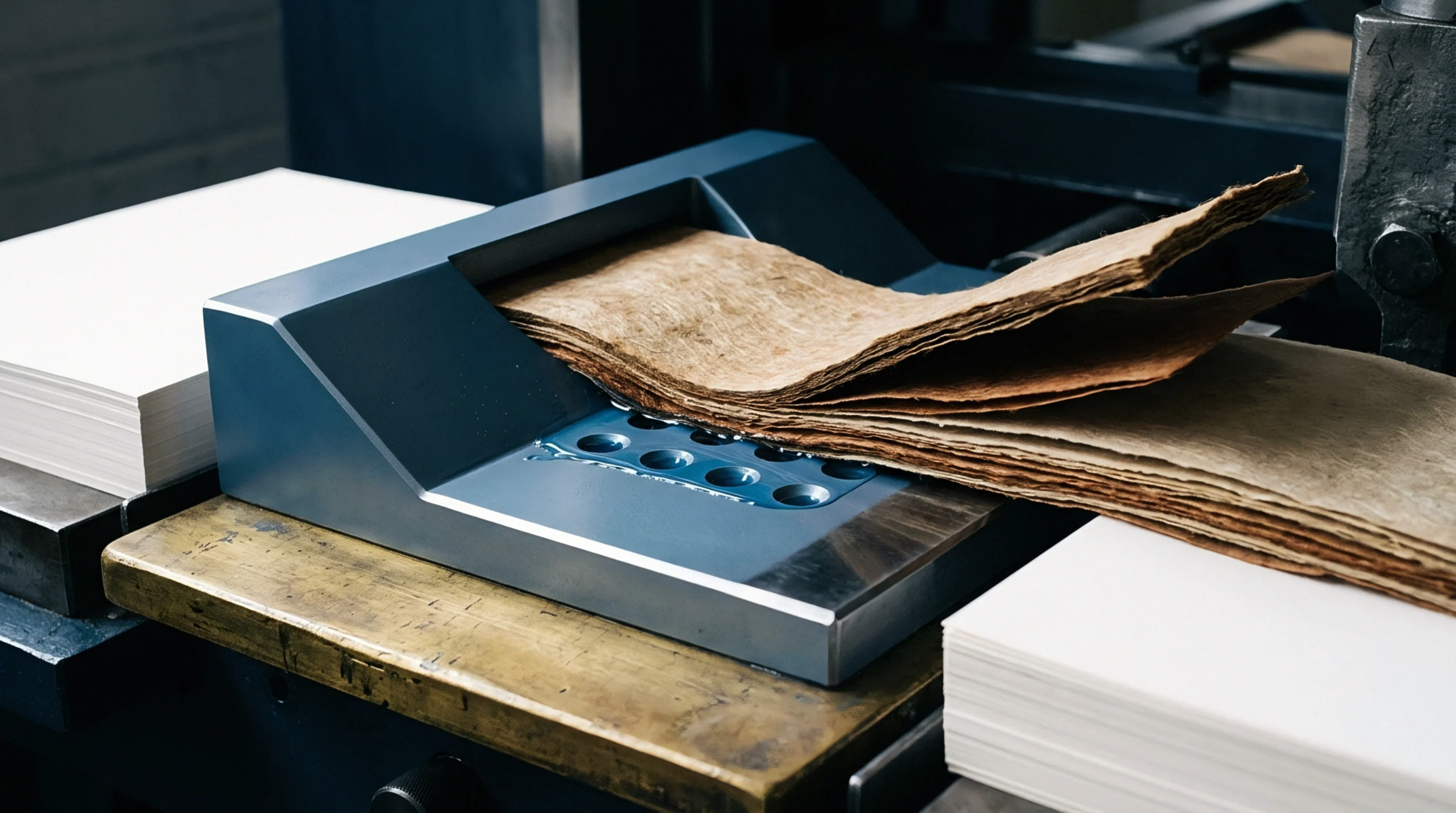
A film transfer apparatus applies chemical additives directly to a paper web surface while controlling liquid volume through pressurized nip gap settings. A metering size press operates by using two rolls that rotate in opposite directions to form a controlled gap. Film splitting occurs at the nip as the fluid transfers from the applicator roll to the substrate.
Precise weight control determines the physical barrier performance required for food packaging or high speed inkjet receptivity. Consistency depends on the load force applied across the machine width. Hydraulic actuators move the rods or rolls to hold the exact pressure profile.
This mechanism limits the amount of pickup to prevent excess sheet moisture which causes drying issues downstream. Coating weight remains stable because the gap geometry holds a fixed quantity of liquid before contact happens.
Control Precision
Physical properties on the coated sheet result from the film thickness applied by the rollers. Uniform distribution across the sheet width prevents uneven drying that leads to cockle or registration errors in later converting steps. An electronic control system monitors roll speed and nip pressure to adjust for changes in liquid viscosity or machine throughput.
Operators check the coat weight to confirm the barrier density remains within the tolerance of the specification. Excess buildup on the roll surface causes streaks or skips that ruin the final aesthetic of the print stock. Proper calibration minimizes the waste generated during transitions between different product grades.
The system allows mills to apply functional layers without saturating the internal structure of the fibrous base.
Operating Boundary
High viscosity fluids pose a challenge to the transfer efficiency of the transfer rollers. Surface tension and roll speed create a threshold where the liquid creates a film that splits unevenly. Mechanical limits define the range of dry or wet additions the hardware handles before sheet strength declines.
A metering size press functions correctly only when the web tension stays high enough to avoid wrinkles during contact with the wet transfer surface. These machines fail if the substrate contains debris or surface defects that break the fluid film. Successful production requires a clean environment to avoid picking contaminants from the rollers into the coating layer.