Paperboard Score Line Acoustic Wave Testing Fundamentals
Acoustic wave velocity and attenuation measurements non-destructively quantify internal paperboard ply delamination and predict score line folding stiffness.
Acoustic wave velocity and attenuation measurements non-destructively quantify internal paperboard ply delamination and predict score line folding stiffness.
High-speed mechanical creasing forces barrier polymer thinning, elevating crease gas permeation and reducing package shelf life unless scoring geometry is optimized.

Interfacial fracture toughness testing via Double Cantilever Beam methods defines internal delamination limits in multi-ply recycled packaging board.
Polyethylene terephthalate film laminates demand matrix channel widths fifteen percent wider than unlaminated board to prevent shear cracking along score lines.

Crease groove depth controls barrier strain limits; precise female matrix sizing prevents coating micro-cracking and maintains regulatory migration resistance.
Aqueous barrier board selection requires balancing Cobb and WVTR specs against laboratory repulpability mass yields above 85 percent to minimize EPR eco-tariffs.
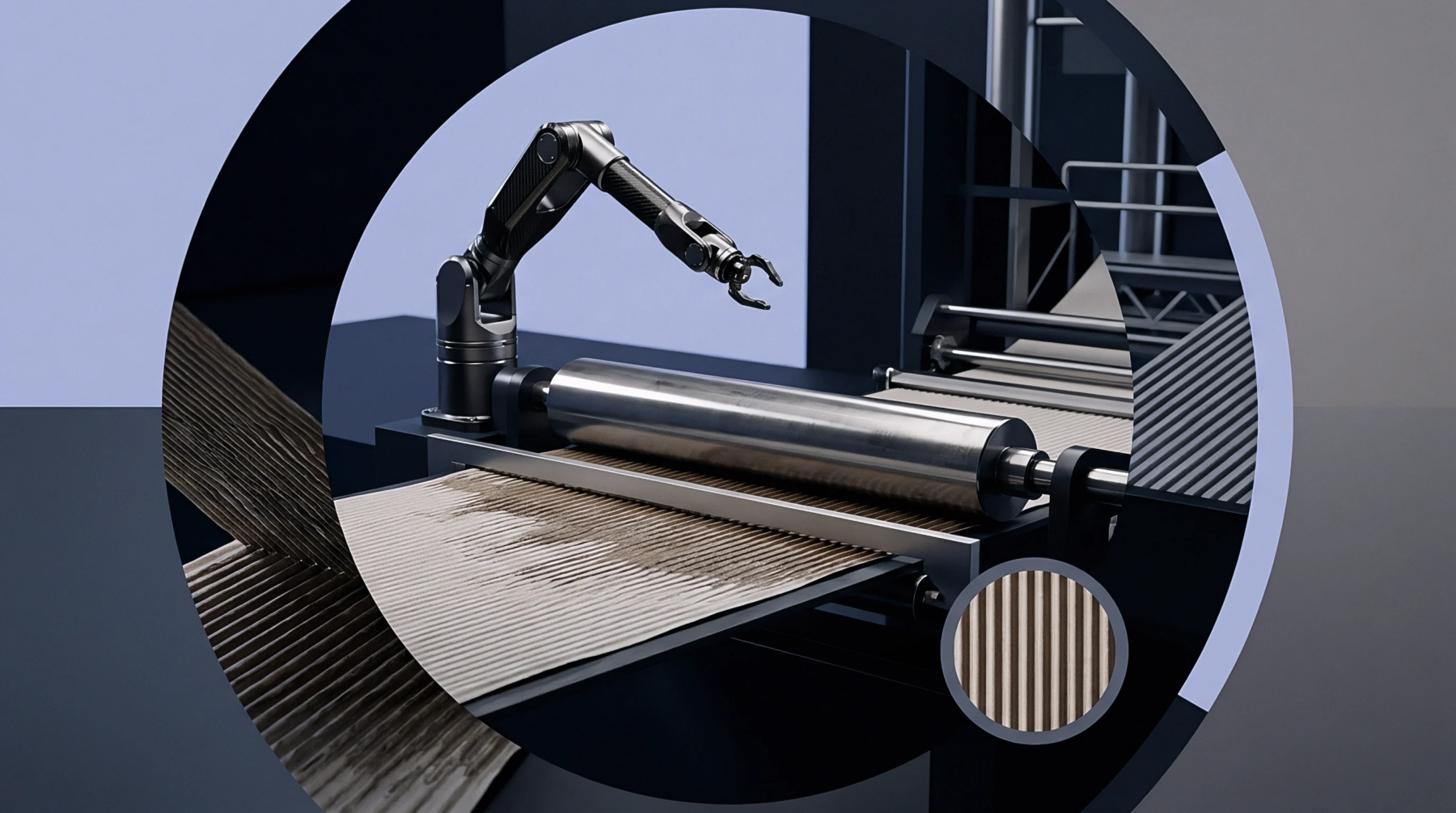
Matrix channel width variations dictate shear delamination depths in chemical linerboard, where deviating from optimal channel sizing drastically increases crease stiffness.
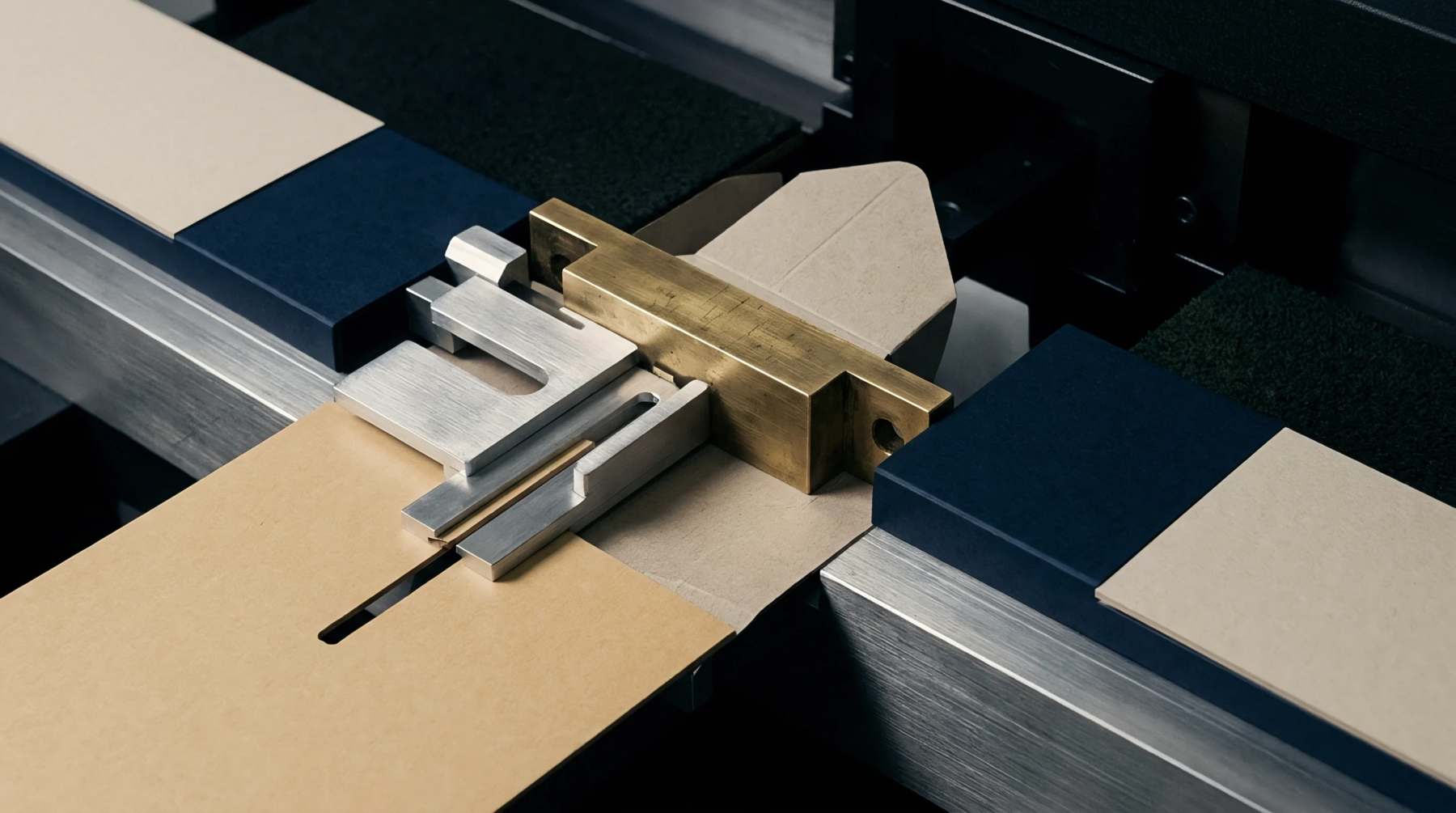
Match rule thickness to carton caliper using 2-point steel under 450 microns and 3-point above, sizing matrix width to rule plus 1.5 times caliper.

Dynamic shear delamination within middle plies absorbs scoring impact, preserving surface dispersion barrier continuity during high-speed carton converting.
Inline ultrasonic attenuation across score lines provides real-time prediction of box compression strength retention without destructive testing.
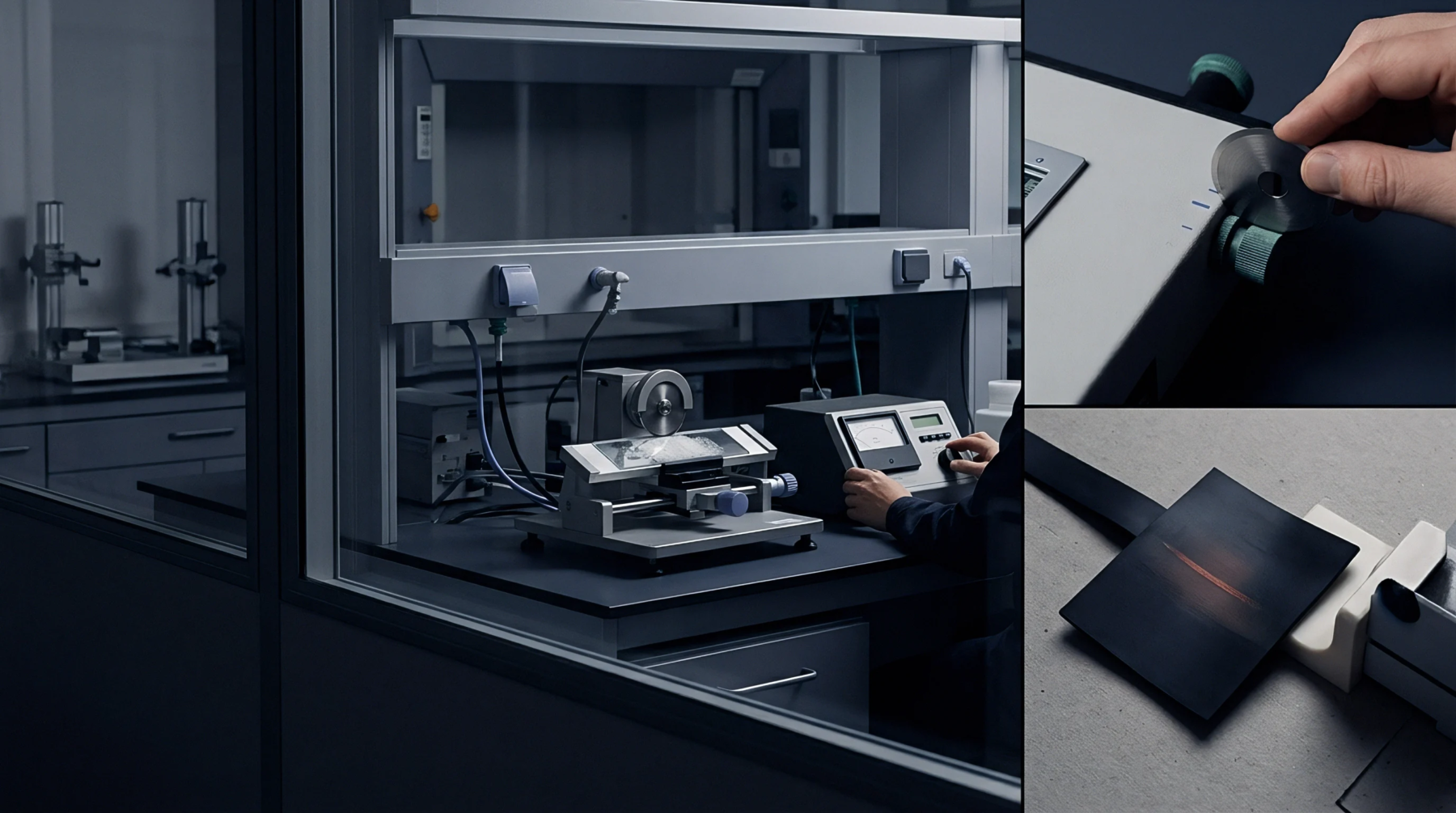
Verify paperboard crease stiffness by conditioning to ISO 187, clamping within 0.5 mm of the score, and targeting a board-to-crease ratio between 2.5 and 3.5.

High-speed scoring forces polymer barrier films past strain limits, demanding wide scoring rules and matrix channels to prevent micro-cracking and barrier loss.

Water-coated SBS board requires wider female creasing channels to offset aqueous polymer springback and prevent high-speed folder-gluer carton failures.
High-speed cartoning requires specifying dynamic internal bond energy above 110 J/m2 to prevent strain-rate matrix delamination during 15-millisecond tuck folds.
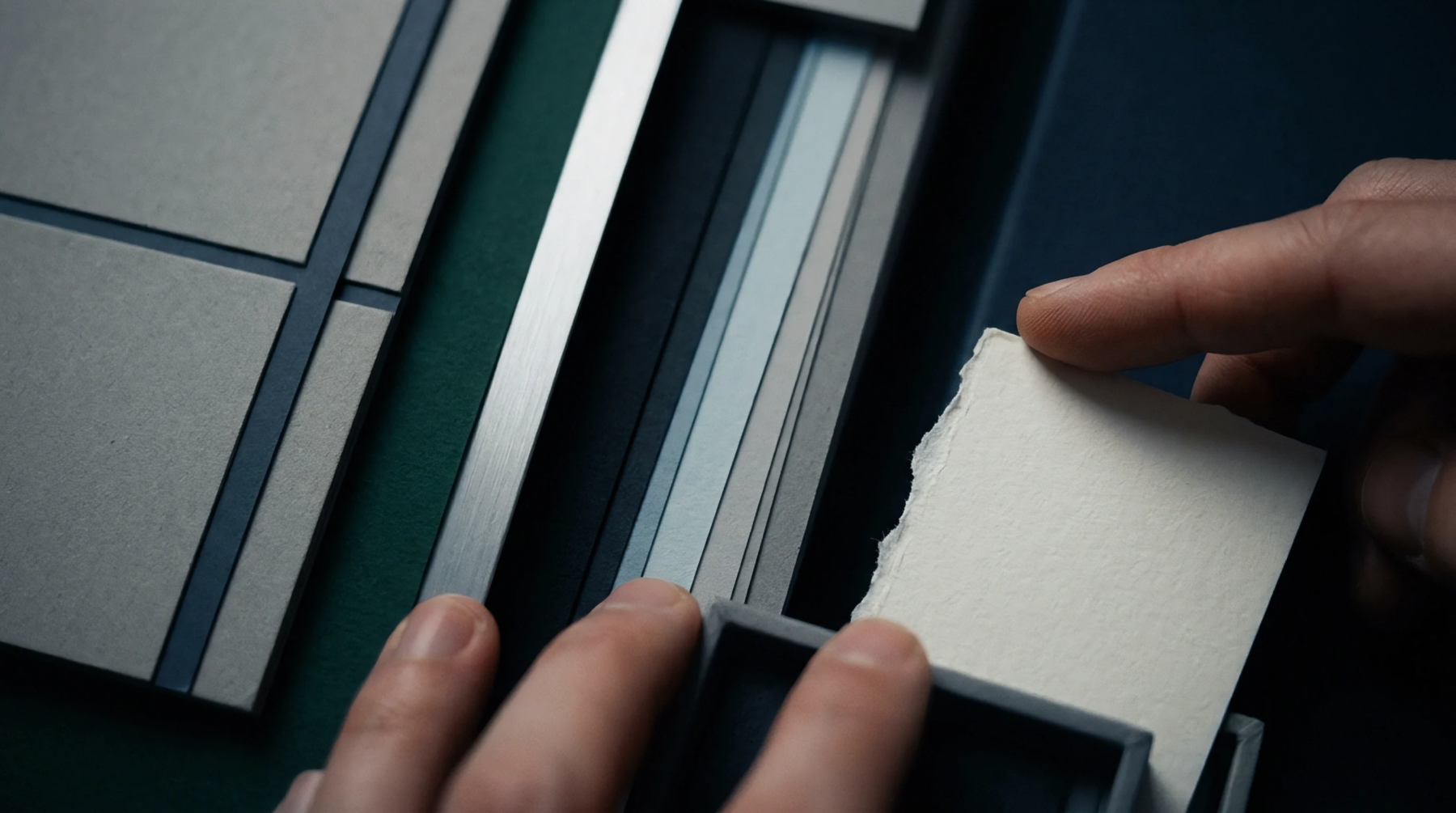
Matrix channel width equals creasing rule thickness plus board caliper multiplied by grade constants ranging from 1.4 for SBB to 1.7 for WLC.
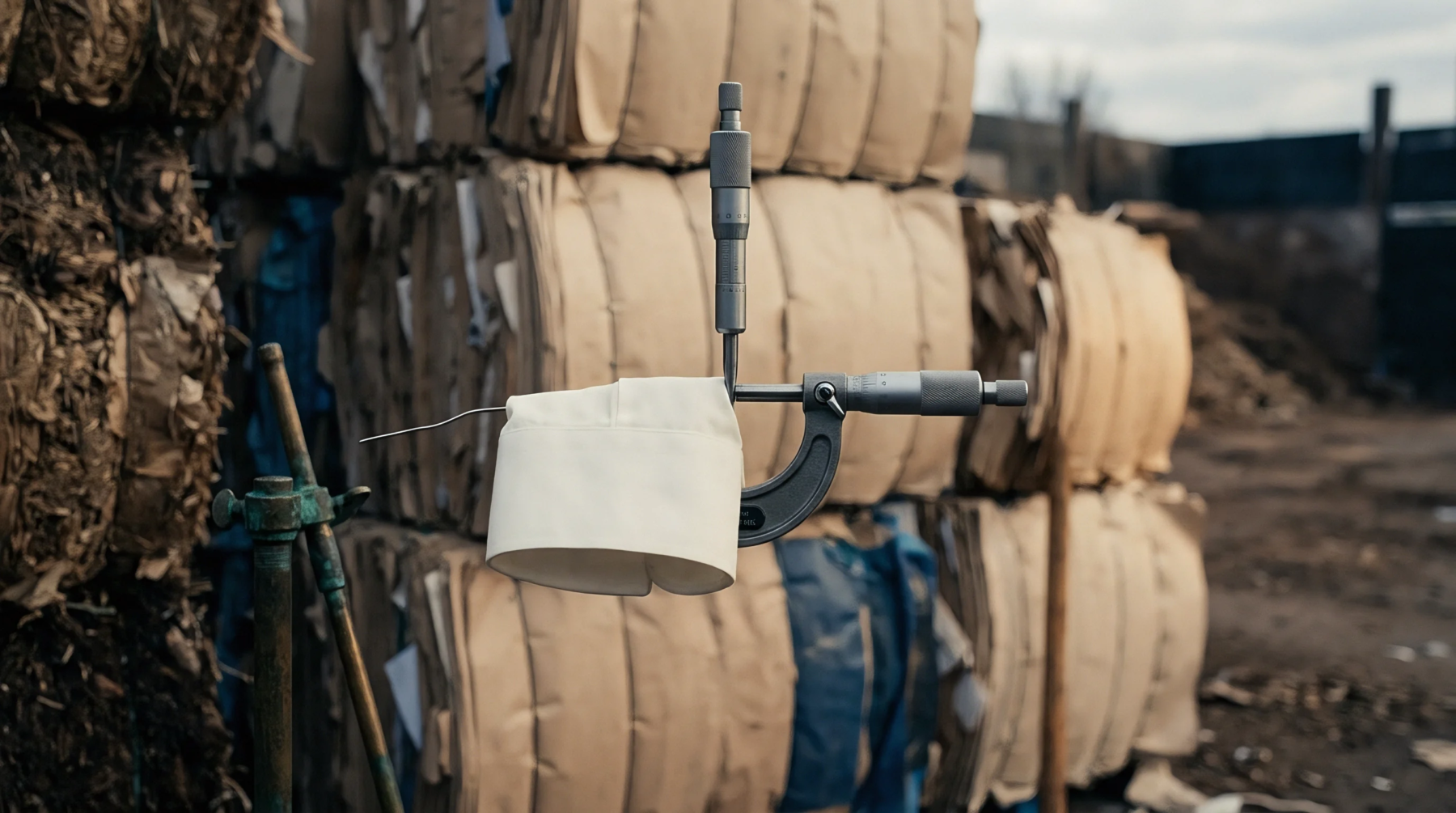
Paperboard expands five to seven times more across the grain than along it, requiring precise humidity control and pass timing to maintain converting register.
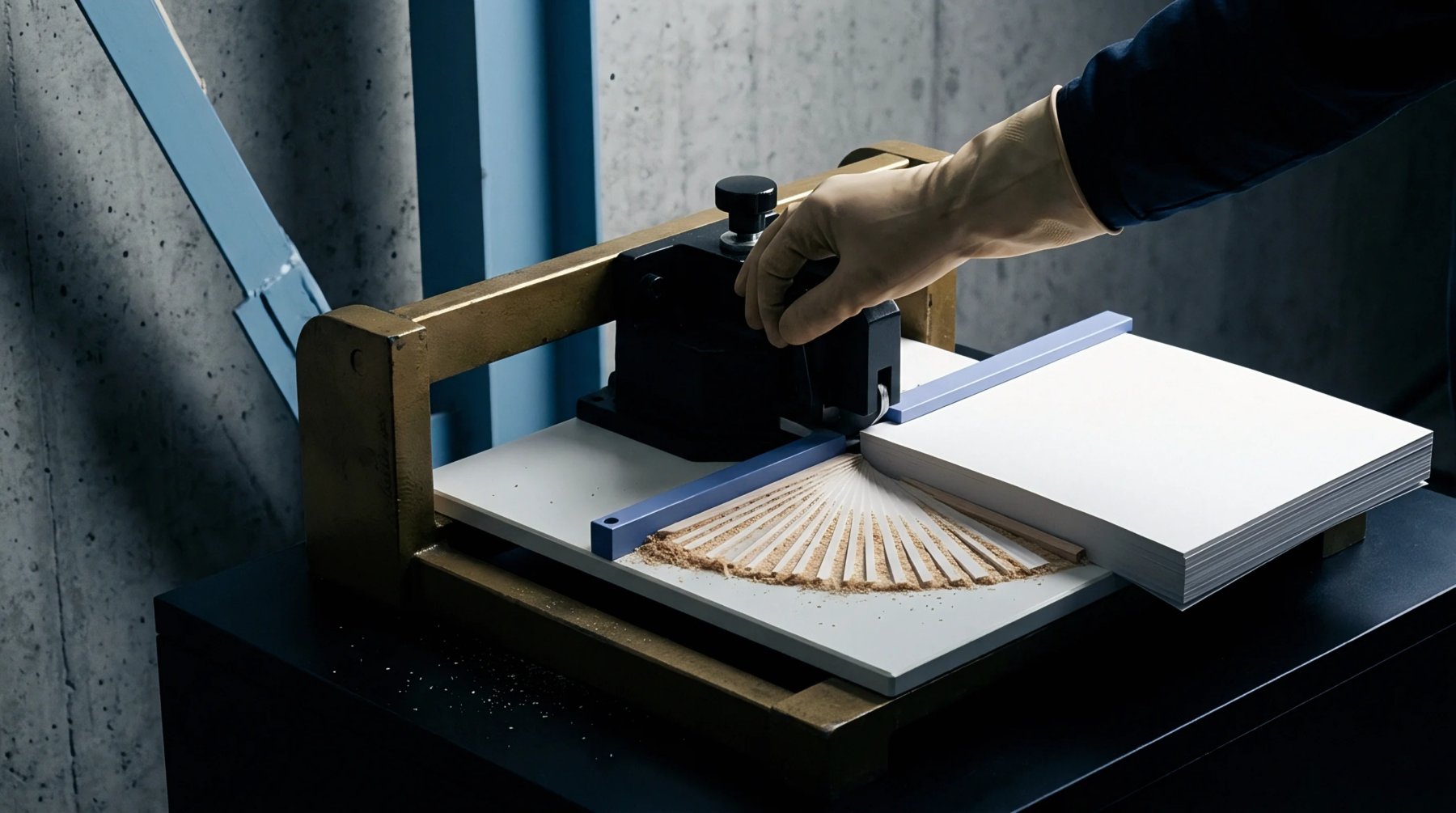
Optimizing rule depth and matrix channel width induces internal ply delamination, preventing top liner crack failures during high-speed carton folding.
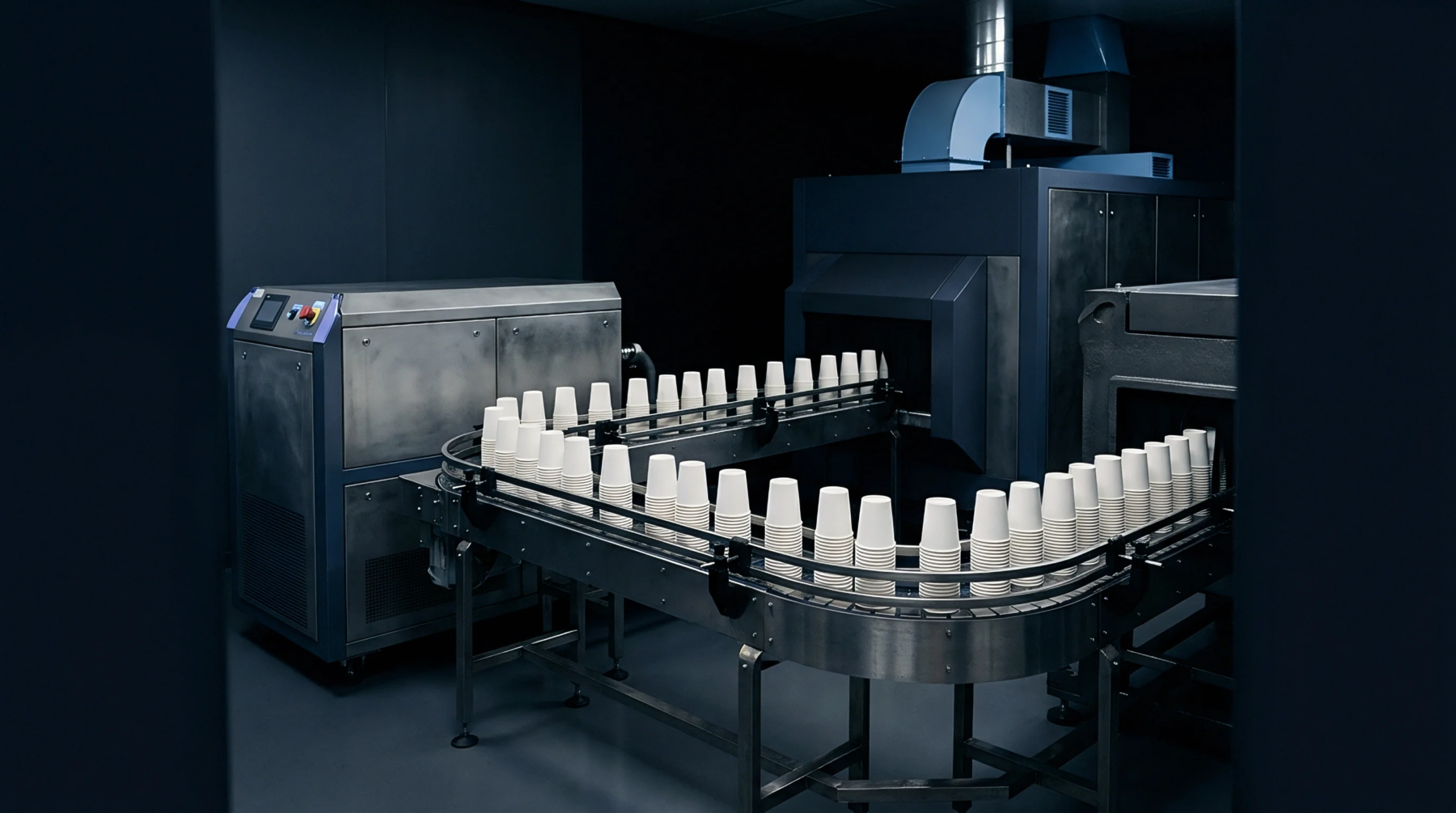
Targeting 5.5 to 6.5 percent board moisture and maintaining 50 percent relative humidity prevents hygroexpansion fan-out, registration drift, and score cracking.
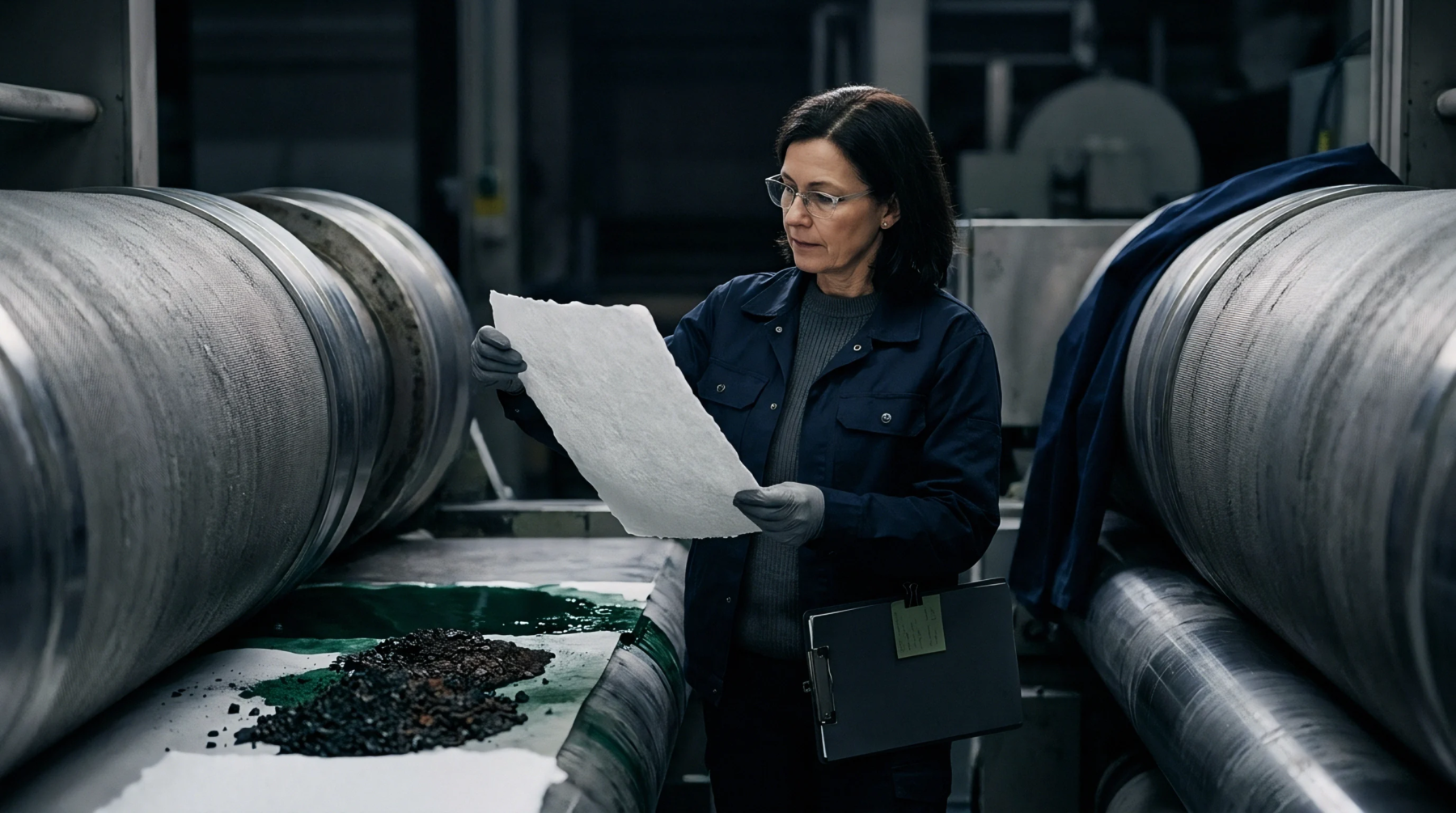
Recycled boxboard interlaminar shear thresholds decay non-linearly above 65% RH due to fiber hornification and starch matrix plasticization.
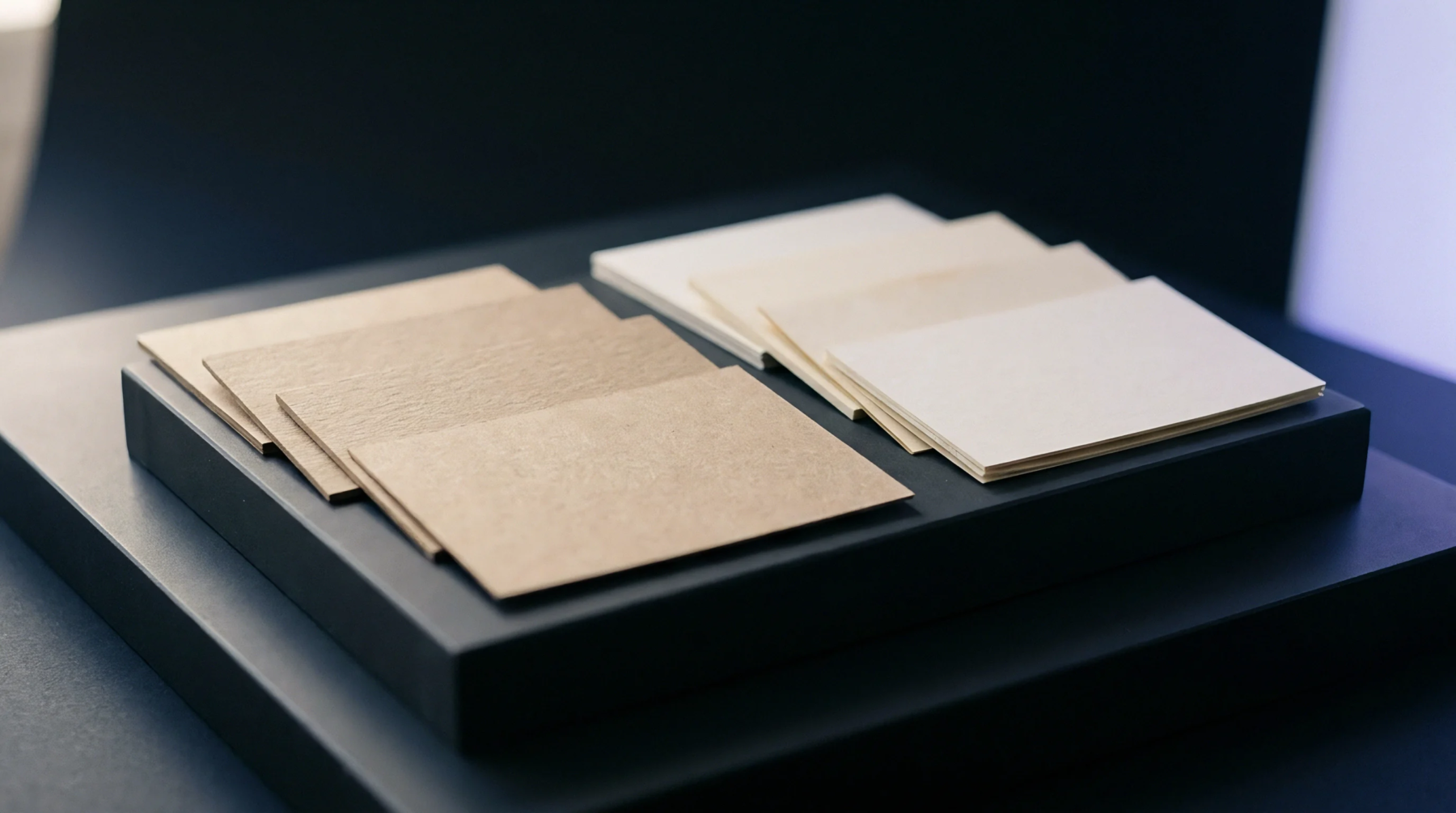
Virgin SBS provides superior print brightness, stiffness consistency, and crack-free scoring, whereas recycled board lowers initial cost but adds waste.
Expertise is a utility, not a secret. sentiention™ publishes its working knowledge as open reference: intelligence layer covering the materials it sources, the markets it enters, and the reference that serves both.