Viscoelastic Dynamic Strain Rate Matrix Delamination High Speed Cartoning Lines
High-speed cartoning requires specifying dynamic internal bond energy above 110 J/m2 to prevent strain-rate matrix delamination during 15-millisecond tuck folds.

Pulse
Rotary tucking arms on packaging machinery push flat paperboard blanks into erected square configurations within fifteen milliseconds. Feeder fingers strike fast. Dwell times shrink instantly.
Modern end-load and top-load cartoning equipment operating between 500 and 1200 cartons per minute subjects score lines to extreme deformation velocities. Strain rates reach 100 to 500 reciprocal seconds during the tucking and folding sequence. Under static laboratory conditions, paperboard plies dissipate stress through viscoelastic fibre slip.
At dynamic production rates, structural relaxation times exceed the impact duration, shifting the material response from ductile yield to brittle shear.
High-speed folding operations apply rapid bending moments across pre-creased channels. The outer printed surface experiences tensile strain while the inner plies experience severe compression and inter-ply shear. When line velocity accelerates, the local deformation rate outpaces the internal stress-distribution capacity of the paperboard matrix.
The structural plies cannot deform cooperatively, forcing shear stresses to concentrate within narrow interfacial zones between individual fibre layers.
| Line Velocity (Cartons/Min) | Tuck Blade Dwell Time (ms) | Calculated Strain Rate (s^-1) | Dominant Strain Deformation Mode | Delamination Failure Threshold |
|---|---|---|---|---|
| 300 | 35.0 | 28.5 | Viscoelastic relaxation and ply slip | Low risk of surface rupture |
| 600 | 17.5 | 57.1 | Inter-ply shear strain concentration | Micro-cracking along score bead |
| 900 | 11.6 | 86.2 | Matrix brittlement and binder fracture | Complete coating cleavage and delamination |
| 1200 | 8.75 | 114.3 | High-rate impact fracture | Carton side-wall blowout and feed jam |
Mechanical response at the scoring channel dictates carton squareness and line performance. High-rate bending forces paperboard to act as a laminated beam under rapid impact. If internal plies fail to split into distinct parallel shear planes during folding, the apparent bending stiffness spikes rapidly.
The elevated stiffness resists tucking mechanical fingers, causing carton misfeeds, crushed side-walls, or total line stoppages.
Static test protocols fail to reveal the mechanical rupture point of paperboard subjected to millisecond folding pulses.
Board suppliers frequently attribute scoring fractures on fast machinery to uncalibrated mechanical male rules rather than intrinsic rate-dependent matrix embrittlement.
Furnish
Multi-ply paperboard structures combine bleached chemical pulp, mechanical fibre, and mineral-bound latex top coatings to balance stiffness with surface print capability. Fibre orientation governs tension. The polymeric binders inside the pigment coating layer and the hydrogen bonds between internal fibre plies exhibit strong viscoelastic rate dependence.
Styrene-butadiene rubber latex, polyvinyl acetate, cooked corn starch, and ground calcium carbonate form a dense composite matrix on the board surface. The glass transition temperature of synthetic binders shifts upward as the rate of applied strain increases, following Time-Temperature Superposition principles.
Under rapid strain application during high-speed folding, latex particles inside the mineral coating lose their elastomeric flexibility. The coating layer transitions into a glassy, unyielding state. Tensile stresses generated on the outer score bead cannot be dissipated through binder deformation.
Cracks initiate within the pigment matrix and propagate downward into the top liner ply, producing visible white fractures along printed packaging edges.
Failure Modes under Dynamic Shear
Substrate breakdown during high-speed converting follows distinct structural pathways dependent on furnish composition and binder chemistry:
- Coating layer micro-cracking occurs when the synthetic latex binder fails to yield at line velocity, causing fine white fractures through the mineral clay pigment layer along outer score beads.
- Inter-ply cleavage failure splits adjacent fibrous plies apart along weak hydrogen-bonding boundaries when internal shear stress exceeds dynamic z-directional cohesive strength.
- Top liner tensile rupture appears on the outer score bead when outer fibres exceed ultimate tensile strain capacity before internal plies separate into parallel shear planes.
- Flute detachment in micro-flute stocks releases linerboard facings from corrugated fluting under localized high-rate shear pulses delivered by tucking blades.
Softwood chemical pulp plies provide long, flexible fibres that distribute localized strain over a broader area. Hardwood mechanical pulp plies supply bulk and bending stiffness but offer lower tensile strain capability under rapid deformation. High mechanical pulp content in middle plies increases susceptibility to uncontrolled matrix delamination under high strain rates.
At a strain rate of 100 reciprocal seconds under ISO 1924-3 test conditioning at 23 degrees Celsius and 50 percent relative humidity, the tensile energy absorption of a 350 gsm folding boxboard declines by 28 percent compared to quasi-static evaluation.
Increasing top-liner softwood kraft pulp proportion raises dynamic strain tolerance more effectively than adding latex binder volume to pigment coatings.
Flex
Mechanical creasing tools imprint pre-formed breakdown zones along intended carton hinge lines. Female groove width, male rule width, and penetration depth establish the geometric deformation pattern within the board structure. The scoring process fractures internal hydrogen bonds intentionally, creating pre-delaminated shear planes.
These internal planes allow the paperboard to fold smoothly by compressing inner plies while stretching outer plies without top liner fracture.
Can Dynamic Stiffness Ratios Predict Carton Squareness at Six Hundred Units per Minute?
Dynamic bending stiffness measurements recorded at high deformation rates reveal strong correlation with erect carton squareness on packaging lines. Standard static stiffness tests (ISO 2493) fail to capture the transient force required to break the score hinge during 15-millisecond folding events. When internal delamination is insufficient, the score hinge retains excessive dynamic bending resistance.
High residual hinge resistance pushes back against folding guides, resulting in out-of-square cartons that jam cartoner transfer chutes.
| Grade Family | Grammage (gsm) | Coating Matrix Binder | Static Scott Bond (J/m^2) | Dynamic Delamination Energy (J/m^2) | Score Rupture Rate @ 800 CPM (%) |
|---|---|---|---|---|---|
| Solid Bleached Sulphate (SBS) | 310 | Carboxylated SBR Latex | 195 | 142 | 0.08 |
| Folding Boxboard (FBB) | 330 | SBR / Starch Blend | 160 | 108 | 0.42 |
| Coated Recycled Board (CRB) | 380 | PVAc / Starch Blend | 125 | 74 | 2.15 |
| Coated Unbleached Kraft (CUK) | 340 | High-Ductility SBR | 220 | 168 | 0.04 |
Bending stiffness spikes rapidly when strain rates climb. Controlled internal ply separation acts as a safety valve during rapid bending. If binder formulation or fibre refining prevents clean internal shear failure, the applied bending moment transfers entirely to the outer tension facing.
Top liner ruptures under force. Shearing stress concentrates deep within the fibrous network, destroying panel integrity.
The exact threshold where latex binder molecular weight distribution suppresses dynamic crack initiation without compromising dry ink adhesion remains an active area of mill testing.

Dock
Goods-in inspection teams require fast physical verification techniques to intercept brittle board lots before reams reach packaging line feeders. Pallet conditioning takes time. Moisture loss accelerates cracking.
Traditional static testing methods (ISO 536 for grammage, ISO 534 for thickness) fail to detect rate-dependent matrix embrittlement caused by incorrect binder ratios or low equilibrium moisture levels. Receiving protocols must include dynamic physical impact metrics to ensure substrate runnability.
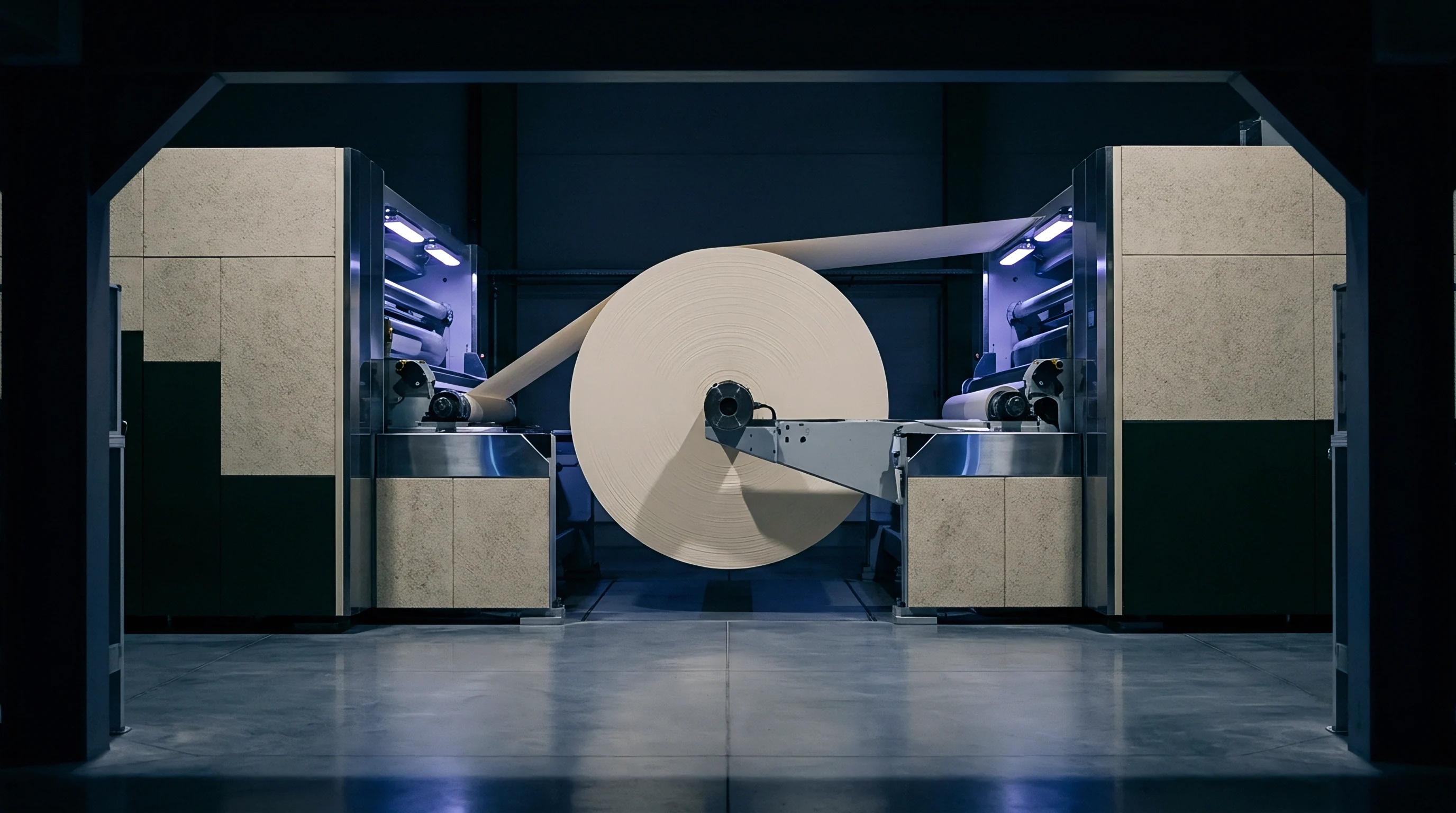
Dynamic Laboratory Testing and Inspection Methods
Verification sequence for incoming packaging board lots involves systematic destructive and non-destructive evaluations:
- Extract ten carton blanks from the center of three separate pallets within thirty minutes of arrival.
- Seal specimens inside vapor-barrier bags to preserve moisture equilibrium during transit to the test room.
- Measure thickness across ten points using an ISO 534 dead-weight micrometer set to 100 kPa pressure.
- Execute dynamic z-tensile impact energy testing per TAPPI T 541 conditioning at 23 degrees Celsius.
- Log tensile stiffness index orientation ratios using directional ultrasonic velocity measurements.
Static tests miss high-speed failures. Ultrasonic Tensile Stiffness Orientation (TSO) measurements identify cross-machine direction variance that drives uneven hinge resistance. Board delivered below 5.0 percent moisture content exhibits severe loss of matrix ductility.
Starch molecules inside the fibrous matrix undergo brittle phase transitions under dynamic load when moisture levels fall below critical thresholds.
Rejection of delivered paperboard lots under ISO 2859-1 single sampling plans requires documented dynamic internal bond energy levels falling below 110 Joules per square metre at arrival.
Feeding unconditioned paperboard stored below four percent relative humidity into rapid tucking equipment produces a thirty percent increase in unopened carton jams at the cartoner feed chute.
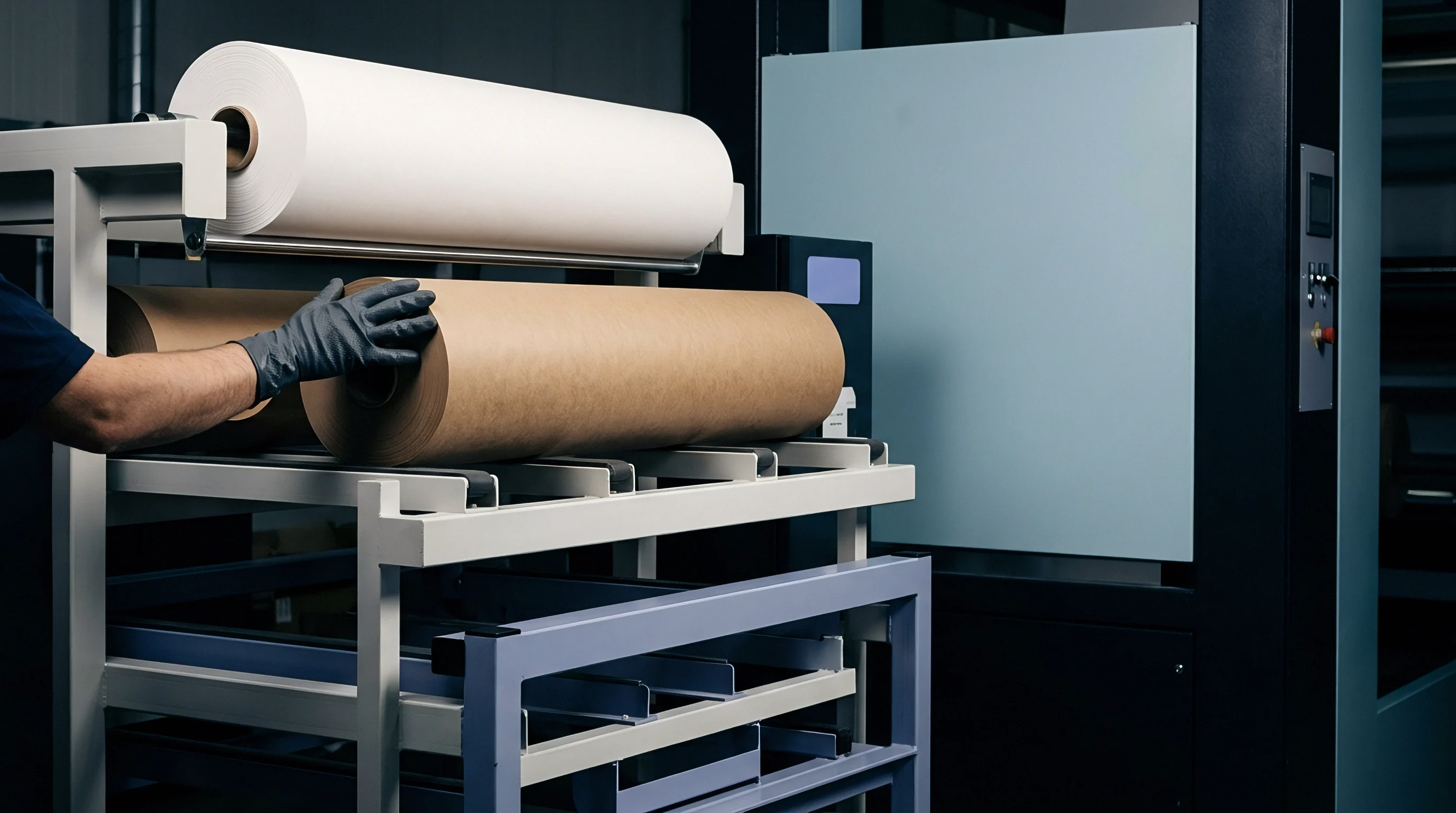

Ledger
Converting efficiency directly determines the final landed price per thousand finished packages. Line stoppages bleed money. Downtime costs accumulate fast.
When high-speed cartoning lines stop due to delamination fractures or unopened carton jams, operational losses aggregate across idle labor, wasted product, and unfulfilled shipping schedules. Unplanned downtime costs on high-speed consumer packaging lines range from 300 to 800 dollars per hour.
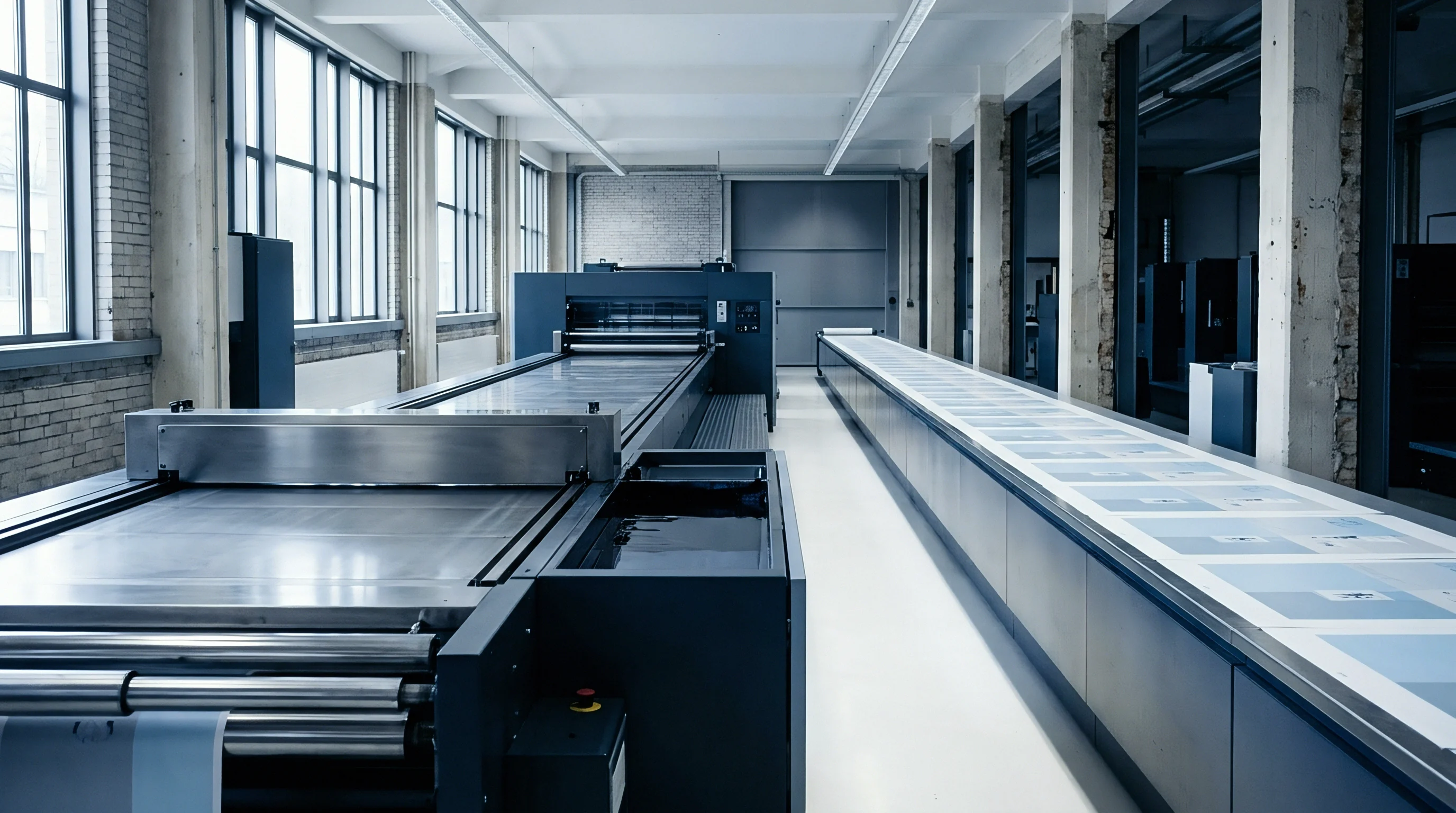
Worked Yield and Financial Impact Analysis
A worked example demonstrates the commercial trade-off between substrate unit price and dynamic converting performance. Consider an annual production run of 50 million end-load cartons operated on a cartoning line running at 650 units per minute. Operating runtime totals 3,800 scheduled hours.
The baseline specification evaluates three substrate options: Standard Recycled Board (CRB), Standard Folding Boxboard (FBB), and a Polymer-Modified High-Ductility FBB.
| Parameter / Metric | Standard CRB (380 gsm) | Standard FBB (330 gsm) | Polymer FBB (320 gsm) |
|---|---|---|---|
| Substrate Landed Cost ($/Tonne) | 1,150 | 1,420 | 1,560 |
| Board Weight per 1,000 Packs (kg) | 18.2 | 15.8 | 15.3 |
| Total Tonnage Required (Tons) | 910 | 790 | 765 |
| Material Cost ($) | 1,046,500 | 1,121,800 | 1,193,400 |
| Delamination Line Jam Rate (%) | 2.40 | 0.60 | 0.08 |
| Unplanned Line Downtime (Hours) | 122.0 | 30.5 | 4.1 |
| Downtime Cost @ 500/hr () | 61,000 | 15,250 | 2,050 |
| Waste Carton Scrap Cost ($) | 25,116 | 6,730 | 955 |
| Total Landed Operational Cost ($) | 1,132,616 | 1,143,780 | 1,196,405 |
| Landed Cost per 1,000 Packs ($) | 22.65 | 22.88 | 23.93 |
Yield calculations decide profit. Although CRB carries a lower purchase price per tonne, its elevated delamination failure rate at 650 cartons per minute erodes nominal material savings. Standard FBB delivers superior runnability, closing the operational cost gap through reduced line stoppages and lower basis weight requirements.
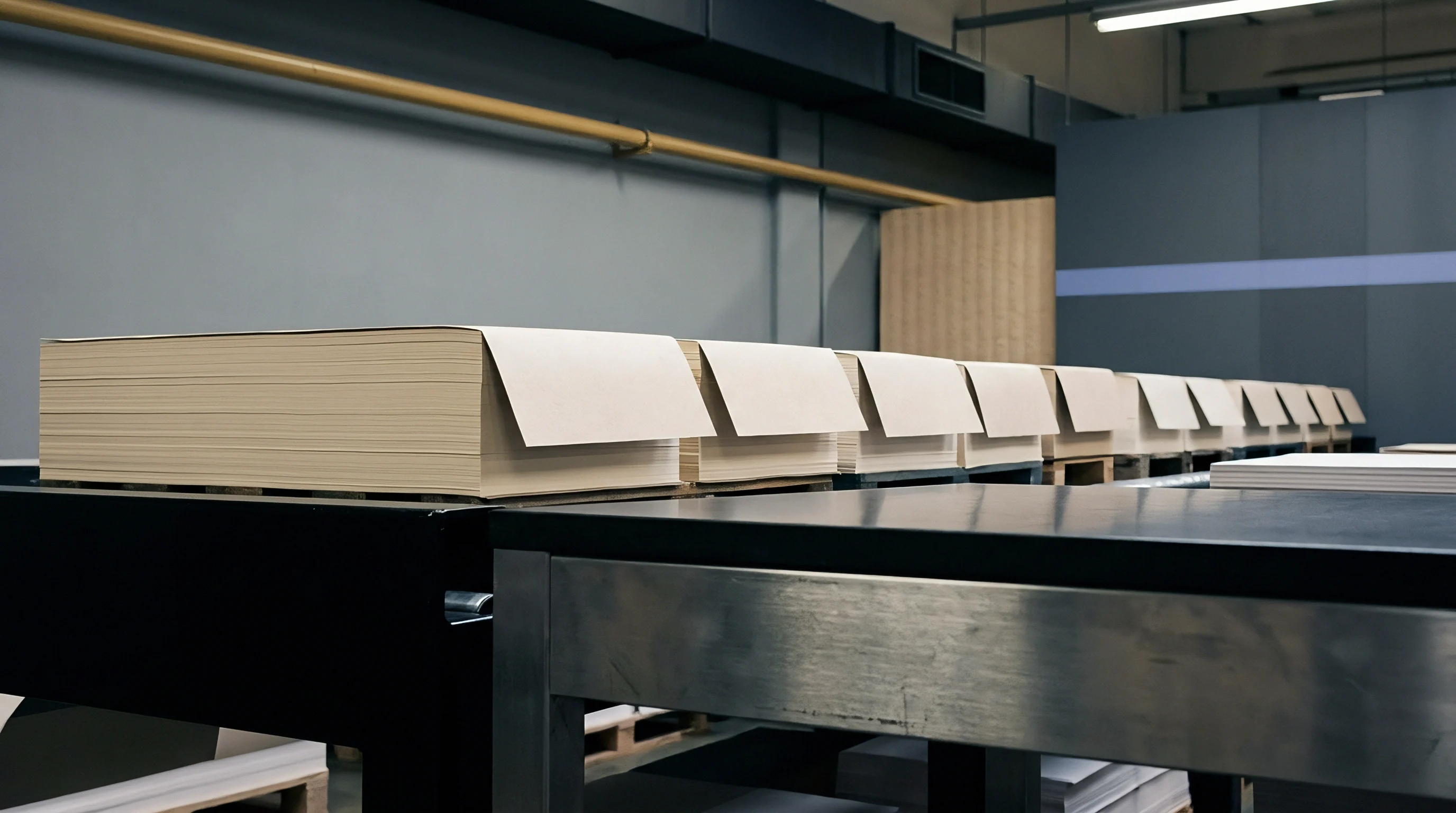
Specification Requirements for High-Speed Stock
Procurement teams must integrate precise physical properties into RFQ documents to secure converting stability:
- Dynamic internal bond energy thresholds above 120 Joules per square metre verified under dynamic impact testing standards.
- Equilibrium moisture retention envelopes specified between 6.0 and 7.0 percent upon delivery to maintain matrix elasticity.
- Cross-direction tensile stiffness index ratios bounded within tight tolerance windows to ensure symmetric hinge response.
- Polymer latex coating modification requiring minimum 14 parts per hundred synthetic latex binder relative to pigment solids.
Premium virgin boxboard formulations offset higher initial pulp costs through reduced line downtime on high-velocity packaging lines.
Selecting board grades solely on static caliper specifications ignores the strain-rate sensitivity of synthetic binders, leading to unexpected operational financial losses on high-velocity packaging machinery.
Provision
Procurement agreements for packaging board must incorporate measurable dynamic performance parameters alongside standard basis weight and caliper metrics. Standard mill warranties covering basis weight uniformity offer zero protection against matrix delamination under millisecond folding strains. Sourcing contracts require specific technical addendums governing high-strain performance metrics, moisture preservation packaging, and downtime cost allocation.
Reel-to-sheet converting contracts specify target moisture ranges and wrapping standards. Pallets delivered without intact vapor-barrier film lose moisture rapidly in heated warehouses, embrittling the starch binder matrix. Contractual clauses must mandate wrapped delivery protection, establishing rejection rights if equilibrium moisture falls below 5.5 percent upon arrival testing.
A standard purchase addendum stipulating that delamination rate failures exceeding 0.5 percent on packaging lines operating above five hundred cartons per minute grant the buyer full reimbursement for direct machine downtime labor costs shifts technical risk back to the substrate mill.